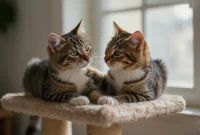
To permanently curb escape-seeking behavior, you must understand that your cat is not trying to “run away” from you. Instead, they are responding to deeply ingrained biological, hormonal, and evolutionary drives. The domestic cat (Felis catus) remains closely linked to its wild ancestor, the African wildcat (Felis lybica), retaining an active drive to hunt, patrol, and defend territory.
                              [The Triad of Feline Escape Drives]
                                               │
         ┌─────────────────────────────────────┼─────────────────────────────────────┐
         ▼                                     ▼                                     ▼
 [Neuroendocrine Surges]              [Sensory Deprivation]                 [Territorial Mapping]
 Driven by sex hormones in            Boredom and low stimuli               The instinct to patrol
 intact cats (estrus/testosterone).    trigger dopamine-seeking.             and secure boundary perimeters.
Neuroendocrine and Reproductive Imperatives
In unsterilized cats, the drive to escape is hormonal.
-
Intact Males (Tomcats): Driven by testosterone, males can detect the pheromones of a female in heat from kilometers away. This triggers an intense roaming instinct, causing them to fight through physical barriers to find a mate.
-
Intact Females (Queens): During estrus (heat), females experience hormonal surges that make them highly vocal and desperate to escape the house to find a male.
2. Sensory Deprivation and Dopamine-Seeking Behavior
The outdoor world is a rich stream of sensory data: shifting wind currents, volatile organic compounds (scents), microscopic movements of prey, and changing light patterns.
An un-enriched indoor environment offers little change, leading to chronic under-stimulation. When a cat stares at a door or window, it is seeking a hit of dopamine—the brain chemical linked to anticipation and exploration. Door-darting is often a learned, thrill-seeking behavior to break up indoor boredom.
3. Territorial Mapping and Border Anxiety
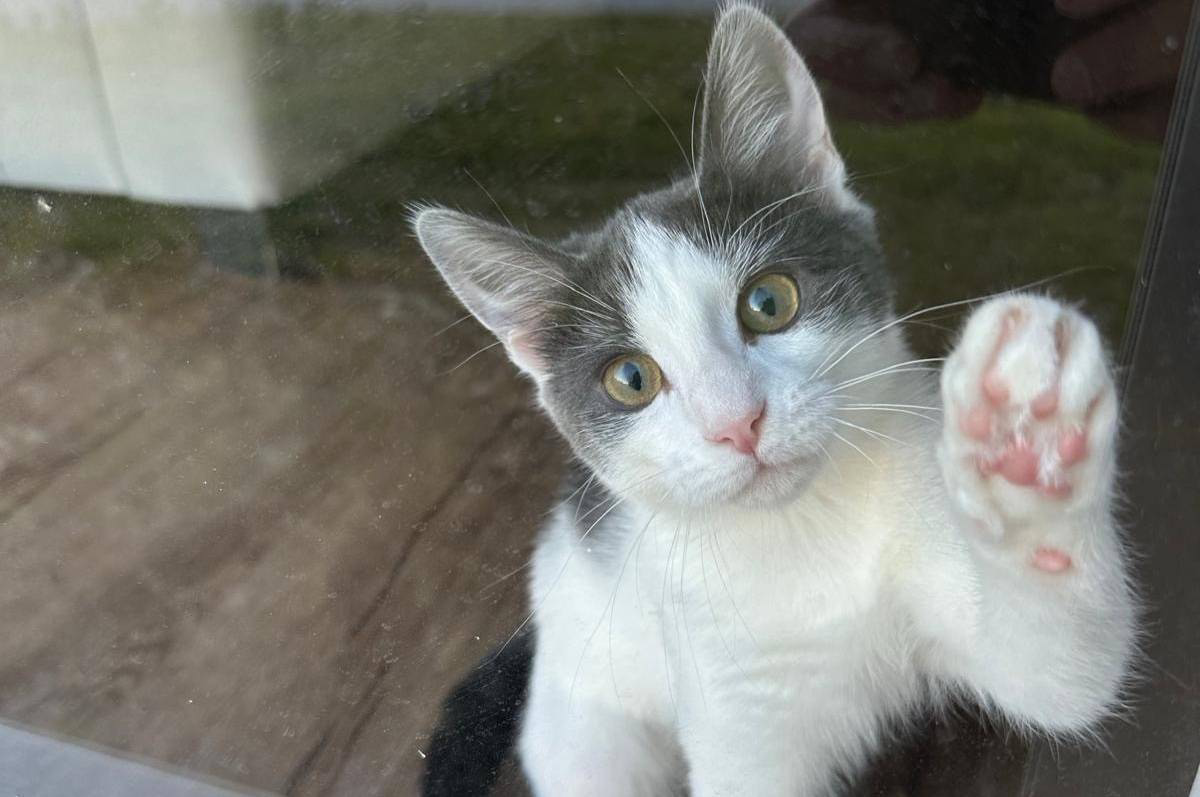
Cats are both apex predators and prey animals. To feel safe, they must actively map, scent-mark, and patrol their territory. When a cat looks out a window or door, they do not see a wall; they see a transparent barrier blocking part of their territory. If strange cats roam outside your house, your indoor cat will feel an urgent need to get past the door to defend their perimeter and secure their home base.
The Environmental Engineering Protocol
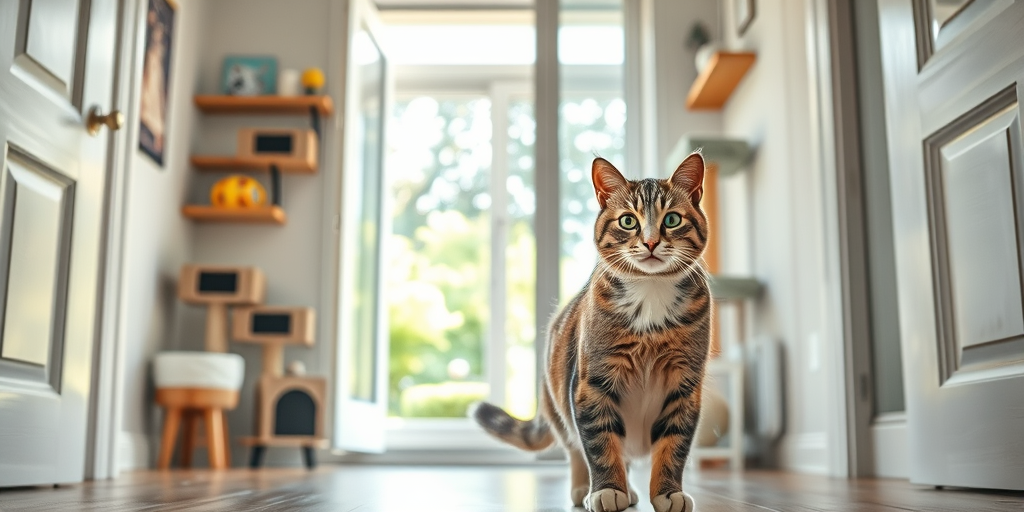
Punishing a cat for door-darting (such as yelling or spraying water) backfires because it creates fear and increases stress, which actually worsens the urge to escape. Instead, use Environmental Engineering to make the indoor space more engaging than the outdoors.
                      [Spatial Maximization Strategy]
                                     │
         ┌───────────────────────────┴───────────────────────────┐
         ▼                                                       ▼
[Vertical Expansion]                                    [Resource Dispersal: N+1]
├── Multi-level wall shelves                            ├── Separate feeding stations
└── Tall, heavy-base cat trees                          └── Distributed litter/hydration zones
1. Vertical Territory Expansion
Cats measure their territory in three dimensions. High perches provide a sense of safety, allowing them to survey their environment without feeling threatened.
-
Wall Infrastructure: Install staggered, modular wall shelves and cat bridges that allow your cat to travel across a room without touching the floor.
-
Strategic Window Perches: Place tall, sturdy cat trees directly next to secure windows. This satisfies their visual curiosity safely, reducing the urge to reach the ground level outside.
2. The $N+1$ Resource Allocation Strategy
In multi-cat homes, hidden tension can drive a subordinate cat to escape just to get away from a bully. To eliminate territorial stress, apply the $N+1$ Resource Rule:
Spread these resources throughout the house rather than clustering them in one room. This prevents a dominant cat from blocking access to food, water, or litter boxes, creating a peaceful indoor environment.
3. Indoor Sensory Enrichment
Bring the best parts of the outdoors inside using safe, controlled methods:
-
Olfactory Variety: Introduce novel items for your cat to smell, such as silvervine sticks, dried catnip, valerian root, or outdoor items like clean pinecones and fresh twigs.
-
Foraging Puzzles: Stop feeding your cat out of standard bowls. Force them to use their hunting instincts by hiding their daily kibble in snuffle mats, rolling treat balls, and structural foraging boxes.
Behavioral De-Conditioning and Training
To stop door-darting, you must change your cat’s automatic reaction to an opening door. Instead of seeing it as a green light to run out, they should view it as a signal to turn around and move inward.
[Exterior Door Begins to Open] ──► [Cat Recalls Cue] ──► [Retreats to Indoor Mat] ──► [Receives High-Value Treat]
1. The Pre-Exit Distraction Routine
Never open an exterior door while your cat is focused on it. Before you leave or open the door for a guest, break the cat’s focus by tossing a high-value treat (like freeze-dried meat) or a favorite toy into an interior room. This draws them away from the door and rewards them for staying inside.
2. Systematic Mat Targeting (The “Go to Mat” Protocol)
You can train your cat to run to a specific spot whenever the front door opens using positive reinforcement:
-
Station Establishment: Place a distinct non-slip mat 3 to 5 meters away from the front door.
-
Luring and Marking: Lead your cat to the mat using a treat. The moment all four paws touch the mat, say a marker word (like “Yes!”) or use a clicker, then give them the treat.
-
Adding a Cue: Once the cat understands the target, add a verbal cue like “Go to Mat” just before they step onto it.
-
Introducing the Door Distraction: Have a helper touch the doorknob while you cue your cat to go to their mat. Gradually progress to cracking the door open, rewarding the cat only if they stay on the mat.
3. The Isolated Greeting Zone
Many cats dart out the door when their owner comes home because they are excited to greet them. To break this habit, ignore your cat completely when you first walk through the door. Walk past them without making eye contact, head to a designated “Greeting Zone” far from the entrance (like a couch or cat tree), and give them attention and treats only when they meet you there.
Defensive Barriers and Safety Systems
| System Type | Mechanism | Best Used For |
| Physical Barriers | Tall baby gates, exercise pens, or secondary screen doors. | High-risk doors where clear sightlines make cats prone to darting. |
| Controlled Access | Outdoor Catios (cat patios) or safe window boxes. | Providing fresh air, sunlight, and outdoor sights securely. |
| Hardware Upgrades | Swapping lever handles for round doorknobs; adding child-proof locks. | Clever cats that have learned to jump up and pull down lever handles to open doors. |
| Emergency Recovery | Subcutaneous microchips, breakaway collars with ID tags, and GPS trackers. | Safeguarding high-risk escape artists in case a barrier fails. |
FAQ
1. Why does my cat keep trying to escape outside?
Cats usually try to escape because of instinctive biological drives rather than because they dislike living with you. Domestic cats still retain many behaviors from their wild ancestors, including the urge to patrol territory, investigate scents, hunt moving targets, and respond to reproductive hormones. In intact cats, mating instincts can strongly increase roaming behavior, while indoor cats may also dart for the door because of boredom, frustration, or the need to monitor what they perceive as part of their territory outside the home.
2. Are cats trying to run away from their owners when they dash out the door?
In most cases, no. Door-darting is usually not a sign that a cat wants to abandon its owner. It is more commonly driven by curiosity, territorial patrol instincts, environmental stimulation, mating behavior, or a learned habit of chasing the excitement associated with an opening door. Cats often see the outdoors as an extension of their sensory world rather than as an escape from a bad relationship.
3. Why do unneutered male cats try to escape more often?
Unneutered male cats are strongly influenced by testosterone. That hormone increases roaming, territorial marking, competition with other males, and the drive to locate females in heat. Intact males can detect reproductive pheromones over long distances, which can make them extremely motivated to slip out of the house, especially if there are outdoor cats nearby.
4. Why do female cats in heat try to get outside?
Female cats in heat experience powerful hormonal changes that increase vocalization, restlessness, and mate-seeking behavior. During estrus, many queens become highly focused on doors, windows, and escape routes because their body is driving them to find a male. This behavior can be intense and repetitive until the heat cycle passes or the cat is spayed.
5. Can boredom cause a cat to become an escape artist?
Yes. Indoor cats that do not receive enough mental and physical stimulation may begin to seek excitement elsewhere. The outdoors offers sounds, prey movement, new scents, changing light, and unpredictable activity, all of which can be highly rewarding to a cat’s brain. If the indoor environment feels repetitive or under-stimulating, the cat may learn that a door opening is an opportunity for novelty and stimulation.
6. Why do cats stare at doors and windows for so long?
Cats use doors and windows as observation points. They are constantly gathering information about movement, smells, weather changes, birds, insects, and other animals. A cat that spends a lot of time at the door or window may be monitoring its perceived territory, responding to outdoor cats, or trying to satisfy curiosity about the environment beyond the barrier.
7. Can outdoor cats near my house make my indoor cat want to escape?
Absolutely. The presence of neighborhood cats can trigger territorial stress and patrol behavior in indoor cats. If your cat sees or smells unfamiliar cats near the home, it may feel pressure to defend its space, investigate the intruder, or mark boundaries. This can increase pacing, vocalization, agitation near doors, and attempts to get outside.
8. Does neutering or spaying help reduce escape behavior?
In many cases, yes. Spaying and neutering can significantly reduce hormone-driven roaming, mating behaviors, territorial tension, and the urgency to seek other cats outdoors. While sterilization does not remove curiosity or boredom-related escape behavior, it often lowers one of the strongest biological triggers for repeated door-darting.
9. What is the most effective long-term way to stop a cat from escaping?
The most effective approach is a combination of environmental enrichment, door-management training, and physical prevention. That means making the indoor environment more rewarding, teaching the cat what to do when a door opens, and setting up barriers or routines that reduce the chance of accidental escape. Solving the underlying motivation is far more effective than relying on punishment or constantly chasing the cat away from the door.
10. Why is punishment a bad way to stop door-darting?
Punishment often increases stress, fear, and anxiety, which can make escape behavior worse rather than better. Yelling, spraying water, or physically scolding a cat near the door can create negative associations with the owner or with the doorway, but it does not teach the cat what behavior is expected instead. Positive reinforcement and management are usually much more successful and much safer for the cat’s emotional wellbeing.
11. How can I make my home more satisfying so my cat stops wanting to go outside?
Create a more stimulating indoor territory. Offer climbing structures, tall cat trees, wall shelves, window perches, scratching areas, puzzle feeders, scent enrichment, regular play sessions, and multiple resting zones. Rotating toys, providing safe hunting-style activities, and using food puzzles can make the home feel dynamic and engaging, which reduces the cat’s need to seek stimulation beyond the door.
12. Why is vertical space important for cats that want to escape?
Cats experience territory in three dimensions. High resting spots and climbing routes give them security, control, and a better view of their surroundings. If a cat lacks elevated territory indoors, it may feel under-stimulated or insecure. Adding tall cat trees, wall-mounted shelves, and elevated perches can help satisfy the cat’s need to observe, patrol, and feel in control of its environment.
13. What is the N+1 resource rule and how does it help with escape behavior?
The N+1 rule means you should provide one more of each key resource than the number of cats in the home. For example, if you have two cats, you should ideally have three litter box stations, multiple water sources, multiple scratching areas, and separate feeding spots. This helps reduce resource guarding, territorial pressure, and stress between cats, which can sometimes contribute to one cat trying to flee shared indoor tension.
14. Can multi-cat stress make one cat try to get out of the house?
Yes. In homes with hidden conflict, a subordinate or anxious cat may try to avoid a bully, escape a tense environment, or seek safer territory. Cats do not always fight openly; stress can show up as door-watching, hiding, overgrooming, litter box issues, or escape attempts. Improving resource distribution and reducing conflict can make a big difference.
15. What kinds of indoor enrichment help reduce door obsession?
The most useful enrichment usually includes interactive play with wand toys, food puzzles, scent items like catnip or silvervine, climbing furniture, window observation points, foraging activities, and regular novelty. Cats often benefit from daily “hunt-catch-eat” routines where play is followed by a meal or treat. This sequence helps satisfy predatory behavior in a safe indoor way.
16. How do puzzle feeders help stop escape-seeking behavior?
Puzzle feeders turn eating into a mental and physical activity rather than a passive bowl experience. They encourage stalking, pawing, problem-solving, and movement, which taps into natural hunting behavior. For cats that are bored or highly food-motivated, puzzle feeders can reduce frustration and make the indoor environment more rewarding.
17. What is the “go to mat” method for stopping door-darting?
The “go to mat” method teaches the cat to move away from the door and settle on a designated mat or station whenever the door opens. Using treats, clicker training, or a verbal marker, you reward the cat for going to the mat and staying there. Over time, the cat learns that an opening door predicts a reward for moving inward rather than rushing outward.
18. How do I train my cat to go to a mat when the door opens?
Start by placing a mat several feet away from the door and rewarding your cat every time it steps onto it. Once the cat understands that the mat is a rewarding place, add a cue such as “mat” or “place.” Then begin practicing with low-level door activity, like touching the doorknob or cracking the door open, while rewarding the cat for remaining on the mat. Gradually increase the difficulty until the cat can stay on the mat during normal entries and exits.
19. Should I distract my cat before opening the front door?
Yes, that can be very effective, especially in the early stages of training. Before opening the door, toss a high-value treat, start a quick toy chase, or lure the cat into another room. This interrupts fixation on the doorway and helps create a new routine where door-opening predicts something enjoyable away from the exit.
20. Why do some cats rush the door when their owner comes home?
For many cats, the owner’s return is exciting and strongly associated with attention, food, play, or novelty. If the cat has learned that the front door is where exciting things happen, it may sprint there automatically whenever it hears keys, footsteps, or the door latch. Creating a greeting routine away from the doorway can help redirect that excitement.
21. What is a greeting zone and how can it help?
A greeting zone is a designated spot inside the home, away from the entrance, where the cat receives attention, treats, or affection when you come home. Instead of reinforcing excitement at the door, you walk inside calmly and greet the cat only once it meets you at that indoor location. Over time, this can reduce the habit of crowding or rushing the door during arrivals.
22. Are baby gates or screen barriers useful for escape-prone cats?
Yes. Physical barriers can be extremely helpful, especially for cats that are fast, persistent, or difficult to redirect. Tall baby gates, pet gates with narrow gaps, exercise pens, or a secondary screen barrier can create a buffer zone between the cat and the outside door. These barriers are especially useful while training is still in progress.
23. Can changing the door hardware help stop a clever cat from escaping?
It can. Some cats learn to jump and push down lever handles or manipulate doors that are easy to open. Replacing lever handles with round doorknobs, adding childproof locks, or using secondary latches can make it much harder for a determined cat to open the door independently.
24. Is a catio a good solution for a cat that constantly wants to go outside?
For many cats, yes. A catio or secure enclosed outdoor space allows the cat to enjoy sunlight, fresh air, scents, and visual stimulation without the dangers of free roaming. This can dramatically reduce frustration in cats that are highly focused on the outdoors while still keeping them protected from traffic, predators, disease exposure, and getting lost.
25. How can I keep my cat safe in case it does escape?
Every escape-prone cat should have a microchip registered with up-to-date contact details. A breakaway collar with an ID tag can also help, as long as the cat tolerates it safely. Some owners of high-risk escape artists also use GPS trackers. In addition, make sure family members and visitors know the door routine so the cat is less likely to slip out unnoticed.
26. What are signs that escape behavior is linked to stress rather than curiosity?
Signs of stress-related escape behavior can include pacing, hiding, overgrooming, urine marking, appetite changes, aggression toward other cats, excessive vocalization, litter box issues, or fixation on outdoor animals. If the behavior appears suddenly or is paired with other stress signs, it is worth evaluating household tension, resource access, and any changes in the environment.
27. When should I worry that my cat’s door obsession is a medical or behavioral problem?
You should take it more seriously if the behavior is sudden, extreme, paired with vocal distress, loss of appetite, overgrooming, aggression, or other changes in routine. Intense restlessness can sometimes be linked to stress, pain, cognitive decline in older cats, or reproductive hormones in intact cats. If escape attempts become compulsive or dangerous, a veterinarian or qualified feline behavior professional can help rule out medical contributors and build a behavior plan.
28. Can I ever completely stop a cat from wanting to go outside?
You may not completely erase a cat’s curiosity about the outdoors, especially in active or highly stimulated individuals, but you can usually reduce the intensity of escape behavior dramatically. With consistent management, indoor enrichment, positive training, and physical safety measures, many cats learn to remain calm around doors and become much less motivated to dash outside.