Feline medicine requires a comprehensive understanding of evolutionary biology, metabolic pathways, and behavioral psychology. As obligate carnivores, cats (Felis catus) possess specialized anatomical and physiological traits that dictate how they develop disease, process nutrients, and interact with their environments.
This manual serves as a definitive clinical resource for veterinary professionals, advanced aquarists, and dedicated caretakers. It covers the core pillars of feline healthcare, from long-term preventative wellness to advanced breed management.
Physiological Systems and Clinical Biomarkers of Feline Health
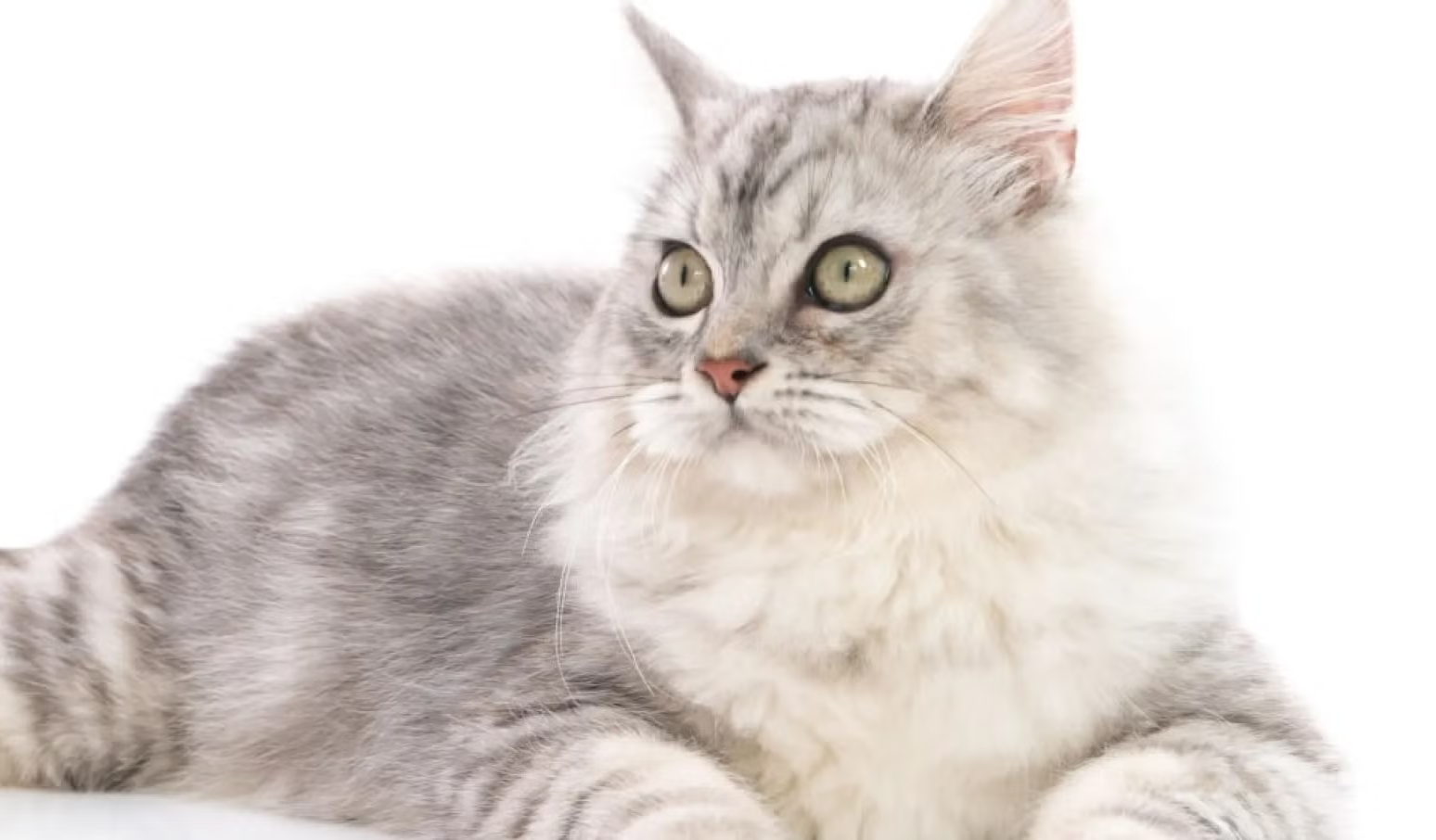
Accurate clinical assessment of the feline patient relies on the evaluation of key phenotypic and physiological markers. Because cats naturally hide signs of illness (cryptic pathology), clinicians must rely on objective biomarkers to detect early systemic imbalances.
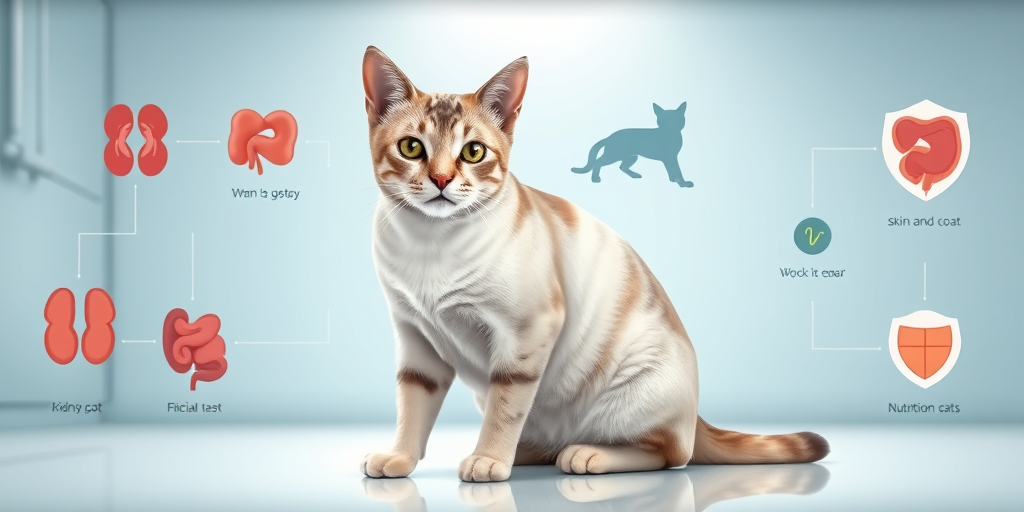
                           [Systemic Homeostatic Check]
                                        │
         ┌──────────────────────────────┼──────────────────────────────┐
         ▼                              ▼                              ▼
[Dermatological Matrix]         [Ocular & Mucosal]             [Metabolic Dynamics]
- Sebum Distribution            - Scleral/Conjunctival Clarity - Baseline Mass Stability
- Follicular Tensile Strength   - Corneal Hydration Dynamics   - Energy/Vitality Index
The Dermatological Matrix and Integumentary Health
The feline skin and coat act as a direct mirror of internal metabolic efficiency and nutritional status.
-
Sebum Architecture: Healthy skin relies on an uninterrupted layer of sebum produced by sebaceous glands. This lipid barrier consists of cholesterol, phospholipids, and free fatty acids. It waterproofs the coat, aids in thermoregulation, and acts as an antimicrobial shield.
-
Follicular Health: A glossy, resilient coat indicates adequate intake of sulfur-containing amino acids (methionine and cystine). Excessive shedding, patchy alopecia, or symmetric hair loss often points to nutritional deficiencies, systemic stress, or endocrine disorders like hyperthyroidism.
Ocular Clarity and Mucosal Hemodynamics
The eyes and mucous membranes offer immediate insight into a cat’s cardiovascular, hydration, and immunological status.
-
Ocular Fluid Dynamics: The cornea must remain transparent, backed by balanced aqueous humor production. Any corneal cloudiness (edema), blepharospasm, or excessive tearing (epiphora) requires immediate assessment for corneal ulcers or uveitis.
-
Mucosal Perfusion: Normal mucous membranes should be pink and moist, with a Capillary Refill Time (CRT) under 2 seconds. Pale, icteric (yellow), or cyanotic (blue) mucous membranes indicate immediate medical emergencies like anemia, hepatic failure, or hypoxia.
Advanced Preventative Medicine and Immunology
Protecting a cat’s long-term health requires a proactive approach built on robust vaccination schedules, regular deworming, and consistent veterinary diagnostics.
[Neonatal Passive Immunity] ──► [Primary Core Series] ──► [Adulthood Titers/Boosters]
Advanced Immunology and Vaccinology
Vaccination strategies must balance strong protective immunity against the risk of adverse reactions, such as Feline Injection-Site Sarcomas (FISS).
-
The FVRCP Core Triad: This core vaccine protects against Feline Viral Rhinotracheitis (caused by feline herpesvirus-1), Calicivirus, and Panleukopenia. Initial puppy/kitten series must begin around 6–8 weeks of age, with boosters administered every 3–4 weeks until 16–20 weeks to overcome maternal antibody interference.
-
Non-Core Stratification: Vaccines like Feline Leukemia Virus (FeLV) are highly recommended for cats with outdoor access or those living in multi-cat environments. Clinicians should use non-adjuvanted recombinant or modified-live vaccines to minimize chronic tissue inflammation.
Parasitology and Eradication Protocols
Internal and external parasites cause significant direct damage and act as vectors for severe systemic diseases.
-
Endoparasite Control: Regular deworming protocols should target common nematodes (Toxocara cati, Ancylostoma tubaeforme) and cestodes. Fecal flotation testing using zinc sulfate centrifugation remains the diagnostic gold standard.
-
Ectoparasite Management: Year-round preventative treatment using macrocyclic lactones (such as selamectin or moxidectin) or isoxazolines is crucial. These treatments protect against fleas (Ctenocephalides felis), ticks, and ear mites (Otodectes cynotis), preventing complications like Flea Allergy Dermatitis (FAD) and hemotrophic mycoplasmosis.
Gastrointestinal Motility, Nutrition, and Pathology
The feline digestive tract is optimized for a high-protein, high-fat diet. Deviation from these natural evolutionary requirements often leads to metabolic and gastrointestinal disease.
                                [Gastrointestinal Disorders]
                                             │
      ┌──────────────────────────────────────┴──────────────────────────────────────┐
      ▼                                                                             ▼
[Feline Constipation]                                                         [Nutritional Deficiencies]
Pathology: Prolonged transit time drives                                      Pathology: Lack of animal-derived taurine
dehydration, causing mechanical blockages.                                    leads to dilated cardiomyopathy (DCM).
The Pathophysiological Mechanics of Feline Constipation
Feline constipation is an accumulation of dry, hard feces in the large intestine. If left unmanaged, chronic stretching of the colon damages the smooth muscle networks, progressing to permanent obstipation and megacolon.
-
Etiological Drivers: Chronic dehydration, low-fiber diets, spinal or pelvic osteoarthritis (which makes squatting painful), and excessive hair ingestion (trichobezoars) all slow down gastrointestinal transit.
-
Clinical Interventions: Treatment requires a multi-step approach. Mild cases can be managed with increased water intake and osmotic laxatives like lactulose ($0.5\text{–}1.0\text{ mL/kg}$ PO q8-12h). Severe blockages require intravenous fluid therapy and careful veterinary enemas under sedation.
Critical Safety Warning: Never use human over-the-counter sodium phosphate enemas (such as Fleet enemas) in cats. They cause rapid, life-threatening hyperphosphatemia and hypocalcemia.
Nutritional Biochemistry of the Obligate Carnivore
Cats cannot synthesize several vital nutrients from plant-based materials, making them strictly dependent on animal tissues for survival.
-
The Critical Role of Taurine: Unlike omnivores, cats cannot synthesize taurine from cysteine due to low levels of the necessary enzymes (sulfinoalanine decarboxylase). A deficiency in taurine causes central retinal degeneration and Dilated Cardiomyopathy (DCM).
-
Arginine and Nitrogen Metabolism: Cats require high levels of dietary protein and lack the ability to down-regulate urea cycle enzymes. A single meal completely lacking arginine can lead to severe hyperammonemia (ammonia poisoning) within hours, as the body cannot safely process protein waste.
Advanced Genetics and Morphological Breed Profiles
Spontaneous genetic mutations have led to several distinct feline breeds. Managing these breeds requires a deep understanding of their unique genetic traits and physical needs.
                      [Genetic Classifications]
                                  │
         ┌────────────────────────┴────────────────────────┐
         ▼                                                 ▼
[Dominant Mutations]                              [Recessive Mutations]
- Donskoy (Hbl gene)                              - Canadian Sphynx (hr gene)
- Alters entire F1 generation                     - Requires homozygous pairing
The Genetic Architecture of the Donskoy Cat
The Donskoy (or Russian Hairless) is defined by a dominant mutation that causes a form of ectodermal dysplasia, setting it apart from other hairless breeds.
-
The Dominant $Hbl$ Gene: Because the hairless trait in the Donskoy is dominant ($Hbl$), outcrossing a heterozygous Donskoy to a standard domestic shorthair will pass the hairless or altered-coat phenotype to approximately $50\%$ of the $F_1$ generation. This differs fundamentally from the Canadian Sphynx, which relies on a recessive mutation ($hr$).
-
Coat Spectrum Expressivity: Depending on genetic modifiers, Donskoys fall into four distinct coat categories: Rubber Bald (born completely hairless), Flocked (covered in a fine down), Velour (retaining minor hair on the extremities), and Brush (wiry, bristly hair used exclusively in preservation breeding programs).
Dermatological and Metabolic Care for Hairless Breeds
The absence of a protective hair coat significantly alters a cat’s metabolism and skin care requirements.
-
Sebaceous Gland Management: Sebaceous glands continue to produce normal amounts of sebum, which quickly accumulates on the skin without fur to absorb it. Regular, gentle bathing with a pH-balanced, non-stripping veterinary shampoo is required every 1–2 weeks to prevent pore blockages, blackheads, and opportunistic yeast infections (Malassezia dermatitis).
-
Thermoregulatory Energy Needs: Hairless cats lose body heat rapidly through radiation. To maintain their core body temperature, they have a higher basal metabolic rate and require a calorie-dense diet rich in premium proteins and fats.
Major Systemic and Metabolic Pathologies
As cats age, they become highly susceptible to several chronic metabolic conditions that require careful long-term management.
Chronic Kidney Disease (CKD)
Chronic Kidney Disease involves the progressive loss of functional nephrons. It is a leading cause of illness and mortality in aging cats.
-
Early Biomarkers: Traditional markers like blood urea nitrogen (BUN) and creatinine often remain normal until roughly $75\%$ of kidney function is lost. Evaluating Symmetric Dimethylarginine (SDMA) allows clinicians to detect kidney decline much earlier, often when only $25\text{–}40\%$ of function has been compromised.
-
Clinical Signs: Cats typically present with a reduced ability to concentrate urine, leading to compensatory polyuria (excessive urination) and polydipsia (excessive drinking), along with progressive weight loss and muscle wasting.
Feline Lower Urinary Tract Disease (FLUTD)
FLUTD covers a range of conditions affecting the bladder and urethra, with Feline Idiopathic Cystitis (FIC) accounting for the majority of cases.
[Environmental Stress / High Cortisol] ──► [Neurogenic Bladder Inflammation] ──► [Urethral Spasm / Mucous Plugging]
-
Obstructive Crisis: Male cats are at a high risk for life-threatening urethral obstructions caused by a combination of mineral crystals (like struvite or calcium oxalate), mucous plugs, and urethral spasms. This prevents urine elimination, quickly leading to acute kidney injury, severe hyperkalemia (high potassium levels), and cardiac arrest if not treated immediately.
-
Long-Term Strategy: Successful management relies on reducing stress, increasing environmental enrichment, and switching the cat to a high-moisture diet to dilute the urine and decrease the concentration of inflammatory materials.
Veterinary Clinical Care Summary
| Target System | Core Diagnostic Tool | Primary Disease Threat | Key Preventive / Treatment Protocol |
| Integumentary | Wood’s Lamp / Skin Scraping | Dermatophytosis / Malassezia | Routine pH-balanced bathing; topical antimicrobials. |
| Gastrointestinal | Abdominal Radiography | Obstipation / Megacolon | Aggressive IV rehydration; osmotic laxatives; high-moisture diets. |
| Immunological | Serum Antibody Titers / PCR | FVRCP Core Pathogens | Structured core vaccine series; low-adjuvant protocols. |
| Renal / Urinary | SDMA / Urinalysis ($USG$) | Chronic Kidney Disease (CKD) | Early renal biomarkers; subcutaneous fluids; renal-support diets. |
FAQ
1. What makes feline medicine different from dog or human medicine?
Feline medicine is unique because cats are obligate carnivores with highly specialized metabolism, behavior, and disease expression. They require nutrients such as taurine and arginine from animal tissues, have a naturally low thirst drive, and often hide signs of illness until disease is advanced. This means prevention, early diagnostics, and close monitoring of subtle behavioral or physical changes are central to good feline healthcare.
2. Why are cats called obligate carnivores?
Cats are classified as obligate carnivores because their bodies are biologically designed to rely on nutrients found primarily in animal tissue. They cannot efficiently synthesize enough taurine, cannot handle prolonged low-protein diets well, and have limited ability to adapt to plant-heavy nutrition. Their metabolism is built around constant protein use, which is why balanced meat-based nutrition is essential for long-term health.
3. Why do cats hide signs of illness so well?
Cats are evolutionarily programmed to mask weakness because obvious illness could make them vulnerable in the wild. As a result, pain, nausea, urinary discomfort, and even serious chronic disease may present only as subtle changes such as hiding, reduced grooming, sleeping more, irritability, litter box changes, decreased jumping, or eating slightly less. This is why owners and veterinarians must pay attention to small behavioral shifts.
4. What are the most important signs of a healthy cat?
A healthy cat usually shows:
- A glossy, clean coat with minimal dandruff or greasy buildup
- Clear eyes without cloudiness, squinting, or heavy discharge
- Pink, moist gums with normal capillary refill
- Stable body weight and muscle condition
- Good appetite and hydration
- Normal urination and defecation
- Consistent grooming behavior
- Comfortable movement without stiffness or reluctance to jump
- Alert but relaxed behavior with normal social interaction for that cat’s personality
5. What can a cat’s skin and coat reveal about overall health?
The skin and coat often reflect internal health. A shiny coat and resilient skin suggest good nutrition and metabolic stability. Excessive shedding, brittle fur, greasy buildup, dandruff, patchy hair loss, or symmetrical alopecia may point to stress, poor diet, parasites, allergies, infection, endocrine disease, or chronic systemic illness. In hairless breeds, skin oil accumulation can also reveal whether the bathing and skin-care routine is adequate.
6. What eye and gum changes should never be ignored in cats?
You should seek veterinary attention if you notice:
- Cloudy eyes
- Squinting or keeping one eye closed
- Redness or swelling around the eye
- Excessive tearing or discharge
- Pale gums
- Yellow gums or eye whites
- Blue, gray, or very dark gums
- Dry tacky mucous membranes
These changes may signal dehydration, corneal ulceration, anemia, liver disease, poor oxygenation, infection, or other urgent systemic problems.
7. Why is mucous membrane color important in feline health assessment?
Mucous membrane color gives fast insight into circulation, oxygen delivery, hydration, and organ function. Healthy gums are pink and moist. Pale gums may indicate anemia or shock, yellow gums may suggest jaundice or liver disease, and blue-tinged gums can signal inadequate oxygenation. In veterinary settings, gum color and capillary refill time are core triage indicators.
8. What is the FVRCP vaccine and why is it considered core for cats?
FVRCP is a core feline vaccine that protects against three major infectious diseases:
- Feline Viral Rhinotracheitis (commonly linked to feline herpesvirus-1)
- Feline Calicivirus
- Feline Panleukopenia
These pathogens can cause severe respiratory disease, oral disease, systemic illness, and in some cases life-threatening complications. Because they are common and potentially dangerous, FVRCP is considered a foundation vaccine for most cats.
9. When should kittens start their vaccination series?
Kittens typically begin their core vaccination series at around 6 to 8 weeks of age. Boosters are then repeated every 3 to 4 weeks until approximately 16 to 20 weeks of age. This repeated schedule is important because maternal antibodies can interfere with vaccine response early in life, so the series helps ensure the kitten develops reliable immunity once maternal protection fades.
10. Why do kittens need multiple vaccine boosters instead of just one shot?
A single early vaccine may not provide dependable protection because maternal antibodies passed from the mother can block the kitten’s immune response. Since the timing of maternal antibody decline varies between kittens, a series of boosters is used to create a safe “coverage window” so immunity develops when the kitten becomes capable of responding effectively.
11. Is the FeLV vaccine necessary for every cat?
Not always, but it is strongly considered for cats with outdoor exposure, cats in multi-cat households, foster cats, rescue cats with unknown histories, and young cats at higher exposure risk. FeLV spreads through close contact and can cause severe immune suppression, anemia, and cancer-related complications. A veterinarian will assess the cat’s lifestyle and risk profile before recommending it.
12. Why do some veterinarians prefer non-adjuvanted vaccines for cats?
Cats are more sensitive than many species to chronic injection-site inflammation. In some cases, persistent inflammation has been associated with feline injection-site sarcoma risk. Non-adjuvanted vaccines are often preferred when available because they may reduce inflammatory burden while still offering effective immune protection in appropriate situations.
13. How often should cats be dewormed?
The answer depends on age, lifestyle, exposure risk, and local parasite prevalence. Kittens generally need a more frequent deworming schedule because they are more vulnerable to intestinal parasites. Adult cats may require periodic deworming or targeted treatment based on fecal testing, outdoor access, flea exposure, hunting behavior, or household risk factors. A veterinarian can build a schedule tailored to the cat’s environment.
14. What are the most common internal parasites in cats?
Common intestinal parasites include:
- Toxocara cati
- Ancylostoma tubaeforme and other hookworms
- Tapeworms such as Dipylidium caninum
Some parasites cause obvious digestive signs, but others produce only mild or intermittent symptoms. Weight loss, diarrhea, a pot-bellied appearance, poor growth, vomiting, and scooting can all be associated with parasitism.
15. Why are fleas more dangerous than many owners realize?
Fleas are not just an itchy nuisance. They can trigger flea allergy dermatitis, cause significant skin inflammation, contribute to anemia in vulnerable kittens, and act as vectors for other disease processes. Flea ingestion can also transmit tapeworms such as Dipylidium caninum. Because fleas are so clinically important, year-round prevention is often recommended rather than seasonal-only control.
16. What parasite preventives are commonly used in cats?
Veterinarians commonly use parasite prevention products from groups such as macrocyclic lactones and isoxazolines, depending on the target parasites and the cat’s health profile. These may protect against fleas, mites, some intestinal parasites, and sometimes ticks depending on the product. Choice of preventive should always match the cat’s age, body weight, health status, and exposure risk.
17. Why is taurine so important for cats?
Taurine is an essential amino acid-like nutrient for cats because they cannot make enough of it on their own. It is critical for heart function, retinal health, bile acid conjugation, and multiple metabolic processes. Chronic taurine deficiency can contribute to dilated cardiomyopathy, retinal degeneration, reproductive failure, and general decline. This is one reason properly formulated feline diets are so important.
18. What happens if a cat doesn’t get enough arginine?
Arginine is crucial in the urea cycle, which allows the body to safely process nitrogen waste from protein metabolism. Cats have a high requirement for arginine, and a severe deficiency can lead to dangerous ammonia buildup in the bloodstream. This can happen rapidly and may cause neurologic signs, drooling, vomiting, weakness, and collapse. Balanced feline nutrition prevents this problem.
19. Why are high-protein diets generally appropriate for healthy cats?
Cats are metabolically adapted to using protein as a major energy source. Their liver continuously processes amino acids, and unlike some other animals, they do not “turn down” protein metabolism efficiently during low intake periods. High-quality, balanced protein helps maintain lean muscle mass, immune function, tissue repair, and overall metabolic stability.
20. Why is hydration such a major issue in feline health?
Cats evolved from desert-adapted ancestors and naturally have a low thirst drive. Many cats do not voluntarily drink enough water, especially if fed dry food only. Chronic mild dehydration can worsen urinary issues, contribute to constipation, and place additional strain on kidney function. Encouraging moisture intake is one of the most important long-term health strategies in cats.
21. Is wet food better than dry food for cats?
Wet food is often beneficial because it dramatically increases moisture intake, which can support urinary health, hydration, and stool quality. However, the best diet depends on the cat’s age, medical conditions, calorie needs, and digestive tolerance. Some cats do well on a mixed feeding plan, while others benefit from a predominantly wet-food strategy, especially if they have kidney disease, constipation, or lower urinary tract disease.
22. What is feline constipation and why can it become serious?
Feline constipation occurs when stool remains in the colon too long, allowing the colon to absorb excess water. This makes the stool dry, hard, and difficult to pass. If not addressed, constipation can progress to obstipation or megacolon, where the colon becomes chronically stretched and loses its ability to move feces normally. Severe cases may require hospitalization, rehydration, enemas, or long-term medication.
23. What are the common causes of constipation in cats?
Constipation can be driven by:
- Chronic dehydration
- Low-moisture diets
- Painful arthritis that makes squatting difficult
- Hair ingestion and hairball-related stool compaction
- Chronic kidney disease
- Obesity and inactivity
- Stress or litter box avoidance
- Pelvic narrowing or neurologic disease in some cases
Because there are many possible causes, recurrent constipation should not be dismissed as a simple digestive inconvenience.
24. What are the signs that a constipated cat needs veterinary attention?
Seek veterinary care if a cat is:
- Straining repeatedly in the litter box with little or no stool output
- Producing very small hard stools or no stool at all
- Vomiting
- Lethargic or refusing food
- Crying while trying to defecate
- Passing only mucus or tiny amounts of liquid around a blockage
- Showing abdominal discomfort or hiding
A cat that repeatedly enters the litter box without producing urine also needs urgent evaluation, because urinary obstruction can look similar and is life-threatening.
25. Why are human enemas dangerous for cats?
Many over-the-counter human enemas contain sodium phosphate, which is extremely dangerous for cats. These products can cause severe electrolyte disturbances, including life-threatening hyperphosphatemia and hypocalcemia. Enemas in cats should only be performed under veterinary guidance with feline-safe solutions.
26. What is megacolon in cats?
Megacolon is a severe condition in which the colon becomes abnormally enlarged and loses muscular tone. The colon can no longer move stool effectively, so feces accumulate and dry out further. Some cases respond to aggressive medical management, while others become chronic and may eventually require surgical intervention. Early management of constipation lowers the risk of progression.
27. What is CKD and why is it so common in older cats?
Chronic Kidney Disease (CKD) is a progressive loss of functional kidney tissue over time. It is especially common in aging cats and often develops gradually. Because the kidneys are responsible for filtering waste, regulating water balance, and maintaining electrolyte stability, declining kidney function can affect nearly every body system. Cats with CKD often show increased thirst, increased urination, weight loss, muscle wasting, and reduced appetite.
28. Why is SDMA important in kidney disease screening?
SDMA is a biomarker that may detect kidney dysfunction earlier than traditional markers such as BUN and creatinine. This matters because creatinine can remain normal until a large amount of kidney function has already been lost. Earlier recognition of kidney decline gives veterinarians more time to intervene with diet changes, hydration support, blood pressure monitoring, and other management strategies.
29. What are the earliest signs of kidney disease owners might notice at home?
Common early home signs include:
- Drinking more water
- Urinating larger volumes
- Gradual weight loss
- Reduced muscle mass over the spine or hips
- Mild decrease in appetite
- Intermittent vomiting
- Poor coat quality
These changes are often subtle at first, which is why routine senior bloodwork and urinalysis are so valuable.
30. What is FLUTD in cats?
FLUTD stands for Feline Lower Urinary Tract Disease, a broad term for conditions affecting the bladder and urethra. It includes problems such as idiopathic cystitis, crystal-associated irritation, mucus plugs, and urethral obstruction. FLUTD can cause painful urination, blood in the urine, inappropriate urination outside the litter box, straining, frequent trips to the box, and vocalizing while urinating.
31. Why is urinary blockage an emergency in male cats?
Male cats have a narrow urethra, which makes them especially vulnerable to complete urinary obstruction from crystals, mucus plugs, inflammation, or urethral spasm. Once blocked, the cat cannot eliminate urine. Toxins and potassium build up rapidly, the bladder becomes dangerously overdistended, and the condition can lead to kidney injury, heart rhythm disturbances, collapse, and death if not treated quickly.
32. What are the warning signs of a possible urinary obstruction?
Emergency signs include:
- Repeated straining in the litter box with little or no urine
- Vocalizing while trying to urinate
- Frequent unsuccessful trips to the box
- Licking the genital area excessively
- Restlessness, hiding, or agitation
- Vomiting or collapse in advanced cases
If you suspect blockage, the cat should be seen immediately—do not wait.
33. What is feline idiopathic cystitis (FIC)?
FIC is a common cause of lower urinary tract signs in cats and is associated with bladder inflammation that occurs without a bacterial infection or obvious structural cause. Stress plays a major role in many cases. Cats with FIC may urinate frequently, strain, urinate outside the litter box, show blood in the urine, or appear uncomfortable. Management often focuses on stress reduction, hydration, and environmental support.
34. How does stress affect urinary disease in cats?
Stress can alter bladder inflammation pathways, hormone signaling, and behavior. In susceptible cats, environmental stressors may trigger flare-ups of FIC or worsen urinary signs. Common stressors include changes in routine, conflict with other pets, inadequate litter box access, lack of enrichment, loud noise, or household disruption. This is why urinary care often includes both medical treatment and environmental modification.
35. What environmental changes help cats with urinary problems?
Helpful changes often include:
- Feeding more wet food to increase water intake
- Adding water fountains or multiple water stations
- Improving litter box hygiene and accessibility
- Following the “number of litter boxes = number of cats + 1” rule
- Reducing inter-cat conflict
- Providing hiding spaces, climbing options, and predictable routines
- Using puzzle feeders and enrichment activities
These steps can reduce stress and support better urinary health over time.
36. What is special about the Donskoy cat compared with the Canadian Sphynx?
Although both may appear hairless, they are genetically distinct breeds. The Donskoy’s hairlessness is associated with a dominant mutation, whereas the Canadian Sphynx hairless trait is classically associated with a recessive mutation. The Donskoy also has its own structural standards, coat-expression spectrum, and breed history, so it should not be treated as simply another version of the Sphynx.
37. What coat types can occur in Donskoy cats?
Donskoy cats can show several coat expressions depending on how the hairless trait is expressed, including:
- Rubber Bald
- Flocked
- Velour
- Brush
Some kittens are born nearly hairless, while others lose more of their coat over time or retain limited bristly hair in certain areas. This variability is part of the breed’s defining genetic expression.
38. Do hairless cats require less grooming?
No. Hairless cats often require more skin maintenance than coated cats because they still produce sebum, but there is little or no fur to absorb it. Oil, debris, and sweat-like residue can accumulate on the skin, in wrinkles, around nail beds, and on the tail. Without regular cleaning, this can contribute to blackheads, irritation, odor, and secondary skin infections.
39. How often should a hairless cat be bathed?
Bathing frequency varies by individual oil production, but many hairless cats need gentle bathing every 1 to 2 weeks. Daily or frequent wiping of skin folds may also be helpful. Products should be mild, non-stripping, and appropriate for feline skin. Over-bathing with harsh shampoos can damage the skin barrier and actually worsen irritation or oil imbalance.
40. Why do hairless cats often need more calories?
Without an insulating fur coat, hairless cats lose heat more easily and may use more energy to maintain body temperature. This can increase caloric needs compared with similarly sized coated cats. Diet quality still matters, so the goal is not just more calories, but highly digestible, balanced nutrition with strong protein quality and adequate fat.
41. What are the most important long-term preventative care steps for cats?
A strong feline preventative care plan usually includes:
- Core vaccination planning
- Lifestyle-based parasite prevention
- Routine fecal testing when indicated
- Weight and muscle condition monitoring
- Dental care
- High-moisture, nutritionally balanced feeding
- Litter box monitoring
- Senior bloodwork and urinalysis
- Early evaluation of any vomiting, urinary change, constipation, or appetite shift
Preventative care works best when owners track subtle trends rather than waiting for dramatic illness.
42. How often should healthy adult cats see a veterinarian?
Most healthy adult cats benefit from at least annual wellness exams. Senior cats, cats with chronic disease, and cats on long-term medication often need more frequent monitoring. Routine visits are not only for vaccines—they are also important for weight checks, oral exams, blood pressure assessment, laboratory screening, and catching disease before it becomes advanced.
43. What health problems become more common as cats age?
Older cats are at increased risk for:
- Chronic Kidney Disease
- Hyperthyroidism
- Arthritis and degenerative joint disease
- Dental disease
- Constipation
- Muscle loss and weight loss
- Hypertension
- Diabetes in some individuals
- Cancer and chronic inflammatory disease
Because many senior conditions progress gradually, regular screening becomes more important with age.
44. Why is monitoring body weight and muscle condition so important in cats?
Small changes in body weight can be clinically meaningful, especially in cats because they often hide illness. Slow weight loss may be one of the earliest signs of kidney disease, gastrointestinal disease, hyperthyroidism, cancer, or chronic pain. Muscle loss over the spine and hips can occur even when total body weight seems stable, so body condition scoring and muscle condition scoring are both useful.
45. When should a cat owner seek immediate veterinary care instead of waiting?
Immediate veterinary care is warranted if a cat has:
- Repeated vomiting
- Inability to urinate or repeated straining with no urine produced
- Severe lethargy or collapse
- Difficulty breathing
- Sudden blindness, disorientation, or seizures
- Pale, blue, or yellow gums
- Major trauma
- Refusal to eat combined with weakness or vomiting
- Severe abdominal pain or repeated unsuccessful litter box visits
In cats, waiting too long can turn a manageable issue into a medical emergency very quickly.