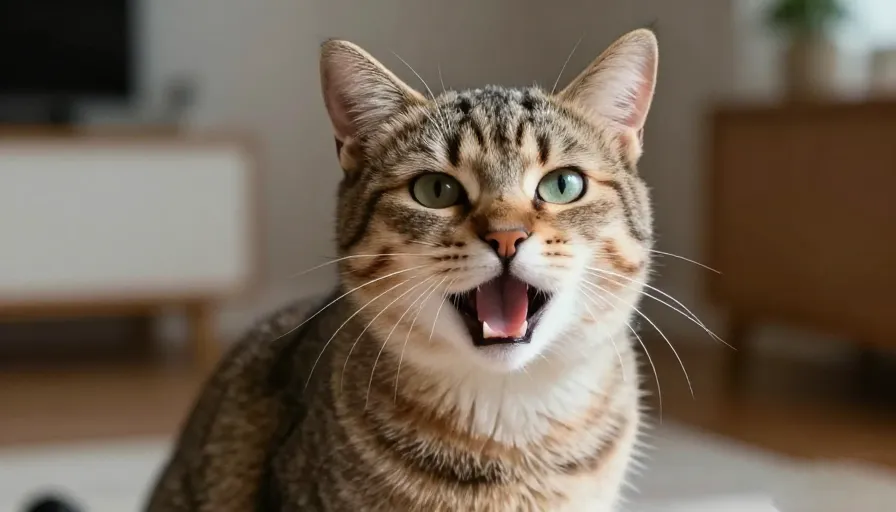
When a female cat exhibits a sudden, acute increase in vocalization (meowing or yowling), it serves as an acoustic diagnostic marker. While some cat breeds (e.g., Siamese, Bengal) possess a high baseline for vocalization, a sudden behavioral shift across any breed typically signals underlying physiological distress, hormonal surges, or neurological degradation.
The Etiological Matrix of Excessive Meowing
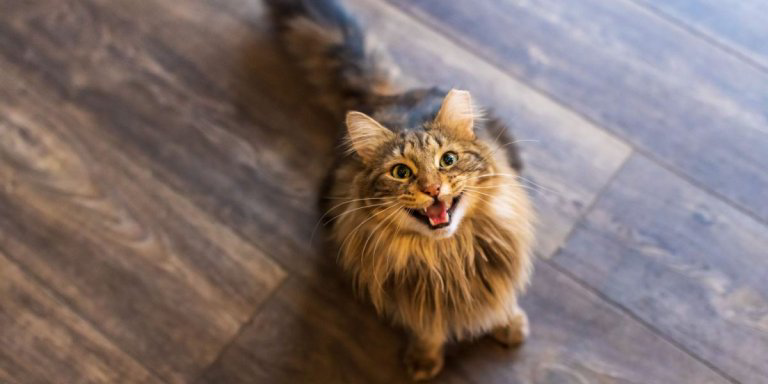
                 [Sudden Feline Vocalization]
                              │
       ┌──────────────────────┼──────────────────────┐
       ▼                      ▼                      ▼
 [Physiological]         [Pathological]        [Neurological]
 • Estrus (In Heat)      • Endocrine (Thyroid) • Cognitive Dysfunction
 • Nutrient Deficit      • Renal / Urinary     • Sensory Decline
 • Ambient Stress        • Acute Pain Matrix   • Disorientation
1. Reproductive System: Estrus (In Heat)
In unspayed female cats, sudden loud, aggressive yowling is frequently a mating call triggered by estrus.
-
Behavioral Markers: The cat will display intense affection, roll on her back, and assume lordosis (arching the back, tilting the pelvis upward, and deflecting the tail to one side) when touched. This posture is an involuntary neuromuscular invitation to male suitors.
2. Environmental & Psychological Distress: Boredom and Separation Anxiety
Cats are highly sensitive to environmental consistency. Chronic under-stimulation or abrupt changes in human presence can manifest as attention-seeking vocalization.
-
Mitigation Strategy: Introduce environmental enrichment via interactive food puzzles and a rotating toy schedule. Practice extinction protocols by ignoring vocal outbursts and offering positive reinforcement (tactile affection, low-calorie treats) strictly during periods of calm.
3. Metabolic Demands: Real or Perceived Hunger
An empty food bowl triggers vocalization, but chronic begging can also stem from an altered metabolic state.
-
Clinical Differentiation: True hunger can be managed by splitting the daily caloric intake into 4 to 6 micro-meals using automated feeders. If the cat exhibits relentless begging despite meeting caloric requirements, look for secondary endocrine triggers or pharmaceutical side effects.
4. Environmental Stressors
Felines thrive on strict routine. Sudden vocalization can be an acoustic expression of elevated cortisol levels due to domestic changes.
-
Primary Stressors: Relocating to a new home, home renovations, loud continuous noises, the addition of a new pet/human family member, or territory disputes with neighborhood cats.
5. Acute or Chronic Pain Matrix
As solitary predators, cats naturally mask signs of weakness or pain to prevent predation. When a domestic cat openly yowls or hisses during touch, it indicates that their pain has breached their behavioral coping threshold.
-
Pathology Examples: Soft tissue trauma, arthritis, or occult fractures require immediate veterinary assessment and targeted analgesic protocols.
6. Systemic Illnesses and Metabolic Disorders
Several severe internal pathologies directly drive sudden, frantic vocalization:
-
Hyperthyroidism: An overactive thyroid gland spikes the metabolic rate, causing ravenous hunger (polyphagia), rapid weight loss, hyperactivity, and loud howling.
-
Feline Lower Urinary Tract Disease (FLUTD) / Cystitis: Urethral inflammation or partial blockages cause intense pain. Cats will cry loudly while straining in or near the litter box.
-
Chronic Kidney Disease (CKD) & Diabetes Mellitus: Both conditions trigger extreme thirst (polydipsia), causing the cat to hang around water sources and meow constantly for fresh water.
-
Feline Hyperesthesia Syndrome (FHS): A complex neuromuscular condition where the skin along the spine ripples under light touch, causing the cat to vocalize, hallucinate, or frantically self-groom.
7. Central Nervous System Decay: Feline Cognitive Dysfunction (FCD)
In geriatric felines, deteriorating brain tissue leads to cat dementia, or Feline Cognitive Dysfunction.
-
Clinical Presentation: Severe spatial disorientation, altered sleep-wake cycles (causing intense vocalization and pacing at night), clumsiness, and inappropriate elimination outside the litter box.
Diagnostic Triage Protocol for Pet Owners
If your female cat’s vocalization patterns change abruptly, use this structured sequence to determine when to seek veterinary care:
Critical Warning: Never isolate or verbally punish a cat for excessive meowing. If the vocalization is driven by pain, urinary blockage, or cognitive panic, punishment will elevate their stress, accelerate their heart rate, and worsen their underlying medical condition.
FAQ
1. Why is my female cat suddenly meowing so much?
A sudden increase in vocalization can indicate several underlying causes, including being in heat, hunger, stress, boredom, pain, illness, hormonal imbalances, or age-related cognitive decline. Any abrupt behavioral change should be evaluated carefully.
2. Is excessive meowing normal in female cats?
Occasional vocalization is normal, but a sudden or dramatic increase in meowing is often a sign that something has changed physically, emotionally, or environmentally. Identifying the cause is important for your cat’s well-being.
3. Why do female cats meow loudly when in heat?
When an unspayed female cat enters estrus (heat), hormonal changes trigger loud yowling and calling behaviors intended to attract male cats. This vocalization is a natural part of the reproductive cycle.
4. How can I tell if my female cat is in heat?
Common signs include:
- Loud, persistent yowling
- Increased affection
- Excessive rubbing against objects
- Rolling on the floor
- Elevated hindquarters
- Tail held to one side
- Increased restlessness
5. What is lordosis in cats?
Lordosis is a mating posture displayed by female cats in heat. The cat arches her back, raises her hindquarters, and moves her tail to one side, making mating physically possible.
6. How long does a cat stay in heat?
A heat cycle typically lasts several days to two weeks. If mating does not occur, the cycle may repeat every few weeks during breeding season.
7. Can spaying stop excessive heat-related meowing?
Yes. Spaying eliminates heat cycles and usually resolves the loud vocalizations associated with estrus while also preventing unwanted pregnancies.
8. Can boredom cause excessive meowing?
Yes. Cats that lack mental stimulation, physical exercise, or environmental enrichment may vocalize excessively to seek attention and activity.
9. How can I reduce boredom-related meowing?
Helpful solutions include:
- Interactive toys
- Puzzle feeders
- Climbing structures
- Window perches
- Scheduled play sessions
- Rotating toys regularly
10. Why does my cat meow when left alone?
Some cats develop separation-related distress and vocalize when their favorite person leaves. This behavior may increase if routines change suddenly or if the cat spends long periods without interaction.
11. Can hunger make a cat meow constantly?
Yes. Cats commonly vocalize when hungry. However, persistent begging despite adequate feeding may indicate an underlying medical condition or behavioral habit.
12. How can I tell if my cat is truly hungry?
Signs of genuine hunger include:
- Finishing meals quickly
- Searching for food
- Weight loss
- Increased appetite
- Food-seeking behavior throughout the day
13. What are micro-meals for cats?
Micro-meals involve dividing a cat’s daily food allowance into several smaller portions throughout the day. This feeding strategy can help reduce hunger-related vocalization and support natural feeding patterns.
14. Can stress cause excessive meowing?
Absolutely. Cats are highly sensitive to environmental changes. Stress often triggers increased vocalization as a coping mechanism or distress signal.
15. What household changes commonly trigger stress-related meowing?
Common stressors include:
- Moving to a new home
- Renovations
- Loud noises
- New pets
- New family members
- Changes in routine
- Outdoor territorial conflicts
16. Why does my cat meow more after moving house?
Relocation disrupts a cat’s sense of territory and security. Increased vocalization often reflects anxiety, confusion, and attempts to re-establish familiarity with the environment.
17. Can pain cause excessive vocalization?
Yes. Cats experiencing pain may cry, yowl, growl, hiss, or meow more frequently than usual. Pain-related vocalization often indicates significant discomfort.
18. What painful conditions can cause excessive meowing?
Potential causes include:
- Arthritis
- Soft tissue injuries
- Dental disease
- Fractures
- Internal injuries
- Surgical recovery
- Chronic pain disorders
19. How can I tell if my cat is meowing because of pain?
Warning signs include:
- Reluctance to move
- Hiding
- Aggression when touched
- Limping
- Changes in posture
- Reduced appetite
- Increased sleeping
20. Can hyperthyroidism cause excessive meowing?
Yes. Hyperthyroidism often causes:
- Increased vocalization
- Weight loss
- Hyperactivity
- Increased appetite
- Restlessness
It is one of the most common endocrine disorders in older cats.
21. Why does hyperthyroidism make cats more vocal?
An overactive thyroid gland accelerates metabolism and increases nervous system activity, which can result in restlessness, anxiety, and frequent meowing.
22. Can urinary tract problems cause excessive meowing?
Yes. Conditions such as feline lower urinary tract disease (FLUTD) or cystitis can cause severe pain, leading to crying and vocalization, particularly around the litter box.
23. What signs suggest a urinary emergency?
Seek immediate veterinary care if your cat:
- Strains to urinate
- Produces little or no urine
- Cries in the litter box
- Has blood in the urine
- Makes frequent unsuccessful trips to the litter box
24. Can kidney disease cause excessive meowing?
Yes. Chronic kidney disease may cause increased thirst, discomfort, confusion, and behavioral changes that contribute to excessive vocalization.
25. Why do diabetic cats sometimes meow more?
Diabetes can cause increased thirst, hunger, and discomfort. Cats may vocalize to seek food, water, or attention related to their changing physical condition.
26. What is Feline Hyperesthesia Syndrome?
Feline Hyperesthesia Syndrome (FHS) is a neurological condition that may cause:
- Skin rippling
- Sudden vocalization
- Extreme sensitivity to touch
- Tail chasing
- Excessive grooming
- Unusual behavior episodes
27. Can neurological disorders cause excessive meowing?
Yes. Brain and nervous system disorders can alter behavior, increase confusion, and trigger unusual vocalization patterns.
28. What is Feline Cognitive Dysfunction?
Feline Cognitive Dysfunction (FCD) is a form of age-related cognitive decline similar to dementia in humans. It commonly affects senior cats.
29. Why do elderly cats meow at night?
Senior cats with cognitive dysfunction often experience:
- Disorientation
- Altered sleep cycles
- Memory decline
- Anxiety
These changes frequently result in nighttime pacing and loud vocalization.
30. What are signs of cognitive dysfunction in cats?
Common symptoms include:
- Nighttime yowling
- Wandering aimlessly
- Getting stuck in corners
- Forgetting routines
- House-soiling
- Increased confusion
31. Should I punish my cat for excessive meowing?
No. Punishment can increase stress and worsen the underlying cause, especially if the behavior is related to pain, illness, fear, or confusion.
32. What should I check first if my cat suddenly starts meowing excessively?
Start by evaluating:
- Appetite changes
- Water intake
- Urination habits
- Signs of injury
- Weight changes
- Reproductive status
- Recent environmental changes
33. When should I take my cat to the veterinarian?
Seek veterinary attention if excessive meowing is accompanied by:
- Weight loss
- Pain
- Difficulty urinating
- Appetite changes
- Increased thirst
- Behavioral changes
- Confusion
- Sudden onset without an obvious cause
34. Can environmental enrichment reduce excessive meowing?
Yes. Interactive play, food puzzles, climbing areas, scratching posts, and regular engagement can significantly reduce boredom-related vocalization.
35. What is the most important thing to remember about sudden excessive meowing?
A sudden change in vocal behavior is often a symptom rather than the problem itself. Identifying and addressing the underlying physical, emotional, or environmental cause is essential for protecting your cat’s health and quality of life.