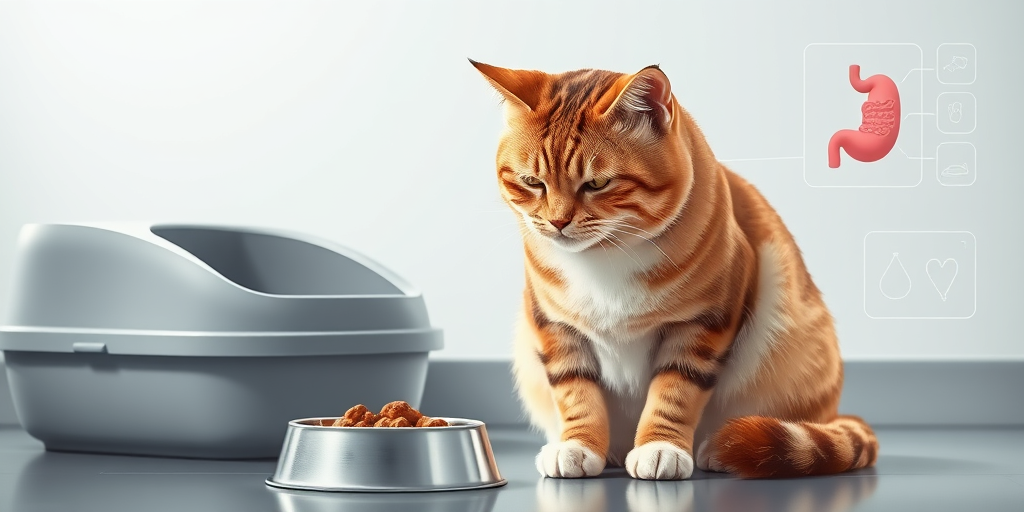
The feline gastrointestinal tract is highly sensitive to sudden changes in diet, toxic items, and pathogens. When the mucosal lining of the stomach (gastric mucosa) or intestines becomes inflamed, it triggers a cascade of physiological responses that manifest as acute abdominal distress.
[Gastric/Intestinal Insult] ──► [Mucosal Inflammation] ──► [Activation of Emetic Center/CRTZ] ──► [Emesis & Ptyalism]
Mechanisms of Emesis and Diarrhea
-
The Vomiting Reflex (Emesis): Cellular damage to the gut lining releases local neurotransmitters (like serotonin), which send warning signals up the vagus nerve to the brain’s chemoreceptor trigger zone (CRTZ) and emetic center. This results in smooth muscle contractions, nausea, and vomiting.
-
Secretory vs. Osmotic Diarrhea:
-
Secretory Diarrhea: Occurs when bacterial toxins or inflammation force epithelial cells to pump excessive water and electrolytes into the gut lumen.
-
Osmotic Diarrhea: Occurs when undigested food particles remain in the intestines (often due to sudden dietary changes). These particles draw water out of the body and into the stool, causing loose, watery diarrhea.
-
Primary Etiologies of Feline Gastric Malady
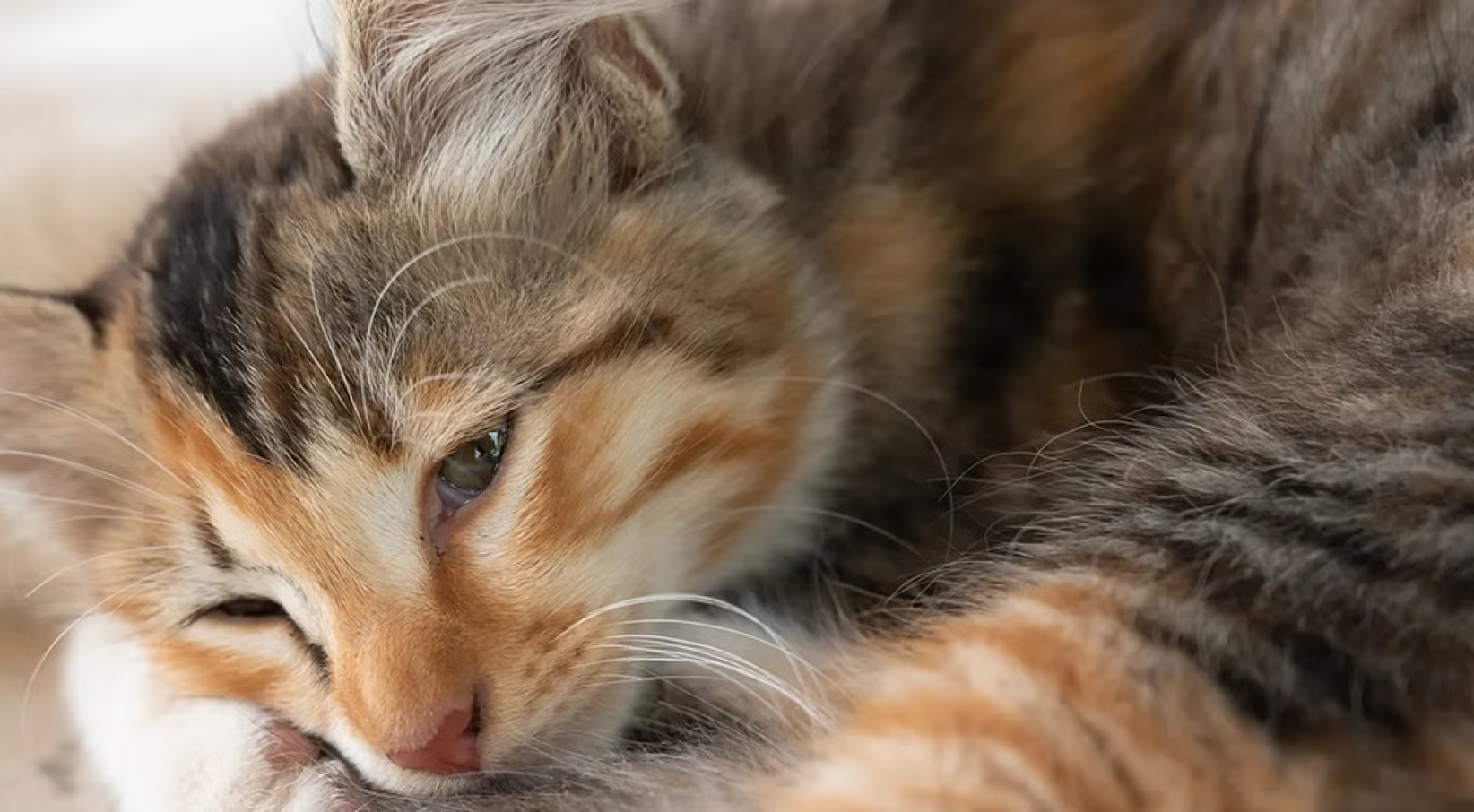
                               [Feline Enteric Insult Vectors]
                                              │
         ┌─────────────────────────┬──────────┴──────────┬─────────────────────────┐
         ▼                         ▼                     ▼                         ▼
[Dietary Indiscretion]   [Abrupt Diet Shift]    [Endoparasitism]         [Systemic Pathology]
Ingestion of plants,     Microbiome shock and   Protozoal/helminthic     Organ failure (CKD/Hepatic)
human food, or debris.   osmotic imbalances.    mucosal damage.          causing metabolic nausea.
1. Dietary Indiscretion (Pica and Allotriophagia)
As natural hunters, cats often explore their environments using their mouths. Ingesting inappropriate materials—such as household plants, complex human foods containing toxic compounds (like alliums or heavy fats), or outdoor grass—irritates the stomach lining, leading to acute gastritis.
2. Acute Microbiome Shock (Rapid Diet Transition)
The feline gut microbiome consists of a delicate balance of specialized bacteria adapted to digest specific nutrient profiles. Changing a cat’s food brand or protein source overnight causes an abrupt shift in the gut environment. The existing bacteria cannot process the new ingredients effectively, resulting in bacterial fermentation, painful gas production, and acute diarrhea.
3. Endoparasitic Infestation
Internal parasites, including roundworms (Toxocara cati), hookworms, and protozoa like Giardia or Tritrichomonas foetus, damage the delicate intestinal villi. This micro-trauma reduces the gut’s ability to absorb nutrients and triggers a localized inflammatory response.
Symptomatology & Clinical Indicators
Cats instinctively hide physical vulnerability and pain. Identifying gastric distress requires recognizing subtle behavioral changes alongside obvious physical symptoms.
Clinical Sign Matrix
| Clinical Sign | Physiological Mechanism | Diagnostic Relevance |
| Ptyalism & Lip Licking | Salivary stimulation triggered by the emetic center in the brainstem. | Early indicator of nausea before vomiting occurs. |
| Anorexia / Inappetence | Inflammatory cytokines suppress appetite pathways in the hypothalamus. | Signals active gastrointestinal pain or metabolic illness. |
| Lethargy & Hiding | Energy diversion toward immune activation and systemic healing. | Indicates moderate to severe pain or systemic involvement. |
| Tenesmus / Frequent Straining | Inflammation of the colon lining (colitis) creates a false sensation of fullness. | Helps differentiate upper GI issues from lower tract diseases. |
Integrated Therapeutics & Preventative Nutrition
Managing feline gastric distress requires a dual approach: providing immediate clinical relief during acute episodes and maintaining long-term digestive health through targeted nutrition.
The 10-Day Progressive Dietary Transition Protocol
To prevent osmotic diarrhea and microbiome shock when changing diets, implement a strict, gradual transition. This allows the intestinal enzymes and microflora to adapt safely to the new nutrient profile.
Day 1-3 [████████░░] ──► Day 4-6 [█████░░░░░] ──► Day 7-9 [██░░░░░░░░] ──► Day 10+ [░░░░░░░░░░]
       (Old vs New)             (Equal Mix)              (Mostly New)            (100% New)
Micro-Fractional Feeding Mechanics
During recovery from stomach distress, the workload on the digestive system must be kept to a minimum. Feeding small, frequent meals throughout the day (4–6 micro-meals) prevents over-distending the stomach, lowers the risk of vomiting, and ensures steady nutrient absorption without overwhelming the gut.
Long-Term Management of Sensitive Digestion
For cats prone to frequent digestive upset, choose a specialized maintenance diet like PRO PLAN Adult Sensitive Skin & Stomach Salmon Tuna.
-
Highly Digestible Proteins: Utilizing single or easily broken-down protein sources like salmon and tuna reduces the metabolic workload on the liver and kidneys while minimizing the risk of food sensitivities.
-
Prebiotic Reinforcement: Formulas fortified with soluble prebiotic fibers (such as inulin or chicory root) actively nourish beneficial gut bacteria, strengthening the intestinal barrier against pathogens.
Clinical Warning: While mild dietary indiscretion may resolve on its own within 24 hours, any gastrointestinal symptoms accompanied by continuous vomiting, lack of water intake, or rapid weight loss require immediate veterinary attention to prevent severe dehydration and hepatic lipidosis.
FAQ
1. Why do cats vomit when their stomach is irritated?
Cats vomit when inflammation or irritation affects the stomach or intestinal lining and triggers the body’s emetic response. Once the gut lining becomes inflamed, chemical messengers stimulate the vagus nerve and the brain’s vomiting center, leading to nausea, drooling, retching, and vomiting. This is why stomach upset in cats often progresses quickly from mild discomfort to active emesis.
2. What is the difference between vomiting and simple nausea in cats?
Nausea is the pre-vomiting phase, while vomiting is the actual expulsion of stomach contents. A nauseous cat may lip lick, drool, swallow repeatedly, hide, or refuse food before vomiting ever occurs. Recognizing nausea early is important because it can signal gastrointestinal inflammation before the condition worsens.
3. Why do cats drool or lick their lips before vomiting?
Lip licking and drooling, also called ptyalism, often happen because the brain’s emetic center stimulates salivary glands during nausea. This is one of the earliest signs of gastrointestinal distress and can appear before a cat vomits, especially when the stomach lining is inflamed or the cat has ingested something irritating.
4. What causes sudden vomiting and diarrhea in cats?
Sudden vomiting and diarrhea can be triggered by several things, including abrupt food changes, eating spoiled food, ingesting plants or household items, intestinal parasites, bacterial or viral infections, food intolerance, toxin exposure, or underlying diseases such as kidney or liver disorders. The digestive tract of cats is sensitive, so even a seemingly small dietary mistake can cause a significant reaction.
5. Can changing cat food too quickly cause diarrhea?
Yes. Sudden diet changes are one of the most common causes of acute diarrhea in cats. The feline digestive system relies on a relatively stable gut microbiome and digestive enzyme pattern. When a new protein source, fat level, or formula is introduced too quickly, the gut may struggle to adapt, leading to fermentation, osmotic imbalance, gas, loose stool, and sometimes vomiting.
6. Why is a gradual food transition important for cats?
A gradual transition gives the intestinal bacteria, digestive enzymes, and gut lining time to adjust to new ingredients and nutrient ratios. Without that adaptation period, cats are more likely to develop vomiting, diarrhea, appetite loss, or stool changes. Slow transitions are especially important for cats with sensitive stomachs, previous digestive issues, or chronic gastrointestinal conditions.
7. How should I transition my cat to a new food safely?
The safest method is to mix the new food into the old food gradually over about 7 to 10 days. Start with a small amount of the new food and increase it slowly while reducing the original food. This minimizes digestive shock and improves acceptance of the new diet.
8. Can eating plants or human food upset a cat’s stomach?
Yes. Many cats experience gastric irritation after chewing grass, nibbling houseplants, or eating inappropriate human foods. Rich, fatty, spicy, seasoned, or dairy-heavy foods can irritate the stomach and intestines. Some ingredients commonly found in human meals, such as onions, garlic, and certain artificial sweeteners, can also be toxic.
9. What is dietary indiscretion in cats?
Dietary indiscretion refers to a cat eating something inappropriate, unusual, spoiled, or poorly tolerated. This may include garbage, table scraps, houseplants, string-like objects, excessive treats, or unfamiliar foods. Dietary indiscretion commonly causes acute vomiting, nausea, diarrhea, and abdominal discomfort.
10. Can parasites cause vomiting and diarrhea in cats?
Yes. Internal parasites such as roundworms, hookworms, Giardia, and other protozoa can damage the intestinal lining, interfere with nutrient absorption, and trigger inflammation. In kittens and outdoor cats, parasites are a particularly important cause of chronic loose stool, poor appetite, weight loss, and recurring digestive upset.
11. What is the difference between secretory diarrhea and osmotic diarrhea in cats?
Secretory diarrhea occurs when inflammation, toxins, or infection cause the intestinal lining to actively release excess water and electrolytes into the gut. Osmotic diarrhea happens when poorly digested food particles remain in the intestines and pull water into the stool. Both can cause loose stool, but the underlying mechanisms are different.
12. Why does my cat stop eating when it has stomach problems?
Inflammation in the stomach or intestines can trigger pain, nausea, bloating, and changes in appetite-regulating pathways in the brain. As a result, cats with gastritis, enteritis, or intestinal discomfort often refuse food or eat much less than normal. Appetite loss should be taken seriously in cats because prolonged food refusal can lead to dangerous complications such as dehydration and hepatic lipidosis.
13. Is vomiting once always an emergency in cats?
Not always. A single isolated episode of vomiting may happen after hairballs, mild stomach irritation, or eating too quickly. However, repeated vomiting, vomiting combined with lethargy or diarrhea, inability to keep water down, visible abdominal pain, or vomiting in kittens or senior cats should be treated much more seriously and evaluated by a veterinarian.
14. When is diarrhea in cats considered dangerous?
Diarrhea becomes more concerning when it is severe, frequent, bloody, black and tarry, associated with vomiting, accompanied by weakness or dehydration, or persists longer than a day or two. Kittens, senior cats, and cats with chronic illnesses can become dehydrated very quickly, so persistent diarrhea should not be ignored.
15. What are the earliest signs of stomach upset in cats?
Early signs can be subtle and may include lip licking, drooling, swallowing repeatedly, hiding, reduced appetite, restlessness, a hunched posture, low energy, or a change in normal litter box habits. Because cats often hide discomfort, these mild behavioral shifts can be the first clue that gastrointestinal inflammation is developing.
16. Why do cats hide when they feel sick?
Cats instinctively hide signs of pain and vulnerability. When they experience nausea, abdominal pain, or general illness, they may withdraw to quiet spaces, sleep more, avoid interaction, or stop engaging in normal routines. Hiding combined with vomiting, diarrhea, or refusal to eat is a strong sign that the cat is unwell.
17. Can stress trigger digestive problems in cats?
Yes. Stress can influence gut motility, appetite, inflammation, and the balance of intestinal bacteria. Major routine changes, new pets, travel, moving house, loud environments, or changes in feeding schedules can all contribute to digestive upset in sensitive cats.
18. Why do some cats get diarrhea after a new protein source?
Cats with sensitive digestive systems may react poorly to abrupt exposure to unfamiliar proteins, fat levels, additives, or ingredient blends. Even if the new food is high quality, the digestive system may need time to adapt. In some cases, the issue may also reflect a food intolerance rather than just a transition problem.
19. Can food intolerance cause recurring vomiting or loose stool in cats?
Yes. Some cats have trouble tolerating certain ingredients or protein sources, which can contribute to repeated vomiting, chronic soft stool, excess gas, or inconsistent appetite. If gastrointestinal signs keep recurring, a veterinarian may recommend a limited-ingredient, hydrolyzed, or highly digestible diet trial.
20. What does colitis look like in cats?
Colitis affects the large intestine and often causes frequent trips to the litter box, straining, urgency, mucus in the stool, small-volume diarrhea, or fresh blood in the feces. Cats with colitis may seem like they are trying to pass stool repeatedly even when very little comes out.
21. Why is my cat straining in the litter box with diarrhea?
Straining with diarrhea can happen when the colon is inflamed, creating a false sensation that the cat still needs to eliminate. This is called tenesmus and is often seen with colitis. It can look similar to constipation or even urinary straining, so persistent litter box straining should be taken seriously.
22. How can I tell whether my cat has a stomach problem or something more serious?
Mild digestive upset may involve one or two episodes of vomiting or a brief soft stool episode while the cat remains bright and hydrated. More serious illness is more likely if symptoms are persistent, severe, associated with lethargy, refusal to eat, abdominal pain, dehydration, fever, weight loss, or blood in vomit or stool. Underlying organ disease, toxin exposure, obstruction, or infection can all mimic a simple stomach upset.
23. Can kidney or liver disease cause vomiting in cats?
Yes. Chronic kidney disease, liver disease, pancreatitis, and other systemic disorders can cause nausea, vomiting, appetite loss, and lethargy. In these cases, the vomiting is not just a simple stomach upset but part of a larger metabolic or inflammatory problem affecting the whole body.
24. Why is dehydration such a big concern when cats have vomiting or diarrhea?
Vomiting and diarrhea both cause fluid and electrolyte loss. Cats can dehydrate faster than many owners realize, especially if they are also refusing water or food. Dehydration worsens weakness, nausea, kidney stress, and recovery time, which is why persistent gastrointestinal illness can become dangerous quickly.
25. What are signs of dehydration in a cat with stomach problems?
Signs may include dry or tacky gums, sunken eyes, weakness, lethargy, reduced urination, skin that does not spring back normally, and a worsening overall condition. Cats with ongoing vomiting or diarrhea can become dehydrated even before it is obvious, especially kittens and older cats.
26. Should I keep feeding my cat after it vomits?
Feeding decisions depend on the severity of the symptoms and the cat’s overall condition. For mild stomach upset, small bland or easily digestible meals may be better tolerated than large meals. However, if the cat is repeatedly vomiting, unable to keep food or water down, or seems weak and unwell, veterinary guidance is important rather than continuing to feed normally.
27. Why are small frequent meals better for a cat recovering from stomach upset?
Small meals reduce the physical load on the stomach and intestines. They are less likely to overstretch the stomach, trigger another vomiting episode, or overwhelm an inflamed digestive tract. Micro-meals also help maintain energy intake more steadily in cats that feel nauseous or reluctant to eat.
28. How often should a recovering cat be fed after digestive upset?
Many cats recovering from gastrointestinal upset do better with several small meals spread throughout the day rather than one or two large meals. The exact schedule depends on the cat’s condition, the diet being used, and veterinary guidance, but gentle frequent feeding is often easier on the digestive tract.
29. What kind of food is best for a cat with a sensitive stomach?
Cats with sensitive digestion often do best on highly digestible diets that use well-tolerated protein sources, moderate fat levels, and targeted digestive support ingredients. Veterinary gastrointestinal diets or high-quality sensitive stomach formulas are often designed to reduce digestive workload and improve stool quality.
30. Why do highly digestible proteins matter in sensitive cat diets?
Highly digestible proteins are easier for the cat’s digestive tract to break down and absorb. This reduces the amount of undigested material left in the intestines, which can help decrease fermentation, gas, loose stool, and digestive irritation.
31. Can prebiotics help cats with recurring digestive issues?
Yes. Prebiotics are specialized fibers that feed beneficial gut bacteria. A healthier microbiome can support stool quality, strengthen the intestinal barrier, improve digestive stability, and help reduce the severity of repeated digestive upset in some cats.
32. Are probiotics useful for cats with diarrhea?
In some cases, yes. Probiotics may help restore microbial balance after stress, antibiotics, or digestive upset. They are not a cure for every cause of diarrhea, but they can be a helpful part of a broader digestive support plan when used appropriately and under veterinary guidance.
33. Can a hairball cause vomiting that looks like stomach illness?
Yes. Hairballs can trigger gagging, retching, vomiting, and appetite changes, and may sometimes be confused with other gastrointestinal issues. However, repeated vomiting should not automatically be blamed on hairballs, especially if there is diarrhea, lethargy, weight loss, or loss of appetite.
34. How do I know if my cat’s diarrhea is from food versus infection or parasites?
It can be difficult to tell from symptoms alone. Diet-related diarrhea may begin shortly after a food change or dietary indiscretion, while parasite or infection-related diarrhea may be accompanied by persistent symptoms, mucus, blood, weight loss, poor growth, or exposure risks. Stool testing and a veterinary exam are often needed to determine the real cause.
35. What should I watch for if my cat vomits and also stops drinking water?
This is a major warning sign. A cat that cannot keep water down or refuses to drink while vomiting is at high risk for dehydration and worsening illness. Veterinary care should be sought promptly, especially if vomiting continues, the cat becomes weak, or there are signs of abdominal pain.
36. Can kittens get sick faster from vomiting and diarrhea than adult cats?
Yes. Kittens are much more vulnerable to dehydration, blood sugar instability, and rapid deterioration. Because of their small body size and developing immune system, vomiting or diarrhea in kittens should be taken seriously and monitored very closely.
37. What are the red flags that mean a cat needs urgent veterinary attention for vomiting or diarrhea?
Urgent red flags include repeated vomiting, inability to keep water down, blood in vomit or stool, black tarry stool, severe lethargy, collapse, abdominal swelling, obvious pain, complete refusal to eat, rapid weight loss, persistent diarrhea, or any gastrointestinal symptoms in a kitten, senior cat, or chronically ill cat.
38. Can chronic stomach upset lead to more serious health problems in cats?
Yes. Recurrent vomiting or diarrhea can lead to dehydration, weight loss, nutrient deficiencies, worsening inflammation, and secondary complications such as hepatic lipidosis in cats that stop eating. Chronic gastrointestinal signs also raise concern for conditions such as inflammatory bowel disease, food intolerance, pancreatitis, or systemic disease.
39. How can I reduce the risk of digestive upset in cats long term?
Long-term prevention focuses on consistent feeding routines, gradual diet transitions, avoiding unsafe table scraps and toxic foods, keeping plants and foreign objects out of reach, maintaining parasite control, and using a nutritionally appropriate diet that matches the cat’s digestive tolerance. Cats with recurrent issues often benefit from a more structured feeding plan and veterinary monitoring.
40. What is the biggest mistake cat owners make when dealing with stomach upset?
One of the biggest mistakes is assuming repeated vomiting or diarrhea is “normal” or just a minor hairball issue without looking for the underlying cause. Another common mistake is changing food too quickly or repeatedly switching diets during recovery, which can worsen intestinal inflammation and delay healing.