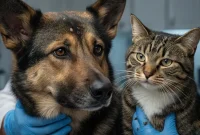
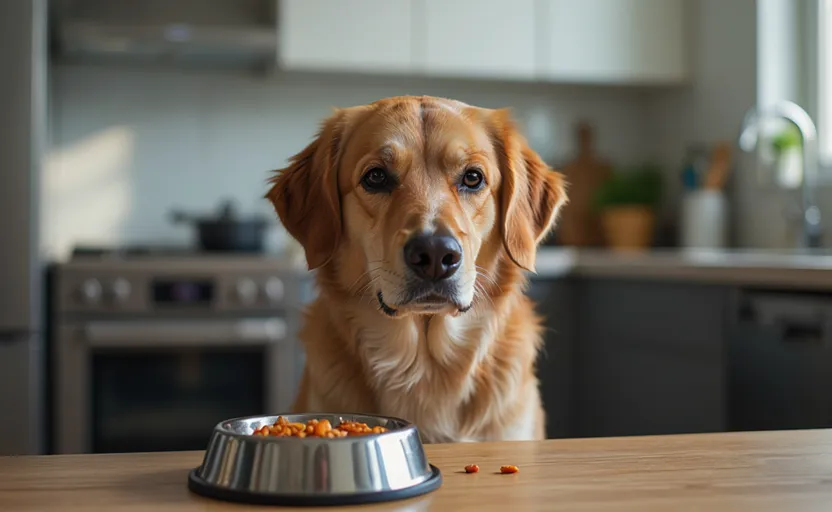
Canine inappetence ranging from decreased food consumption (hyporexia) to a total refusal of nutrients (anorexia)—is one of the most common yet challenging presentations in veterinary medicine. Because dogs are naturally driven to eat, any sudden change in their feeding habits should be treated as an important sign of physiological or psychological distress.
While short-term food refusal can sometimes be a normal reaction to recent veterinary care or minor behavioral shifts, prolonged fasting can quickly lead to metabolic complications, dehydration, and a weakened immune system. This guide provides a detailed look at the medical reasons why dogs refuse food, how to spot subtle signs of illness, and practical ways to help restore your dog’s appetite.
The Etiological Matrix of Canine Food Refusal

When a dog stops eating, the underlying cause generally falls into one of four distinct categories: post-vaccination immune responses, oral discomfort, systemic illness, or behavioral pickiness. Understanding these root causes allows pet owners to respond appropriately rather than guessing the right solution.
                       [Etiological Categorization]
                                    │
         ┌──────────────────────────┼──────────────────────────┐
         ▼                          ▼                          ▼
[Immunological Shifts]       [Mechanical Blocks]        [Systemic Pathology]
• Post-vaccine reaction      • Periodontal disease      • Organ dysfunction
• Cytokine-driven pyrexia    • Alveolar bone loss       • Gastrointestinal trauma
• Transient lethargy         • Severe structural pain   • Metabolic toxin buildup
I. Post-Vaccination Immunological Response
It is common for both puppies and adult dogs to experience a temporary drop in appetite within 24 to 48 hours after receiving routine vaccinations (such as DHPP, Rabies, or Leptospirosis).
-
The Biological Mechanism: Vaccines work by stimulating the immune system to produce protective antibodies. This process triggers a controlled release of inflammatory proteins called cytokines, which act directly on the brain’s hypothalamus to cause mild fever, lethargy, and a temporary loss of appetite.
-
Clinical Expectations: This response is self-limiting and typically resolves on its own within two days. As long as the dog remains hydrated and returns to their normal energy levels, this short break from eating is no cause for alarm.
II. Mechanical and Periodontal Blockades
When a dog wants to eat but walks away from their bowl after a single bite, the issue is often structural rather than a lack of hunger. Advanced periodontal disease, cracked teeth, oral tumors, or deep infections in the gums (stomatitis) make the physical act of chewing incredibly painful.
Because dogs instinctively hide chronic pain, owners often miss early signs of dental trouble until it becomes severe enough to stop the dog from eating entirely. Watch for subtle clues like excessive drooling (ptyalism), pawing at the mouth, or dropping pieces of dry food back into the bowl.
III. Systemic Illness and Gastrointestinal Pathology
Anorexia accompanied by active signs of illness—such as vomiting (emesis), diarrhea, lethargy, or abdominal pain—points toward an underlying medical condition. This can range from acute issues like swallowing a foreign object or pancreatitis, to chronic conditions like kidney disease or liver failure.
When vital organs struggle to filter waste products from the bloodstream, metabolic toxins build up and cause constant nausea. This directly shuts down the brain’s hunger signals, making food unappealing to the dog.
IV. Behavioral and Psychogenic “Picky Eating” Dynamics
If a dog is highly alert, energetic, and completely healthy but consistently turns their nose up at their regular food, the issue is likely behavioral. Toy and small-breed dogs (such as Yorkies, Chihuahuas, and Maltese) are genetically more prone to selective eating habits due to their unique metabolic rates and small stomach capacities.
However, this behavior is often reinforced by human habits. When a dog refuses their standard kibble and an anxious owner immediately offers high-value human food, table scraps, or commercial treats, the dog quickly learns a new behavior: refusing regular food leads to a better reward.
Diagnostics: Staging the Severity of Anorexia
Determining whether a dog’s lack of appetite requires an emergency vet visit or simple monitoring at home depends on the presence of secondary symptoms and how long the food refusal lasts.
                    [Diagnostic Assessment Timeline]
                                    │
         ┌──────────────────────────┴──────────────────────────┐
         ▼                                                     ▼
[The 12-Hour Emergency Window]                        [The 48-Hour Chronic Window]
• Concurrent emesis and diarrhea                      • Persistent hyporexia or anorexia
• High risk of hypovolemic shock                      • Subtle weight loss & muscle wasting
• Active internal inflammation                        • Requires bloodwork & diagnostic panels
The 12-Hour Acute Emergency Window
If a dog completely refuses food and displays concurrent vomiting or diarrhea for more than 8 to 12 hours, they require immediate veterinary attention. Small puppies and toy breeds have very low glycogen reserves, meaning their blood sugar can drop to dangerously low levels (hypoglycemia) in a matter of hours.
Furthermore, rapid fluid loss from vomiting and diarrhea quickly leads to severe dehydration and dangerous electrolyte imbalances. Left untreated, this can cause hypovolemic shock, a life-threatening drop in blood pressure and circulation.
The 48-Hour Chronic Window
If an adult dog refuses food but shows no other symptoms like vomiting or diarrhea, you can safely monitor them at home for up to 48 hours. However, if the fast continues past the two-day mark, a veterinary visit is necessary to run diagnostic tests.
Your vet will likely recommend a Complete Blood Count (CBC) to look for signs of hidden infection or anemia, a Serum Biochemistry Panel to check kidney and liver function, and a Urinalysis to rule out urinary tract issues or diabetes.
Tactical Protocols for Restoring Appetite
To help an inappetent or recovering dog start eating again, you can use specific sensory and environmental adjustments to stimulate their natural urge to feed.
Maximizing Scent Appeal Through Heat
A dog’s sense of smell is their primary driver for tasting and enjoying food. Cold or room-temperature food has a limited scent profile, which can make it unappealing to a sick or stressed dog. Warming moist food or broth-soaked kibble to match their natural body temperature volatilizes the fats and oils in the food, creating a strong aroma that can help trigger a positive appetite response in the brain.
Establishing Clear Boundaries for Selective Eaters
To fix behavioral picky eating, you need to break the cycle of rewarding food refusal. Implement a structured feeding routine:
-
Put the food bowl down for exactly 20 minutes.
-
If the dog does not eat, pick the bowl up and offer no other food or treats until their next scheduled mealtime.
-
Keep the routine consistent. A healthy dog will not intentionally starve themselves, and removing extra treats will quickly encourage them to value their regular meals again.
Summary: A Proactive Approach to Feline and Canine Wellness
Whether you are managing a rare breed like the California Spangled Cat, tracking a senior cat’s changing medical needs, or helping an inappetent dog recover, success comes down to a proactive approach to wellness. Because our pets naturally hide discomfort, understanding their changing life stages, knowing what happens during a veterinary exam, and using practical care strategies at home are essential tools for any dedicated pet owner.
FAQ – Canine Inappetence (Hyporexia & Anorexia)
1. What is canine inappetence?
Canine inappetence refers to reduced food intake (hyporexia) or complete refusal to eat (anorexia). It is a clinical sign rather than a disease, often indicating underlying physical or behavioral issues.
2. When should I be concerned if my dog stops eating?
You should be concerned if your dog refuses food for more than 24–48 hours, or sooner if symptoms like vomiting, diarrhea, lethargy, or weakness are present. Puppies and small breeds require immediate attention if food refusal persists beyond 12 hours.
3. What are the most common medical causes of appetite loss in dogs?
Common medical causes include:
- Dental disease or oral pain
- Gastrointestinal disorders (pancreatitis, obstruction)
- Kidney or liver disease
- Systemic infections
- Adverse vaccine reactions (temporary)
4. Can vaccinations cause temporary loss of appetite?
Yes. Mild hyporexia can occur within 24–48 hours after vaccination due to immune activation and cytokine release. This is typically self-limiting and resolves without treatment.
5. How does dental disease affect a dog’s eating behavior?
Painful conditions like periodontal disease, fractured teeth, or oral infections can make chewing uncomfortable, leading dogs to avoid food or drop kibble during meals.
6. What is the difference between hyporexia and anorexia?
- Hyporexia: Reduced appetite or partial eating
- Anorexia: Complete refusal to eat
Both require attention, but anorexia is more urgent clinically.
7. Can behavioral issues cause a dog to stop eating?
Yes. Picky eating or food refusal can be behavioral, often reinforced when owners offer treats or human food after the dog refuses regular meals.
8. How long can a healthy dog safely go without eating?
A healthy adult dog can typically fast for up to 48 hours, but this should be monitored closely. Puppies, senior dogs, and toy breeds are at higher risk and should not fast long.
9. What are emergency warning signs with food refusal?
Seek immediate veterinary care if you observe:
- Repeated vomiting or diarrhea
- Severe lethargy
- Signs of pain or bloating
- Dehydration
- Collapse or weakness
10. How do veterinarians diagnose the cause of inappetence?
Common diagnostics include:
- Complete Blood Count (CBC)
- Serum biochemistry panel
- Urinalysis
- Imaging (X-ray or ultrasound if needed)
11. How can I encourage my dog to eat again?
Effective methods include:
- Warming food to enhance aroma
- Offering highly palatable, vet-approved diets
- Feeding in a calm, low-stress environment
- Maintaining strict feeding schedules (no constant treats)
12. Should I force-feed a dog that refuses food?
No. Force-feeding can worsen stress or cause aspiration. It is better to identify and treat the underlying cause with veterinary guidance.