Managing a cat’s diet requires a careful balance of biological timing, nutritional science, and behavioral management. Because the feline digestive ecosystem is highly sensitive, sudden dietary shifts can disrupt internal homeostasis, triggering metabolic stress and gastrointestinal distress.
This comprehensive guide serves as an operational blueprint for executing safe, low-stress dietary transitions in domestic felines. Written for advanced pet owners, rescue coordinators, and veterinary advocates, it explores the physical mechanics of the feline gut, maps the shift from kitten to adult nutrition, and outlines a step-by-step framework to transition your cat without causing internal complications.
Gastrointestinal Mechanics: Why Sudden Dietary Shifts Trigger Illness
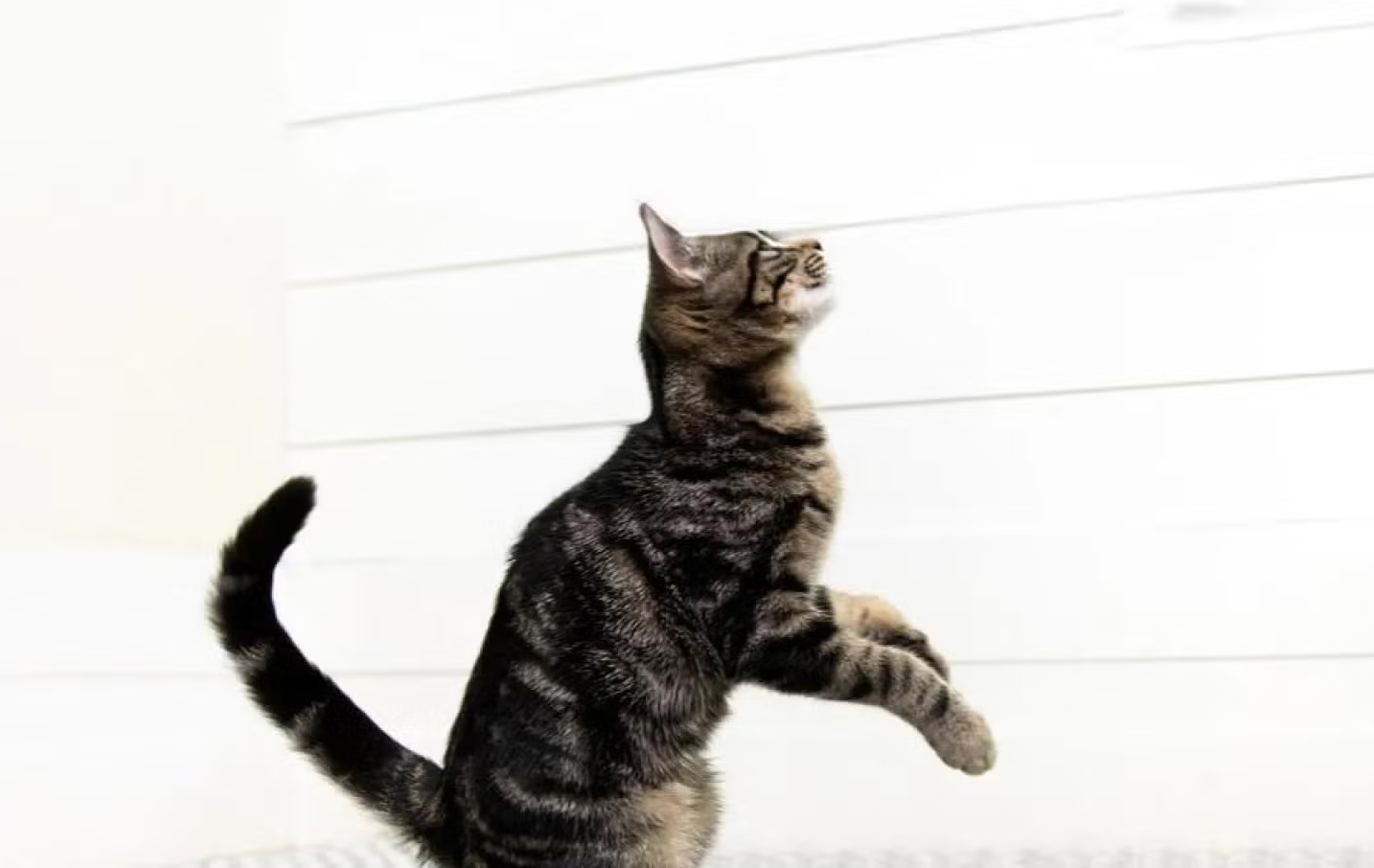
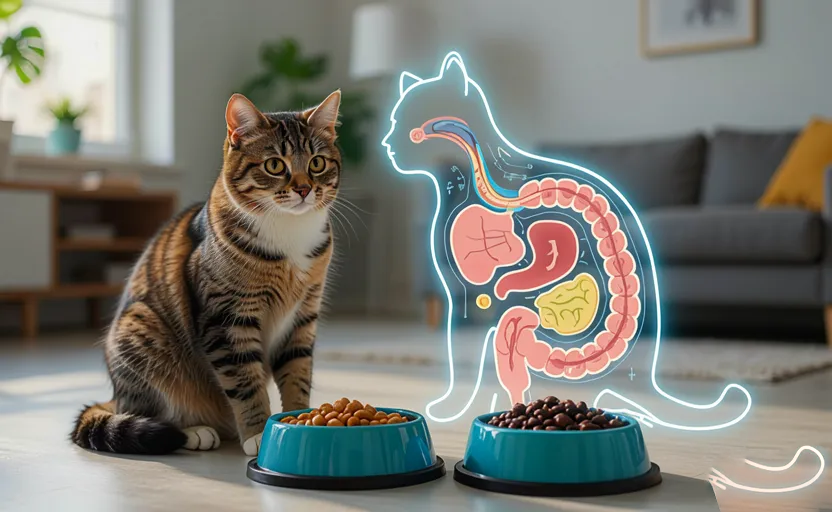
The feline digestive tract is a highly specialized organ system evolved to process a strict, carnivorous diet. Unlike omnivores, cats possess a short, efficient intestinal layout optimized for rapidly absorbing animal proteins and fats.
                  [Sudden Dietary Alteration]
                               │
         ┌─────────────────────┴─────────────────────┐
         ▼                                           ▼
[Microbial Dysbiosis]                       [Enzymatic Mismatch]
• Rapid shift in pH levels                  • Inadequate cellular production
• Mass die-off of beneficial flora          • Undigested proteins in bowel
• Opportunistic bacterial bloom              • Osmotic fluid shift (diarrhea)
The Vulnerability of the Gut Microbiome
The feline large intestine houses billions of microscopic bacteria, protozoa, and fungi known collectively as the gut microbiome. These beneficial microbes live in a delicate balance, working to break down complex nutrients, synthesize vitamins, and support the local immune system.
-
Microbial Specialization: The population of your cat’s microbiome self-adjusts based over time on the exact ingredient profile of their daily food. If a cat eats a chicken-and-rice-based diet for months, their gut flora becomes highly specialized at digesting those specific proteins and starches.
-
The Pathological Bloom: When a new diet with completely different ingredients (such as fish, peas, or different fiber levels) is introduced instantly, the existing microbiome cannot process the new molecules. The beneficial bacteria die off rapidly, altering the local pH and allowing opportunistic pathogens like Clostridium perfringens or Salmonella to multiply. This sudden imbalance, called dysbiosis, triggers acute intestinal inflammation.
Enzymatic Inadequacy and Osmotic Diarrhea
To break down nutrients, the feline pancreas and intestinal walls secrete highly targeted digestive enzymes.
-
Production Lag: Enyme production cannot adapt instantly to a new food source. If a new diet contains a higher concentration of fats or complex carbohydrates than the old one, the cat’s digestive tract will initially lack the necessary enzyme volume to break those molecules down.
-
The Osmotic Draw: These undigested food particles travel intact into the large intestine. Because they are unbroken, they create an osmotic imbalance, pulling water out of the surrounding body tissues and into the bowel. This results in osmotic diarrhea, painful gas, and protective abdominal cramping.
Structural Milestones: The Critical 12-Month Nutritional Pivot
The most significant dietary transition in a healthy cat’s life occurs around their first birthday, marking the official boundary between the juvenile growth phase and adult physical maintenance.
       [Kitten Growth Diet: Up to 12 Months]
       • High caloric density (growth fuel)
       • Elevated Calcium-to-Phosphorus ratios
       • High DHA levels for neurological growth
                  │
                  ▼
       [Adult Maintenance Diet: 12+ Months]
       • Moderated caloric intake (prevents obesity)
       • Controlled mineral levels (protects kidneys)
       • Elevated structured fibers for weight control
Deconstructing Kitten Nutritional Architecture
During the first 12 months of life, a kitten’s body grows at an extraordinary pace, requiring a specialized, nutrient-dense diet to support its developing systems:
-
Amino Acid Demands: Kittens require significantly higher levels of structural amino acids (like lysine, arginine, and taurine) to build muscle tissue and maintain systemic health than adult cats.
-
The Mineral Framework: A growth-focused diet requires a precise Calcium-to-Phosphorus ratio (typically 1.2:1). These minerals work together to build strong, dense bones and adult teeth. A deficit or imbalance during this window can lead to metabolic bone disease and permanent skeletal deformities.
-
Neurological Fuel: High-quality kitten formulas are enriched with Docosahexaegenoid Acid (DHA), an omega-3 fatty acid essential for the healthy development of the brain, nervous system, and retinas.
The Adult Maintenance Reality
Once a cat reaches 12 months of age, their skeletal growth stops, and their metabolic rate drops by up to 20% to 30%. Continuing to feed an adult cat energy-dense kitten food will quickly lead to excessive fat accumulation.
Adult maintenance formulas shift the focus from fueling growth to protecting long-term organ health:
-
Caloric Moderation: Total fat and calorie levels are adjusted downward to prevent unhealthy weight gain, especially in indoor, neutered cats with calm lifestyles.
-
Mineral Regulation: Phosphorus and magnesium levels are tightly controlled. Excess minerals are filtered out through the kidneys and bladder, where they can form painful urinary crystals or stones (FLUTD), or accelerate hidden chronic kidney disease.
The 7-Day Gradual Substitution Protocol
To prevent digestive upset, you must introduce a new food slowly over a full week. This gradual process gives the gut microbiome and digestive enzymes time to safely adjust to the new ingredient profile.
Monitoring Parameters for Owners
During this 7-day period, check your cat daily for any signs of physical intolerance:
-
Stool Quality Assessment: Monitor the litter box regularly. If your cat’s stool becomes soft, unformed, or watery during the transition, do not increase the amount of new food the next day. Hold the ratio at the current step for an extra two to three days until their stool returns to normal, then resume the schedule.
-
Emetic Reactions: Occasional vomiting after eating a new food indicates that the transition is moving too fast for the stomach lining. Step back to the previous successful ratio and proceed more slowly.
International Regulatory Compliance: The AAFCO Benchmark
Before buying a new cat food, ignore the marketing claims on the package and look for the official nutritional adequacy statement on the back label. This statement ensures the food meets the strict standards set by The Association of American Feed Control Officials (AAFCO).
             [AAFCO Safety Label Verification]
                            │
       ┌────────────────────┴────────────────────┐
       ▼                                         ▼
[Growth & Reproduction Statement]     [Adult Maintenance Statement]
• Approved for kittens & queens.      • Approved for adult cats only.
• High fat, mineral, & protein levels. • Lower calorie profile to prevent obesity.
Deconstructing the AAFCO Statement
An approved pet food label must state that the diet has been formulated to meet one of two distinct biological profiles:
-
Growth and Reproduction: This label guarantees the food contains the high nutrient densities required by growing kittens, as well as pregnant or nursing queens.
-
Adult Maintenance: This label proves the food matches the nutritional needs of adult cats, ensuring they receive balanced daily nutrition without excess calories that could cause health issues.
Avoid any food labeled for “Supplemental Feeding Only” as a primary diet. These formulas lack essential vitamins, amino acids, and minerals, and are designed only to be used as short-term treats rather than complete, balanced meals.
Behavioral Engineering: Environmental Optimization During Dietary Transition
Cats are deeply instinctual, territorial animals that view any sudden change to their food, feeding location, or presentation as a potential threat. To ensure a smooth transition, you must consider the behavioral triggers that can cause a cat to reject a new diet.
                    [Feeding Zone Optimization]
                                 │
       ┌─────────────────────────┼─────────────────────────┐
       ▼                         ▼                         ▼
[Acoustic Isolation]      [Visual Security]         [Resource Separation]
• Locate far from appliances• Provide enclosed space  • Place bowls away from litter
• Eliminate loud noises   • Separate from other cats• Prevent sensory pollution
Preventing Neophobia and Sensory Stress
-
Managing Neophobia: Many cats suffer from neophobia—an instinctual fear of unfamiliar foods. If a cat feels stressed or unsafe when you introduce a new diet, they may reject it entirely. This refusal can cause a dangerous condition called hepatic lipidosis (fatty liver disease) if they go without food for more than 24 to 48 hours.
-
The Isolation Protocol: Always feed your cat in a quiet, low-traffic room away from loud household appliances, foot traffic, and other pets. Providing a peaceful, private space lowers their stress levels, making them much more willing to try a new food flavor or texture.
-
Separating Resources: Never place your cat’s food and water bowls near their litter box. In the wild, felines instinctively avoid eating near areas where they eliminate to prevent contamination. Placing food too close to a litter box can cause sensory stress, leading the cat to reject their meals entirely.
Preventing Food Oxidation and Contamination
The way you store your cat’s food plays a direct role in maintaining its flavor, aroma, and nutritional quality:
-
Protecting Fats from Oxidation: Once a bag of dry food is opened, exposure to oxygen breaks down the essential fatty acids in the kibble, causing them to turn rancid. This process destroys the food’s nutritional value and creates an unpleasant odor that will cause a cat to reject it.
-
Optimal Storage Methods: Keep dry food inside its original packaging, and place the entire bag into a clean, airtight plastic or glass storage container. The original bags are designed with special barriers to preserve freshness and keep oils from leaching out. Store the container in a cool, dry room out of direct sunlight to prevent heat damage.
Summary: A Structured Approach to Long-Term Health
Transitioning your cat to a new diet is a simple process when handled with patience and care. By respecting the natural limits of the feline digestive tract, matching their food to their specific life stage, following a gradual 7-day introduction protocol, and keeping their feeding area quiet and stress-free, you can easily guide your cat through dietary changes while protecting their metabolic and long-term health.
FAQ
1. Why should cat food be changed gradually instead of immediately?
Cats have highly sensitive digestive systems and specialized gut microbiomes that adapt to their current diet over time. A sudden dietary change can disrupt beneficial gut bacteria, cause microbial imbalance (dysbiosis), and lead to diarrhea, vomiting, abdominal discomfort, and digestive stress.
2. What happens inside a cat’s digestive system during a sudden food change?
A rapid switch introduces unfamiliar proteins, fats, and fibers that the existing gut microbiota may not be prepared to process. Beneficial bacteria can decline while harmful bacteria multiply, causing intestinal inflammation and digestive upset.
3. What is microbial dysbiosis in cats?
Microbial dysbiosis is an imbalance in the gut microbiome where beneficial microorganisms decrease and opportunistic pathogens increase. This condition can lead to digestive disturbances, inflammation, reduced nutrient absorption, and weakened gastrointestinal health.
4. Why do cats develop diarrhea after changing food too quickly?
When digestive enzymes are not yet adapted to the new food composition, nutrients remain partially undigested. These undigested particles attract water into the intestines through osmotic processes, resulting in loose stools or diarrhea.
5. What is osmotic diarrhea?
Osmotic diarrhea occurs when undigested nutrients remain in the intestinal tract and draw excess water into the bowel. This creates watery stools, bloating, gas, and digestive discomfort.
6. When should a kitten transition to adult cat food?
Most healthy cats should transition from kitten food to adult maintenance food at approximately 12 months of age, when skeletal growth has largely finished and caloric requirements begin to decrease.
7. Why do kittens require special food?
Kittens require higher levels of calories, protein, amino acids, calcium, phosphorus, and DHA to support rapid growth, bone development, muscle formation, neurological development, and immune system maturation.
8. What is DHA and why is it important for kittens?
DHA (Docosahexaenoic Acid) is an omega-3 fatty acid that supports healthy brain development, vision, nervous system growth, and cognitive function during the early stages of life.
9. Why is adult cat food different from kitten food?
Adult cat food contains moderated calorie levels, controlled mineral content, and balanced nutrients designed to maintain health rather than support rapid growth. This helps prevent obesity, urinary issues, and excessive mineral accumulation.
10. What health problems can occur if an adult cat continues eating kitten food?
Long-term feeding of kitten food to adult cats may contribute to excessive calorie intake, obesity, unnecessary mineral consumption, urinary tract issues, and increased strain on internal organs.
11. What is the recommended 7-day food transition schedule?
A gradual transition typically follows this structure:
- Days 1–2: 75% old food, 25% new food
- Days 3–4: 50% old food, 50% new food
- Days 5–6: 25% old food, 75% new food
- Day 7: 100% new food
12. What should owners monitor during a food transition?
Owners should monitor:
- Stool consistency
- Vomiting episodes
- Appetite changes
- Energy levels
- Water intake
- Signs of abdominal discomfort
13. What should I do if my cat develops diarrhea during the transition?
Pause the transition and maintain the current food ratio for several days until stool quality normalizes. Once digestive stability returns, continue the transition more slowly.
14. What should I do if my cat vomits after starting a new food?
Reduce the amount of new food and return to the previous successful ratio. Introduce the new food more gradually while monitoring for additional symptoms.
15. What does an AAFCO nutritional adequacy statement mean?
An AAFCO statement confirms that the food meets established nutritional standards for a specific life stage, such as growth and reproduction or adult maintenance.
16. Why is the AAFCO statement important?
It helps ensure the food provides complete and balanced nutrition rather than functioning as a supplemental product that lacks essential nutrients.
17. What is the difference between “Growth and Reproduction” and “Adult Maintenance” labels?
Growth and Reproduction formulas are designed for kittens, pregnant cats, and nursing queens, while Adult Maintenance formulas are formulated specifically for mature cats with lower caloric and mineral requirements.
18. Why should supplemental feeding products not be used as a primary diet?
Supplemental foods often lack complete nutrient profiles and may be deficient in essential vitamins, minerals, fatty acids, or amino acids required for long-term health.
19. Why are cats often reluctant to accept new foods?
Cats commonly experience neophobia, an instinctive fear of unfamiliar foods, flavors, textures, or scents. Sudden changes can cause food rejection and feeding stress.
20. What is hepatic lipidosis and why is it dangerous?
Hepatic lipidosis, commonly called fatty liver disease, occurs when a cat stops eating for an extended period. The liver becomes overwhelmed by fat metabolism, creating a potentially life-threatening condition requiring immediate veterinary care.
21. How can feeding environments influence dietary transitions?
Quiet, secure feeding areas reduce stress and improve food acceptance. Cats are more likely to try new foods when they feel safe and undisturbed.
22. Why should food bowls be placed away from litter boxes?
Cats instinctively avoid eating near elimination sites. Placing food near litter boxes can create sensory stress and reduce appetite.
23. How should dry cat food be stored?
Dry food should remain in its original packaging and be placed inside an airtight container. Store it in a cool, dry location away from sunlight and excessive heat.
24. Why does cat food become rancid?
Exposure to oxygen, heat, and moisture causes essential fats to oxidize. Oxidized fats lose nutritional value and develop odors that may discourage cats from eating.
25. What is the key to a successful dietary transition?
Patience, gradual introduction, life-stage appropriate nutrition, careful monitoring, proper food storage, and a low-stress feeding environment are the foundations of a successful transition.