The Ultimate Guide to Feline Health and Perception: Vision, Digestion, Thermoregulation, and Parasitology
2 months ago
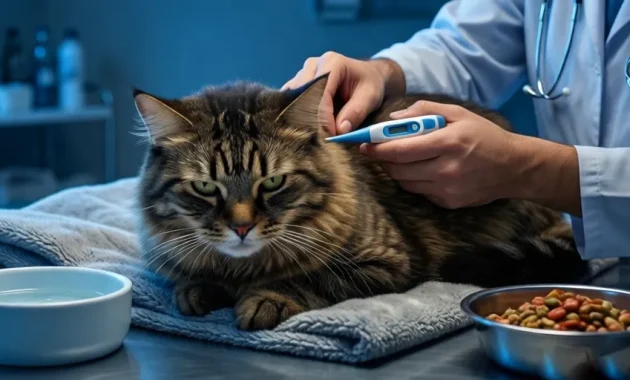
Every day, companion cats share our homes, sleep on our furniture, and depend on us for their survival. Yet, biologically, they inhabit a radically different world than ours. From the way they see light and color to the complex inner workings of their digestive and immune systems, cats are highly specialized, short-range crepuscular predators.
For cat owners, breeders, and animal lovers, understanding the fine details of feline anatomy, physiology, and pathology is more than just an academic pursuit. It is a fundamental requirement for providing proper care.
This guide explores the depths of feline biology. We will break down the mechanics of how cats perceive their surroundings, examine critical gastrointestinal and thermoregulatory emergencies like constipation and pyrexia, and unravel the clinical realities of external parasites like feline pediculosis.
Through Feline Eyes — The Biological Reality of Feline Vision
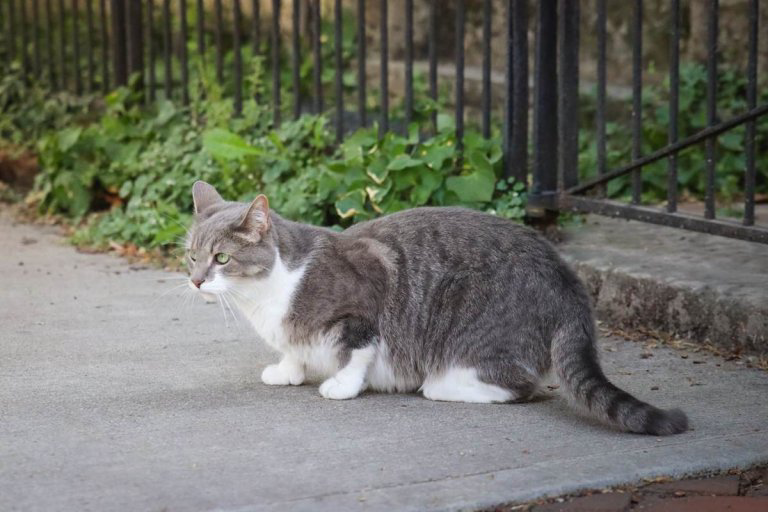
Have you ever watched your cat stare intensely at a seemingly blank wall in the middle of the night, or sprint wildly across the living room chasing an invisible target? To us, this look like bizarre, unpredictable behavior. In reality, your cat is responding to a rich world of visual stimuli—subtle movements, shifted light patterns, and wide angles—that human eyes are simply incapable of registering.
The feline visual system is a masterpiece of evolutionary engineering. It is not an inferior version of human sight, nor is it a flawless, supernatural radar. Instead, it is a highly specialized tool designed for a very specific lifestyle: short-range tracking in dim light.
       [ CONCENTRIC RETINAL PHOTORECEPTOR BALANCE ]
─────────────────────────────────────────────────────────────
Human Retina: █░░░░░░░░░░░░░░░ High Cones (Detail/Vibrant Color)
Feline Retina: ███████████████ High Rods (Motion/Low-Light Tracking)
1.1 The Architecture of the Retina: Rods vs. Cones
To understand how a cat perceives its environment, we must first look at the back of the eye: the retina. The retina contains two primary types of photoreceptor cells that capture light and convert it into neurological signals: rods and cones.
-
Cones are responsible for high-resolution detail, sharp central focus, and the detection of color wavelengths. They operate best in bright, well-lit environments.
-
Rods are highly sensitive to low light, shapes, and motion. They are responsible for peripheral tracking and night vision, but they cannot distinguish colors or fine details.
Humans are evolutionary primates. Our eyes are built to find ripe fruit in bright daylight, read fine patterns, and see long distances. As a result, the human retina features a highly concentrated central zone of cones called the macula.
Cats, by contrast, are obligate carnivores whose ancestors hunted small rodents and birds at twilight. Their retina is overwhelmingly dominated by rods, with a much lower density of cones.
This biological trade-off has a profound impact on their daily life. While a cat cannot read a book or see the crisp outline of a distant object, their ability to spot a tiny bug moving a fraction of a millimeter in a dark room is vastly superior to ours.
1.2 The Mechanics of the Vertical Slit Pupil
One of the most striking visual differences between humans and cats is the shape of their pupils. While human pupils remain perfectly circular as they expand and contract, feline pupils are vertical, elliptical slits.
This shape is controlled by two shutter-like muscles that can alter the pupil's surface area up to 135-fold. For comparison, the circular muscles in human pupils can only alter their surface area about 15-fold.
                  [ PUPIL DILATION RANGE COMPARISON ]
──────────────────────────────────────────────────────────────────────────
Human Pupil:  [O] ──► (O)  (15-fold surface area transformation)
Feline Pupil: [│] ──► (O)  (135-fold surface area transformation)
This remarkable flexibility serves a dual purpose:
-
Retinal Protection: In the bright glare of midday sun, a cat’s rod-heavy retina is incredibly vulnerable to light damage. By narrowing their pupils to razor-thin vertical slits, cats drastically reduce the amount of incoming light, protecting their sensitive photoreceptors while maintaining sharp horizontal depth perception.
-
Light Maximization: In dim environments, those same slits open up into massive, circular windows. This dramatic dilation allows every single available photon of ambient light to flood the eye, maximizing their performance in dark rooms or twilight landscapes.
1.3 The Nictitating Membrane: The Translucent Third Eyelid
Cats possess a protective feature completely missing in human anatomy: the nictitating membrane, commonly known as the third eyelid. Located at the inner corner of each eye, this thin, translucent membrane sweeps horizontally across the surface of the cornea when the cat blinks or lowers its head.
The third eyelid acts like an automatic windshield wiper. It distributes tears, keeps the eye moist, and clears away dust, pollen, and debris.
For a wild predator tracking prey through tall grass, dense brush, or thorny undergrowth, this membrane is an invaluable survival tool. It protects the cornea from painful scratches without forcing the cat to close its eyes completely and lose sight of its target.
In a healthy, alert cat, this membrane remains hidden. If you see it partially drawn across your cat's eye while they are awake, it is often an early clinical sign of illness, dehydration, or ocular inflammation.
1.4 Temporal Dynamics, Optical Ranges, and the Close-Up Blind Spot
Because the feline eye is built primarily for light collection and motion tracking, it sacrifices several capabilities that humans take for granted. This creates unique optical ranges and specific "blind spots."
                  [ VISUAL FIELD & OPTICAL RANGES ]
                                  │
         +────────────────────────┴────────────────────────+
         │                                                 │
   [ Field of Vision ]                              [ Focal Range ]
   - Human: 180 Degrees                             - Sharpest Point: 20 Feet
   - Feline: 200 Degrees                            - < 1 Foot: Blind Spot / Blur
The 20-Foot Focal Ceiling
Human vision is built for long-distance clarity; a person with perfect 20/20 vision can easily resolve fine details hundreds of feet away. Cats, however, are functionally nearsighted.
Their visual system is calibrated for a sharp focal point exactly 20 feet (6 meters) away. At this specific distance, their vision is highly accurate.
Beyond 20 feet, objects rapidly lose definition, dissolving into soft, blurry silhouettes. This perfectly matches their hunting style: cats do not spot prey from miles away like a hawk; they stalk silently through the shadows, crawling closer until they are within striking distance.
The Close-Up Blind Spot
Because a cat’s large, spherical lenses are optimized to gather light rather than fine-tune focus up close, their eyes struggle to focus on anything closer than 12 inches (30 cm). When an object, a toy, or a treat is placed directly underneath a cat’s nose, it falls completely out of focus, becoming a blurry shape.
Furthermore, the physical structure of their snout creates a literal blind spot directly in front of their mouth. This explains why your cat might sniff around frantically for a piece of kibble that dropped right next to their front paws—they literally cannot see it with their eyes and must rely on other senses to find it.
Panoramic Peripheral Vision
While humans have a visual field of roughly 180 degrees, a cat’s forward-facing eyes are set slightly wider apart in their skull. This expands their total field of vision to 200 degrees.
This panoramic layout increases their peripheral awareness, allowing them to spot sudden, subtle movements on the far edges of their surroundings without needing to turn their heads and risk alerting their prey.
1.5 The Photic Amplification Loop of the Tapetum Lucidum
It is a common myth that cats can see in absolute, pitch-black darkness. If an environment has zero photons of light, a cat cannot see any better than a human. However, in dim, low-light conditions, a cat’s visual mechanics are extraordinarily efficient. A cat requires only one-sixth of the ambient light level that a human needs to navigate safely and hunt effectively.
This incredible low-light performance is driven by a specialized anatomical layer located directly behind the retina called the tapetum lucidum. This structure acts like a retroreflective mirror.
                  [ THE PHOTIC AMPLIFICATION LOOP ]
                                  │
  Incoming Light ──► Retina (Rods) ──► Tapetum Lucidum (Reflection) ──► Retinal Re-entry
When light enters a cat's eye and passes through the photoreceptor layer, any photons that fail to hit a rod strike the tapetum lucidum. The layer bounces the light directly back through the retina a second time.
This gives the photoreceptors another immediate opportunity to absorb the light energy, doubling the eye's efficiency. This photic amplification loop is what causes a cat’s eyes to glow with an eerie, iridescent green, gold, or ruby-red color when caught in a camera flash or a car's headlights.
1.6 Chromatic Limitations: The Muted Feline Palette
For decades, popular culture assumed cats lived in a completely monochrome, black-and-white world. Modern veterinary ophthalmology has disproven this, revealing that cats do see in color, though their experience of the spectrum is muted compared to ours.
Color perception is determined by the types of cone photopigments present in the retina. Humans are trichromats, possessing three distinct types of cones that respond to red, green, and blue light wavelengths. Cats also possess three types of cones, but their overall quantity is remarkably low, and their spectral sensitivity is distributed differently.
                           [ COLOR SPECTRUM COMPARISON ]
───────────────────────────────────────────────────────────────────────────────────────────
Human:  [ Red ]    [ Orange ]    [ Yellow ]    [ Green ]    [ Blue ]    [ Violet ]
Feline: [ Gray ]   [ Gray ]      [ Muted Yellow ]           [ Muted Blue / Violet ]
A cat’s color vision is very similar to a human with red-green color blindness (deuteranopia).
-
What They See Clearly: Shorter wavelengths of light, meaning they easily perceive shades of blue, violet, and muted yellows.
-
What They Miss: Longer wavelengths, such as vibrant reds, bright oranges, and deep pinks. To a cat, a bright red apple or a neon pink toy mouse appears as a dull shade of gray, black, or dark green.
Furthermore, cats do not perceive color saturation or richness. The vibrant, neon world we see appears to a cat as a soft, desaturated pastel landscape.
Because they hunt primarily at dawn and dusk, vibrant color recognition offers little evolutionary advantage. Tracking a gray mouse moving against a background of dark green grass in the twilight requires contrast, brightness sensitivity, and motion detection—not color accuracy.
Feline Gastrointestinal Health — Understanding and Managing Konstipasi (Constipation)
Because a cat’s vision has built-in limitations, they rely heavily on a complex network of body systems to maintain their health and vitality. One of the most critical, yet frequently overlooked, systems is the gastrointestinal (GI) tract.
When a cat's digestive tract slows down or locks up, it affects their entire well-being. Konstipasi, or constipation, is a common, uncomfortable, and potentially life-threatening condition that demands immediate attention.
[ CONSTIPATION ] ──► [ OBSTIPATION ] ──► [ MEGACOLON ]
  Mild Straining       Total Blockage        Permanent Colon Damage
  (Treatable at Home)  (Requires Vet Care)   (Requires Surgery)
2.1 The Clinical Spectrum: Healthy Elimination vs. Pathological Sembelit
To effectively manage a cat's digestive health, you must be able to read the signs left behind in the litter box. Monitoring the texture, volume, and frequency of your cat's stool is one of the easiest ways to spot an underlying health issue before it becomes an emergency.
| Parameter | Kondisi Normal (Healthy Baseline) | Indikasi Konstipasi (Pathological Sembelit) |
| Frekuensi (Frequency) | 1–2 times per day (every 12–36 hours). | No stool produced for more than 36–48 hours. |
| Perilaku (Behavior) | Calm, enters the box, eliminates quickly, and exits. | Straining (tenesmus), crying out, frantic digging, or avoiding the box. |
| Karakteristik Feses (Texture) | Deep brown, cylindrical, firm but moist enough for litter to stick. | Small, rock-hard, bone-dry pebbles, occasionally coated in bloody mucus. |
When fecal matter sits in the colon for too long, the intestinal walls continue to absorb moisture from the waste. This creates a dangerous loop: the longer the stool remains unpassed, the drier, harder, and more painful it becomes to eliminate.
2.2 The Multi-Factorial Causes of Feline Constipation
Constipation is rarely an isolated issue; it is almost always a warning sign of an underlying behavioral, environmental, or systemic imbalance.
Chronic Dehydration: The Evolutionary Low Thirst Drive
The single most common driver of feline constipation is chronic dehydration. Ancestrally, cats are desert dwellers who evolved to get the vast majority of their daily water intake directly from the bodies of their prey (which consist of roughly 70–75% water). As a result, cats have a incredibly low thirst drive—they simply do not feel the urge to drink from a water bowl until they are already severely dehydrated.
When a companion cat is fed a diet consisting solely of dry kibble (which contains only 6–10% moisture), they live in a state of constant, low-level dehydration. Their body compensates by pulling every available drop of water out of the colon, leaving behind hard, immobile stools that clog the digestive tract.
Environmental and Psychological Stress
Cats thrive on routine and predictability. Any disruption to their environment can trigger psychological stress, which directly suppresses the parasympathetic nervous system (the system responsible for "rest and digestion"). Common triggers include:
-
Moving to a new house or apartment.
-
Introducing a new pet, infant, or visitor to the household.
-
Unclean litter boxes, or placing a box in a loud, high-traffic area (e.g., next to a noisy washing machine), which can terrify a cat and cause them to hold their stool for days.
Hairballs and Obstructive Fomites
During their daily grooming routines, cats swallow a significant amount of loose hair. While a healthy digestive tract can typically pass this hair without issue, heavy shedding seasons or underlying skin conditions can lead to excessive hair ingestion. This loose hair can mix with fecal matter inside the large intestine, weaving into a dense, cement-like blockage that cannot be passed naturally.
Systemic Diseases and Chronic Illnesses
In older or medically compromised cats, constipation can be a secondary complication of a more serious systemic disease:
-
Chronic Kidney Disease (CKD): As kidney function declines, the body loses its ability to conserve water, producing massive amounts of dilute urine. This rapid fluid loss leaves the rest of the body severely dehydrated, causing frequent, severe bouts of constipation.
-
Inflammatory Bowel Disease (IBD): Chronic cellular inflammation disrupts the natural, coordinated muscle contractions (peristalsis) of the intestinal walls.
-
Neurological and Structural Trauma: Fractures to the pelvis from old injuries can narrow the pelvic canal, creating a physical bottleneck. Similarly, damage to the nerves that control the lower spine can disrupt the signals required for the colon to contract and push out waste.
2.3 Comprehensive Home Care: Practical and Preventative Protocols
If your cat is showing early signs of constipation but is still alert, active, and eating normally, you can use these practical, vet-approved strategies to help get their digestion back on track.
                  [ PROTOKOL PENANGANAN SEMBELIT DI RUMAH ]
                                      │
       +──────────────────────────────┼──────────────────────────────+
       |                              |                              |
 [ Optimalisasi Hidrasi ]     [ Stimulasi Motilitas ]     [ Manajemen Stres & Diet ]
 - Sediakan water fountain    - Ajak bermain aktif        - Berikan makanan tinggi serat
 - Transisi ke wet food       - Pijat lembut perut        - Jaga kebersihan litter box
1. Strategic Dietary Hydration
The most effective way to treat and prevent constipation is to flood the digestive tract with moisture. Start by transitioning your cat from a dry kibble diet to high-quality, high-moisture canned wet food. To add even more hydration, mix a tablespoon of warm water or low-sodium, bone broth (made without onions or garlic) directly into their wet food to create a hydrating gravy.
2. Appealing to Natural Drinking Preferences
Encourage your cat to drink more water by mimicking nature:
-
Deploy Water Fountains: Cats instinctively associate stagnant, still water with bacterial contamination. Investing in a circulating cat water fountain provides a dynamic, moving stream that encourages them to drink more frequently.
-
Separate Water and Food Stations: In the wild, predators never consume their prey directly next to their water source to avoid contamination. Place water bowls in quiet, peaceful rooms away from their food dishes and litter boxes.
3. Stimulating Intestinal Motility Through Play
Physical exercise is a powerful, natural way to stimulate the muscles of the large intestine. Dedicate two to three short, intense sessions of interactive play each day using feather wands, laser pointers, or motorized toys. Getting your cat to jump, run, and stalk directly helps jumpstart sluggish intestinal walls and promotes regular bowel movements.
4. Perfecting the Litter Box Environment
Ensure your cat feels completely safe and comfortable using their restroom facilities:
-
The Golden Rule of Layout: Always maintain a ratio of Number of Cats + 1 litter boxes throughout your home. This prevents territorial disputes and gives your cat alternative options if one box feels unsafe.
-
Scrupulous Hygiene: Scoop out waste at least once a day, and perform a complete deep clean of the boxes each week using unscented, gentle soap.
2.4 The Dangerous Progression to Obstipation and Megacolon
When simple constipation is ignored or left untreated, it can quickly escalate into a medical emergency known as obstipation. At this stage, the fecal mass becomes so massive and impacted that the colon muscles can no longer move it. It is physically stuck.
Over time, this chronic stretching can cause permanent, irreversible damage to the smooth muscles of the large intestine, leading to a condition called megacolon. A colon afflicted with megacolon becomes a stretched-out, non-functional pouch that can no longer contract on its own. Cats at this advanced stage often require lifelong medical care, frequent manual de-obstipations under general anesthesia, or a complex surgical procedure called a subtotal colectomy to remove the damaged section of the intestine.
2.5 Clinical Red Flags: When to Seek Immediate Emergency Vet Care
Constipation can quickly turn from an uncomfortable issue into a life-threatening crisis. Take your cat to an emergency veterinary clinic immediately if you spot any of these red flags:
-
Your cat has not passed stool in more than 48 to 72 hours.
-
The straining is accompanied by systemic signs of distress, such as repeated vomiting, extreme lethargy, hiding, or a total refusal to eat (anorexia).
-
Your cat is straining intensely in the litter box but passing only tiny drops of liquid urine—or nothing at all.
⚠️ Critical Clinical Note: A cat struggling to eliminate can look identical whether they are trying to poop or trying to urinate. If a male cat has a urinary blockage (Feline Lower Urinary Tract Disease or FLUTD) and cannot urinate, their bladder can rupture, causing fatal toxin buildup within 24 to 48 hours. Never guess—if your cat is straining, seek immediate medical care.
Feline Pyrexia (Fever) — Clinical Indicators, Primary Causes, and First-Aid Protocols
Just like a breakdown in the digestive system requires swift intervention, an unexpected spike in body temperature demands immediate, structured action. Feline pyrexia, or fever, is a controlled, systemic rise in core body temperature initiated by the hypothalamus in response to an internal threat. While a fever is an important tool that helps the immune system fight off infections, a severe or prolonged fever can lead to cellular damage, dangerous dehydration, and organ failure.
                      [ EMERGENCY HOME STABILIZATION ]
                                     │
       +─────────────────────────────┼─────────────────────────────+
       │                             │                             │
 [ Objective Metrics ]      [ Thermal Reduction ]        [ Hydration Support ]
 - Deploy lubricated        - Apply cool, damp cloth     - Syringe lukewarm water
   rectal thermometer.        to axillae/groin.            slowly (oral spuit).
 - Confirm temp >= 39.3°C.  - NO ice or ice water.       - Feed highly palatable wet food.
3.1 Establishing the Baseline: Normal Temperature vs. True Pyrexia
A common mistake made by cat owners is trying to diagnose a fever by feeling a cat’s ears, nose, or paws. A cat's normal baseline body temperature is significantly higher than a human's, meaning a completely healthy cat will naturally feel warm or even hot to human touch.
-
Normal Healthy Range: 38.0°C – 39.2°C (100.4°F – 102.5°F)
-
Pyrexia (Fever Zone): $\ge$ 39.3°C (102.7°F)
-
Hyperpyrexia (Critical Emergency): $\ge$ 40.0°C (104.0°F)
To truly diagnose a fever, you must obtain an objective, numbers-based reading using a digital rectal thermometer.
3.2 Identifying the Systemic Symptoms of a Fever
When a cat’s body temperature climbs into the pyrexia zone, their behavior changes dramatically. Because cats instinctively hide any signs of vulnerability to protect themselves from predators, you must look closely for these subtle behavioral clues:
-
Lethargy and Total Withdrawal: The cat stops interacting with the family, avoids their favorite spots, and hides away in dark, quiet, isolated spaces like closets or underneath beds.
-
Anorexia and Rapid Adipsia: A sudden, complete refusal to eat or drink anything that lasts for more than 24 hours.
-
Postural Shielding and Tachypnea: A feverish cat will often sit in a tight, hunched, or rigid posture with their head tucked low toward the floor. You may also notice rapid, shallow breathing (tachypnea) or open-mouth panting as their body tries to release excess heat through their respiratory tract.
-
Shivering and Coat Piloerection: The cat may actively shiver, and their fur may stand straight up on end (piloerection), which is an involuntary response to the brain's altered thermal set-point.
3.3 The Root Causes of Feline Pyrexia
A fever is not an independent disease; it is a symptom of an underlying issue. The most common causes include:
1. Pathogenic Viral and Bacterial Infections
The vast majority of feline fevers are triggered by infectious pathogens entering the body through the eyes, nose, mouth, or open wounds. Common culprits include respiratory viruses like Feline Calicivirus (FCV) and Feline Herpesvirus, or severe bacterial infections caused by deep puncture wounds from outdoor cat fights. These fight wounds often form closed, pocketed infections called abscesses beneath the skin, releasing pyrogens into the bloodstream that cause sudden, intense spikes in body temperature.
2. Immune-Mediated and Inflammatory Diseases
Sometimes, the immune system malfunctions and attacks the body's own tissues, creating widespread inflammation that triggers a fever. Conditions like Feline Infectious Peritonitis (FIP), severe systemic lupus, or advanced joint inflammation can cause a persistent fever that doesn't respond to standard antibiotics.
3. Malignancies and Neoplasia
Internal tumors, cancers of the blood (like Leukemia), or lymph node tumors (Lymphoma) can disrupt metabolic pathways and trick the brain into raising the body's core temperature. This leads to a chronic, low-grade fever known clinically as a "fever of unknown origin" (FUO).
3.4 Step-by-Step Emergency First Aid for Feline Fevers
If your cat has a confirmed fever and you cannot get to a veterinary clinic immediately, execute these stabilization measures to safely lower their temperature and keep them stable.
Step 1: Taking a Safe Rectal Temperature
Never use a glass mercury thermometer, which can break and injure your pet. Always use a dedicated, fast-acting digital thermometer.
-
Coat the tip of the thermometer with a water-soluble lubricant or petroleum jelly.
-
Gently lift your cat's tail and insert the lubricated tip into the rectum approximately 1 to 2 centimeters.
-
Hold the thermometer securely until it beeps, then carefully remove it to read the digital screen. Clean it thoroughly with rubbing alcohol afterward.
Step 2: Controlled Thermal Reduction
-
Apply Cool Compresses: Soak a small cloth or towel in cool, room-temperature tap water. Wring out the excess moisture and gently press it against areas of the body with thin fur and large blood vessels: the armpits, the groin, and the pads of the paws.
⚠️ Critical Safety Warning: Never use ice, ice water, or alcohol rubs to cool down a feverish cat. Rapid cooling shocks the system, causing the peripheral blood vessels to narrow instantly (vasoconstriction). This traps heat deep inside the core organs, driving their internal temperature to dangerously high levels.
-
Optimize the Space: Place your cat on a cool, tiled floor or in an air-conditioned room with excellent ventilation. Set up a small, quiet fan nearby to keep air moving gently across their body.
Step 3: Gentle Assisted Hydration
Fevers cause cats to lose fluids rapidly, making dehydration an immediate threat. If your cat refuses to drink from their bowl, take a needleless plastic oral syringe (spuit) and fill it with lukewarm water.
Insert the tip into the side of their mouth behind their canine teeth, and press the plunger down very slowly, allowing the cat to lap up and swallow the water naturally. Never squirt water quickly down their throat, as this can send fluid straight into their lungs, causing aspiration pneumonia.
3.5 Absolute Contraindication: The Fatal Danger of Human Medications
CRITICAL CLINICAL WARNING: Never, under any circumstances, give human fever-reducing medications to a cat.
Over-the-counter human drugs like Acetaminophen (Paracetamol, Tylenol), Ibuprofen (Advil), and Aspirin are incredibly toxic to cats. Cats lack a critical liver enzyme called glucuronosyltransferase, which is required to safely break down and eliminate these medications.
Giving a cat even a tiny, microscopic dose of paracetamol causes irreversible damage to their red blood cells, destroying their ability to carry oxygen (Heinz body anemia). It also triggers rapid, fatal liver failure. A single tablet can kill a cat within a few agonizing hours. Always leave medication choices entirely to a licensed veterinarian.
Feline Parasitology — The Realities of Feline Pediculosis (Lice)
While managing internal threats like dehydration, constipation, and fevers is vital, protecting your cat from external threats is equally important. One of these external issues is parasitic infestations.
While almost every pet owner is familiar with fleas and ear mites, very few realize that cats can also get lice. Known clinically as feline pediculosis, a louse infestation can be highly irritating, incredibly uncomfortable, and a threat to your cat's health if left untreated.
               [ THE HOST-SPECIFICITY BARRIER ]
───────────────────────────────────────────────────────────────
Felicola subrostrata (Cat Louse)   ──► Only survives on Cats 🐱
Pediculus humanus (Human Louse)    ──► Only survives on Humans 🧑
4.1 Dismantling the Zoonotic Myth: The Host-Specificity Barrier
The moment an owner hears the word "lice," panic sets in, driven by visions of school-wide outbreaks and intense head itching. However, you can breathe a sigh of relief: lice are strict, host-specific parasites. They are highly evolved specialists that can only survive on a single, specific host species.
The species responsible for feline pediculosis is Felicola subrostrata, a chewing louse that can only live and reproduce on cats.
-
Cat-to-Human Transmission: This is biologically impossible. If a cat louse crawls onto a human family member, it cannot secure itself to human hair because its claws are specifically shaped to match the diameter of feline hair shafts. It cannot feed on human skin, cannot lay eggs, and will quickly die within hours.
-
Human-to-Cat Transmission: This is equally impossible. Your cat cannot contract lice from a child who brings head lice home from school.
Feline lice are highly contagious, but only between cats. They present zero public health risk to humans or non-feline household pets like dogs.
4.2 The Biology and Life Cycle of Felicola subrostrata
Unlike fleas, which are excellent jumpers, or ticks, which wait on tall grass to hitch a ride, Felicola subrostrata is a slow-moving, wingless, flat-bodied insect. It is light brown or tan and spends its entire life cycle directly on the cat's body.
[ EGG / NIT ] ──► [ NYMPH STAGES ] ──► [ ADULT LOUSE ]
  Glued firmly to     Immature feeding     Reproductively active
  the hair shaft.     phases.              chewing adult.
  (Takes ~21 days to complete the full transformation cycle)
Feline lice are chewing lice, meaning they don't have the sharp, piercing mouthparts needed to suck blood. Instead, they use their mouthparts to scrape and chew at the cat's skin, feeding on dandruff, dead skin cells, dried oils, and surface secretions.
The female adult louse lays her eggs, called nits, directly onto the base of the cat's hair shafts. She coats the nits in a powerful, glue-like substance that secures them to the fur.
It takes about 21 days for a louse egg to hatch, pass through its immature nymph stages, and grow into a fully reproductive adult. Because they cannot jump or fly, they spread almost entirely through direct, body-to-body contact between cats, or by sharing grooming tools like brushes and combs.
4.3 High-Risk Demographics and Environmental Triggers
In modern pet care, feline lice are quite rare, largely thanks to the widespread use of topical flea and tick preventatives. However, lice can spread rapidly in specific, high-risk populations:
-
Stray, feral, or neglected cat colonies living outdoors in harsh environments.
-
Overcrowded, underfunded shelters or rescue facilities with poor sanitation protocols.
-
Cats with weak immune systems, senior felines suffering from severe arthritis (which prevents them from grooming effectively), or severely malnourished kittens.
4.4 Clinical Identification: How to Spot Lice and Nits
A lice infestation causes intense skin irritation, leading to several distinct physical and behavioral signs:
-
Severe Pruritus (Itching): The cat constantly scratches, bites, rubs, and chews at their skin, acting anxious, agitated, and uncomfortable.
-
Coat Failure: The fur becomes thin, patchy, severely matted, and unkempt, with broken hair shafts and areas of hair loss (alopecia).
-
Dermatitis and Lesions: The constant scratching creates open wounds, scratches, oozing scabs, and painful secondary bacterial skin infections.
-
Severe Anemia in Kittens: Although chewing lice primarily eat skin flakes, a massive, unchecked infestation on a tiny, young kitten can cause skin bleeding, leading to dangerous blood loss anemia over time.
How to Tell the Difference: Nits vs. Dandruff
It is easy to mistake nits for normal dry skin or dandruff, but there is a simple visual test. Dandruff flakes are irregular in shape and will easily shake free, brush out, or slide down the hair shaft when touched.
Nits, by contrast, are perfectly oval, uniform, translucent white specks that are firmly cemented near the base of the hair shaft. If you try to blow or brush them away, they will not move.
                 [ DIAGNOSTIC DIFFERENTIATION ]
──────────────────────────────────────────────────────────────────────────
Dandruff Flakes:  Irregular Shapes ──► Slides off hair shaft easily.
Louse Nits:       Uniform Ovals    ──► Glued permanently to hair base.
4.5 The Professional Elimination and Eradication Protocol
Getting rid of cat lice requires a thorough, multi-step approach that treats the infected cat, protects other felines in the home, and completely sanitizes the living environment.
                      [ TOTAL ERADICATION ARCHITECTURE ]
                                      │
       +──────────────────────────────┼──────────────────────────────+
       │                              │                              │
 [ Host Elimination ]       [ Lifecycle Disruption ]      [ Environmental Decon ]
 - Shave severely matted      - Administer Selamectin or    - Wash bedding at >= 60°C.
   fur to strip nits.         Fipronil spot-ons.            - Clean grooming tools.
 - Bathe with vet-shampoo.    - Repeat for 4–6 weeks minimum. - Isolate uninfested cats.
Step 1: Physical Clean-Up and Shaving
The first step is removing as many active parasites and eggs as possible. If the cat's fur is heavily matted or packed with nits, a veterinarian will often recommend a complete body shave. Shaving immediately removes the vast majority of the glued-on eggs and deprives the remaining lice of a place to hide.
If the coat is manageable, you can use a specialized, fine-toothed metal nit comb to carefully comb through the fur, dipping the comb into warm, soapy water after each stroke to drown the captured insects.
Step 2: Targeted Veterinary Medications
After cleaning the coat, you must apply a medication to kill the remaining lice. Modern, prescription spot-on treatments containing selamectin or fipronil are highly effective against feline lice.
⚠️ Critical Toxicity Warning: Never use canine-specific flea and tick treatments or over-the-counter sprays containing permethrins or pyrethrins on a cat. These compounds are highly neurotoxic to felines, causing severe muscle tremors, seizures, and death. Always use products explicitly labeled for cats.
Because these spot-on medications kill adult lice but cannot penetrate the hard shell of the nits, you must maintain the treatment consistently for 4 to 6 weeks. This ensures that as new eggs hatch over their 21-day cycle, the young nymphs are instantly eliminated before they can lay a new generation of eggs.
Step 3: Deep Environmental Decontamination
Although Felicola subrostrata can only survive for 3 to 7 days off a cat before dying, you must thoroughly sanitize your home to prevent a frustrating re-infestation:
-
High-Heat Washing: Gather all cat bedding, soft toys, household blankets, and human sheets that the cat has touched. Wash them in hot water at or above 60°C (140°F), then dry them on high heat to destroy any hidden lice or eggs.
-
Disinfecting Grooming Tools: Soak all brushes, combs, scissors, and collars in boiling water or a strong, veterinary-grade disinfectant solution for at least 10 to 15 minutes.
-
Frequent Vacuuming: Thoroughly vacuum all carpets, rugs, fabric furniture, and cat trees every day, discarding the vacuum bag or emptying the canister directly into an outdoor trash bin immediately afterward.
-
Strict Isolation: Because lice spread easily through contact, completely isolate the infested cat in a separate, easy-to-clean room until a veterinarian confirms that the infestation is entirely gone.
Comparative Overview: Connecting the Biological Systems
To see how these seemingly separate biological systems connect to influence your cat's health, review this comparative summary of features, vulnerabilities, and management requirements:
| System / Biological Focus | Baseline Healthy Metric | Primary Clinical Vulnerability | Immediate Corrective Action | Long-Term Prevention Strategy |
| Feline Visual System | 200° field width; sharpest focus calibrated at 20 feet. | Close-up blind spot (<12 inches); limited color range. | Use tactile senses (whiskers) and smell to guide nearby interactions. | Keep living spaces consistent; protect eyes from bright glares or trauma. |
| Gastrointestinal Tract | Stool passed every 12–36 hours; firm but moist. | Konstipasi (Sembelit) driven by a low thirst drive. | Immediate hydration support; transition to canned wet food. | Maintain a wet-food diet, use water fountains, and ensure clean litter boxes. |
| Thermoregulation | Core body temperature stable between 38.0°C – 39.2°C. | Pyrexia (Fever) triggered by underlying infections. | Apply cool compresses to sparse fur; maintain hydration. | Never give human medications; keep up with vaccines and treat infections early. |
| Ectoparasitology | Clean, intact skin; smooth, glossy, un-matted coat. | Feline Pediculosis (Lelicola subrostrata infestation). | Clip matted fur; apply vet-approved spot-on treatments. | Keep cats indoors; use regular parasite preventatives; isolate new animals. |
Summary: The Interconnected Feline Lifestyle
When we step back and look at the cat as a whole, a clear pattern emerges. Every single biological feature—from the light-amplifying mirror behind their retina to their desert-evolved colon, high body temperature, and host-specific parasites—is part of a carefully balanced evolutionary design.
As cat owners and caregivers, we have a responsibility to understand this design. When we realize that our cats are not small humans in fur coats, but uniquely engineered creatures with their own specific physical and biological needs, we can move past guesswork.
By paying close attention to their litter box habits, checking their body temperature when their behavior changes, and protecting the
FAQ (Frequently Asked Questions)
1. What is considered a normal body temperature for a cat?
A healthy cat's normal body temperature ranges between 38.0°C and 39.2°C (100.4°F–102.5°F). Any temperature above 39.3°C (102.7°F) is generally considered a fever (pyrexia).
2. What temperature is considered an emergency for cats?
A temperature of 40.0°C (104.0°F) or higher is classified as hyperpyrexia, which is a medical emergency requiring immediate veterinary attention.
3. How can I tell if my cat has a fever without a thermometer?
While symptoms such as lethargy, hiding, loss of appetite, warm ears, shivering, or rapid breathing may suggest a fever, the only reliable way to confirm it is by using a digital rectal thermometer.
4. What are the most common symptoms of fever in cats?
Common symptoms include:
- Loss of appetite (anorexia)
- Reduced water intake (adipsia)
- Lethargy
- Hiding behavior
- Shivering
- Poor grooming habits
- Rapid breathing
- Warm body temperature
- Depression or decreased activity
5. What causes fever in cats?
Common causes include:
- Viral infections
- Bacterial infections
- Abscesses from cat fights
- Respiratory diseases
- Inflammatory conditions
- Autoimmune disorders
- Certain cancers
- Exposure to toxins or poisonous substances
6. Can indoor cats get a fever?
Yes. Indoor cats can develop fevers due to infections, inflammation, dental disease, immune disorders, or exposure to toxic household substances.
7. Is a fever itself dangerous for cats?
A mild fever can help the immune system fight infections. However, prolonged or very high fevers can cause:
- Severe dehydration
- Organ damage
- Neurological complications
- Heat-related cellular injury
8. How do veterinarians diagnose fever in cats?
Veterinarians typically:
- Measure body temperature
- Perform physical examinations
- Conduct blood tests
- Run urine analysis
- Use X-rays or ultrasound if necessary
- Investigate underlying infections or diseases
9. How can I safely lower my cat's fever at home?
Temporary supportive care may include:
- Moving the cat to a cool, quiet room
- Applying cool damp cloths to the groin, paws, and armpits
- Encouraging hydration
- Offering wet food
However, home care should never replace professional veterinary treatment.
10. Should I use ice packs or ice water to cool my cat?
No. Ice or ice-cold water can cause blood vessels to constrict, trapping heat inside the body and potentially worsening the condition. Use cool or room-temperature water instead.
11. How can I keep a feverish cat hydrated?
You can:
- Provide fresh water at all times
- Offer wet food
- Use a needleless oral syringe to slowly administer water if the cat refuses to drink
Always proceed carefully to avoid choking or aspiration.
12. Why do cats stop eating when they have a fever?
Fever often reduces appetite because illness affects metabolism, smell, and overall comfort. Many cats become less interested in food while their bodies focus on fighting infection.
13. What foods should I offer a cat with a fever?
Highly palatable foods are usually best, including:
- Wet cat food
- Veterinary recovery diets
- Pureed cat treats
- Warmed wet meals
Avoid forcing food into a cat that is extremely lethargic or nauseated.
14. Can dehydration make a fever worse?
Yes. Fever increases fluid loss through respiration and metabolism. Dehydration can worsen symptoms and increase the risk of serious complications.
15. Are human fever medications safe for cats?
Absolutely not. Human medications such as:
- Paracetamol (Acetaminophen)
- Ibuprofen
- Aspirin
can be highly toxic or fatal to cats.
16. Why is paracetamol so dangerous for cats?
Cats lack the liver enzymes needed to safely process paracetamol. Even a small dose can cause:
- Severe liver damage
- Oxygen deprivation
- Heinz body anemia
- Death
17. Can stress cause a fever in cats?
Stress itself does not usually cause a true fever, but severe stress can contribute to temporary elevations in body temperature and may worsen underlying illnesses.
18. When should I take my cat to the veterinarian immediately?
Seek emergency veterinary care if:
- Temperature reaches 40°C (104°F) or higher
- Fever lasts more than 24 hours
- The cat refuses food and water
- There is vomiting or diarrhea
- Breathing becomes difficult
- The cat exhibits neurological symptoms
- Open-mouth panting occurs
19. Can infections from cat fights cause fever?
Yes. Bite wounds often introduce bacteria beneath the skin, leading to abscesses and infections that commonly trigger fever.
20. What treatments might a veterinarian provide?
Depending on the underlying cause, treatment may include:
- Intravenous fluids
- Antibiotics
- Anti-inflammatory medications
- Pain management
- Hospitalization
- Diagnostic testing to identify the root illness
21. Can fever go away on its own?
Sometimes mild fevers caused by minor infections may resolve naturally. However, because fever is often a symptom of a more serious condition, veterinary evaluation is strongly recommended.
22. How can I help prevent fever in my cat?
Preventive measures include:
- Keeping vaccinations up to date
- Regular veterinary checkups
- Maintaining good dental health
- Preventing exposure to toxins
- Keeping wounds clean
- Monitoring changes in appetite and behavior