Clinical Guide to Feline Neonatal/Juvenile Conjunctivitis: Etiology and Triage
2 months ago
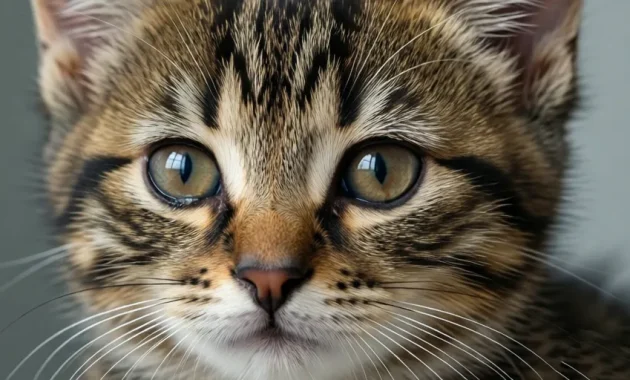
Conjunctivitis—inflammation of the palpebral and bulbar conjunctiva—is highly prevalent in kittens under six months due to their developing immune systems. Prompt intervention is critical to prevent permanent ocular sequelae, such as corneal ulceration, symblepharon, or blindness.
Clinical Presentation
-
Hyperemia & Edema: Unilateral or bilateral erythema (redness) and chemosis (swelling) of the conjunctival tissues.
-
Ocular Discharge: Epiphora (watery eyes) progressing to mucoid or mucopurulent (thick, white-to-greenish) exudate that often glues the eyelids shut.
-
Blepharospasm: Squinting and photophobia (light sensitivity).
3 Primary Etiologies of Kitten Conjunctivitis
                      [ CONJUNCTIVITIS PATHWAYS ]
                                   │
       +---------------------------+---------------------------+
       |                           |                           |
 [ Environmental Irritants ]  [ Viral Pathogens ]       [ Bacterial Pathogens ]
 - Dust, particulates, smoke.  - Feline Herpesvirus-1.   - Chlamydia felis.
 - Mechanical irritation.     - Chronic/latent cycles.  - Secondary opportunists.
1. Environmental Irritants (Dust & Particulates)
Micro-particles from clay litter, household dust, or smoke physically irritate the ocular surface. This triggers mechanical inflammation and compromises the tear film, leaving the eye vulnerable to secondary infections.
2. Viral Pathogens (Feline Herpesvirus-1 / FHV-1)
FHV-1 is the primary viral driver of upper respiratory infections and ocular disease in felines. It causes severe, souvent chronic conjunctivitis and can lead to corneal ulceration. Once infected, kittens become lifelong latent carriers, with shedding re-triggered by stress.
3. Bacterial Pathogens
-
Primary Pathogens: Chlamydia felis (characterized by severe chemosis) and Mycoplasma felis.
-
Secondary Opportunists: Staphylococcus spp. and Streptococcus spp. colonize surfaces previously damaged by viral or environmental factors.
At-Home Triage and First Aid Protocols
1. Sterile Ocular Lavage
-
Action: Soak a sterile cotton ball or gauze pad in lukewarm, clean water or sterile saline solution.
-
Technique: Wipe gently from the medial canthus (inner corner) to the lateral canthus (outer corner) to remove crusted exudate.
-
Contraindication: Never use the same cotton ball for both eyes. Cross-contamination can rapidly spread a unilateral infection to the healthy eye.
2. Contraindications for Unprescribed Therapeutics
-
Strict Warning: Do not administer human over-the-counter eye drops, leftover veterinary ophthalmic medications, or steroid-containing drops.
-
Risk: If a corneal ulcer is present (common with FHV-1), topically applied corticosteroids will inhibit corneal healing and can lead to corneal perforation and loss of the globe.
3. Clinical Threshold for Veterinary Intervention
If clinical signs—such as severe swelling, inability to open the eyelids, or lethargy—persist beyond 24 hours, immediate veterinary evaluation is required for diagnostic staining (fluorescein) and targeted antimicrobial/antiviral therapy.
Nutritional System Support
Optimizing systemic immunity accelerates epithelial repair and helps control viral replication.
-
Weaning Phase (3 Weeks to 6 Months): Transition kittens to Pro Plan Kitten Starter. Formulated with real salmon and tuna, its kibble is designed to easily rehydrate with warm water, providing highly bioavailable proteins and essential fatty acids to bridge the immunity gap during weaning.
-
Growth Phase (Up to 1 Year): Advance to standard Pro Plan Kitten dry food to sustain musculoskeletal development and immune defenses through juvenile maturity.
FAQ (Frequently Asked Questions)
1. What is conjunctivitis in kittens?
Conjunctivitis is an inflammation of the conjunctiva, the thin membrane that covers the inner eyelids and part of the eye surface. It is one of the most common eye conditions in kittens, especially those under six months of age due to their developing immune systems.
2. What are the most common signs of conjunctivitis in kittens?
Common symptoms include red eyes, swollen eyelids, excessive tearing, thick mucus or pus-like discharge, squinting, blinking excessively, sensitivity to light, and difficulty opening the eyes due to crust buildup.
3. What causes conjunctivitis in kittens?
The condition is primarily caused by environmental irritants, viral infections such as Feline Herpesvirus-1 (FHV-1), and bacterial infections including Chlamydia felis and Mycoplasma felis.
4. Can dust and litter cause eye inflammation in kittens?
Yes. Dust particles, clay litter dust, smoke, and airborne debris can irritate the eye surface, triggering inflammation and increasing the risk of secondary infections.
5. What is Feline Herpesvirus-1 (FHV-1)?
FHV-1 is a highly contagious viral infection that commonly affects kittens. It causes respiratory symptoms and eye diseases, including chronic conjunctivitis, corneal ulcers, and recurring flare-ups throughout a cat's life.
6. Is conjunctivitis contagious between cats?
Yes. Viral and bacterial conjunctivitis can spread between cats through direct contact, shared bedding, food bowls, grooming, and respiratory secretions.
7. How do bacterial eye infections differ from viral infections?
Bacterial infections often produce thick yellow, white, or green discharge, while viral infections frequently cause watery eyes, recurring symptoms, and may be accompanied by sneezing or respiratory issues.
8. Can conjunctivitis lead to blindness?
If left untreated, severe conjunctivitis can progress to corneal ulcers, scarring, symblepharon (adhesion of eye tissues), and in extreme cases permanent vision loss or blindness.
9. How should I clean my kitten's infected eyes?
Use sterile saline solution or lukewarm clean water with sterile gauze or cotton. Gently wipe from the inner corner of the eye outward. Always use a separate cotton pad for each eye.
10. Can I use human eye drops on my kitten?
No. Human eye drops, especially those containing steroids, can worsen eye conditions and may cause severe complications if a corneal ulcer is present.
11. When should I take my kitten to the veterinarian?
Seek veterinary care immediately if symptoms last longer than 24 hours, the kitten cannot open its eyes, severe swelling develops, discharge becomes excessive, or the kitten shows lethargy and loss of appetite.
12. How do veterinarians diagnose conjunctivitis?
Diagnosis may include a physical eye examination, fluorescein staining to detect corneal ulcers, bacterial testing, and evaluation for viral infections such as FHV-1.
13. What treatments are commonly prescribed?
Treatment depends on the cause and may include antibiotic eye drops, antiviral medications, anti-inflammatory therapies, ocular lubricants, and supportive care.
14. Can nutrition help kittens recover from eye infections?
Yes. High-quality kitten nutrition supports immune function, tissue repair, and overall health, helping the body recover more effectively from infections.
15. How can I prevent conjunctivitis in kittens?
Maintain a clean environment, reduce dust exposure, provide proper nutrition, keep vaccinations up to date, isolate infected cats when necessary, and schedule regular veterinary checkups.