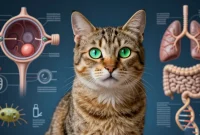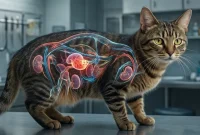
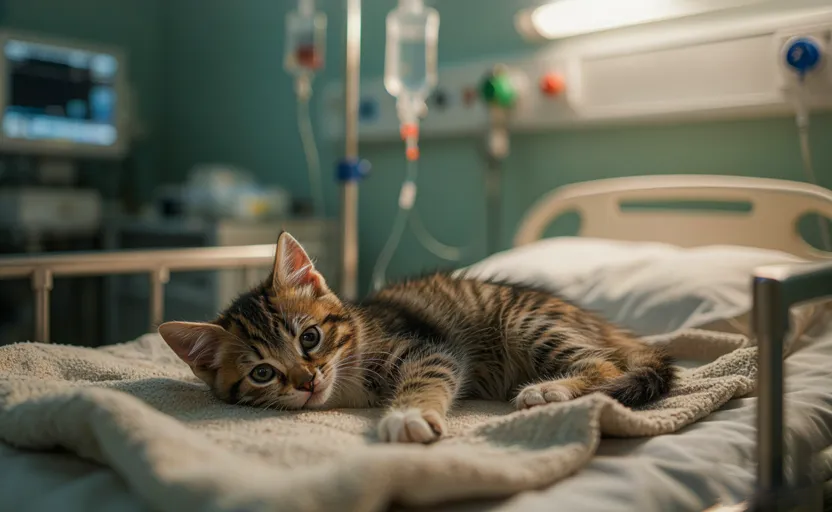
Feline Panleukopenia Virus (FPV)—historically known as feline distemper, feline infectious enteritis, or feline parvovirus—is one of the most lethal and highly contagious viral pathogens affecting domestic and wild feline populations globally. Characterized by its rapid onset, severe gastrointestinal destruction, and profound bone marrow suppression, FPV presents a critical threat, particularly in high-density environments such as shelters, catteries, and feral colonies.
Because the virus can survive in the environment for over a year and resists many standard household disinfectants, managing an outbreak requires a deep understanding of its virology, transmission vectors, and clinical management. This comprehensive guide outlines the biological mechanisms of FPV, its clinical presentation, therapeutic interventions, and strict biosecurity protocols designed to prevent and contain infections.
Virology and Pathophysiology: The Cellular Assault
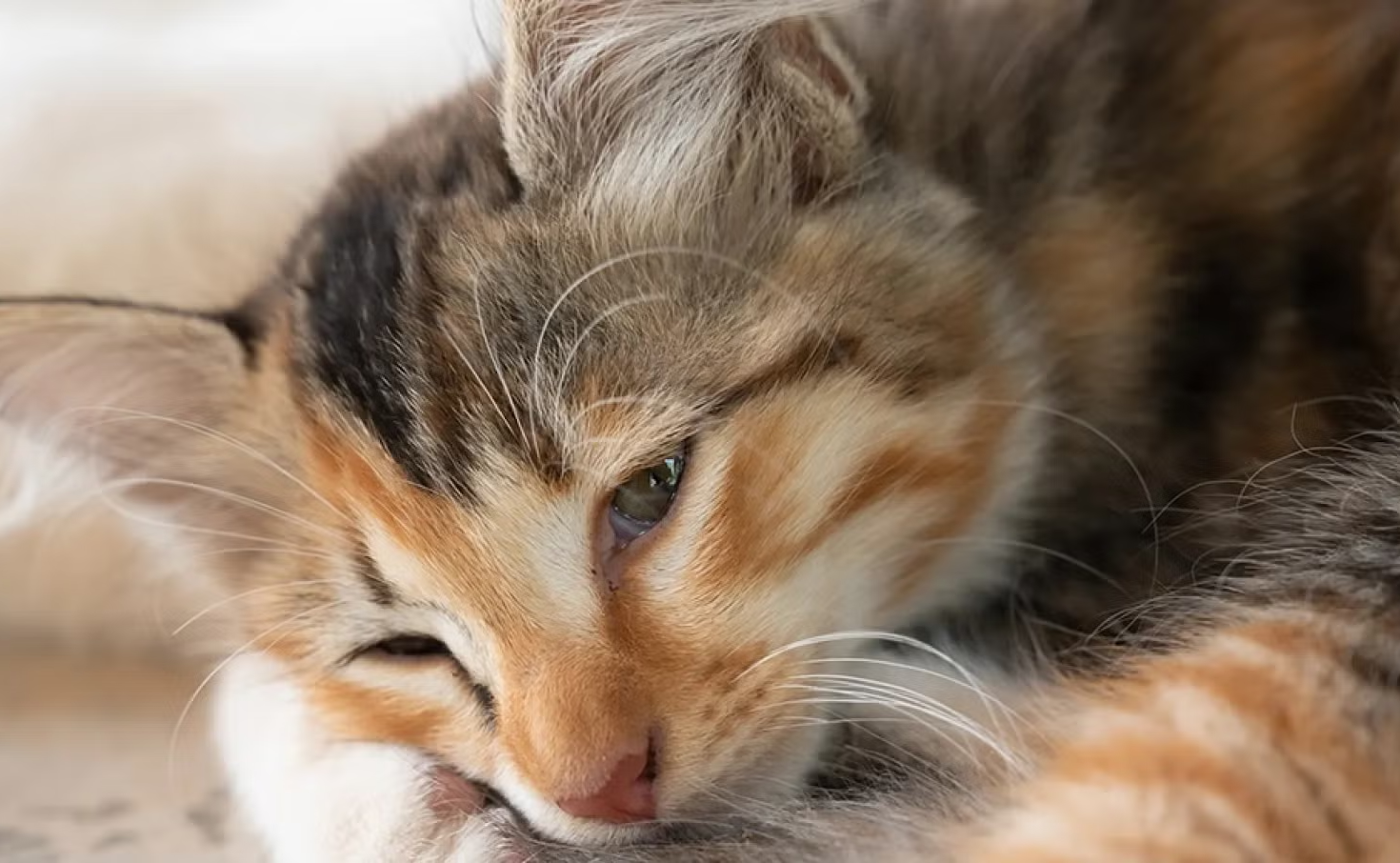
Feline Panleukopenia Virus belongs to the family Parvoviridae, specifically classified as a single-stranded, non-enveloped DNA virus. Its lack of a lipid envelope is a major reason for its extreme durability; it can withstand freezing temperatures, alcohol, and many common detergents.
                    [FPV Cellular Pathogenesis]
                                 │
         ┌───────────────────────┴───────────────────────┐
         ▼                                               ▼
[Target: Bone Marrow]                           [Target: GI Tract]
• Destruction of stem cells                     • Sloughing of intestinal crypts
• Collapse of white blood cells                 • Loss of mucosal barrier
• Systemic panleukopenia                        • Hemorrhagic enteritis & sepsis
The Mechanism of Cellular Destruction
Parvoviruses cannot replicate independently; they rely entirely on the mitotic machinery of host cells to reproduce. Consequently, FPV specifically targets and destroys tissues characterized by rapid cell division:
-
The Hematopoietic System (Bone Marrow): FPV infects and destroys active stem cells within the bone marrow. This halts the production of all white blood cell lines, including neutrophils, lymphocytes, monocyte/macrophages, and eosinophils. The resulting condition, panleukopenia (a total collapse of circulating white blood cells), leaves the feline completely defenseless against secondary bacterial invaders.
-
The Gastrointestinal Tract (Intestinal Crypts): The lining of the feline small intestine relies on constant cell division within the crypts of Lieberkühn to replace older cells on the intestinal villi. FPV attacks these dividing crypt cells, preventing the regeneration of the intestinal lining. This leads to massive sloughing of the mucosal barrier, leaving the intestines unable to absorb nutrients or fluids and allowing normal gut bacteria to cross directly into the bloodstream.
Transmission Vectors: Horizontal and Vertical Dynamics
Understanding how FPV spreads is critical for implementing effective quarantine and biosecurity measures. The virus utilizes both horizontal and vertical transmission routes to infect new hosts.
                        [Transmission Vectors]
                                  │
       ┌──────────────────────────┴──────────────────────────┐
       ▼                                                     ▼
[Horizontal Route]                                    [Vertical Route]
• Fecal-oral ingestion                                • In utero transplacental transfer
• Aerosolized droplets                                • Fetal resorption / Early abortion
• Fomite contamination (surfaces/clothing)            • Cerebellar Hypoplasia (Late-term)
Horizontal Transmission Mechanics
The primary route of horizontal transmission is the fecal-oral pathway. Infected felines shed massive quantities of the virus in their feces, saliva, urine, and vomitus.
-
Direct Contact: Healthy cats can contract the virus through direct grooming, shared litter boxes, or inhaling aerosolized droplets from an infected cat in close proximity.
-
Fomite Transmission: Because the virus is highly stable, it easily spreads via inanimate objects (fomites) such as cages, food bowls, surgical instruments, and the hands or clothing of caretakers. A human handling an infected kitten can easily transport active viral particles to a healthy litter blocks away.
Vertical (In Utero) Transmission Mechanics
If a pregnant queen becomes infected with FPV, the virus can cross the placental barrier to attack the rapidly dividing cells of the developing fetuses. The clinical outcome depends largely on the stage of gestation:
-
Early-to-Mid Gestation: Infection often results in embryonic death, fetal resorption, or spontaneous abortion.
-
Late Gestation: The virus targets the rapidly dividing cells of the fetal cerebellum, which controls motor coordination and balance. Kittens that survive this in utero infection are born with a permanent neurological condition known as Cerebellar Hypoplasia. While not progressive or painful, these kittens display lifelong intention tremors, a wide-based gait, and ataxia (lack of voluntary coordination).
Clinical Manifestations and Diagnostic Staging
Following an incubation period of 2 to 7 days, clinical symptoms present rapidly, often shifting from mild lethargy to a life-threatening crisis within hours.
Key Clinical Indicators
-
Hyperpyrexia followed by Hypothermia: Infected cats initially develop a high fever ($40^\circ\text{C} – 41.1^\circ\text{C}$ / $104^\circ\text{F} – 106^\circ\text{F}$). As the disease progresses into septic shock or severe dehydration, their body temperature drops to subnormal levels (hypothermia), indicating critical decompensation.
-
Severe Gastrointestinal Distress: Refusal of food (anorexia) is followed by persistent, projectile vomiting and profuse, foul-smelling, often bloody (hermorrhagic) diarrhea. Affected cats frequently sit over water bowls, desperate for hydration, but are unable to drink due to severe nausea.
-
Dehydration and Cardiovascular Collapse: The rapid loss of fluids and electrolytes via the GI tract leads to severe dehydration, loss of skin elasticity, sunken eyes, pale mucous membranes, and dangerous hypovolemic shock.
Diagnostic Matrix
To confirm a diagnosis of FPV, veterinarians utilize a combination of physical assessments and laboratory diagnostics:
Medical Management and Therapeutic Framework
There is no direct antiviral medication capable of curing Feline Panleukopenia. Treatment focuses on aggressive, round-the-clock supportive care to keep the patient stable while their immune system attempts to clear the virus and regenerate white blood cells.
                    [Supportive Care Infrastructure]
                                   │
         ┌─────────────────────────┼─────────────────────────┐
         ▼                         ▼                         ▼
[Aggressive Fluid Resuscitation] [Broad-Spectrum Antibiotics] [Antiemetics & Pain Control]
• Balanced crystalloid therapy    • Combats secondary sepsis  • Maropitant / Ondansetron
• Potassium/Glucose monitoring    • Protects denuded gut      • Buprenorphine analgesia
1. Fluid Resuscitation and Electrolyte Correction
Correcting hypovolemic shock and dehydration is the top clinical priority. Intravenous (IV) fluid therapy using balanced crystalloids (e.g., Lactated Ringer’s Solution) must be calculated based on the cat’s percentage of dehydration and ongoing fluid losses from vomiting and diarrhea. Because these cats cannot absorb nutrients, fluids are typically supplemented with potassium to counteract hypokalemia and dextrose to prevent hypoglycemia.
2. Broad-Spectrum Antimicrobial Coverage
While antibiotics have no effect on the virus itself, they are critical for preventing fatal bacterial infections (sepsis). Because FPV destroys the intestinal barrier and drops white blood cell counts to near zero, normal gut bacteria can easily migrate into the bloodstream. Intravenous, bactericidal antibiotics (such as ampicillin, often paired with an aminoglycoside or metronidazole once the patient is rehydrated) are administered to provide a protective shield against systemic infection.
3. Antiemetics, Gastroprotection, and Analgesia
-
Antiemetics: Controlling severe nausea is essential to prevent fluid loss and restore gastrointestinal motility. Central and peripheral antiemetics, such as Maropitant (Cenia) and Ondansetron, are routinely used in combination.
-
Analgesia: Intestinal sloughing and severe cramping cause intense abdominal pain. Pain management using continuous or scheduled doses of partial opioid agonists like Buprenorphine helps keep the patient comfortable and reduces physiological stress.
-
Nutritional Support: As soon as vomiting is controlled, early nutritional intervention via micro-enteral nutrition or a nasoesophageal (NE) feeding tube is initiated. This provides direct energy to the cells of the gut wall (enterocytes), accelerating intestinal healing.
Biosecurity, Vaccination, and Preventive Protocols
Because FPV is highly stable and easily transmissible, prevention through strategic vaccination and strict biosecurity protocols is the only effective way to protect feline populations.
                    [Biosecurity & Prevention Protocol]
                                    │
         ┌──────────────────────────┴──────────────────────────┐
         ▼                                                     ▼
[Immunological Shielding: FVRCP]                      [Environmental Sanitation]
• Core vaccine initiation at 6–8 weeks                 • Isolation of suspected cases
• Boosters every 3–4 weeks until 16–20 weeks          • Bleach or potassium peroxymonosulfate
• Annual or triennial adult boosters                  • Strict quarantine for shelter intakes
Immunological Shielding: The FVRCP Vaccine
Vaccination is highly effective at preventing Feline Panleukopenia. The FVRCP vaccine (Feline Viral Rhinotracheitis, Calicivirus, and Panleukopenia) is classified as a core vaccine for all domestic cats.
-
Kitten Schedule: Because maternal antibodies can interfere with the vaccine, kittens must be vaccinated starting at 6 to 8 weeks of age, with boosters administered every 3 to 4 weeks until they reach 16 to 20 weeks of age.
-
Adult Protocol: Adult cats should receive a booster one year after their kitten series, followed by booster injections every 3 years to maintain robust immunity. Vaccinated adult cats exposed to FPV rarely develop severe clinical disease.
Environmental Sanitation and Quarantine Protocols
Standard household cleaners, chlorhexidine, and isopropyl alcohol are completely ineffective against FPV. To decontaminate an area after an FPV exposure, facilities must use specific virucidal agents:
-
Sodium Hypochlorite (Household Bleach): A 1:32 dilution applied to non-porous surfaces with a minimum contact time of 10 minutes.
-
Potassium Peroxymonosulfate (e.g., Rescue or Trifectant): An accelerated hydrogen peroxide or potassium-based oxidizing agent capable of breaking down non-enveloped viral capsids.
In shelter or multi-cat environments, all incoming felines must undergo a strict 14-day quarantine before joining the general population. Any cat showing signs of lethargy, pyrexia, or gastrointestinal distress must be immediately moved to an isolation ward with dedicated air filtration, separate supplies, and unique protective gear (PPE) for caretakers to prevent cross-contamination.
Summary: Eradicating FPV Transmission Pathways
Feline Panleukopenia Virus remains a highly dangerous pathogen due to its environmental durability and rapid cellular destruction. However, by understanding how it targets dividing cells, identifying symptoms early through proper diagnostics, and maintaining strict adherence to core FVRCP vaccination schedules and specialized sanitation, pet owners and shelter managers can successfully break the cycle of infection and protect feline health.
FAQ – Feline Panleukopenia Virus (FPV)
1. What is Feline Panleukopenia Virus (FPV)?
Feline Panleukopenia Virus (FPV), also known as feline distemper or feline parvovirus, is a highly contagious and often fatal viral disease that attacks rapidly dividing cells in cats, especially in the bone marrow and intestines.
2. How dangerous is FPV for cats?
FPV is considered one of the most lethal feline viruses. Without treatment, mortality rates can be extremely high, particularly in kittens, unvaccinated cats, and shelter populations.
3. How is FPV transmitted?
The virus spreads mainly through the fecal-oral route but can also be transmitted via contaminated surfaces (fomites), clothing, food bowls, litter boxes, and direct contact with infected animals.
4. Can humans catch FPV from cats?
No. FPV is species-specific and does not infect humans. However, humans can act as mechanical carriers by transferring the virus between environments.
5. How long can FPV survive in the environment?
FPV is extremely resilient and can survive for months to over a year in contaminated environments, especially in shelters or uncleaned surfaces.
6. What are the early symptoms of FPV?
Early signs include sudden lethargy, fever, loss of appetite (anorexia), and depression. Symptoms often progress rapidly within 24–48 hours.
7. What are the severe symptoms of FPV?
Severe stages include vomiting, bloody diarrhea, extreme dehydration, abdominal pain, and collapse due to septic shock or immune system failure.
8. Why does FPV cause low white blood cells?
FPV targets bone marrow stem cells, destroying white blood cell production and leading to panleukopenia, which severely weakens the immune system.
9. Can pregnant cats pass FPV to kittens?
Yes. In utero infection can lead to miscarriage, fetal death, or cerebellar hypoplasia in surviving kittens, causing lifelong coordination issues.
10. Is there a cure for FPV?
There is no direct antiviral cure. Treatment is supportive, focusing on IV fluids, antibiotics to prevent secondary infections, anti-nausea medication, and nutritional support.
11. How is FPV diagnosed?
Diagnosis may involve clinical signs, rapid fecal antigen tests, bloodwork showing low white blood cells, and PCR testing for viral DNA confirmation.
12. How is FPV treated in veterinary care?
Treatment includes:
- Aggressive fluid therapy
- Electrolyte correction
- Broad-spectrum antibiotics
- Anti-emetics (e.g., maropitant, ondansetron)
- Pain management and nutritional support
13. Can FPV be prevented?
Yes. Vaccination using the FVRCP vaccine is highly effective and considered essential for all cats.
14. What is the FPV vaccination schedule for kittens?
Kittens should receive vaccines starting at 6–8 weeks of age, followed by boosters every 3–4 weeks until 16–20 weeks old.
15. How do you disinfect an environment contaminated with FPV?
Only strong disinfectants such as diluted bleach (sodium hypochlorite) or potassium peroxymonosulfate are effective. Standard alcohol-based cleaners are not sufficient.