
The Ultimate Puppy Nutrition Guide: Feeding Your Young Dog for a Healthy Life
3 months ago · Updated 3 months ago
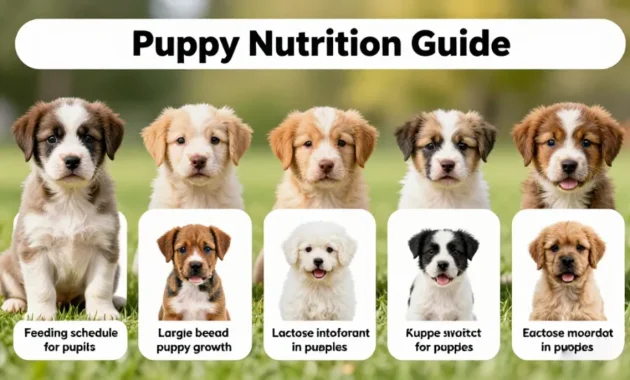
Bringing a new puppy home is a joyful experience, but it also marks the beginning of a critical developmental phase. The first few months of a puppy's life are the foundation for their long-term health. From the moment they take their first bite of solid food to the day they transition to adult kibble, every nutrient counts.
In this comprehensive guide, we will explore the essentials of puppy nutrition, feeding schedules, and how to avoid common dietary pitfalls.

The Transition to Solid Food: When and How?
At around 4 weeks of age, a puppy's nutritional needs begin to exceed what mother's milk alone can provide. This is the ideal time to introduce solid food.
-
The Softening Technique: For puppies under 8 weeks old, commercial dry food should be softened with warm water to create a mushy consistency that is easy on their developing teeth and digestion.
-
Weaning: By 6 weeks, most puppies are ready to be fully weaned from their mother.
-
The 7-Day Switch: When introducing a new brand or type of food, use the "slow-blend" method. Mix the new food with the old at a ratio of 25%, 50%, 75%, and finally 100% over a one-week period. This prevents digestive upset and diarrhea.
Balancing the Core Nutrients
A puppy's diet must be a precise balance of proteins, fats, carbohydrates, vitamins, and minerals. More is not always better.
Proteins and Carbohydrates
Proteins are the building blocks of tissue, while carbohydrates provide the energy for daily play. Without enough carbs, the body will mistakenly burn protein for energy, which can stunt tissue growth.
The Role of Fats
Fats are essential for energy and the transport of vitamins A, D, E, and K.
-
Too little fat: Can lead to a dull coat and stunted growth.
-
Too much fat: Can cause obesity and dangerous bone growth abnormalities, especially in large breeds.
Vitamins and Minerals
If you are feeding a high-quality, "complete and balanced" commercial puppy food, do not add extra supplements. Over-supplementing calcium and phosphorus can lead to serious skeletal deformities.

Choosing Your Puppy’s Food: Wet vs. Dry
Both canned (wet) and kibble (dry) foods have their place in a puppy's bowl.
-
Wet Food: Often more palatable due to its strong aroma and flavor. However, it should not be left out for more than 2 hours to avoid bacterial growth. Once opened, it should be refrigerated and used within 3 days.
-
Dry Food: More economical and beneficial for dental health.
-
Hydration is Key: Regardless of the food type, clean, fresh water must be available 24/7 to support the puppy's high metabolic rate.
Feeding Schedules and Growth Milestones
Small and medium breeds reach 50% of their adult weight around 4 months, while large breeds (over 25kg) reach that milestone at 5 months.
-
Frequency: Feed puppies 3 to 4 times a day until they are 6 months old. After 6 months, you can transition to 2 meals per day.
-
When to switch to Adult Food:
-
Small/Medium Breeds: Continue puppy food until 12 months.
-
Large Breeds: Transition to adult food between 14–16 months to prevent them from growing "too fast," which can stress their joints.
-
Dangerous Foods and Common Mistakes
The "Human Food" Trap
It’s tempting to share your snacks, but human food often contains ingredients like onions or garlic, which are toxic to dogs. Furthermore, treats and table scraps can lead to obesity and make your puppy a "picky eater," causing them to reject their balanced dog food.
The Milk Myth
Once a puppy is on solid food, they no longer need milk. Many puppies are lactose intolerant, and giving them cow's milk can cause severe diarrhea. If you must give milk, use a specific puppy formula, goat's milk, or low-lactose milk.
Signs of a Healthy Diet
How do you know if your puppy's nutrition is on point? Look for these "Success Signs":
-
High Energy: A playful and alert demeanor.
-
Shiny Coat: Thick, glowing fur without excessive shedding.
-
Perfect Stools: Firm, shaped droppings that are brown to dark brown.
-
Steady Growth: Consistent weight gain without looking "round" or obese.
Preventive Healthcare
Nutrition goes hand-in-hand with medical care. Ensure your puppy receives:
-
Vaccinations: Starting between 1.5 to 2 months old to prevent infections.
-
Deworming: Regular deworming is vital because internal parasites steal the very nutrients you are working so hard to provide.
Conclusion
Feeding a puppy is about more than just filling a bowl; it’s about providing the specific fuel their body needs to thrive. By choosing high-quality food, maintaining a schedule, and avoiding the temptation of table scraps, you are giving your furry friend the best possible start in life.
Frequently Asked Questions (FAQ)
1. When can puppies start eating solid food?
Puppies can start eating solid food at around 4 weeks of age. At this stage, food should be softened with warm water to make it easier to chew and digest.
2. How often should I feed my puppy?
Puppies should be fed:
- 3–4 times per day until 6 months old
- Then reduced to 2 meals per day after 6 months
Frequent feeding supports their rapid growth and energy needs.
3. What is the best food for puppies?
The best food is a high-quality, complete and balanced puppy formula that contains the right mix of protein, fat, vitamins, and minerals. Choose food specifically labeled for puppies.
4. Can I give my puppy milk?
No, most puppies are lactose intolerant after weaning. Giving cow’s milk can cause diarrhea. If needed, use specially formulated puppy milk replacers.
5. When should I switch my puppy to adult dog food?
- Small/medium breeds: around 12 months
- Large breeds: 14–16 months
Switching too early or too late can affect growth and health.
6. Is wet food or dry food better for puppies?
Both have benefits:
- Wet food: More palatable and easier to eat
- Dry food: Better for dental health and more economical
Many owners use a combination of both.
7. How do I safely change my puppy’s food?
Use a gradual 7-day transition method:
- Day 1–2: 25% new food
- Day 3–4: 50%
- Day 5–6: 75%
- Day 7: 100% new food
This helps prevent digestive upset.
8. What foods are dangerous for puppies?
Avoid:
- Chocolate
- Onions and garlic
- Grapes and raisins
- Spicy or fatty human food
These can be toxic or harmful to your puppy’s health.
9. How do I know if my puppy is eating well?
Signs of a healthy diet include:
- High energy and playfulness
- Shiny coat
- Firm, well-formed stools
- Steady, healthy growth
10. Do puppies need supplements?
If you are feeding a high-quality commercial puppy food, supplements are usually not necessary. Adding extra vitamins or minerals without guidance can be harmful.