The 2026 Feline Wellness Masterguide: Nutrition, Behavior, and the Science of Love
3 months ago
Being a PetLover in 2026 has evolved. We no longer see our cats as independent, low-maintenance roommates; we see them as complex biological wonders that require specific environmental and nutritional "hacks" to thrive. Whether you are dealing with a "rewel" (fussy) eater, a multi-cat household conflict, or simply want to know if your cat actually loves you, this guide covers the essential pillars of modern feline care.
The Nutrition Revolution: Why Moisture is Medicine
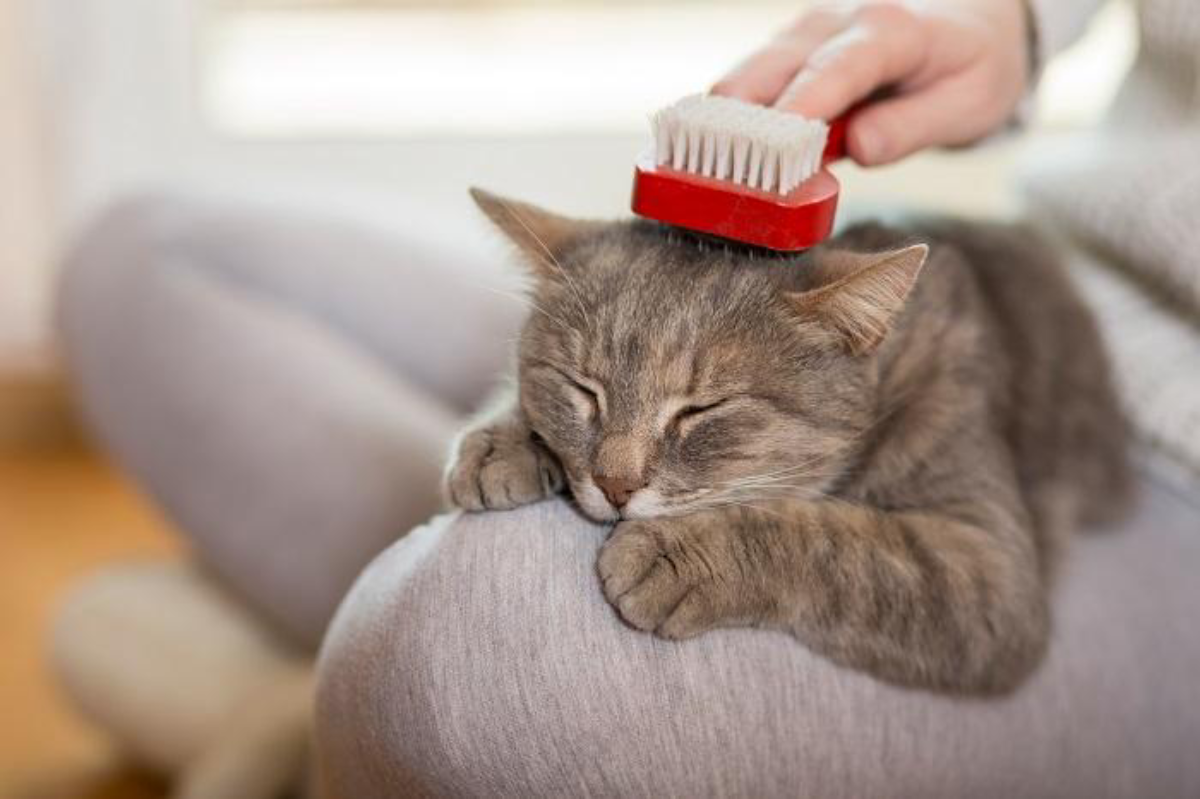
The biggest shift in feline health this year is the move away from "dry-only" diets. Cats are obligate carnivores with a low thirst drive, evolved from desert ancestors who obtained 70% of their hydration from prey.
The Wet Food Advantage
In 2026, brands like Smalls and Tiki Cat have led the charge in "biologically appropriate" meals.
-
Hydration: Wet food (roughly 75-80% moisture) helps prevent FLUTD (Feline Lower Urinary Tract Disease) and chronic kidney issues.
-
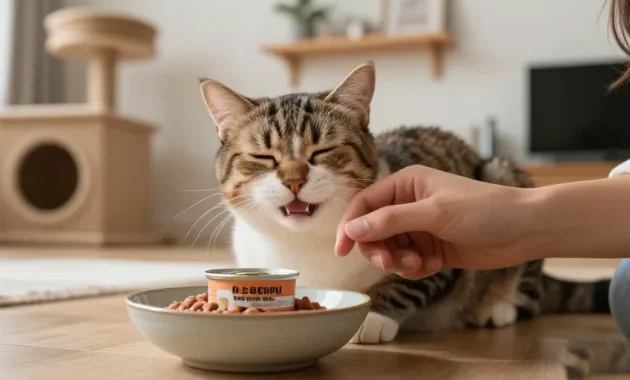
The "Prey Temperature" Trick: To entice a picky eater, warm their wet food to 38°C. This mimics a fresh kill and releases the animal fats' aromas, making the meal irresistible to their powerful olfactory senses.
Decoding the "Love Blink" and Feline Language
Do you ever catch your cat staring at you and slowly closing their eyes? In the feline world, this is the "Love Blink." Since closing one's eyes in the wild is a sign of vulnerability, your cat is telling you they trust you with their life.
How to Reciprocate Love:
-
The Slow Blink Back: Don't just stare; blink back slowly. This reduces the household "stress thermostat."
-
Respect the "Head Bunt": When your cat rubs their face on you, they are marking you with scent glands. Embrace the "bunt"—it’s their way of bringing you into their "communal scent" family.
Managing the Multi-Cat Social Hierarchy
Conflict in multi-cat homes often stems from "resource guarding." Cats are naturally solitary hunters, and the presence of another feline can feel like a threat to their survival.
The "N+1" Resource Rule
To keep the peace, follow this formula for litter boxes, water bowls, and scratching posts: One per cat, plus one extra.
-
Vertical Space: If your cats are hissing, add a cat tree or wall shelves. Vertical territory allows a less confident cat to observe the room without feeling cornered, effectively neutralizing social tension.
Whisker Fatigue: The Hidden Reason Your Cat Won't Eat
Is your cat pulling food out of the bowl and eating it off the floor? They might be suffering from Whisker Fatigue. A cat’s whiskers (vibrissae) are packed with nerve endings. Deep, narrow bowls cause these whiskers to hit the sides, creating sensory overload.
-
The Fix: Switch to a wide, shallow, oval-shaped ceramic bowl. This allows them to eat without their whiskers touching the edges, turning mealtime back into a relaxing experience.
Dealing with Allergies and Sensitivities
If your cat is constantly scratching or has "miliary dermatitis" (tiny scabs), they likely have an allergy. In 2026, we categorize these into three main triggers:
-
Flea Saliva: The most common. One bite can cause weeks of itching.
-
Environmental: Pollen, dust mites, and cigarette smoke.
-
Food Proteins: Usually beef, chicken, or fish.
Treatment in 2026
Switching to a novel protein diet (like Venison or Lamb) can clear up skin issues in as little as eight weeks. Pair this with a high-quality food like Purina Pro Plan Adult to support the skin barrier with Omega fatty acids.
Final Thoughts for PetLovers
Feline wellness is a marathon of small, intentional choices. By providing high-moisture nutrition, respecting their "body grammar," and ensuring an abundance of resources, you aren't just a pet owner—you are a guardian of their longevity.
Which of these strategies will you try today? A slow blink, a wider bowl, or a warm meal?
FAQ About Modern Feline Care & Cat Behavior in 2026
1. Why is wet food recommended for cats in 2026?
Wet food contains high moisture levels that help support hydration, kidney health, and urinary tract function. It also better matches a cat’s natural carnivorous diet.
2. What is FLUTD in cats?
Feline Lower Urinary Tract Disease is a group of urinary conditions that can cause pain, inflammation, difficulty urinating, and bladder problems.
3. Why do cats prefer warm food?
Cats instinctively prefer food near prey temperature (around 38°C or 100°F) because warm meals release stronger aromas that stimulate appetite.
4. How can I encourage a picky cat to eat?
Warm wet food slightly, add a splash of warm water, use shallow bowls, and choose foods rich in animal protein and fats.
5. What does a cat’s slow blink mean?
A slow blink is often called the “love blink.” It signals trust, comfort, and affection in feline body language.
6. Should I slow blink back at my cat?
Yes. Returning a slow blink can help strengthen trust and create a calming interaction between you and your cat.
7. Why does my cat rub their head against me?
Cats use facial scent glands to mark trusted people and objects. Head bunting is a social bonding behavior.
8. What causes fighting in multi-cat homes?
Territorial stress, lack of resources, boredom, and poor introductions are the most common causes of conflict.
9. What is the “N+1 Rule” for cats?
You should provide one more resource than the number of cats in the household. For example, two cats should have three litter boxes.
10. Why do cats need vertical spaces?
Cat trees and shelves help cats feel secure by allowing them to observe their environment from above and avoid confrontation.
11. What is whisker fatigue?
Whisker fatigue happens when sensitive whiskers repeatedly touch deep bowl sides, causing sensory stress during meals.
12. What type of food bowl is best for cats?
Wide, shallow ceramic or stainless-steel bowls are ideal because they reduce whisker stress and are easy to clean.
13. Why is my cat scratching excessively?
Common causes include fleas, environmental allergies, food sensitivities, dry skin, or stress-related over-grooming.
14. What is miliary dermatitis?
Miliary Dermatitis is a skin reaction that causes tiny scabs and intense itching, often linked to allergies.
15. What are the most common cat allergies?
The three most common triggers are flea saliva, environmental allergens (dust, pollen, smoke), and food proteins like chicken or beef.
16. What is a novel protein diet?
A novel protein diet uses uncommon meats like venison, duck, or rabbit to help manage food allergies and digestive sensitivities.
17. How long does it take for a food allergy diet trial to work?
Most cats show improvement within 6–8 weeks when consistently fed a novel protein or hydrolyzed diet.
18. Why is hydration so important for cats?
Cats naturally drink less water than many animals, making moisture-rich diets essential for long-term kidney and urinary health.
19. Can stress affect my cat’s health?
Yes. Stress can contribute to urinary disease, digestive issues, over-grooming, aggression, and appetite changes.
20. What is the best approach to modern feline wellness?
Modern feline care focuses on species-appropriate nutrition, stress reduction, environmental enrichment, and preventative health management.