The Ultimate Guide to Feline Wellness in 2026: Nutrition, Behavior, and Allergy Management
3 months ago
Being a PetLover in 2026 is an exciting yet complex journey. We no longer view our cats as low-maintenance "roommates" but as family members with intricate biological needs. As feline science advances, we’ve learned that the secret to a long, vibrant life for our cats lies in the intersection of species-appropriate nutrition, territorial security, and proactive health monitoring.
If you have ever dealt with a "rewel" (fussy) eater, a sudden household conflict, or a cat that won’t stop scratching, this guide is for you. We are breaking down the three pillars of modern feline care.
The Nutrition Revolution: Beyond the Kibble Bowl
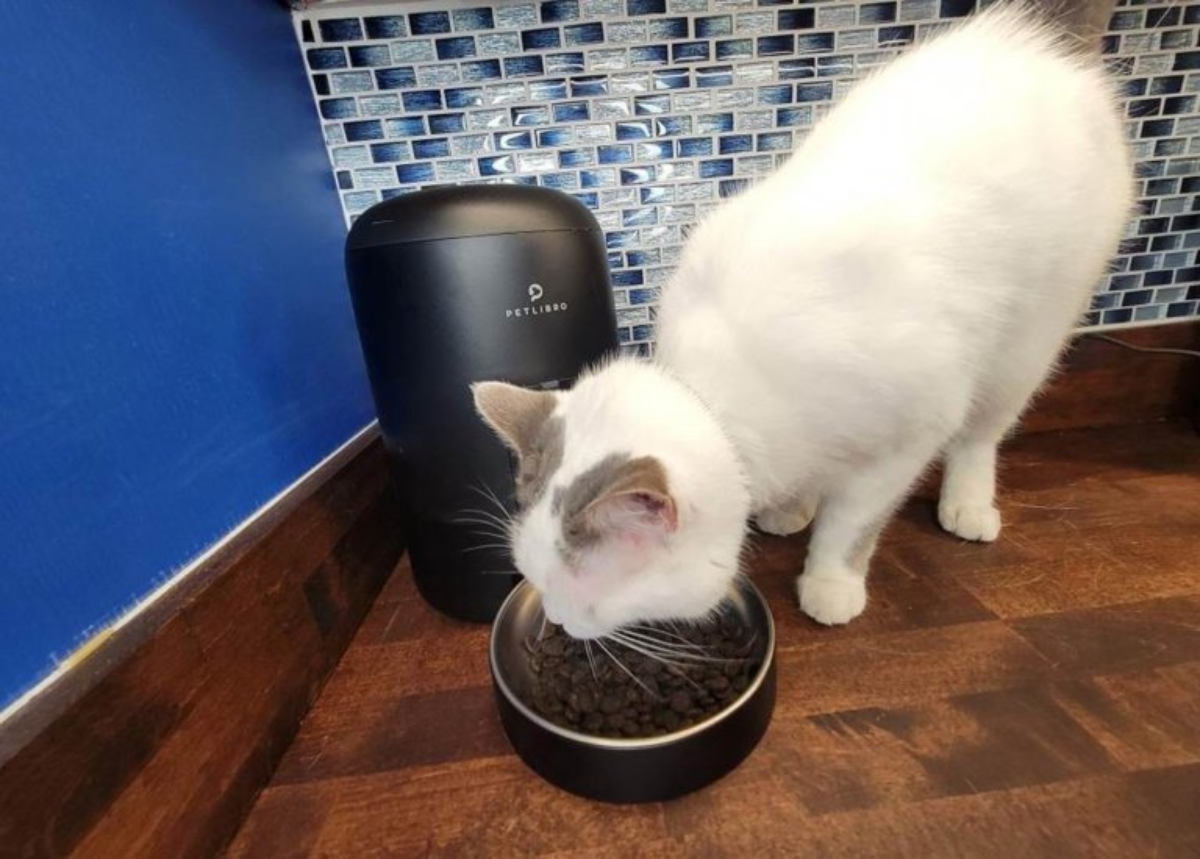
In 2026, the consensus among veterinary nutritionists is clear: moisture is medicine. Cats are obligate carnivores evolved from desert ancestors who obtained water from their prey.
Why Wet Food Wins
Traditional dry kibble often contains high levels of starches and sugars—fillers that cats are not biologically designed to process. This often leads to feline obesity and FLUTD (Feline Lower Urinary Tract Disease).
-
The Hydration Factor: High-quality wet foods (like those from Smalls or Tiki Cat) provide the 75-80% moisture content needed to keep kidneys flushing properly.
-
Temperature Matters: Cats prefer food at "prey temperature" (38-39°C). Adding a splash of warm water to their meal not only hydrates them but also enhances the aroma, making it irresistible to even the pickiest eaters.
Managing the Multi-Cat Social Hierarchy
If you have brought a new cat into your home, you know that peace is not guaranteed. Cat relationships are transient; they require constant environmental management to remain positive.
The "N+1" Rule of Resources
The primary cause of conflict in 2026 households is resource guarding. To prevent "gatekeeping" and bullying:
-
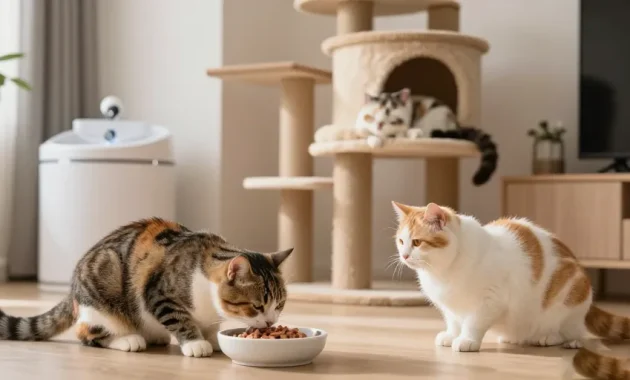
Abundance is Key: Always provide one more of everything than the number of cats you have. Three cats? You need four litter boxes and four water stations.
-
Vertical Real Estate: When a cat feels threatened, their instinct is to go up. Providing cat trees and wall shelves allows a less confident cat to observe the room without feeling cornered, effectively lowering the household's "stress thermostat."
Decoding Feline Allergies: The Itchy Cat Dilemma
Is your cat over-grooming or developing "miliary dermatitis" (tiny scabs)? In 2026, we know that these are rarely "just skin issues"—they are hypersensitivity reactions.
The Big Three Triggers
-
Flea Allergy Dermatitis (FAD): Even if you don't see fleas, a single bite can trigger weeks of itching. Year-round, prescription-strength prevention is non-negotiable.
-
Environmental Allergies: Just like humans, cats react to pollen, dust mites, and cigarette smoke. Using dust-free litter and HEPA air purifiers can drastically improve their comfort.
-
Food Sensitivities: Most food allergies are triggered by common proteins like beef or chicken. Switching to a "novel protein" like Venison (Ziwi Peak) or a hydrolyzed diet can be a game-changer for a cat with chronic skin or stomach issues.
The "Silent" Stressor: Whisker Fatigue
Sometimes, a cat stops eating because of the bowl, not the food. Their whiskers are highly sensitive sensory organs. Deep, narrow bowls cause "Whisker Fatigue" by constantly over-stimulating these nerves during mealtime.
-
The Fix: Use wide, shallow, oval-shaped ceramic bowls. This allows your cat to eat comfortably without their whiskers touching the edges.
Taming and Bonding: The Power of Trust
Taming a shy or aggressive cat is a marathon, not a sprint. The goal is to move from a state of fear to a state of mutual choice.
-
The Invitational Approach: Sit on the floor and ignore the cat. Let them approach you. When you offer your hand, keep it at nose level.
-
Pheromone Therapy: Tools like Feliway diffusers send "safe zone" signals to a cat's brain, helping them feel secure enough to start the bonding process.
Final Thoughts for PetLovers
The landscape of feline care is shifting toward preventative, biological wellness. By respecting their need for animal-based proteins, providing vertical safety, and managing environmental allergens, we can ensure our feline companions thrive well into their late teens and twenties.
Which part of your cat's routine will you upgrade today? A wider bowl, a new cat tree, or a moisture-rich meal?
FAQ About Modern Feline Care in 2026
1. Why is wet food considered healthier for cats in 2026?
Wet food contains high moisture levels (around 75–80%), helping cats stay hydrated and reducing the risk of urinary tract disease and kidney problems.
2. Why do cats prefer warm food?
Cats naturally prefer food close to prey temperature (38–39°C) because warm food releases stronger aromas that stimulate their appetite.
3. What is FLUTD in cats?
Feline Lower Urinary Tract Disease is a group of urinary problems that can cause pain, difficulty urinating, and bladder inflammation, often linked to dehydration and stress.
4. How can I help a picky or “rewel” cat eat better?
Try warming wet food slightly, adding warm water, using shallow bowls, and choosing foods with strong animal-protein aromas.
5. What is the “N+1 Rule” for multi-cat homes?
You should always provide one more resource than the number of cats in your home. For example, if you have 3 cats, provide 4 litter boxes and 4 feeding/water stations.
6. Why do cats need vertical spaces?
Cats feel safer when they can climb and observe from above. Cat trees and wall shelves reduce stress and help prevent territorial conflicts.
7. What causes aggression between cats?
Common triggers include resource guarding, lack of territory, stress, boredom, and improper introductions between cats.
8. What is whisker fatigue?
Whisker fatigue happens when sensitive whiskers repeatedly touch deep bowl edges, causing discomfort and stress during meals.
9. What type of bowl is best for cats?
Wide, shallow ceramic or stainless-steel bowls are ideal because they reduce whisker stress and are easier to clean.
10. Why is my cat constantly scratching or over-grooming?
This may be caused by allergies, fleas, stress, environmental irritants, or food sensitivities.
11. What is Flea Allergy Dermatitis?
Flea Allergy Dermatitis is an allergic reaction to flea saliva. Even a single flea bite can trigger intense itching and skin irritation.
12. What are environmental allergies in cats?
Cats can react to pollen, dust mites, smoke, mold, or scented litter, causing itching, sneezing, and skin problems.
13. What is a novel protein diet?
A novel protein diet uses uncommon proteins like venison, rabbit, or duck to help manage food allergies and digestive sensitivities.
14. Can stress make cats sick?
Yes. Chronic stress can lead to urinary problems, digestive issues, over-grooming, appetite loss, and aggressive behavior.
15. How do pheromone diffusers help cats?
Products like Feliway release calming pheromones that help reduce anxiety and improve social harmony.
16. How should I introduce a new cat to my home?
Use slow introductions with scent swapping, visual barriers, and supervised interactions. Never force immediate face-to-face contact.
17. Why is hydration so important for cats?
Cats naturally drink less water than other animals, so hydration from wet food is essential for healthy kidneys and bladder function.
18. How can I tame a shy or fearful cat?
Use patience, calm body language, quiet environments, interactive play, and reward-based bonding techniques.
19. What are signs of food allergies in cats?
Symptoms include vomiting, diarrhea, itchy skin, ear infections, and excessive licking or scratching.
20. What is the most important part of modern feline care?
Balancing proper nutrition, environmental enrichment, stress reduction, and preventative healthcare is the foundation of long-term feline wellness.