The Guardian’s Protocol: Mastering Feline Diabetes and Digital Stewardship
3 months ago
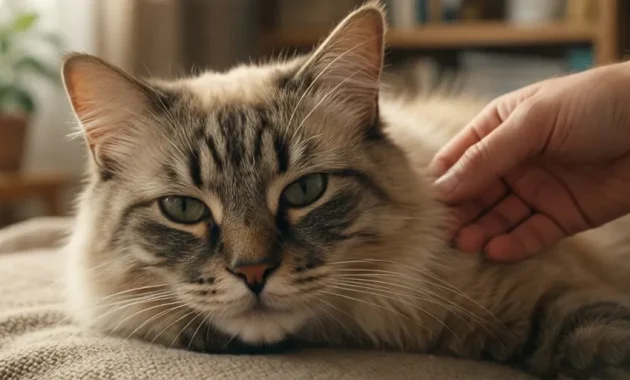
Managing a senior diabetic cat is an exercise in systemic precision. Much like maintaining a stable network or a secure data archive, feline diabetes requires consistent inputs, rigorous monitoring, and an eye for detail. In 2026, we utilize both biological science and digital tools to ensure our senior "Guardians" live their best lives.
The Nutritional and Physical Foundation
1. The Low-Carb High-Protein Mandate
Diabetes mellitus is a battle of hormones. To win, the diet must be "reprogrammed."
-
The Formula: Veterinary standards suggest a diet of $\le$12–15% carbohydrate and $\ge$40–45% protein.
-
The Wet Food Advantage: Canned or wet foods are naturally lower in carbs than dry kibble, making them the superior choice for blood sugar stabilization.
2. Strategic Weight Management
Obesity is a primary risk factor, but weight loss must be executed like a controlled software rollout: slow and steady.
-
The Rate: Aim for a loss of 0.5–1% of body weight per week.
-
The Goal: Shed fat, not muscle. Regular weigh-ins are essential to ensure the senior cat maintains the strength needed for their later years.
3. The Power of Routine
Cats are biological creatures of habit. A strict schedule for feeding and insulin injections reduces the "stress flux" in their system. While minor flexibility is manageable, consistency is the "code" that keeps their blood glucose levels predictable.
Clinical Execution and Monitoring
4. Injection Mastery
The transition from pet owner to "medical provider" can be daunting. However, insulin injections quickly become second nature.
-
The Learning Curve: After approximately 50 injections (less than a month for twice-daily doses), most owners become pros.
-
Plan B: If needles are a hard barrier, discuss oral insulin treatments with your vet, though they are generally less effective than traditional injections.
5. Vigilant Home Observation
You are the primary data collector. Your vet sees a snapshot; you see the live stream. Monitor the "Four Tells":
-
Appetite & Thirst
-
Body Weight
-
Urination Frequency
6. Digital and Physical Record Keeping
In 2026, we don't just remember; we archive.
-
The Journal: Maintain a log of symptoms and doses.
-
Digital Integration: Use dedicated apps to sync your cat’s medical data. This creates a "Searchable History" that allows your vet to make data-driven decisions during checkups.
Risk Mitigation and Age-Related Logistics
7. Recognizing the "Signs" (Hyper vs. Hypo)
Understanding the difference between high and low blood sugar is a life-saving skill.
-
Hyperglycemia (Too High): Excessive thirst and weight loss.
-
Hypoglycemia (Too Low): Weakness, wobbliness, or seizures. Emergency Action: Rub honey on the gums and contact the vet immediately.
8. The Complexity of the Aging System
Diabetes rarely exists in a vacuum. Senior cats may also face Hyperthyroidism or Kidney Disease. Because these conditions share symptoms like weight loss and thirst, regular diagnostic "system checks" with your vet are mandatory to differentiate the causes.
9. Engineering for Comfort
A senior cat’s "hardware" is wearing down. Optimize their environment:
-
Accessibility: Use ramps or steps for favorite spots.
-
Ergonomics: Provide lower-sided litter trays and orthopedic beds for aging joints.
The Digital Parallel – Archiving the Journey
As you manage your cat's health, you are generating vital data. This is the perfect time to apply Digital Stewardship.
10. Archiving Medical Records to ISO
To ensure your cat's lifelong medical history is never lost to a crashing hard drive or a defunct cloud service, consider creating a Digital Medical Vault.
-
The ISO Method: Scan all vet reports, lab results, and photos into a single folder. Use software like PowerISO to encapsulate these into a single .iso file.
-
Data Permanence: An ISO file acts as a "Digital Clone" of your records, easily stored on multiple drives or "mounted" on any future computer system to show a new specialist your cat's complete history.
Conclusion: Thinking Positive in 2026
A diagnosis of diabetes is not an end; it is a shift in management. With modern monitoring, specialized nutrition like Pro Plan Derma Plus (for skin health) or prescription diabetic diets, and the disciplined use of digital records, many senior cats enter remission.
By applying the logic of a technician and the heart of a guardian, you can ensure your senior cat’s sunset years are stable, comfortable, and full of love.
Frequently Asked Questions (FAQ)
About Feline Diabetes
1. What is Feline Diabetes Mellitus?
It is a metabolic condition where a cat’s body cannot properly regulate blood glucose levels due to insufficient or ineffective insulin.
2. What are the common symptoms of diabetes in cats?
Typical signs include:
- Increased thirst and urination
- Weight loss despite normal or increased appetite
- Lethargy
- Poor coat condition
3. Can senior cats develop diabetes more easily?
Yes. Older cats are at higher risk, especially if they are overweight or have other underlying health conditions.
About Diet and Nutrition
4. What is the best diet for a diabetic cat?
A low-carbohydrate and high-protein diet (around ≤15% carbs and ≥40% protein) is recommended to help stabilize blood sugar levels.
5. Is wet food better than dry food for diabetic cats?
Yes. Wet food is generally lower in carbohydrates and helps maintain better hydration, making it more suitable for diabetic cats.
6. How important is weight management?
Very important. Controlled weight loss can improve insulin sensitivity and overall health, but it should be gradual and monitored.
About Treatment and Monitoring
7. How do I give insulin injections to my cat?
Most owners learn quickly with guidance from a veterinarian. Injections are usually given under the skin and become routine with practice.
8. What is the difference between hyperglycemia and hypoglycemia?
- Hyperglycemia (high blood sugar): excessive thirst, frequent urination
- Hypoglycemia (low blood sugar): weakness, trembling, or seizures
9. What should I do if my cat has low blood sugar?
Apply a small amount of honey or glucose to the gums and contact your veterinarian immediately.
10. How can I monitor my cat’s condition at home?
Track daily:
- Food intake
- Water consumption
- Body weight
- Urination frequency
About Record Keeping & Digital Care
11. Why is tracking medical data important?
Consistent records help veterinarians make accurate, data-driven decisions and adjust treatment plans effectively.
12. What is an ISO image and how is it useful?
An ISO file is a complete digital copy of stored data. It can be used to safely archive your cat’s medical records in a single, organized file.
13. How can I create a digital archive for my pet’s health records?
Scan or collect all documents and use tools like PowerISO to compile them into an ISO file for long-term storage.
General Care & Safety
14. Can diabetic cats live a normal life?
Yes. With proper diet, insulin therapy, and consistent monitoring, many cats live long and comfortable lives.
15. Are there other health risks for senior diabetic cats?
Yes. Conditions like Hyperthyroidism in Cats or kidney disease can occur alongside diabetes and require regular veterinary checkups.