
The Ultimate Pet Wellness Encyclopedia: From Feline Emergencies to Canine Preventative Care
3 months ago · Updated 1 month ago

For the average pet owner, a quiet day at home is a sign of peace. But for a cat or a dog, silence can be a mask for suffering. Evolution has programmed our pets—especially cats—to hide pain. In the wild, showing weakness is an invitation to predators. In our living rooms, this instinct remains, often leaving owners in the dark until a condition becomes critical.
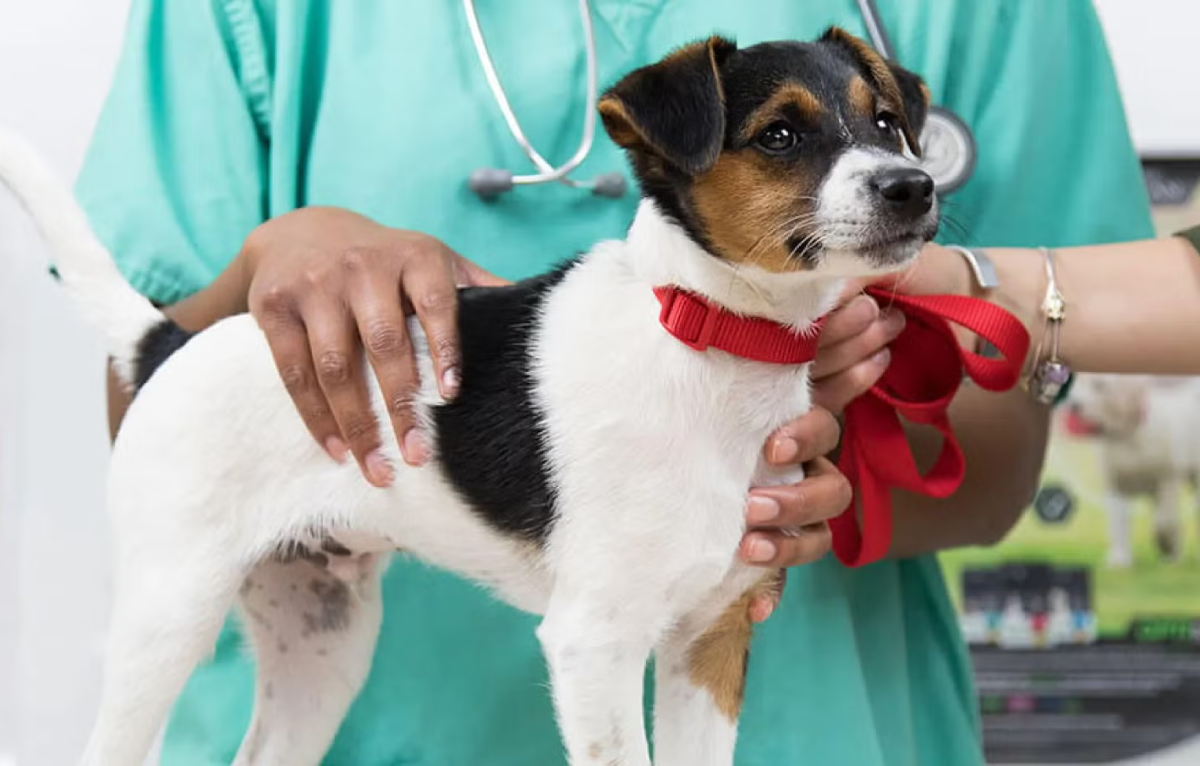
The Silent Struggle – Feline Abdominal Pain
1.1 Understanding the "Acute Abdomen"
In veterinary medicine, the term "acute abdomen" refers to sudden, severe pain originating in the abdominal cavity. The feline abdomen is a crowded neighborhood. It houses the stomach, liver, kidneys, pancreas, spleen, bladder, and miles of delicate intestines. Because these organs are packed so closely, pain in one often radiates, making it difficult for an owner to pinpoint the source.
1.2 Common Causes: From Hairballs to Emergencies
-
Gastroenteritis: Often caused by "dietary indiscretion"—the polite veterinary term for eating a houseplant or a piece of plastic.
-
Obstructions: Cats are famously obsessed with strings and hair ties. If swallowed, these "linear foreign bodies" can cause the intestines to bunch up like a drawstring, leading to a perforation (peritonitis), which is a surgical emergency.
-
Triaditis: A uniquely feline condition. Because the ducts of the liver, pancreas, and small intestine share a common pathway, inflammation in one frequently spreads to all three.
-
Urinary Blockages: Specifically in male cats, a blocked urethra is agonizing. If your cat is straining in the litter box and producing nothing, you have less than 24 hours to act before kidney failure begins.
1.3 Recognizing the Signs: The "Prayer Position"
Since cats won't complain out loud, you must watch their posture. A cat in abdominal pain often assumes the "Prayer Position"—hunching their front paws and chest low to the ground while keeping their rear end elevated. This shift in posture is an attempt to take the pressure of their organs off the sensitive lining of the belly.
Feline Anorexia – The 48-Hour Race
2.1 The Difference Between Anorexia and Hyporexia
If your cat is eating less than usual, they are hyporexic. If they stop entirely, they are anorexic. While a dog or a human can skip meals for a day or two with minimal risk, for a cat, this is a red-alert symptom.
2.2 True Anorexia vs. Pseudo-Anorexia
-
True Anorexia: The cat has zero desire for food. This is usually caused by systemic issues like kidney disease, fever, or cancer.
-
Pseudo-Anorexia: The cat is hungry but cannot eat. This is common in cats with dental pain, mouth ulcers, or extreme nausea. If your cat walks to the bowl, sniffs, and then walks away, they are likely suffering from pseudo-anorexia.
2.3 The Shadow of Hepatic Lipidosis
This is the single most dangerous complication of a cat not eating. When a cat starves, their body begins moving stored fat to the liver to be processed into energy. However, feline livers are not designed to process fat in high volumes. The liver becomes "clogged" with fat, leading to Hepatic Lipidosis (Fatty Liver Disease).
The Critical Warning: If a cat (especially an overweight one) goes 48 hours without food, liver failure begins. Symptoms include yellowing of the eyes (jaundice) and excessive drooling.
The Aegean Cat – Greece's Natural Wonder
3.1 A Living National Treasure
The Aegean cat is a rarity in the world of purebreds. It is a natural breed, meaning it developed through natural selection on the Cycladic Islands of Greece over 10,000 years without human engineering.
3.2 Personality and Water Affinity
Aegeans are social, intelligent, and famously "talkative." Unlike most breeds, they have a natural fondness for water. This stems from their history in fishing villages, where they would wait for fishermen to bring in the daily catch. If you bring an Aegean into your home, expect them to "fish" in your sink or join you for a shower!
3.3 Physical Traits
-
The Coat: Semi-long-haired with no undercoat, making them shed significantly less than other long-haired breeds.
-
The Color: Dominant white with patches of black, red, or blue, often in tabby patterns.
-
The Eyes: Almond-shaped and green, reflecting their sharp island-hunting instincts.
Feline Maintenance – Stress-Free Nail Trimming
Many owners view nail trimming as a battle of wills, but it is a vital part of health. Overgrown claws can curl and grow into the paw pad, causing infections.
The Protocol for Success:
-
Desensitization: Massage your cat's paws daily while they are relaxed. Don't bring the clippers out yet.
-
The Extension: Gently press the center of the paw pad to reveal the claw.
-
The "Quick": Locate the pink part inside the nail. Only clip the clear tip.
-
The Reward: Always follow a trim with a "high-value" treat, like plain boiled chicken. This creates a positive Pavlovian association.
The Puppy Foundation – Life-Saving Vaccines
5.1 The Logic of Prevention
Adopting a puppy is a commitment to public health. Vaccinations don't just protect your dog; they stop the spread of disease to the wider canine population.
5.2 Core Vaccines (Non-Negotiable)
-
Canine Parvovirus: A brutal virus that causes bloody diarrhea and vomiting. It is often fatal without intensive hospital care.
-
Canine Distemper: A virus that attacks the respiratory and nervous systems. It spreads through the air like a cold but kills like a plague.
-
Adenovirus: Responsible for infectious hepatitis, damaging the liver and kidneys.
5.3 Non-Core Vaccines (Lifestyle Based)
-
Leptospirosis: A bacterial disease spread through rodent urine. If your dog drinks from puddles or hikes in the woods, this is essential. Note: This can spread to humans (Zoonotic).
-
Kennel Cough (Bordetella): Mandatory for dogs that visit groomers or boarding facilities.
Managing the Costs of Health
In Indonesia, initial puppy vaccinations typically range from Rp 200,000 to Rp 500,000. While this might seem like a significant upfront cost, it is a fraction of the cost of treating a dog for Parvovirus, which can easily reach several million Rupiah in intensive care fees.
FAQ
1. Why do cats hide pain?
Cats instinctively hide weakness because showing illness in the wild could make them vulnerable to predators.
2. What is an “acute abdomen” in cats?
An acute abdomen refers to sudden and severe abdominal pain caused by problems involving organs like the stomach, intestines, pancreas, liver, kidneys, or bladder.
3. What causes abdominal pain in cats?
Common causes include:
- Gastroenteritis
- Intestinal obstructions
- Pancreatitis
- Triaditis
- Urinary blockages
- Swallowed foreign objects
4. What are linear foreign bodies in cats?
Linear foreign bodies are objects such as string, yarn, or hair ties that become trapped inside the digestive system and may damage the intestines.
5. What is Triaditis in cats?
Triaditis is inflammation affecting the liver, pancreas, and intestines simultaneously, causing significant digestive discomfort.
6. What are the warning signs of abdominal pain in cats?
Signs include:
- Hunched posture
- Vomiting
- Loss of appetite
- Hiding behavior
- Aggression when touched
- Vocalizing
- Lethargy
- The “Prayer Position”
7. What is the “Prayer Position” in cats?
The “Prayer Position” occurs when a cat lowers the front body while keeping the rear elevated to reduce abdominal pressure.
8. What is feline anorexia?
Feline anorexia is a complete loss of appetite and often indicates a serious underlying medical condition.
9. What is the difference between anorexia and hyporexia?
Hyporexia means reduced appetite, while anorexia means complete refusal to eat.
10. What is pseudo-anorexia?
Pseudo-anorexia occurs when a cat wants to eat but physically cannot because of pain, nausea, or dental problems.
11. Why is it dangerous when cats stop eating?
Cats are at high risk of developing Hepatic Lipidosis (Fatty Liver Disease), which can lead to liver failure if untreated.
12. How long can a cat safely go without food?
Cats should not go longer than 24–48 hours without eating because dangerous metabolic complications can develop quickly.
13. What are symptoms of Hepatic Lipidosis?
Symptoms include:
- Jaundice
- Drooling
- Vomiting
- Weight loss
- Severe lethargy
- Appetite loss
14. How can I encourage my sick cat to eat?
Helpful methods include:
- Warming wet food
- Offering aromatic foods
- Changing food texture
- Providing a quiet feeding area
- Using veterinary-prescribed appetite stimulants
15. What makes the Aegean cat unique?
The Aegean cat is a rare natural breed from Greece known for intelligence, sociability, strong hunting instincts, and an unusual love of water.
16. Do Aegean cats really enjoy water?
Yes. Many Aegean cats enjoy playing in water and may attempt to “fish” in sinks or bathtubs.
17. Why is nail trimming important for cats?
Overgrown nails can curl into the paw pads, cause infections, snag on carpets, and lead to painful injuries.
18. How do I safely trim my cat’s nails?
Clip only the transparent tip of the nail while avoiding the pink “quick,” which contains nerves and blood vessels.
19. Why are puppy vaccines important?
Vaccines protect puppies from dangerous diseases and help reduce disease spread within the dog population.
20. What are the core vaccines for puppies?
Core puppy vaccines commonly protect against:
- Canine Parvovirus
- Canine Distemper
- Adenovirus
21. What is the purpose of the Leptospirosis vaccine?
The Leptospirosis vaccine protects dogs against a bacterial infection that can spread through contaminated water and rodent urine.
22. What is Kennel Cough?
Kennel Cough is a contagious respiratory illness commonly spread in boarding facilities, grooming salons, and dog daycare environments.
23. Are puppy vaccinations expensive?
Preventive vaccination is usually far less expensive than emergency treatment for serious diseases like Parvovirus or Distemper.