
Cat First Aid: Life-Saving Steps for Feline Emergencies
3 months ago
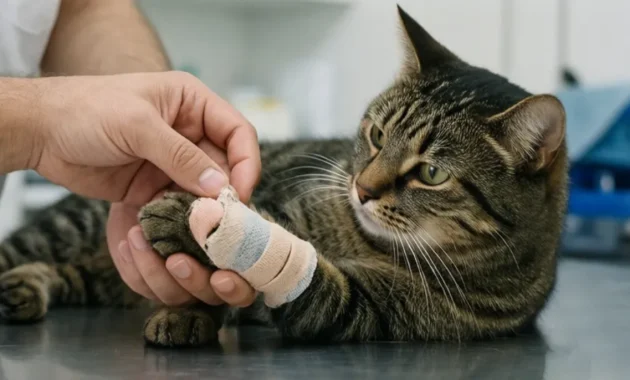
As a cat owner, encountering a sudden medical emergency can be terrifying. Whether it’s an injury, poisoning, or a sudden illness, the first few minutes are critical. While immediate veterinary care is always the best option, there are times when you must act quickly at home to stabilize your pet.
Here is a comprehensive guide to feline first aid for the most common emergency situations.

Bleeding and Open Wounds
If your cat has a cut or is bleeding, your goal is to prevent infection and stop blood loss.
-
Clean the Area: Carefully trim the fur around the wound.
-
Remove Debris: Gently remove foreign objects like thorns or glass if they are easily accessible.
-
Disinfect: Clean the wound using a salt solution or Hydrogen Peroxide ($H_2O_2$).
-
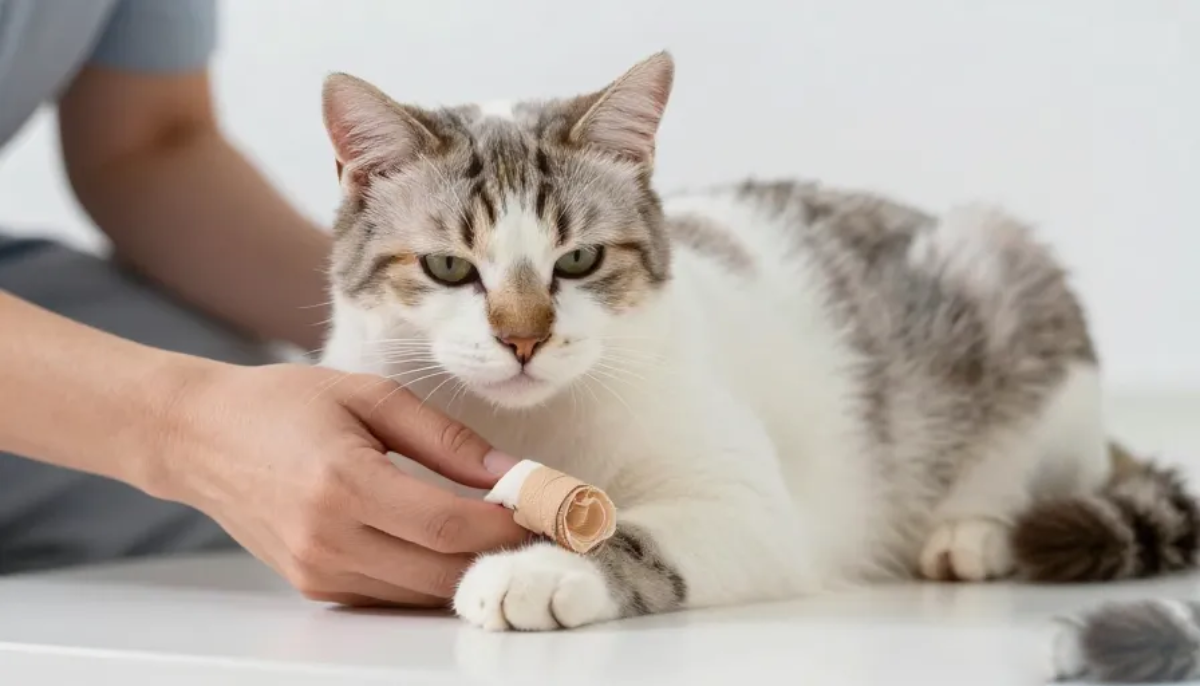
Apply Pressure: Cover and wrap the wound with a sterile bandage or a clean cloth before heading to the vet.
Bone Fractures
Broken bones are extremely painful and can lead to shock.
-
Limit Movement: Keep the cat as still as possible.
-
Splinting: If the cat allows it, you can create a temporary support by wrapping a newspaper or magazine around the limb and securing it.
-
Safe Transport: Use a thick blanket or a flat board as a stretcher to carry the cat to the clinic to avoid further bone displacement.
Poisoning and Toxins
Poisoning can occur via ingestion, inhalation, or skin contact.
-
Rinse: Wash the cat's mouth or skin to remove any remaining toxic residue.
-
Induced Vomiting: Only if the poison is not corrosive, you can try to induce vomiting by giving one teaspoon of salt.
-
Absorbents: Administer activated charcoal (up to 6 tablets) to help absorb toxins in the stomach.
-
Neutralizers: For acid-based poisons, use 1 teaspoon of Sodium Bicarbonate. For alkaline (base) poisons, use a few spoons of vinegar or lemon juice.
Vomiting and Diarrhea
Gastrointestinal distress is the body's way of purging irritants, but it can lead to dangerous dehydration.
-
The 4-6 Hour Fast: Withhold all food and water to let the stomach rest.
-
Hydration: If the cat is thirsty, let them lick ice cubes rather than gulping water.
-
Dietary Shift: Stop all dairy and fatty foods. Transition slowly to a "bland diet" or a prescription GI formula once the vomiting stops.
Heatstroke vs. Hypothermia
Temperature extremes can be fatal for cats.
Heatstroke (Hyperthermia)
-
Cool Down: Move the cat to a cool, shaded area.
-
Wet the Fur: Apply cool (not ice-cold) water to their body.
-
Alcohol Rub: Dab 70% alcohol on the paw pads to help dissipate heat quickly.
Hypothermia (Low Body Temperature)
-
External Warmth: Wrap a bottle of warm water in a towel and place it near the cat.
-
Ambient Heat: Use an incandescent bulb near the cage to warm the air.
Ocular and Nasal Emergencies
Prolapsed Eyeball (Proptosis)
This is a severe emergency where the eyeball protrudes from the socket.
-
Keep it Moist: Immediately soak a sterile gauze in saline (NaCl) and cover the eye.
-
Rehydrate: Re-wet the gauze every 10 minutes to prevent the eye tissue from drying out while rushing to the vet.
Nosebleeds (Epistaxis)
-
Cold Compress: Place a small ice pack or a bag of frozen peas over the bridge of the nose to constrict blood vessels.
Delivery (Whelping) Emergencies
Most cats give birth without help, but complications can arise.
-
Breech Birth: If a kitten is stuck, gently pull the hind legs in synchronization with the mother's contractions.
-
Infection Signs: If you see green discharge or pus, or if the pregnancy has exceeded the typical 65-day window, seek surgical intervention immediately.
Important Reminder
First aid is temporary stabilization. Even if your cat seems better after your intervention, internal damage or secondary infections can occur. Always follow up with a professional veterinary examination.
Frequently Asked Questions (FAQ)
1. What should I do first in a cat emergency?
Stay calm and ensure your safety first. Then quickly assess your cat’s condition, control any bleeding, and stabilize them before transporting to a veterinarian as soon as possible.
2. Can I treat my cat at home without going to the vet?
First aid at home is only for temporary stabilization. Even if your cat seems better, you should always follow up with a veterinarian to check for hidden injuries or complications.
3. How do I stop bleeding in a cat?
Apply firm but gentle pressure using a clean cloth or sterile bandage. If bleeding continues for more than a few minutes, seek immediate veterinary care.
4. What should I do if my cat is poisoned?
- Remove access to the toxin immediately
- Rinse the mouth or affected area
- Do not induce vomiting unless advised by a vet
- Contact a veterinarian urgently
5. How can I tell if my cat has a broken bone?
Signs include:
- Limping or inability to move
- Swelling
- Crying in pain when touched
- Unnatural limb position
Keep your cat still and take them to a vet immediately.
6. What are signs of heatstroke in cats?
Common signs include:
- Rapid breathing or panting
- Lethargy
- Drooling
- High body temperature
Move your cat to a cool area and begin gradual cooling before heading to the vet.
7. How do I help a cat with hypothermia?
Wrap your cat in a warm blanket and use a warm (not hot) water bottle nearby. Gradually raise their body temperature and seek veterinary help.
8. Is vomiting or diarrhea an emergency?
Occasional vomiting or diarrhea may not be serious, but it becomes an emergency if:
- It happens repeatedly
- There is blood present
- Your cat becomes weak or dehydrated
9. What should I include in a cat first aid kit?
A basic kit should contain:
- Sterile gauze and bandages
- Antiseptic solution
- Thermometer
- Tweezers
- Gloves
- Activated charcoal (only with vet guidance)
10. When should I go to the emergency vet immediately?
Seek immediate care if your cat:
- Has severe bleeding
- Is unconscious or unresponsive
- Has difficulty breathing
- Shows signs of poisoning
- Experiences seizures or extreme pain