The Ultimate Pet Health & Wellness Encyclopedia: From Feline Weight Management to Life-Saving Preventative Care
3 months ago · Updated 3 months ago
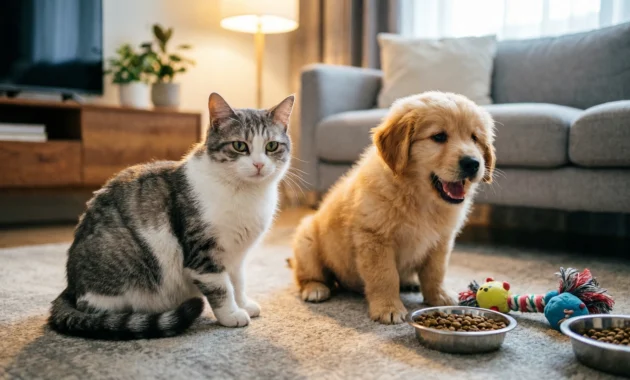
Whether you have just brought home a energetic Aegean kitten or a wide-eyed puppy, you have taken on a role that requires you to be a caregiver, a nutritionist, and a medical detective. Our pets speak to us every day, but rarely with voices. Instead, they communicate through their posture, their appetite, and their energy levels.
The Silent Scale – Recognizing and Managing Your Cat’s Ideal Weight
1.1 The "Cute" Danger: Why Fat Isn't Fit
In the world of social media, "chonky" cats are often celebrated for their cuteness. However, as pet owners, we must separate aesthetics from health. A cat that is overweight is a cat in metabolic distress. Excess fat isn't just extra weight; it is an active endocrine tissue that secretes inflammatory hormones, putting immense strain on the heart, joints, and kidneys.
1.2 How to Identify the Ideal Weight (The Hands-On Method)
Don't rely on the scale alone, as breeds vary in size. Instead, use the Feline Body Condition Score (BCS) method:
-
Too Thin: The ribs, spine, and pelvic bones are easily visible with no palpable fat. This is often a sign of underlying illness or poor nutrition.
-
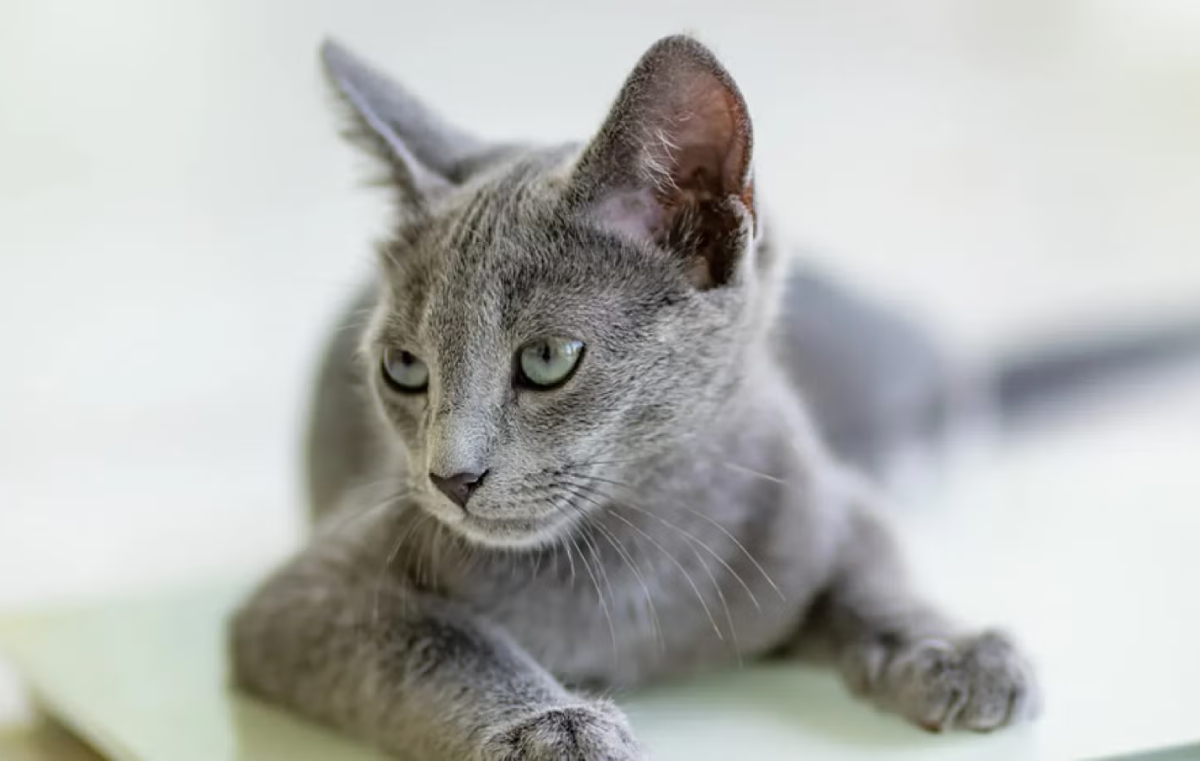
Ideal Weight: You cannot see the ribs, but you can easily feel them when you run your hands along their side. From above, the cat has a visible "waistline" behind the ribs.
-
Overweight: It is difficult or impossible to feel the ribs because of a thick layer of fat. The abdomen is rounded, and there is no visible waist.
1.3 The Risks of Obesity and Sudden Weight Loss
An overweight cat faces a significantly higher risk of Type 2 Diabetes, osteoarthritis, and urinary tract infections. Conversely, if an adult cat suddenly loses weight, it is rarely "natural." Sudden weight loss is the number one indicator of chronic kidney disease, hyperthyroidism, or intestinal issues.
1.4 Practical Weight Management Strategies
Managing a cat's weight requires a combination of calorie control and environmental enrichment:
-
The Protein-to-Fat Ratio: High protein is essential to maintain muscle mass, while low fat helps shed weight. Look for specialized formulas like Pro Plan Adult Sterilised, which uses complex carbohydrates to provide a longer-lasting feeling of fullness.
-
Activity as Medicine: Use "puzzle feeders" or "treat puzzles" to force your cat to work for their food. This mimics the hunting behavior they would display in the wild and keeps their metabolism firing.
Decoding Abdominal Pain (The "Acute Abdomen")
2.1 Why the Abdomen is the "Engine Room"
The feline abdomen is a crowded space containing the liver, kidneys, spleen, pancreas, and intestines. Because these organs are packed so closely together, pain in one often radiates to others.
2.2 The "Prayer Position" and Other Signals
Cats are masters at hiding pain. Look for the "Prayer Position"—hunching with front paws low and rear end high. This is an attempt to take pressure off their internal organs. Other signs include:
-
Abdominal Tensing: The belly feels hard or "guarded" when touched.
-
Vocalizing: Hissing or yowling when picked up.
-
Triaditis: A uniquely feline condition where the liver, pancreas, and intestines all become inflamed at once.
Feline Anorexia – The 48-Hour Race Against Time
3.1 True Anorexia vs. Pseudo-Anorexia
-
True Anorexia: The cat has zero desire for food (often due to kidney disease or fever).
-
Pseudo-Anorexia: The cat is hungry but cannot eat (due to dental pain or nausea).
3.2 The Shadow of Hepatic Lipidosis
If a cat stops eating for just 48 hours, they are at risk for Hepatic Lipidosis (Fatty Liver Disease). When the body tries to process fat stores too quickly for energy, the liver becomes overwhelmed and fails. This is a life-threatening emergency that requires immediate veterinary intervention.
The Aegean Cat – A Living National Treasure
4.1 History and Traits
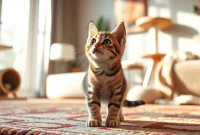
The Aegean cat is a natural breed from the Greek islands. Unlike "engineered" breeds, they developed through thousands of years of natural selection. They are famously social, intelligent, and have a unique affinity for water—a trait born from living in fishing villages.
4.2 Care and Personality
Aegeans are active and need the outdoors (or a safe "catio"). They are bicolor or tricolor, usually with white as the dominant color, and almond-shaped green eyes. They are valued for their hunting skills and their deep bond with humans.
The Foundation of Puppy Health – Vaccinations
5.1 Why Vaccinate?
Vaccinations stop life-threatening diseases like Parvovirus, Distemper, and Rabies. For a puppy, whose maternal immunity fades between 6 and 12 weeks, these shots are their only defense against the world.
5.2 Core vs. Non-Core Vaccines
-
Core: Mandatory for all dogs (Parvo, Distemper, Adenovirus).
-
Non-Core: Based on lifestyle (Leptospirosis for hikers, Kennel Cough for those visiting groomers or boarding facilities).
FAQ
1. Why is obesity dangerous in cats?
Obesity increases the risk of diabetes, arthritis, heart strain, urinary problems, and reduced lifespan in cats.
2. How can I tell if my cat is overweight?
You may have difficulty feeling the ribs, the waistline may disappear, and the abdomen may appear rounded or sagging.
3. What is the Body Condition Score (BCS) for cats?
The Body Condition Score is a hands-on method veterinarians use to evaluate whether a cat is underweight, ideal weight, or overweight.
4. What are signs that a cat is underweight?
Visible ribs, spine, and pelvic bones combined with muscle loss may indicate malnutrition or underlying illness.
5. Why is sudden weight loss dangerous in cats?
Sudden weight loss may signal serious diseases such as kidney disease, hyperthyroidism, diabetes, or intestinal disorders.
6. How can I help my cat lose weight safely?
Helpful strategies include:
- Feeding portion-controlled meals
- Using puzzle feeders
- Increasing play activity
- Choosing high-protein diets
- Limiting treats
7. What are puzzle feeders for cats?
Puzzle feeders encourage cats to “hunt” for food, providing mental stimulation and slowing overeating.
8. What is abdominal pain in cats?
Abdominal pain refers to discomfort involving organs such as the intestines, liver, pancreas, kidneys, or bladder.
9. What is the “Prayer Position” in cats?
The “Prayer Position” occurs when a cat lowers the front body while keeping the rear elevated to reduce abdominal pressure.
10. What is Triaditis in cats?
Triaditis is a condition involving inflammation of the pancreas, liver, and intestines simultaneously.
11. What is feline anorexia?
Feline anorexia is a complete loss of appetite and often indicates a serious medical problem.
12. What is pseudo-anorexia?
Pseudo-anorexia happens when a cat wants to eat but cannot due to pain, nausea, or dental disease.
13. Why is it dangerous when a cat stops eating?
Cats that stop eating for 24–48 hours can develop Hepatic Lipidosis, a potentially fatal liver disease.
14. What is Hepatic Lipidosis?
Hepatic Lipidosis, also called Fatty Liver Disease, occurs when excessive fat accumulates in the liver after appetite loss.
15. What makes the Aegean cat unique?
The Aegean cat is known for intelligence, strong social behavior, excellent hunting ability, and an unusual love of water.
16. Do Aegean cats need a lot of activity?
Yes. Aegean cats are energetic and benefit from climbing, exploration, play, and outdoor-style enrichment.
17. Why are puppy vaccinations important?
Vaccinations protect puppies from serious infectious diseases and help prevent outbreaks within the dog population.
18. What are core vaccines for puppies?
Core vaccines typically include protection against:
- Parvovirus
- Distemper
- Adenovirus
- Rabies (depending on local regulations)
19. What are non-core vaccines for dogs?
Non-core vaccines are recommended based on lifestyle and exposure risks, such as Leptospirosis or Kennel Cough vaccines.
20. When should puppies start vaccinations?
Puppies typically begin vaccinations between 6 and 8 weeks of age, followed by booster shots during early development.