
The Ultimate Guide to Dog Adoption 2026: Finding, Saving, and Welcoming Your Forever Friend
3 months ago · Updated 3 months ago
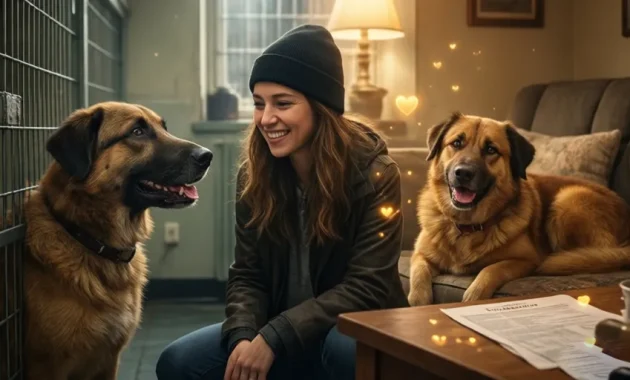
In 2026, the conversation around pet ownership has shifted significantly toward "Adopt, Don't Shop." Every year, millions of dogs enter shelters worldwide—some due to unfortunate starts in life, and others because their previous owners could no longer provide the care they deserved.
Adopting a dog is not just about getting a pet; it’s a profound act of compassion. These animals often arrive at shelters through no fault of their own, bringing with them a unique resilience and an immense capacity for love. Whether you are looking for a high-energy running partner or a calm companion to sit by your feet, the rescue system has a "soulmate" waiting for you. This guide serves as your comprehensive manual to navigating the rewarding, sometimes complex, but ultimately beautiful process of dog adoption.

Puppy vs. Senior: Which Lifecycle Stage Fits Your Reality?
One of the first decisions you’ll face is the age of your new companion. While everyone loves the smell of puppy breath, the reality of raising a young dog is vastly different from welcoming an older one.
The Puppy Path (0–12 Months)
-
The Pro: You are a "blank slate." You can mold their behavior, socialization, and training from the very beginning.
-
The Reality Check: Puppies require a massive time commitment. Between house-training, teething (which often involves your furniture), and high-energy demands, they are essentially toddlers. If you work long hours or aren't home during the day, a puppy might not be the right choice.
The Senior Soul (7+ Years)
-
The Pro: Older dogs are the "hidden gems" of the rescue world. They are usually house-trained, have established personalities, and lower energy levels. They are often content with a short walk and a long nap.
-
The Reality Check: You may face higher veterinary costs sooner than with a younger dog. However, the bond formed with a senior dog—knowing you are giving them their "best final years"—is unparalleled.
The Adoption Roadmap: From Application to Arrival
The process of adopting a dog is more rigorous than buying one, and for good reason. Shelters want to ensure that this move is the final move for the dog.
Step 1: The Questionnaire and Application
Most reputable rescues (like the RSPCA, Dogs Trust, or Battersea) start with a detailed questionnaire. Be honest. If you don't have a fenced-in yard, say so. Rescues aren't looking for "perfect" owners; they are looking for "honest" matches.
Step 2: The Interview and Home Check
Expect a phone call or a video chat to discuss your lifestyle. Some organizations may perform a physical home visit to ensure the environment is safe (e.g., checking for toxic plants or secure fencing).
Step 3: The Meet-and-Greet
This is where the magic happens. You’ll visit the center to interact with the dog. If you already have a dog at home, a "dog-to-dog" introduction is usually required to ensure they are compatible.
Preparation and Lifestyle Audit: Is Your Home Ready?
Before you bring a new dog home, you must perform a "Lifestyle Audit."
-
Space: Do you have enough room for a crate or a bed?
-
Time: Dogs are social animals. They need at least 1–2 hours of focused interaction and exercise daily.
-
Rental Status: If you rent, do you have written permission from your landlord? This is one of the top reasons dogs are returned to shelters.
The Financial Reality: Beyond the Adoption Fee
Adoption fees (which usually cover vaccinations, microchipping, and neutering) are just the beginning.
-
Initial Setup: Leashes, harnesses, crates, and bedding.
-
Ongoing Costs: High-quality food (like Pro Plan tailored for specific sizes), flea/tick/worm prevention, and pet insurance.
-
Emergency Fund: It is wise to have a "rainy day" fund for unexpected vet visits.
The First Meeting: Critical Questions to Ask
Don't let your emotions lead the way. Go in with a list of questions for the staff:
-
"Does the dog have any known medical issues?"
-
"How do they react to children or other pets?"
-
"Are they house-trained or crate-trained?"
-
"Do they suffer from separation anxiety?"
-
"What is their history before they arrived here?"
Bringing Them Home: The "3-3-3 Rule"
Successful adoption relies on patience. Many owners expect a dog to be "perfect" on day one. Instead, follow the 3-3-3 Rule:
-
3 Days: The dog is overwhelmed. They may not eat or may hide under the table.
-
3 Weeks: They are starting to settle and their true personality begins to emerge. This is often when "testing boundaries" begins.
-
3 Months: They feel truly at home and have built a secure bond with you.
Frequently Asked Questions (FAQ)
1. Why is adopting a dog better than shopping from breeders?
Adoption gives homeless dogs a second chance while helping reduce shelter overcrowding and supporting animal welfare.
2. Are senior dogs easier to care for than puppies?
In many cases, yes. Senior dogs are often calmer, house-trained, and require less intensive supervision than puppies.
3. What is the 3-3-3 rule in dog adoption?
The 3-3-3 rule describes the adjustment stages of rescue dogs: 3 days of decompression, 3 weeks of settling in, and 3 months of building trust and routine.
4. What should I ask before adopting a dog?
Important questions include the dog’s medical history, behavior around children or pets, energy level, and any signs of separation anxiety.
5. How much does it cost to adopt a dog?
Costs include the adoption fee, food, vaccinations, grooming, training, supplies, insurance, and emergency veterinary care.
6. Is a puppy or senior dog better for busy owners?
Senior dogs are often a better fit for busy lifestyles because they usually require less training and have lower energy levels.
7. Why do shelters perform home checks?
Home checks help ensure the environment is safe and appropriate for the dog’s long-term wellbeing.
8. Can rescue dogs develop strong bonds with new owners?
Yes. Rescue dogs are highly capable of forming deep emotional attachments and often become extremely loyal companions.
9. What are the most important supplies before bringing a dog home?
Basic essentials include a leash, collar or harness, food bowls, bed, crate, toys, and quality dog food.
10. How long does it take for a rescue dog to adjust?
Adjustment times vary, but many dogs begin showing their true personality after several weeks or months in a stable environment.