The Ultimate 2026 Guide to Feline Longevity: Nutrition, Behavior, and the Science of Happiness
3 months ago
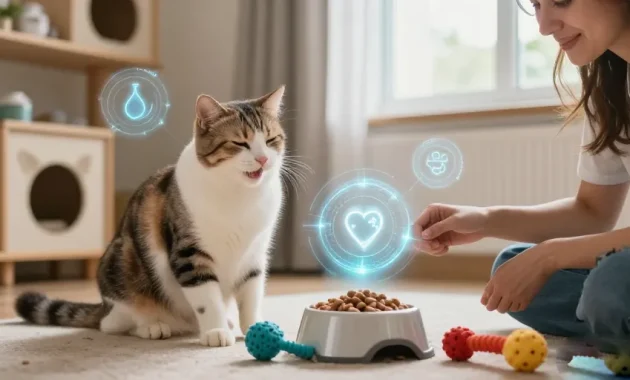
In 2026, the relationship between humans and cats has undergone a radical transformation. No longer viewed as "low-maintenance" roommates, cats are now recognized as complex, emotionally intelligent family members. As our understanding of feline neurobiology and nutrition deepens, so does our responsibility to provide them with a life that isn't just long, but vibrant.
The modern "PetLover" isn't just looking for a bag of kibble; they are looking for transparency, ethical sourcing, and science-backed communication methods. This guide serves as the definitive manual for the 21st-century cat guardian, blending technical expertise with the warmth and empathy that only a true cat lover understands.
The Biological Blueprint: Why Cats Are Not "Small Dogs"
One of the most common mistakes in pet ownership is treating a cat’s needs like a dog’s. Evolutionarily, cats are specialized hunters. Their physiology is designed for short bursts of energy and a diet almost entirely composed of animal tissue.
The Obligate Carnivore Reality: Cats require Taurine, an amino acid found in animal muscle, to prevent heart failure and blindness. They also lack the ability to taste sweetness, which explains why they are often indifferent to fruits or sugary treats. Understanding this biological "hard-wiring" is the first step in making informed decisions about their care.
Feline Nutrition 101: Deciphering the Label
Walking down the pet food aisle in 2026 can be overwhelming. To find the "Best Cat Food," you must look past the marketing and into the Guaranteed Analysis.
What to Look For:
-
Identified Protein Sources: "Chicken" or "Salmon" is superior to "Meat By-Products."
-
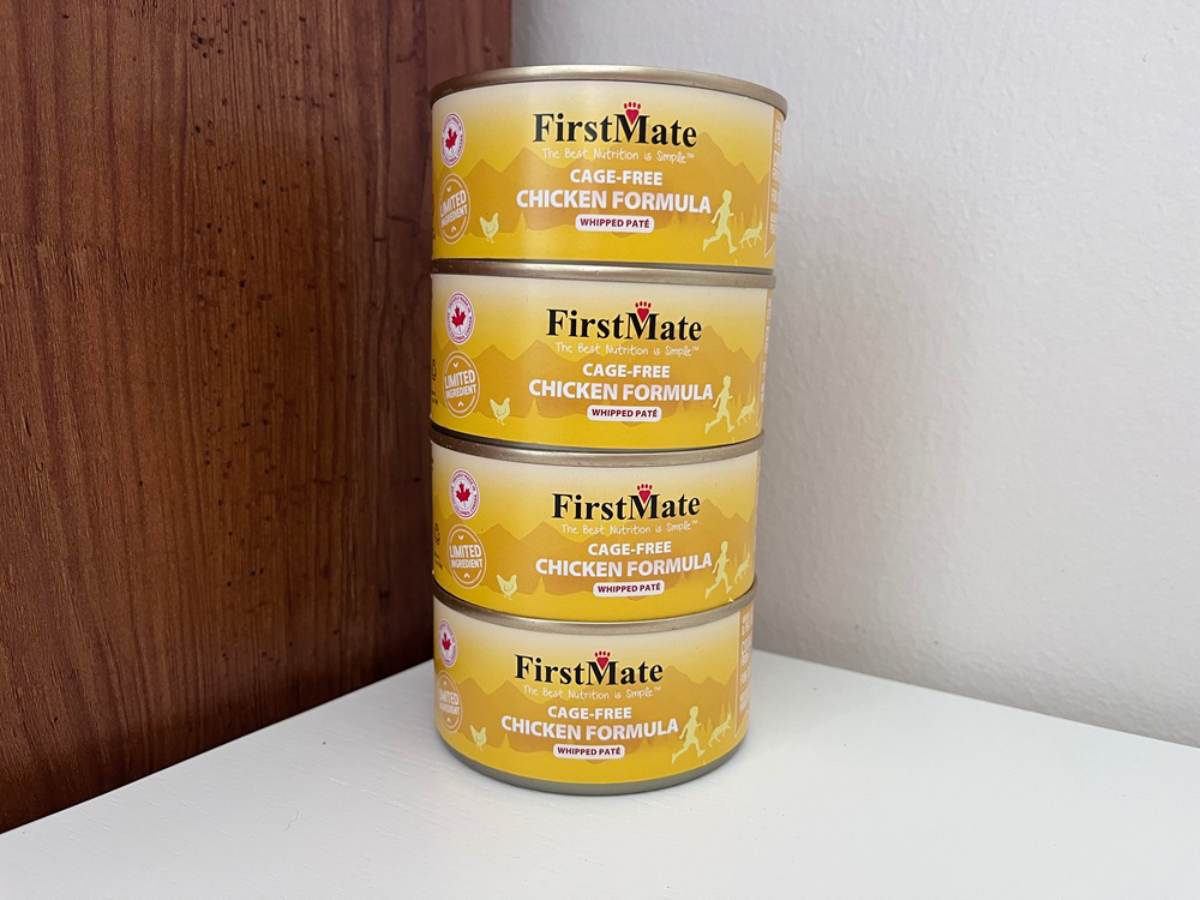
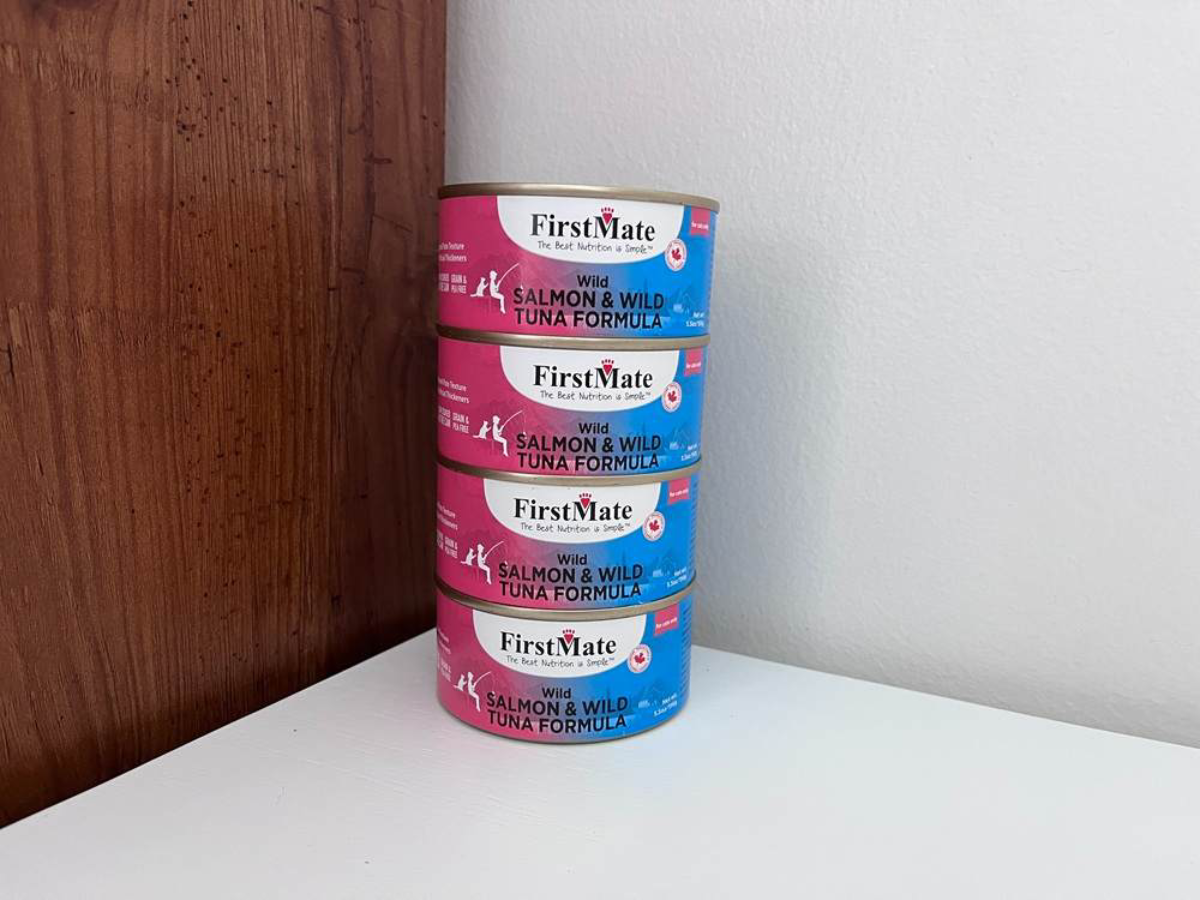
Low Glycemic Binders: In grain-free diets, look for how the kibble is held together. While many use peas or chickpeas, brands like FirstMate use potato, which can be easier on some sensitive stomachs but higher in starch.
-
Omega Fatty Acids: Essential for skin health and a shimmering coat.
Dry vs. Wet Food: The Hydration Strategy
The "Kibble vs. Can" debate is more nuanced than ever.
-
Dry Food (Kibble): Excellent for dental health through mechanical scraping and provides high energy density.
-
Wet Food: Critical for hydration. Cats have a naturally low thirst drive; in the wild, they get water from their prey. Wet food helps prevent Chronic Kidney Disease (CKD), a leading cause of death in older felines.
The 2026 Recommendation: Most veterinarians now suggest a Mixed Feeding approach—dry food for dental benefits and wet food for hydration and protein variety.
Brand Spotlight: FirstMate’s Limited Ingredient Philosophy
When discussing authority in cat nutrition, FirstMate often enters the conversation. Founded in Canada in 1989, they have maintained a pristine record with zero recalls.
Why It Stands Out:
For cats with "Sensitive Stomachs" or IBD, FirstMate’s Limited Ingredient Diet (LID) is a game-changer. By using a single protein source and excluding common thickeners like carrageenan or guar gum, they reduce the "allergen load" on a cat’s system.
The Critique: As noted in recent reviews, FirstMate's reliance on potato can lead to higher carbohydrate counts (~22% in kibble). While safe for most, guardians of diabetic cats should consult their vet before making the switch.
The Hidden Language of Love: How to Speak "Cat"
Cats don't use words; they use a symphony of tail positions, ear angles, and pheromones. To show your cat you love them, you must learn to reciprocate their signals.
The "Slow Blink" Mastery
Studies have confirmed that the "Slow Blink" is the feline equivalent of a smile. By narrowing your eyes and slowly closing them while looking at your cat, you are signaling that you are not a threat. This lowers their cortisol (stress) levels almost instantly.
Bunting and Kneading
When a cat rubs its face against you (bunting), they are marking you with their scent glands—effectively claiming you as a safe member of their "pride." Similarly, "making biscuits" (kneading) is a behavioral relic from kittenhood, signaling supreme comfort and trust.
Environmental Enrichment: The "Catification" of the Home
A bored cat is a stressed cat. Indoor felines need mental stimulation to prevent behavioral issues like furniture scratching or over-grooming.
-
Vertical Space: Cats feel safest when they can look down on their "kingdom." Invest in cat trees or wall-mounted shelves.
-
The Window to the World: A window perch with a bird feeder outside is "Cat TV"—providing hours of visual enrichment.
-
Scent Play: Using Catnip or Silvervine encourages natural play behaviors and provides a healthy "high."
10 Ways To Show Your Cat You Love Them
-
Reciprocate the Slow Blink: The ultimate sign of trust.
-
Respect the "No-Go" Zones: Most cats dislike being touched on the belly or paws. Stick to the cheeks and base of the ears.
-
Engage in Interactive Play: Use wand toys to mimic the "Hunt-Catch-Kill-Eat" cycle.
-
Provide High-Quality Nutrition: Feeding a premium diet like FirstMate or Pro Plan is a long-term investment in their health.
-
Grooming as Bonding: Allogrooming (brushing) mimics social bonding in the wild.
-
Shared Spaces: Simply sitting in the same room (parallel play) is a high form of feline affection.
-
Scent Marking: Allow them to rub against you. Don't immediately wash off their scent.
-
Consistent Routines: Cats crave predictability. Feed them at the same time every day.
-
Safe Hiding Spots: A cardboard box is often more valuable to a cat than an expensive bed because it provides security.
-
Preventive Vet Care: Keeping them pain-free is the highest form of love.
The Adoption Roadmap: Finding Your Soulmate
Adopting a dog or cat is a 15-to-20-year commitment. In 2026, shelters are full of animals waiting for a second chance.
Choosing the Right Fit:
-
Kittens: High energy, require socialization, but you can shape their personality.
-
Seniors: Often already house-trained, calmer, and infinitely grateful.
-
The "3-3-3 Rule": Remember that a rescue pet needs 3 days to decompress, 3 weeks to learn your routine, and 3 months to feel fully secure.
Preventive Healthcare: The Longevity Strategy
In 2026, we focus on Proactive rather than Reactive medicine.
-
Dental Care: Dental disease can lead to heart and kidney infections. Use water additives or dental treats like DentaLife.
-
Weight Management: Feline obesity is a silent killer. Use a kitchen scale to weigh their food rather than "eyeballing" it.
-
Regular Bloodwork: Once a cat hits 7 years (Senior stage), annual blood panels can catch kidney issues before symptoms appear.
Conclusion: The Lifelong Partnership
Loving a cat is a journey of patience and observation. It is a relationship built on the quiet moments—the soft purr on a rainy afternoon, the head-butt at dinner time, and the trust shown in a slow blink. By combining the best in modern nutrition, like the limited-ingredient approach of FirstMate, with an empathetic understanding of feline behavior, we can ensure our cats don't just live in our homes, but thrive in our hearts.
Frequently Asked Questions (FAQ)
1. Why are cats considered obligate carnivores?
Cats require nutrients found in animal tissues, including taurine and arachidonic acid, which are essential for their survival and overall health.
2. Is wet food or dry food better for cats?
Both offer benefits. Dry food supports dental health, while wet food improves hydration and urinary health. Many veterinarians recommend mixed feeding.
3. What does a cat’s slow blink mean?
A slow blink is a feline sign of trust, comfort, and affection toward a person or another animal.
4. Why is hydration important for cats?
Cats naturally have a low thirst drive, making proper hydration essential for preventing kidney and urinary tract issues.
5. What is environmental enrichment for cats?
Environmental enrichment includes activities and spaces that stimulate natural feline behaviors such as climbing, hunting, scratching, and exploring.
6. Are limited ingredient diets good for sensitive cats?
Yes. Limited ingredient diets may help reduce digestive irritation and food sensitivities in some cats.
7. What is the 3-3-3 rule for adopted pets?
The 3-3-3 rule explains the adjustment timeline for rescue animals: 3 days to decompress, 3 weeks to adapt, and 3 months to fully settle in.
8. Why do cats knead or “make biscuits”?
Kneading is a comforting behavior from kittenhood that signals relaxation, safety, and emotional trust.
9. How can I strengthen my bond with my cat?
Interactive play, slow blinking, grooming, respecting boundaries, and maintaining consistent routines all help build trust and emotional connection.
10. Why is preventive veterinary care important for cats?
Regular checkups, dental care, vaccinations, and bloodwork help detect diseases early and improve long-term quality of life.