
The Giant and the Gentle: A 2026 Masterclass on Feline Records, Resilience, and Responsibility
3 months ago
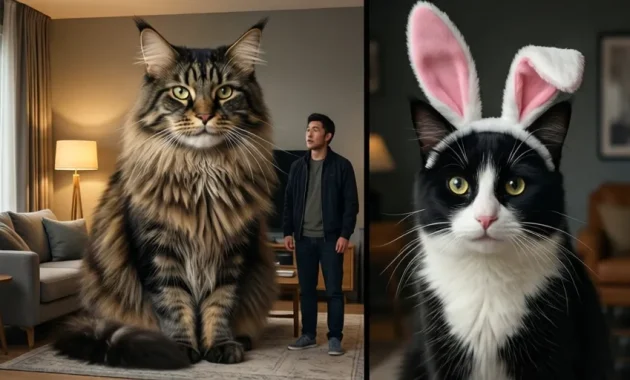
In 2026, the domestic cat is no longer viewed as a "low-maintenance" pet, but as a complex family member with individual needs. From the massive 48-inch Maine Coons that grace record books to the resilient strays like Crash who survive against all odds, the spectrum of feline life is vast. This guide serves as a comprehensive exploration of the extremes of feline existence from physical records to the emotional labor of rescuing undersocialized "semiferal" cats.
Titan of the Living Room: The Reign of the Maine Coon
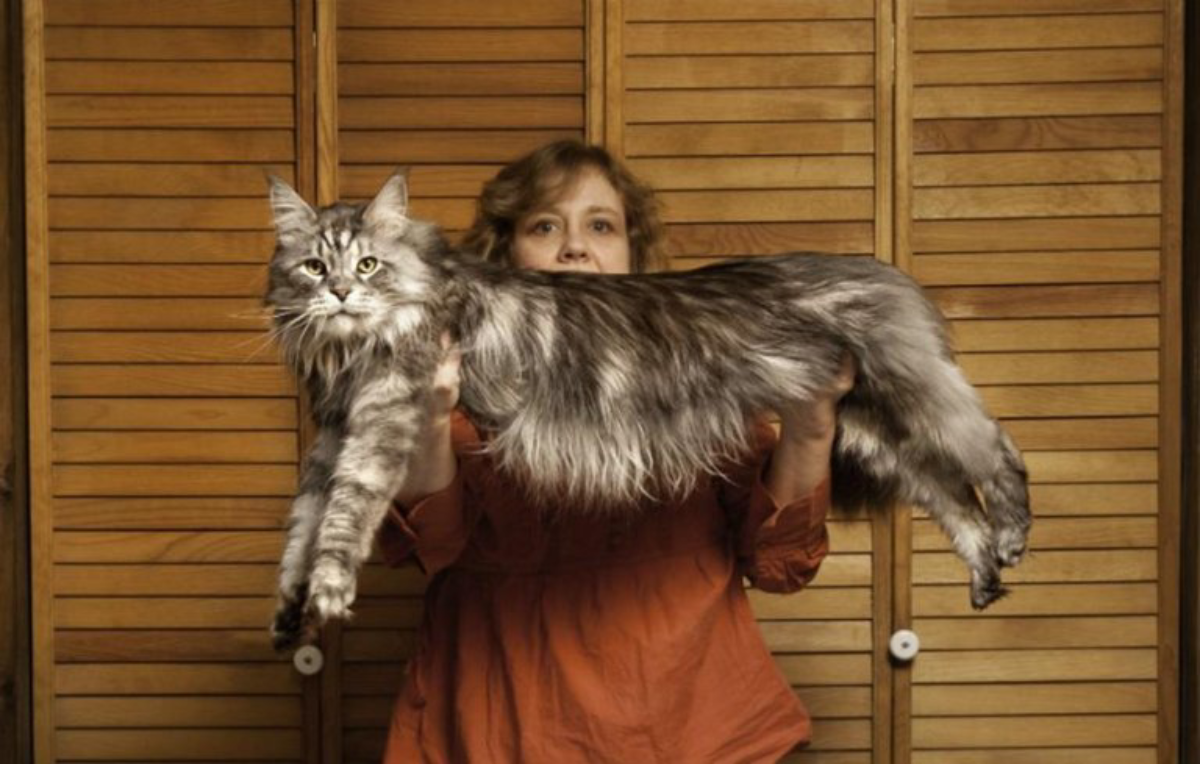
When we discuss the "Longest Cat" records, one breed stands undisputed: the Maine Coon. Known as the "Gentle Giant," this breed's dominance in the Guinness World Records is not a fluke.
The Maine Coon Advantage
Native to the rugged environment of Maine, these cats evolved with thick, water-repellent coats and large, tufted paws that act as natural snowshoes. Their long, rectangular body shapes are a product of natural selection, designed for survival in harsh climates.
-
Average Size: While a typical cat is 12–15 inches long, a Maine Coon frequently doubles that length.
-
Weight vs. Length: In 1998, the record books shifted from "Heaviest" to "Longest." This was a pivotal moment in animal welfare, ensuring owners didn't overfeed cats like the 46-pound Himmy for fame.
The Science of Size: Meet the Record Holders
Length is measured from the tip of the nose to the very end of the tail bone.
-
The Legend (Stewie): At 48.5 inches, Stewie set a bar in 2010 that has yet to be cleared. He wasn't just a record holder; he was a certified therapy cat, proving that massive size can be paired with massive empathy.
-
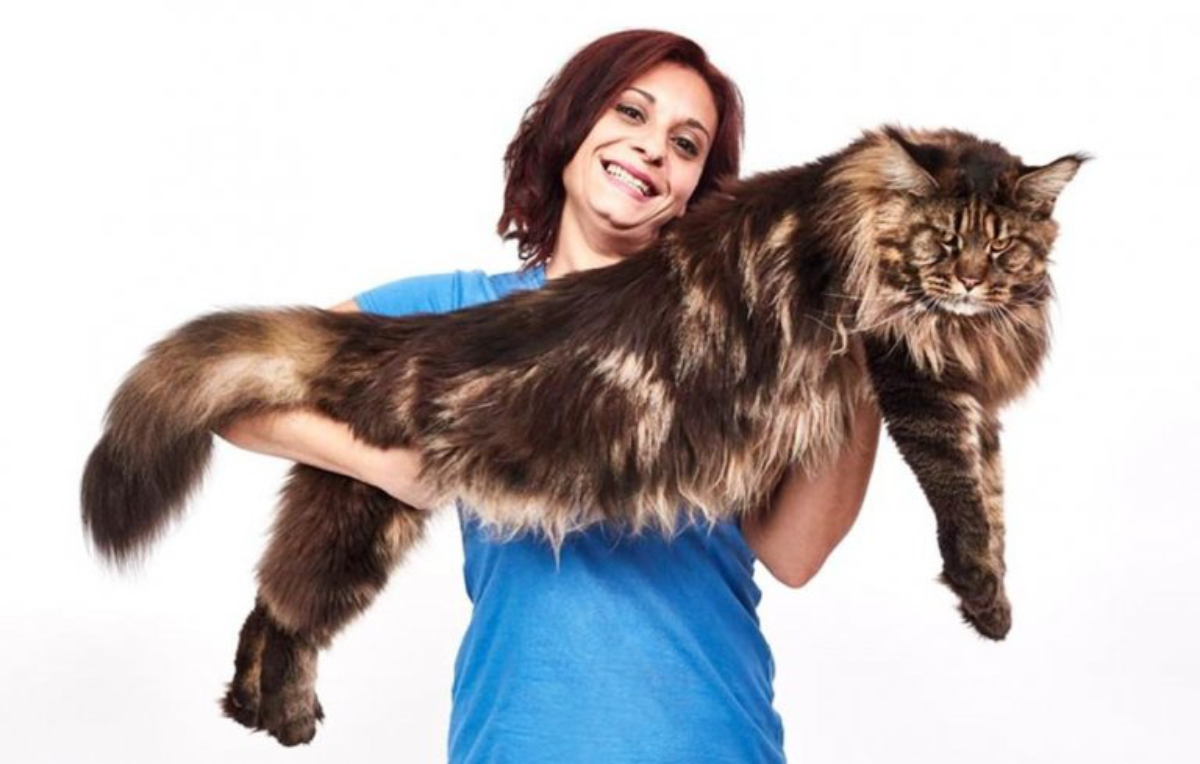
The Current King (Barivel): Living in Italy, Barivel measures 47.2 inches. He represents the global reach of the breed's popularity.
-
The Legacy (Ludo): Holding the title until 2018 at 46.5 inches, Ludo's story reminds us that these giants need specialized care, especially as they age and face risks like cancer.
Resilience in the Road: The Miracle of Crash
Not every cat is born with record-breaking genes; some are born with record-breaking spirits. Crash, a tuxedo cat from Idaho, is the living embodiment of feline resilience.
The Cadbury "Bunny" Triumph
After surviving a horrific car accident in 2018—leaving him with a broken leg, jaw, and a lost eye—Crash became the 2023 Cadbury Bunny.
-
Why He Won: It wasn't just his "high-fives" or his ability to wear rabbit ears. It was his personality. Despite his trauma, Crash remained outgoing and affectionate, proving that "unadoptable" or "broken" cats can become local CEOs of hope.
The Unsung Heroes: Adopting Semiferal "Elfs"
One of the most challenging but rewarding experiences for a guardian is the "semiferal" cat. As experienced by rescuer Kellie Gormly, cats like Elf (a 10-year resident) represent a unique subset of the pet population.
Living on Their Terms
A semiferal cat is domestic enough for indoor life but lacks the socialization for "cuddling."
-
The Commitment: You provide food, safety, and medical care (when possible) without expecting physical affection in return.
-
The Reward: Witnessing the rare, spontaneous moments where an "Elf" seeks a head scratch on their own terms. It is a lesson in unconditional love and respecting boundaries.
The 25% Advantage: The Power of Pre-Fixed Pets
New 2026 data from Best Friends Animal Society reveals a startling statistic: Cats who enter the shelter system already spayed or neutered are 25% more likely to be adopted.
Why Adoption Speed Matters
Shelters are often at capacity. A "pre-fixed" cat can go on the adoption floor immediately.
-
For the Adopter: It removes the financial and logistical burden of a surgery appointment.
-
For the Shelter: it reduces "length of stay," which is the #1 predictor of disease outbreaks in shelter environments.
Frequently Asked Questions (FAQ)
1. What breed holds most “longest cat” records?
The Maine Coon is the breed most commonly associated with world-record cat lengths due to its naturally large body structure.
2. Who was the longest cat ever recorded?
Stewie, a Maine Coon, holds the record at 48.5 inches from nose to tail.
3. Why did Guinness stop using “heaviest cat” records?
The category was removed to discourage unhealthy overfeeding and promote better animal welfare standards.
4. Are Maine Coons good family pets?
Yes. Maine Coons are often called “Gentle Giants” because they are known for being affectionate, social, and adaptable.
5. What is a semiferal cat?
A semiferal cat is partially socialized to humans. They may tolerate indoor living and care but often avoid physical affection or close interaction.
6. Can semiferal cats become affectionate over time?
Some do, but progress is usually slow and depends on trust, patience, and respecting the cat’s boundaries.
7. Who is Crash the cat?
Crash is a rescue tuxedo cat from Idaho who survived severe injuries from a car accident and later became the 2023 Cadbury Bunny.
8. Why are spayed or neutered cats adopted faster?
Pre-fixed cats can be adopted immediately, reducing costs and wait times for adopters and shelters.
9. Are giant cats harder to care for?
Large breeds like Maine Coons may require bigger litter boxes, more grooming, and specialized health monitoring as they age.
10. What is the biggest challenge in adopting rescue cats?
Many rescue cats carry trauma, fear, or limited socialization, requiring patience, consistency, and understanding from adopters.