Decoding the Midnight Madness: Why Your Cat Runs Around at Night
2 months ago
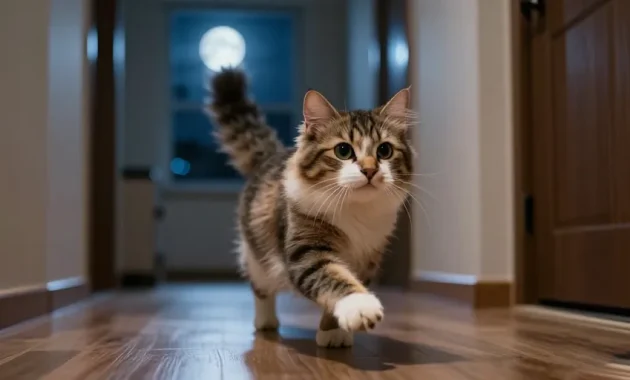
Every cat owner knows the scenario: it’s 3:00 AM, the house is pitch black, and suddenly your cat transforms into a high-speed furry tornado. They are scaling the curtains, launching off your headboard, and sprinting down the hallway as if chasing an invisible track star.
In the veterinary and behavioral world, these sudden bursts of late-night energy are known as Zoomies, or scientifically as Frenetic Random Activity Periods (FRAPs).
While it might feel like your cat is intentionally trying to sabotage your sleep, this behavior is deeply rooted in feline biology and daily routine. Let's break down the science behind the "midnight crazies" and how you can restore peace to your household.
The Core Triggers of Nighttime Zoomies
Cats don't run at night out of spite; their bodies and minds are responding to a mix of evolutionary programming, modern scheduling, and physical needs.
                  THE MIDNIGHT TORNADO MATRIX

  [ Crepuscular Clock ] ──► Natural biological peak at dawn and dusk.
  [ Pent-Up Energy ]    ──► Daytime boredom explodes into nighttime sprints (FRAPs).
  [ Hidden Hunger ]     ──► Empty stomach triggers predatory roaming instincts.
  [ Medical Shifts ]    ──► Disorientation or pain causing late-night restlessness.
1. The Crepuscular Internal Clock
Many people believe cats are strictly nocturnal, but they are actually crepuscular. This means their natural hunting instincts and energy levels peak during the low-light hours of dawn and dusk, which perfectly aligns with when their natural prey (like rodents and birds) is most active. When you are winding down to sleep, your cat’s evolutionary alarm clock is just ringing.
2. The Daytime "Energy Bank"
If you work a typical 9-to-5 job, your cat likely spends the majority of the day sleeping, stretching, and waiting for you to come home. Because they are conserving energy all day in a relatively quiet indoor environment, they accumulate a massive surplus of physical and mental energy. Without a proper daytime outlet, that pent-up energy explodes at night in the form of a FRAP.
3. Empty Stomach / Hunting Instincts
If you feed your cat their dinner early in the evening (say, 5:00 PM), their stomach is completely empty by the middle of the night. In the wild, an empty stomach signals that it is time to hunt. Your cat isn't just running around; they are actively patrolling their "territory" (your house) looking for a midnight snack.
4. Age and Health Elements
-
Life Stage: Kittens and teenage cats have incredibly high baselines of energy. They use play to learn how to navigate the world, meaning their nighttime antics will naturally be much more intense than an older cat's.
-
Medical Issues: If an older cat suddenly starts pacing, running, or crying out at night, it could point to a medical issue. Conditions like hyperthyroidism (which floods the body with excess thyroid hormone and energy), arthritis pain, or Feline Cognitive Dysfunction (dementia in senior cats) can cause severe nighttime disorientation and restlessness.
Re-Training the Feline Sleep-Wake Cycle
You cannot change your cat's wild heritage, but you can successfully shift their energy peaks so they match your household's sleeping schedule.
                  THE HUNT-EAT-GROOM-SLEEP CYCLE

  [ 1. HUNT ]  ──► 20-30 minutes of intense, interactive wand play before bed.
  [ 2. EAT ]   ──► Provide a hearty, protein-rich meal right after play.
  [ 3. GROOM ] ──► The cat naturally cleans themselves, winding down their nervous system.
  [ 4. SLEEP ] ──► Deep, satisfied rest that mimics post-predatory behavior.
1. Implement the "Hunt-Eat-Groom-Sleep" Method
To mimic a wild cat's natural behavioral loop, stage a structured routine right before you go to bed:
-
The Hunt: Spend 20 to 30 minutes engaging your cat with an interactive toy (like a feather wand or laser pointer). Make them run, jump, and physically tire themselves out.
-
The Eat: Immediately follow the play session with a satisfying meal or a food puzzle.
-
The Result: Biologically, consuming a meal after a "hunt" triggers a heavy wave of relaxation. Your cat will naturally sit down to groom themselves and then fall into a deep, content sleep right as you close your eyes.
2. Hack Their Feeding Schedule
If your cat wakes you up at 4:00 AM out of pure hunger, do not get out of bed to feed them—doing so rewards and reinforces the behavior. Instead, utilize an automatic pet feeder set to dispense a small portion of dry kibble in the dead of night or early morning. This detaches you from the food source, allowing you to sleep while the machine satisfies their cravings.
3. Introduce Sunset-Only Enrichment
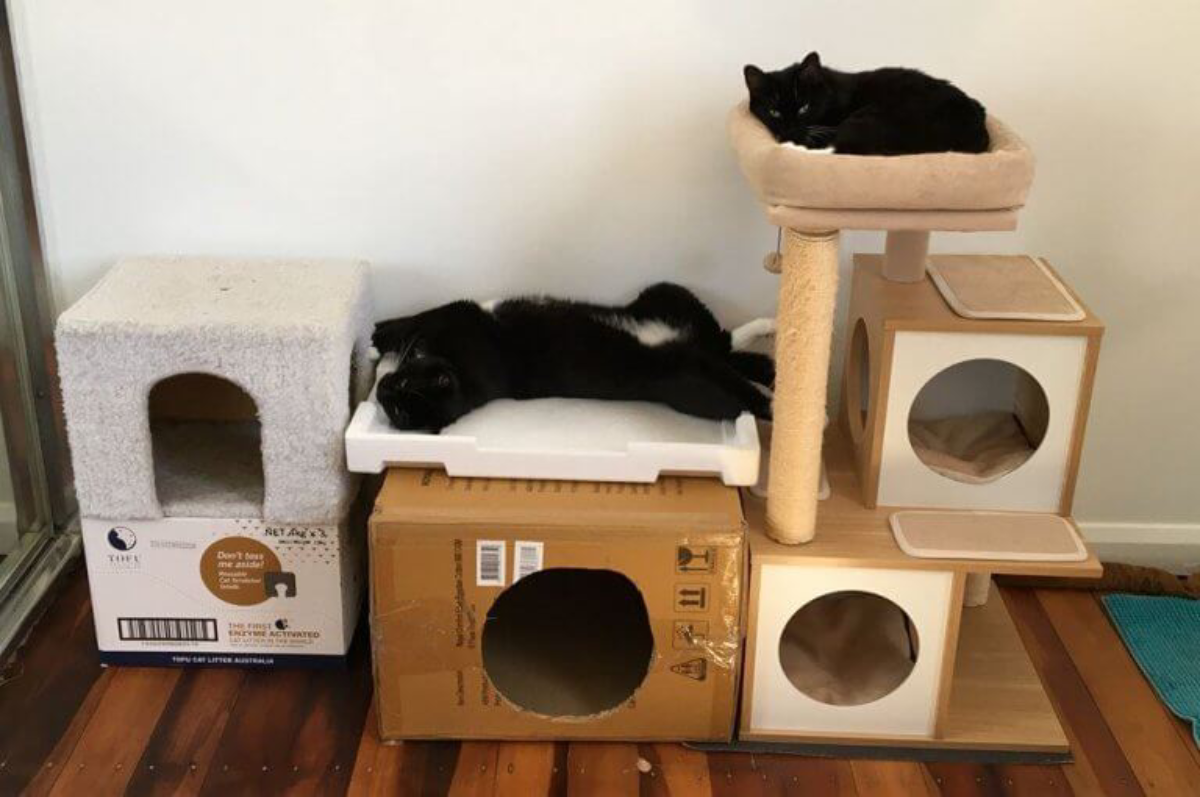
Keep your cat mentally stimulated while you sleep by setting out "night-owl toys" right before bed. Cardboard boxes, crinkle tunnels, and automated rolling balls that only appear at night can keep them quietly occupied in the living room while you sleep peacefully in the bedroom.
Summary Strategy Checklist for Exhausted Pet Parents
If you are currently sleep-deprived from your cat's midnight racing, follow this action plan to reclaim your night:
-
[ ] Ignore the Antics: If your cat leaps onto your bed or races past you at night, do not yell, chase them, or pick them up. Even negative attention is a reward to a bored cat. Stay completely still and play dead.
-
[ ] Shift Dinner Later: Move their final evening meal to right before your head hits the pillow to keep their stomach full longer.
-
[ ] Deploy an Automatic Feeder: Program a small mechanical feeding to trigger right before their usual morning wake-up hour.
-
[ ] Provide Daytime Visuals: Keep window blinds open during the day and place a bird feeder outside to give your cat "Cat TV," burning mental energy while you are at work.
-
[ ] Rule Out Medical Concerns: If your cat is a senior or if this frantic nighttime running is a brand-new behavior accompanied by vocalizing, schedule a checkup with your vet to screen for hyperthyroidism or age-related cognitive changes.
Frequently Asked Questions (FAQ)
1. Why does my cat get the zoomies at night?
Cats often get the zoomies at night because they are naturally crepuscular animals, meaning they are most active during dawn and dusk. Pent-up energy, hunger, boredom, or a lack of stimulation during the day can also trigger nighttime bursts of activity.
2. Are nighttime zoomies normal for cats?
Yes. Occasional nighttime zoomies are completely normal, especially in kittens and young adult cats. These bursts of energy, known as Frenetic Random Activity Periods (FRAPs), are a natural part of feline behavior.
3. Why does my cat run around the house at 3 AM?
Your cat may be responding to their natural hunting instincts, an empty stomach, accumulated daytime energy, or excitement from environmental stimuli. Many cats become more active during low-light hours when their ancestors would have hunted prey.
4. How can I stop my cat from waking me up at night?
Establish a bedtime play session, feed your cat a meal afterward, use an automatic feeder for early-morning hunger, and provide enrichment activities during the day. Consistency is key to shifting your cat's energy cycle.
5. Should I ignore my cat's nighttime zoomies?
In most cases, yes. Avoid rewarding unwanted nighttime behavior with attention, food, or play. Even negative reactions can reinforce the behavior if your cat views it as interaction.
6. Do kittens have more zoomies than adult cats?
Absolutely. Kittens and adolescent cats have significantly higher energy levels and require more physical and mental stimulation. Their zoomies tend to be more frequent and intense than those of mature cats.
7. Can hunger cause nighttime zoomies?
Yes. If your cat's stomach is empty during the night, their natural hunting instincts may activate, leading to increased activity and roaming behavior. A late-evening meal or automatic feeder can help.
8. What toys help reduce nighttime zoomies?
Interactive wand toys, treat puzzles, crinkle tunnels, automated rolling balls, and climbing structures can help burn excess energy and keep cats mentally stimulated before bedtime.
9. When should I worry about sudden nighttime hyperactivity?
If an older cat suddenly develops nighttime zoomies, pacing, excessive vocalization, confusion, or behavioral changes, consult your veterinarian. Medical conditions such as hyperthyroidism, arthritis, high blood pressure, or cognitive dysfunction may be contributing factors.
10. Are zoomies a sign that my cat is happy?
Often, yes. Zoomies can be a sign of excitement, playfulness, and healthy energy levels. However, excessive or unusual activity should always be evaluated in the context of your cat's overall health and behavior.