The Definitive Guide to Feline House Soiling: Why Cats Pee Outside the Litter Box and How to Fix It
3 months ago
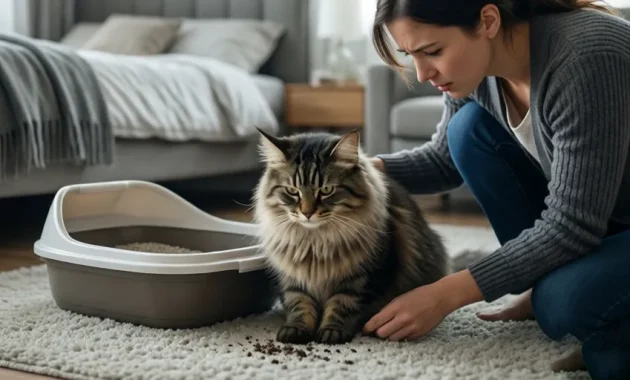
Few things are more frustrating for a pet owner than discovering a puddle of urine on a fresh duvet or an expensive rug. It is a moment that tests the bond between human and cat. However, as we look at feline behavior through the lens of 2026 research, we must reframe our thinking: Your cat is not being spiteful; they are communicating.
House soiling is one of the most common reasons cats are surrendered to shelters, yet it is also one of the most treatable behavioral issues. Whether the cause is a painful medical condition like FLUTD or a subtle social stressor in a multi-cat home, this guide will provide the comprehensive roadmap you need to restore peace and cleanliness to your household.
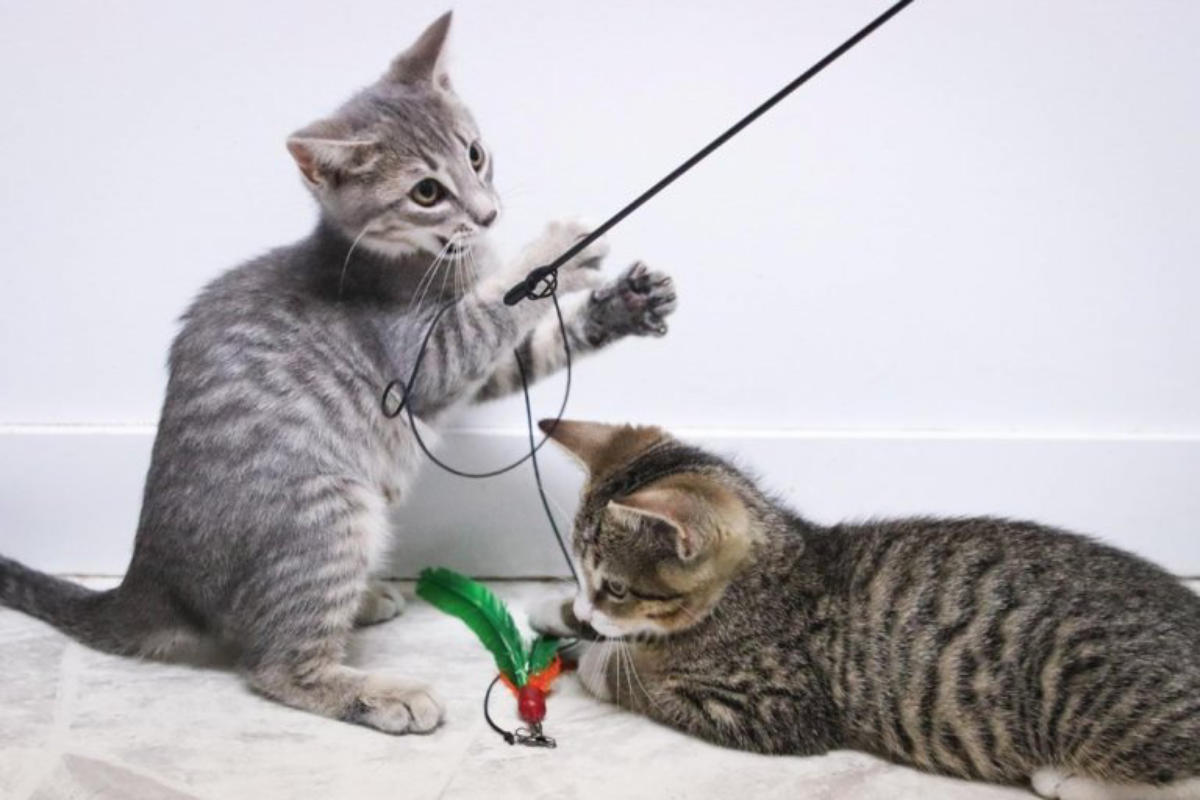
The Biological "Why": Medical Triggers
Before assuming a behavior is "naughty," you must rule out "painful." A cat’s primary instinct is to hide pain. Often, the only sign of distress is an abrupt change in toileting habits.
FLUTD and Feline Idiopathic Cystitis (FIC)
Feline Lower Urinary Tract Disease (FLUTD) is an umbrella term for conditions affecting the bladder and urethra. The most common sub-type is FIC, an inflammatory condition often triggered by stress. When a cat has FIC, urinating hurts. They may begin to associate the litter box with that pain, leading them to seek "softer" or "safer" places like your laundry basket.
The "Silent" Ailments
-
Diabetes and Kidney Disease: These conditions increase thirst and urine volume. The cat may simply not be able to make it to the box in time.
-
Arthritis: For a senior cat, a litter box with high sides is like asking a human with a broken hip to climb a ladder.
-
Cognitive Dysfunction: Much like human dementia, elderly cats can become disoriented and forget the location of their box.
Deciphering the Act: Squatting vs. Spraying
To solve the problem, you must identify the posture.
Squat Urination (Inappropriate Elimination)
The cat squats on a horizontal surface and releases a large volume of urine. This usually indicates an aversion to the box or a medical issue.
Urine Spraying (Territorial Marking)
The cat stands upright, tail quivering, and squirts a small amount of urine onto a vertical surface (walls, curtains, furniture). This is almost always behavioral or hormonal, related to territory and stress. Even neutered cats may spray if they feel their "core territory" is being invaded by outdoor cats they see through the window.
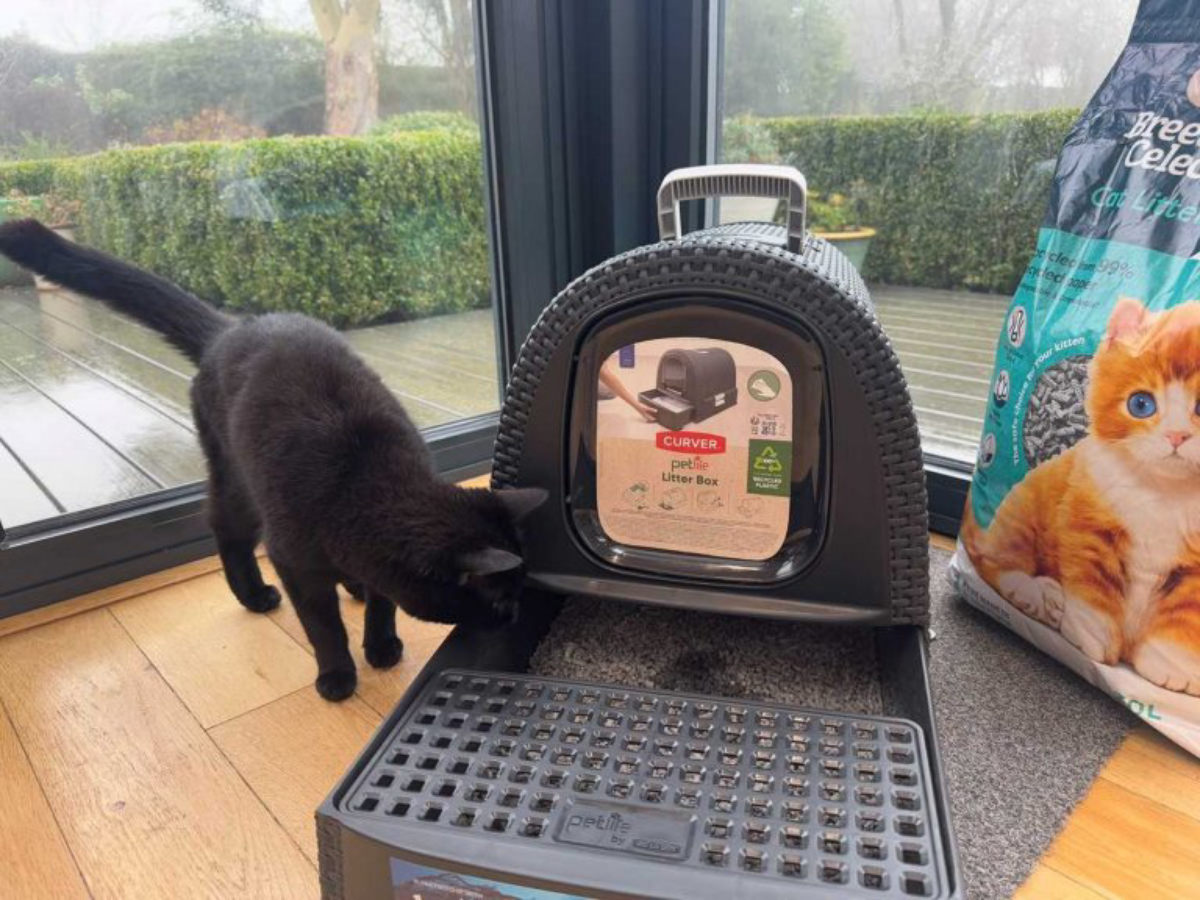
The "Litter Box Audit": Is Your Setup the Problem?
Cats are fastidious creatures. If the "bathroom" isn't up to their standards, they will find a new one.
The $N+1$ Rule
In a household, you should always have one more box than you have cats. If you have two cats, you need three boxes. This prevents "resource guarding," where one assertive cat blocks a nervous cat from accessing the tray.
Geometry and Size
Most commercial litter boxes are too small. A box should be 1.5 times the length of your cat.
-
Pro Tip: Large plastic storage bins (with a hole cut in the side) make far better litter boxes than the tiny, expensive ones sold at pet stores.
The "Sand" Factor
Cats are ancestral desert dwellers. They instinctively prefer fine-grained, unscented, clumping litter that feels like sand. Avoid heavily perfumed litters; what smells like "Spring Meadow" to you can be an olfactory nightmare for a cat whose nose is 14 times more sensitive than yours.
Environmental and Social Stressors
Cats thrive on predictability. Any disruption to their sensory environment can trigger anxiety-based peeing.
The "Invisible" Stress of Owners
Owners who "over-fuss" or provide unpredictable attention can inadvertently stress a cat. Conversely, a lack of stimulation can lead to boredom-related FIC.
Multi-Cat Conflict
Conflict between cats isn't always about hissing and fighting. Sometimes it’s just a "stare-down" in a hallway. If a cat feels they might be ambushed while in the litter box (especially hooded boxes with only one exit), they will find a spot with a better "escape route"—like the middle of your living room floor.
Advanced Treatment and Management
Once the vet has cleared your cat of medical issues, use these multi-modal approaches:
Enzymatic Cleaning
Traditional cleaners (especially those with ammonia) are a mistake. Ammonia smells like urine to a cat, which encourages them to "re-mark" the spot. You must use an enzymatic cleaner that actually breaks down the uric acid crystals.
Pheromone Therapy (Feliway)
Using synthetic pheromones like Feliway can signal to the cat that the environment is safe. A diffuser in the room where the cat is peeing can lower their cortisol levels and reduce the urge to mark.
Environmental Enrichment
Increase "vertical space" with cat trees. A cat that feels safe high up is less likely to feel the need to mark the ground. Use food puzzles to reduce the stress associated with boredom.
Conclusion: The Path to Resolution
Solving litter box issues is a marathon, not a sprint. It requires a combination of veterinary science, environmental engineering, and a lot of patience. By auditing your litter box setup and addressing the underlying stressors, you aren't just saving your carpets—you are significantly improving your cat’s quality of life.
FAQ About Cats Peeing Outside the Litter Box
Why is my cat suddenly peeing outside the litter box?
Sudden inappropriate urination is often linked to medical conditions, stress, territorial behavior, or litter box dissatisfaction. A veterinary checkup should always be the first step.
Can stress cause cats to pee everywhere?
Yes. Stress is one of the leading causes of inappropriate urination in cats, especially in cases of Feline Idiopathic Cystitis (FIC).
What medical problems cause cats to pee outside the litter box?
Common causes include urinary tract infections, FLUTD, kidney disease, diabetes, arthritis, bladder stones, and cognitive dysfunction in senior cats.
What is the difference between spraying and normal urination?
Spraying usually involves a standing posture with urine directed at vertical surfaces, while normal urination involves squatting on horizontal surfaces.
Why do cats spray urine?
Cats spray to mark territory, respond to stress, communicate with other cats, or react to environmental changes.
Can neutered cats still spray?
Yes. Although neutering reduces spraying behavior, stress or territorial insecurity can still trigger urine marking.
How many litter boxes should I have?
The general recommendation is the “N+1 Rule” — one litter box per cat plus one extra.
What type of litter do cats prefer?
Most cats prefer unscented, fine-grained, clumping litter that resembles soft sand.
Why does my cat avoid the litter box?
Possible reasons include dirty litter, painful urination, poor box location, stress, loud noises, or conflict with another cat.
Are covered litter boxes good for cats?
Some cats dislike covered boxes because they trap odors and reduce escape routes, especially in multi-cat households.
How often should I clean the litter box?
Litter boxes should be scooped daily and fully cleaned regularly to maintain hygiene and encourage proper use.
Why is my senior cat peeing outside the box?
Older cats may suffer from arthritis, kidney disease, diabetes, or feline cognitive dysfunction, which can interfere with normal litter habits.
Can moving house trigger inappropriate urination?
Yes. Changes in environment, furniture arrangement, or routine can create anxiety that leads to house soiling.
What cleaners should I avoid after cat urine accidents?
Avoid ammonia-based cleaners because they smell similar to urine and may encourage repeat marking.
What is the best way to clean cat urine?
Use enzymatic cleaners specifically designed to break down urine proteins and remove odor completely.
Does punishment stop cats from peeing outside the litter box?
No. Punishment often increases stress and anxiety, which can worsen the behavior.
Can outdoor cats cause indoor cats to spray?
Yes. Seeing or smelling unfamiliar cats outside windows can trigger territorial marking indoors.
How does Feliway help with spraying problems?
Feliway releases synthetic calming pheromones that help reduce stress and territorial anxiety in cats.
Can boredom cause litter box problems?
Yes. Lack of mental stimulation and environmental enrichment can contribute to stress-related urination behaviors.
When should I take my cat to the vet for urination problems?
Seek veterinary care immediately if your cat strains to urinate, cries while urinating, produces blood in the urine, or stops urinating completely, as these can become life-threatening emergencies.