The Ultimate Geriatric Cat Handbook: Decoding Subtle Illness Signs, Behavioral Anomalies, Advanced Feline Medicine, and Longevity Nutrition for Aging Felines
2 months ago
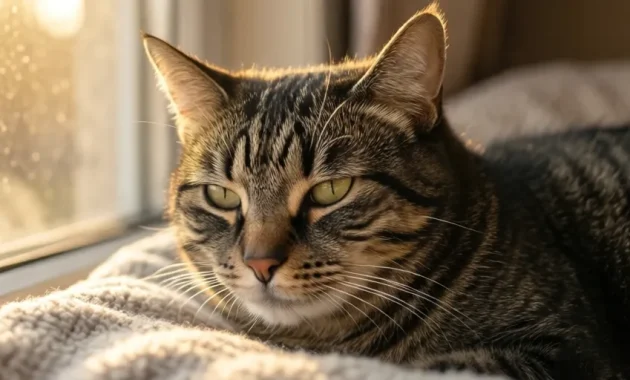
For a dedicated cat parent (PetLover), sharing a home with a cat as they transition into their twilight years is an extraordinarily profound experience. There is a quiet, deeply comforting beauty in the companionship of a senior cat. The frantic, high-wire energy of kittenhood has long dissolved, replaced by a predictable, affectionate rhythm, shared routines, and a mutual understanding that only comes from years of shared life.
However, entering the senior and geriatric life stages—typically defined by veterinary medicine as ages 7 to 11 for mature seniors, 11 to 14 for true seniors, and 15+ for geriatric cats—brings a natural, unavoidable decline in physical vitality. At this stage of life, the feline body undergo structural and metabolic shifts. Organ efficiencies slowly wane, the immune system experiences immunosenescence (gradual deterioration), and chronic, age-related pathologies begin to surface.
┌───────────────────────────────────────────────────────────────────────────┐
│                     The Feline Life Stage Trajectory                      │
├───────────────────────────────────────────────────────────────────────────┤
│  • Mature Senior  ──► 7 to 10 Years   (Subtle metabolic deceleration)     │
│  • True Senior    ──► 11 to 14 Years  (Accelerated organ wear, arthritis) │
│  • Geriatric      ──► 15+ Years       (High fragility, cognitive decline) │
└───────────────────────────────────────────────────────────────────────────┘
When an aging cat falls ill, the clinical presentation looks vastly different from that of a human, a dog, or even a younger cat. The most critical truth every cat owner must grasp is that cats are evolutionarily hardwired to hide their illnesses. In the wild, showing any sign of physical weakness, pain, or vulnerability marks a cat as easy prey for larger predators or an target for displacement within their own social colony. Consequently, felines have evolved into master cloakers of physical suffering. They exhibit what veterinary behaviorists refer to as stoic behavior.
Because of this deeply ingrained evolutionary defense mechanism, a sick senior cat will rarely complain loudly. They will not cry out, whine, or flag their distress with obvious markers until their underlying disease has progressed to an advanced, often decompensated stage. Instead, their cry for help manifests as subtle, easy-to-miss behavioral shifts (anomali perilaku).
As their caretaker, your ability to spot these quiet behavioral changes is often the only line of defense between early veterinary intervention and terminal illness. This comprehensive masterclass will break down the four critical behavioral signs of senior feline illness, explore the underlying veterinary medicine behind them, and provide actionable guidelines for senior cat nutrition, environmental adjustments, and clinical care.
Fluctuations in Appetite The Clinical Reality of Anorexia and Polyphagia
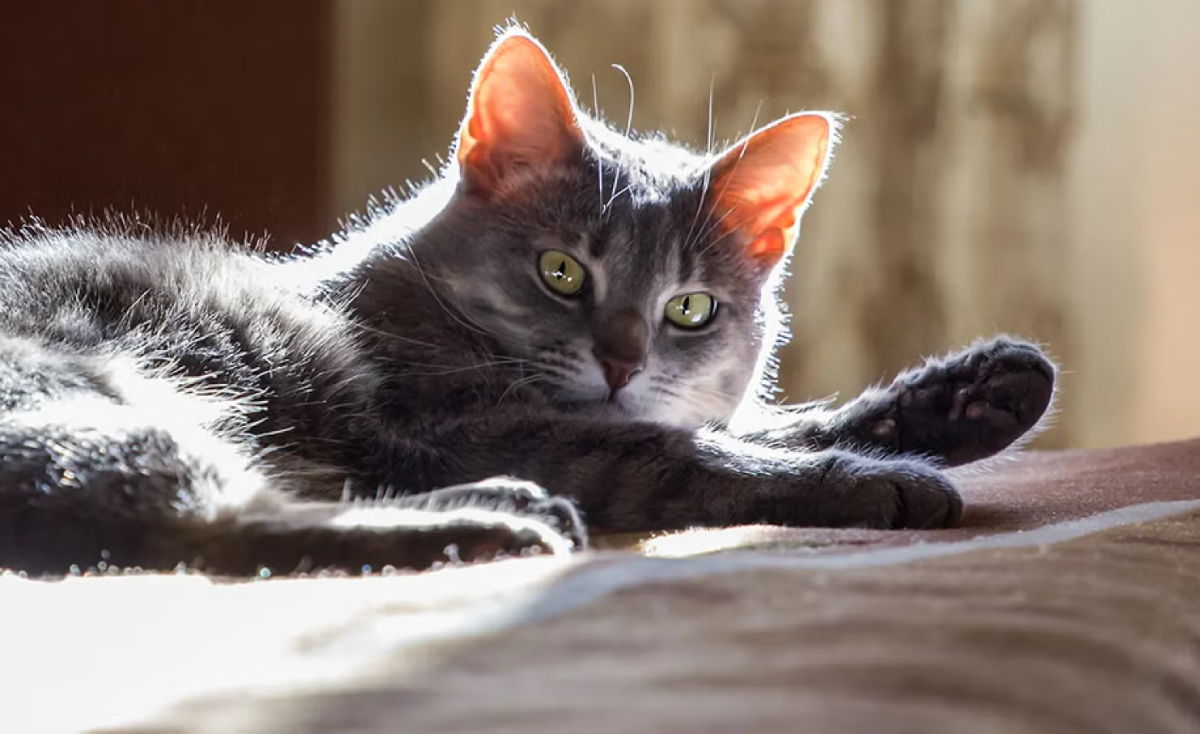
A senior cat’s relationship with their food dish is an excellent barometer for their internal health. Any sudden shift in how much or how fast a cat eats warrants immediate veterinary attention.
                          [ Feline Appetite Dysregulation ]
                                         │
        ┌────────────────────────────────┴───────────────────────────────┐
        ▼                                                                ▼
 [ Hypofagia / Anorexia ]                                 [ Polyphagia (Increased Intake) ]
 ├── Underlying Nausea or Pain                            ├── Diabetes Mellitus (Insulin Malfunction)
 ├── Risk of Hepatic Lipidosis                            ├── Hipertiroidisme (Metabolic Burn)
 └── Fatal within 24-48 hours                             └── IBD / Intestinal Lymphoma (Malabsorption)
1. Inappetence (Hyporexia to Anorexia)
When a senior cat stops finishing their food (tidak menghabiskan makanannya) or turns away from food entirely (anoreksia), it is an immediate medical red flag. Inappetence is not a disease itself; it is a universal symptom that something is mechanically, chemically, or metabolically wrong inside the body. It can be triggered by systemic nausea, localized pain, a fading sense of smell, or internal inflammation.
The Emergency Threat: Hepatic Lipidosis (Fatty Liver Syndrome)
Inappetence in cats carries a severe risk that makes it a true medical emergency: Hepatic Lipidosis. When a human or a dog fasts, their body easily mobilizes fat stores to convert into energy.
However, the feline liver is not metabolically designed to handle large amounts of fat moving through it at once. If a cat—especially an overweight or senior cat—stops eating for more than 24 to 48 hours, their body panics and floods the liver with peripheral body fat.
The liver quickly becomes overwhelmed, clogging the hepatic cells with fat deposits. This triggers acute liver failure, jaundice, severe corporate nausea, and, if left untreated, death. Never let an inappetent senior cat fast for more than 24 hours without contacting a veterinarian.
2. Excessive Hunger (Polyphagia)
Conversely, seeing a senior cat suddenly develop a ravenous, bottomless appetite (makan sangat banyak) is often mistaken by owners as a sign of renewed youth. This is a dangerous misconception. If an aging cat is constantly begging for food, stealing scraps, and eating everything in sight—especially if they are losing weight at the same time—they are likely suffering from a serious systemic disorder.
There are three primary age-related diseases that drive this symptom:
┌───────────────────────────────────────────────────────────────────────────┐
│                    The Polyphagia Weight Loss Triad                       │
├───────────────────────────────────────────────────────────────────────────┤
│  1. Diabetes Mellitus  ──► Cells starve as glucose stalls in the blood.   │
│  2. Hipertiroidisme    ──► Excess T4 hormone burns calories uncontrollably.│
│  3. Intestinal Tumors  ──► IBD/Lymphoma blocks absorption of nutrients.  │
└───────────────────────────────────────────────────────────────────────────┘
A. Diabetes Mellitus
Feline diabetes mirrors Type II diabetes in humans. The cat’s pancreas produces insulin, but the body's cellular receptors become resistant to it. Insulin acts as the key that unlocks cell walls to let glucose inside for energy.
Without functioning insulin receptors, glucose builds up in the bloodstream while the individual cells starve for energy. The brain receives constant panic signals that the body is starving, driving the cat to eat continuously. Yet, because the body cannot process the food into cellular energy, it breaks down its own muscle and fat stores, causing rapid weight loss despite the high food intake.
B. Feline Hipertiroidisme
This is one of the most common endocrine disorders affecting cats over the age of seven. It is typically caused by a benign tumor (adenoma) on the thyroid gland, which results in an overproduction of thyroid hormones ($T_4$ and $T_3$). These hormones act as the body's internal thermostat and accelerator pedal.
An excess of $T_4$ kicks the cat’s metabolism into overdrive. The body burns calories at an unsustainable rate, raising the heart rate, elevating blood pressure, and demanding massive amounts of fuel. The hyperthyroid cat eats ravenously but acts like a furnace, burning through its food and shedding muscle tissue rapidly.
C. Gastrointestinal Malabsorption (IBD and Alimentary Lymphoma)
If the delicate lining of the small intestine becomes chronically inflamed due to Inflammatory Bowel Disease (IBD) or infiltrated by cancerous white blood cells (Alimentary Lymphoma), the intestine loses its structural ability to absorb nutrients.
Food passes through the digestive tract without being absorbed into the bloodstream. The cat is functionally starving from the inside out, which drives a frantic appetite, even though their body cannot use the nutrients passing through.
Alterations in Sleep Architecture and Energy Matrices
Sleep is a fundamental pillar of feline life, but an unexpected shift in your senior cat's sleeping patterns is often a clear indicator of hidden physical discomfort.
[ Chronic Pain or Infection ] ──► Systemic Exhaustion ──► True Lethargy (Loss of Joy / Pure Immobility)
Decoupling Normal Aging from Pathological Lethargy
It is completely normal for a senior cat to slow down, play less intensely, and spend more time resting than a high-energy kitten. On average, a healthy senior cat will sleep anywhere from 14 to 18 hours a day. However, this sleep should still be high-quality, peaceful, and interspersed with periods of alert, purposeful activity like grooming, patrolling the house, stretching, and engaging with family members.
Pathological lethargy (hipersomnia/lethargy) occurs when a cat withdraws entirely from their normal daily routine. If your senior cat is sleeping significantly more than their usual baseline, showing zero interest in interactive toys, ignoring household movements, or refusing to get up to greet you, their body is diverting all its energy toward fighting off an infection or coping with chronic, unmanaged pain.
Nighttime Vocalizations and Cognitive Decline
On the flip side, some illnesses disrupt sleep patterns entirely, causing senior cats to become hyper-restless or pace nervously at night. If your senior cat is awake at 3:00 AM, pacing the hallways and crying out with loud, mournful vocalizations, they may be experiencing Feline Cognitive Dysfunction Syndrome (CDS)—the feline equivalent of Alzheimer's disease or dementia.
┌───────────────────────────────────────────────────────────────────────────┐
│               Feline Cognitive Dysfunction (CDS) Markers                  │
├───────────────────────────────────────────────────────────────────────────┤
│  • Disorientation      ──► Getting stuck behind doors or staring at walls. │
│  • Interaction Shifts  ──► Sudden clinginess or uncharacteristic aggression.│
│  • Sleep-Wake Spikes   ──► Extreme nighttime pacing and loud vocalizations.│
│  • House Soiling       ──► Forgetting the location of the litter box.       │
└───────────────────────────────────────────────────────────────────────────┘
CDS leads to amyloid plaque accumulation and compromised blood flow in the brain, which causes confusion, memory loss, and deep anxiety. A cat with CDS may wake up in the dark, lose track of where they are in their own home, and cry out in fear.
Nighttime pacing and vocalization can also be driven by the intense physical restlessness of hipertiroidisme or the systemic headaches and confusion caused by systemic hypertension (high blood pressure), which is common in senior cats with underlying kidney disease.
Social Withdrawal and Hiding Behavior — The Psychology of Vulnerability
A sudden shift in your cat's social personality is one of the clearest signs of hidden pain or illness.
[ Systemic Hypertension / Osteoarthritis ] ──► Vulnerability Spike ──► Dark Corner Isolation
The Evolutionary Roots of Hiding (Hiding Behavior)
In a multi-cat home or a natural environment, a cat that is sick or injured faces immediate social vulnerability. They cannot run as fast, climb as high, or defend themselves effectively against conflict.
To protect themselves, their natural instinct is to seek out dark, low, enclosed, and isolated spaces—such as deep inside a closet, behind a washing machine, or under a couch.
If a normally social, affectionate senior cat suddenly stops spending time with the family and begins spending days tucked away in a hiding spot, they are not simply looking for a quiet nap. They are attempting to isolate themselves because they feel physically vulnerable.
Sensory Deficits: Loss of Vision and Hearing
Social withdrawal can also be driven by a gradual or sudden loss of their primary senses. Senior cats are prone to developing nuclear sclerosis or mature cataracts in their eyes, as well as a progressive loss of hearing due to changes in the inner ear.
┌───────────────────────────────────────────────────────────────────────────┐
│                    Hypertensive Retinal Detachment Loop                  │
├───────────────────────────────────────────────────────────────────────────┘
 Chronic Kidney Disease (CKD) ──► Blood Pressure Spike ──► Retinal Vessel Rupture ──► Sudden Blindness
More alarmingly, sudden blindness can occur in senior cats as a secondary complication of Chronic Kidney Disease (CKD) or hyperthyroidism. When these diseases cause blood pressure to skyrocket, the high pressure can rupture the tiny, delicate blood vessels behind the eyes, leading to complete retinal detachment.
A cat that loses its sight or hearing suddenly will feel terrified and disoriented. They will often hide in a single corner, hiss or startle when approached, and refuse to move through open rooms because they can no longer navigate their surroundings safely.
Grooming Deviations — Hypogrooming vs. Hypergrooming
A cat's coat is a direct reflection of their internal well-being. When a cat is sick, their daily self-grooming routine is often one of the first habits to fall apart.
┌───────────────────────────────────────────────────────────────────────────┐
│                    The Feline Grooming Disruption Axis                    │
├───────────────────────────────────────────────────────────────────────────┤
│  Hypogrooming (Under-grooming):                                           │
│  • Driven by: Osteoarthritis (Spine/Hips), Oral Pain (Stomatitis).       │
│  • Physical Signs: Matted fur, greasy coat, dandruff, unkempt look.       │
│                                                                           │
│  Hypergrooming (Over-grooming):                                           │
│  • Driven by: Flea/Mite allergies, Cystitis pain, Stress/Anxiety.        │
│  • Physical Signs: Bald patches (alopecia), raw skin, hotspots.          │
└───────────────────────────────────────────────────────────────────────────┘
1. Chronic Neglect (Hypogrooming) and Its Medical Drivers
When an aging cat stops grooming themselves properly, their coat quickly becomes dull, greasy, clumpy, matted (kusut), and covered in a heavy layer of dandruff (ketombe). This under-grooming is typically caused by two painful conditions:
A. Spinal Osteoarthritis and Degenerative Joint Disease (DJD)
Studies show that over 90% of cats over the age of 12 suffer from some degree of arthritis in their spine, hips, elbows, or knees.
Grooming requires a high degree of flexibility; a cat must bend, twist, and arch their spine to reach their lower back, hind legs, and tail base. If a cat has severe arthritis along their spine, bending around to clean those areas causes sharp, agonizing pain. Consequently, they will skip cleaning those parts of their body entirely, leading to thick matting and dandruff build-up on their lower back and hindquarters.
[ Degenerative Joint Disease ] ──► Spinal Flexion Pain ──► Hindquarter Neglect ──► Heavy Matting / Dandruff
B. Periodontal Disease and Feline Chronic Gingivostomatitis (FCGS)
If a senior cat has severe dental disease, resorptive tooth lesions, or widespread oral inflammation, their mouth is a constant source of pain.
Because their saliva may be thick, bloody, or foul-smelling due to infection, any attempt to lick their fur spreads this painful, foul-tasting saliva across their coat, leaving it looking greasy, spiked, and unkempt.
2. Obsessive Over-Grooming (Hypergrooming)
Conversely, if a senior cat starts grooming themselves constantly, licking, chewing, or biting at their fur until the skin is bald, raw, or bleeding, they are dealing with localized discomfort. This can be caused by:
-
Ectoparasites and Dermatological Allergies: Intense reactions to flea bites, mites, or environmental allergies that cause severe, localized itching.
-
Referred Pain from Lower Urinary Tract Disorders: A cat suffering from Feline Lower Urinary Tract Disease (FLUTD) or Interstitial Cystitis feels a burning, throbbing pain in their bladder. To soothe this internal distress, they will obsessively lick the bare skin of their lower abdomen, often clearing all the fur from their belly in an attempt to self-soothe.
-
Arthritic Joint Licking: If a single joint, such as the left wrist or right hock, is throbbing with arthritic pain, the cat will focus their grooming entirely on that single spot, licking it continuously to calm the deep joint ache underneath.
Senior & Geriatric Longevity Nutrition — The Longevis Revolution
As cats cross into their senior years, their nutritional requirements change dramatically. Unlike dogs and humans, who often need fewer calories as they age, a senior cat's ability to digest macronutrients drops significantly after they pass age 10 or 11.
[ Advanced Age >11 Years ] ──► Decreased Lipase/Trypsin Production ──► Poor Fat/Protein Absorption
As a cat reaches advanced age, their pancreas produces lower amounts of digestive enzymes like lipase and trypsin. This makes it much harder for their digestive system to break down and absorb fats and proteins from their food.
If they stay on a standard adult cat kibble, they will slowly lose lean muscle mass and suffer from sub-clinical malnutrition, even if they appear to be eating normally.
┌───────────────────────────────────────────────────────────────────────────┐
│                    The Macromolecular Longevity Matrix                    │
├───────────────────────────────────────────────────────────────────────────┤
│  • Protein Target ──► ≥30% Real Salmon/Tuna (Highly bioavailable)         │
│  • Lipid Target   ──► Optimized fats enhanced with active prebiotics      │
│  • Moisture Core  ──► Hydration support via functional wet food varieties  │
│  • Longevity Tech ──► LONGEVIS Blend (Antioxidants, Omega-3 & Omega-6)     │
└───────────────────────────────────────────────────────────────────────────┘
To counter this natural drop in digestive efficiency, senior cats need a diet that is exceptionally easy to digest, highly palatable, and packed with dense, bioavailable nutrients. Transitioning your cat to a specialized senior diet, such as Pro Plan Adult Senior 7+ and Pro Plan Wet Adult 7+, delivers essential nutritional support for aging organs:
-
Real Salmon and Tuna Base: Provides premium, easily digestible protein sources that help preserve lean muscle mass without overloading aging kidneys.
-
Active Probiotics and Inulin Prebiotics: Bolsters digestive health by feeding beneficial gut microbes, maximizing nutrient absorption, and supporting a healthy immune response.
-
The Proprietary LONGEVIS Technology: This scientifically developed blend of antioxidants, vitamins, and essential fatty acids (Omega-3 and Omega-6) is proven to protect cell health, improve organ function, and extend the healthy lifespan of senior cats.
-
Targeted Wet Food Hydration (Pro Plan Wet Adult 7+): Senior cats naturally have a low thirst drive, making them highly vulnerable to dehydration, which accelerates kidney damage. Feeding a nutrient-dense wet food option introduces vital moisture into their daily routine, flushing the kidneys and protecting lower urinary tract health.
These advanced gerontological nutrition lines are readily accessible through official digital storefronts, including Pro Plan Official Stores on Lazada, Shopee, and Tokopedia, ensuring you can easily access premium care for your pet.
Clinical Screening and Diagnostic Frameworks
Because senior cats are so skilled at hiding their symptoms, relying purely on visual checks is not enough to protect their health. You must couple your daily observations at home with a structured preventative veterinary care routine.
                    [ Preventative Veterinary Framework ]
                                      │
       ┌──────────────────────────────┼──────────────────────────────┐
       ▼                              ▼                              ▼
 [ Every 6 Months: Exam ]       [ Comprehensive Blood Panel ]   [ Blood Pressure Check ]
 ├── Palpates joints for DJD   ├── Tracks SDMA/Creatinine      ├── Screens for hypertension
 └── Detects early heart murmurs└── Evaluates T4 thyroid level  └── Prevents sudden blindness
1. Semi-Annual Veterinary Evaluations
Once a cat reaches seven years of age, their veterinary check-ups should move from once a year to every six months. A senior cat's health can shift significantly in half a year. During these visits, your veterinarian will check for changes in body weight, look closely for dental disease, feel the joints for signs of arthritis, and listen to the heart to catch any new murmurs or arrhythmias early.
2. The Senior Blood and Biochemistry Panel
Every senior veterinary visit should include a comprehensive blood and urine check. This provides an objective look at how your cat's internal organs are functioning, long before they show any outward signs of illness.
┌───────────────────────────────────────────────────────────────────────────┐
│                 Key Diagnostics in Senior Feline Panels                   │
├───────────────────────────────────────────────────────────────────────────┤
│  • SDMA & Creatinine    ──► Monitors kidney function and damage early.     │
│  • Total T4             ──► Checks for underlying hyperthyroidism.         │
│  • Liver Enzymes (ALT)  ──► Evaluates hepatic health and fat processing.  │
│  • Urinalysis (USG)     ──► Measures urine concentration and protein loss. │
└───────────────────────────────────────────────────────────────────────────┘
-
SDMA (Symmetric Dimethylarginine) & Creatinine: Standard markers for kidney health. The kidneys are often the first major organ system to wear down in cats. Traditional creatinine markers will not rise until nearly 75% of kidney function is already lost. The advanced SDMA test can spot early kidney decline when only 25% to 40% of function has been compromised, giving you a vital head start to modify their diet and slow the disease down.
-
Total T4: Measures circulating thyroid hormones to rule out or catch hyperthyroidism early.
-
Liver Enzymes (ALT, ALP): Screens for internal inflammation, structural damage, or early signs of hepatic lipidosis.
-
Complete Urinalysis with Urine Specific Gravity (USG): Checking a urine sample is essential alongside a blood test. If a blood test shows slightly elevated kidney markers but the urine is well-concentrated, the kidneys are still functioning well. If the urine is thin and dilute, it confirms the kidneys are losing their filtering ability.
Designing an Accessible, Senior-Friendly Home Environment
Alongside proper veterinary care and nutrition, making a few thoughtful adjustments to your home can dramatically improve your senior cat's daily comfort, independence, and overall quality of life.
┌───────────────────────────────────────────────────────────────────────────┐
│                    Senior Home Accessibility Upgrades                    │
├───────────────────────────────────────────────────────────────────────────┤
│  [ Low-Profile Litter Boxes ] ──► Low entrance prevents arthritic pain.   │
│  [ Elevated Bowls ]           ──► Reduces strain on the neck and spine.   │
│  [ Soft Micro-Ramps ]         ──► Restores safe access to favorite spots. │
│  [ Targeted Nightlights ]     ──► Helps disoriented cats with CDS navigate.│
└───────────────────────────────────────────────────────────────────────────┘
1. Low-Profile Litter Boxes
Standard litter boxes often feature entry walls that are 6 to 8 inches high. For a senior cat dealing with severe arthritis in their hips and spine, stepping over that high ledge requires a painful amount of effort.
If it hurts too much to enter the box, your cat may begin urinating on the floor right next to it. Swap out your standard boxes for low-profile litter trays with an entry opening no higher than 2 to 3 inches, making it easy and pain-free for them to walk right in.
2. Elevated Food and Water Stations
Eating from a bowl placed flat on the floor forces a cat to crouch down, bending their neck forward and putting a high amount of stress on their front elbows and upper spine.
Place their food and water dishes on elevated stands raised 3 to 4 inches off the ground, or use specialized angled bowls. This allows your senior cat to eat and drink in a natural, upright position, reducing joint strain and minimizing post-meal vomiting.
3. Gentle Ramps and Step Steps
If your cat’s favorite sleeping spot is on your bed, a high windowsill, or the couch, don't force them to make that high jump every day. The impact of landing on hard floors can accelerate joint damage and cause sharp spikes of arthritic pain.
Place soft, foam-padded pet stairs or low-incline ramps next to these high spots, allowing your cat to safely climb up and down without jarring their sensitive joints.
4. Strategic Nightlighting
For cats experiencing early cognitive confusion or failing eyesight, a pitch-black house at night can trigger panic and loud crying. Place automated LED nightlights near their food stations, litter boxes, and favorite sleeping corners. Providing a soft guiding light helps them navigate the house safely after dark, reducing disorientation and nighttime stress.
Absolute Comparative Matrix: Normal Aging vs. Pathological Symptoms
To help you monitor your pet effectively, keep this quick-reference matrix handy to help you easily distinguish between normal pen-down aging and signs of a serious underlying illness:
| Behavioral Dimension | Normal Senior Deceleration | Pathological Illness Marker |
| Nutritional Patterns | Eating slightly slower; prefers softer textures; stable body weight. | Anorexia (No food for >24 hours) OR Polyphagia (Eating constantly while dropping weight). |
| Sleep Quality | Sleeping 14-18 hours; resting peacefully; easily awoken and alert. | Lethargy (Unresponsive, immobile) OR Nighttime Pacing with loud vocalizations. |
| Social Affiliation | Prefers quieter rooms; enjoys shorter cuddle sessions; still greets family. | Total Isolation (Hiding continuously in dark, low, inaccessible locations). |
| Coat and Grooming | Minor decrease in overall shine; slight dandruff on the lower back. | Hypogrooming (Severe matting, greasy coat, skin crusts) OR Hypergrooming to the point of baldness. |
| Litter Box Habits | Moving a bit slower to the box; minor changes in urination times. | House Soiling (Urinating outside the box due to arthritic pain, UTI, or confusion). |
Summary Checklist for Senior Cat Guardians
If you are caring for a beloved cat over the age of seven, implement this comprehensive care checklist to optimize their comfort and health:
-
[ ] Switch to Specialized Longevity Nutrition: Transition your cat to a nutrient-dense formula like Pro Plan Adult Senior 7+ to maximize digestion and protect vital organs.
-
[ ] Incorporate High-Moisture Wet Food: Introduce premium wet food into their daily diet to maintain hydration and ease the workload on their kidneys.
-
[ ] Establish a Bi-Annual Veterinary Schedule: Move check-ups to every six months to catch underlying health shifts early.
-
[ ] Request Comprehensive Senior Screenings: Ensure your vet runs regular blood chemistry, SDMA, Total T4, and urinalysis panels.
-
[ ] Perform Weekly Home Mobility Assessments: Watch how your cat walks and jumps to catch early signs of joint pain or limping.
-
[ ] Upgrade to Low-Entry Litter Trays: Remove high barriers to keep their bathroom area pain-free and fully accessible.
-
[ ] Install Navigational Nightlights: Place gentle lighting along major pathways to support cats with failing vision or cognitive confusion.
Caring for an aging cat is a deeply rewarding privilege. By recognizing that subtle behavioral changes are their unique way of communicating physical distress, you can step in early and provide the care they need. By pairing watchful home care with advanced nutrition and regular veterinary diagnostics, you can ensure your senior companion enjoys a vibrant, comfortable, and deeply loved life throughout their golden years.
FAQ (Senior Cat Care Guide)
Q1: At what age is a cat considered a senior?
A: Cats are generally considered mature seniors at 7–10 years, senior at 11–14 years, and geriatric at 15 years and older.
Q2: Why do senior cats hide when they are sick?
A: Cats instinctively hide illness due to survival behavior. In the wild, showing weakness makes them vulnerable, so sick cats often isolate themselves.
Q3: Is loss of appetite in senior cats dangerous?
A: Yes. Not eating for 24–48 hours can lead to hepatic lipidosis (fatty liver disease), which can become life-threatening without treatment.
Q4: Why is my senior cat always hungry but losing weight?
A: This can indicate serious conditions such as diabetes, hyperthyroidism, or intestinal diseases that prevent proper nutrient absorption.
Q5: How many hours should a senior cat sleep?
A: Typically 14–18 hours per day. However, abnormal lethargy or withdrawal from activity may signal illness.
Q6: What is Feline Cognitive Dysfunction (CDS)?
A: It is a brain aging condition similar to dementia in humans, causing confusion, nighttime vocalization, disorientation, and behavioral changes.
Q7: Why is my cat not grooming anymore?
A: Reduced grooming can be caused by arthritis, dental pain, or general weakness that makes movement uncomfortable.
Q8: Why is my cat grooming too much?
A: Over-grooming may be caused by stress, allergies, parasites, or pain from conditions like urinary disease.
Q9: How often should a senior cat visit the vet?
A: Every 6 months is recommended to detect early signs of kidney disease, thyroid issues, or other age-related conditions.
Q10: What diet is best for senior cats?
A: A high-quality, highly digestible diet rich in animal protein, moisture (wet food), and nutrients that support kidney and organ health is best.