
Feline Anaphylactic Shock: The 2026 Definitive Guide to Emergency Allergic Protocols
3 months ago
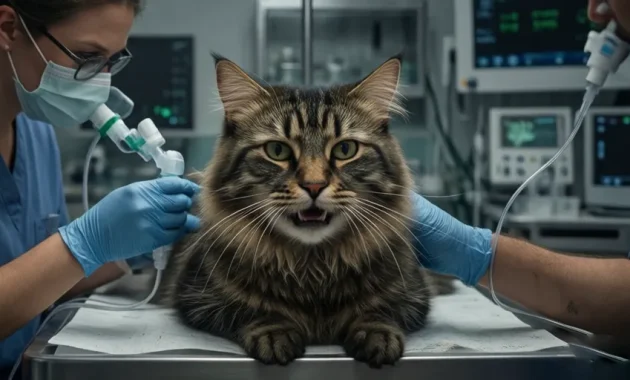
In the world of veterinary medicine, few conditions are as terrifying as anaphylaxis. While most "allergic reactions" result in itchy skin or a sneeze, anaphylaxis is a systemic, life-threatening explosion of the immune system. Instead of defending the body, the cat’s immune system overreacts with such violence that it begins to shut down vital organs.
As we move through 2026, our understanding of feline immunology has deepened. We now recognize that a cat’s lungs and liver are the "shock organs"—the areas most severely impacted during a crisis. This guide provides an exhaustive look at identifying, managing, and surviving this rare but deadly medical event.
The Pathophysiology: What Happens at a Cellular Level?
Anaphylaxis is technically known as Type 1 Hypersensitivity. It involves a complex chain reaction within the feline bloodstream.
The IgE and Histamine Chain
When a cat is first exposed to an allergen (the "sensitizing dose"), their immune system produces IgE antibodies. Upon the second exposure, these antibodies bind to mast cells and basophils. These cells then "degranulate," releasing a massive flood of histamine and other inflammatory mediators.
-
Vascular Collapse: Histamine causes blood vessels to dilate rapidly, leading to a sudden, dangerous drop in blood pressure (hypotension).
-
Bronchoconstriction: The smooth muscles in the airways tighten, making it nearly impossible for the cat to draw oxygen.
Causes: Identifying the "Hidden" Triggers
While the triggers are vast, they generally fall into five high-risk categories. Understanding these can help you mitigate risk in your cat's daily environment.
Biological Venoms and Saliva
Insect stings (bees, wasps) are the leading cause of sudden-onset anaphylaxis. However, in certain regions, snake bites or spider venom can trigger an identical response. Even flea saliva, which usually causes "Flea Allergy Dermatitis," can occasionally bridge into a systemic reaction.
Pharmaceutical and Vaccine Triggers
While vaccines are essential for feline health, a tiny percentage of cats are hypersensitive to the proteins used in vaccine manufacturing. This is why many veterinarians suggest waiting in the lobby for 20 minutes post-vaccination.
Dietary and Environmental Allergens
Common proteins (fish, dairy, wheat) or inhaled molds and pollens are usually chronic irritants, but in rare, hyper-sensitive individuals, they can trigger an acute episode.
Symptoms: The "Red Alert" Signs
Anaphylaxis moves with terrifying speed. Most reactions occur within minutes of exposure. Owners must be able to spot these signs before the cat loses consciousness.
The "Shock Organ" Indicators
| Symptom Category | Clinical Presentation |
| Respiratory | Extreme panting, open-mouth breathing, blue/purple gums (cyanosis). |
| Gastrointestinal | Sudden, explosive vomiting or diarrhea. |
| Circulatory | Rapid heart rate (tachycardia) followed by a weak pulse and collapse. |
| Dermatological | Facial swelling (angioedema) or hives (urticaria). |
Emergency Diagnosis: The Golden Hour
If you suspect your cat is in anaphylactic shock, every second counts. Upon arrival at the ER, the veterinarian will prioritize stabilization over testing.
Triage Assessment
The vet will listen for "crackles" or "wheezes" in the lungs and check the "capillary refill time" (CRT). If you press your finger against a cat's gums and they stay white for more than two seconds, the cat is in circulatory shock.
Diagnostic Imaging
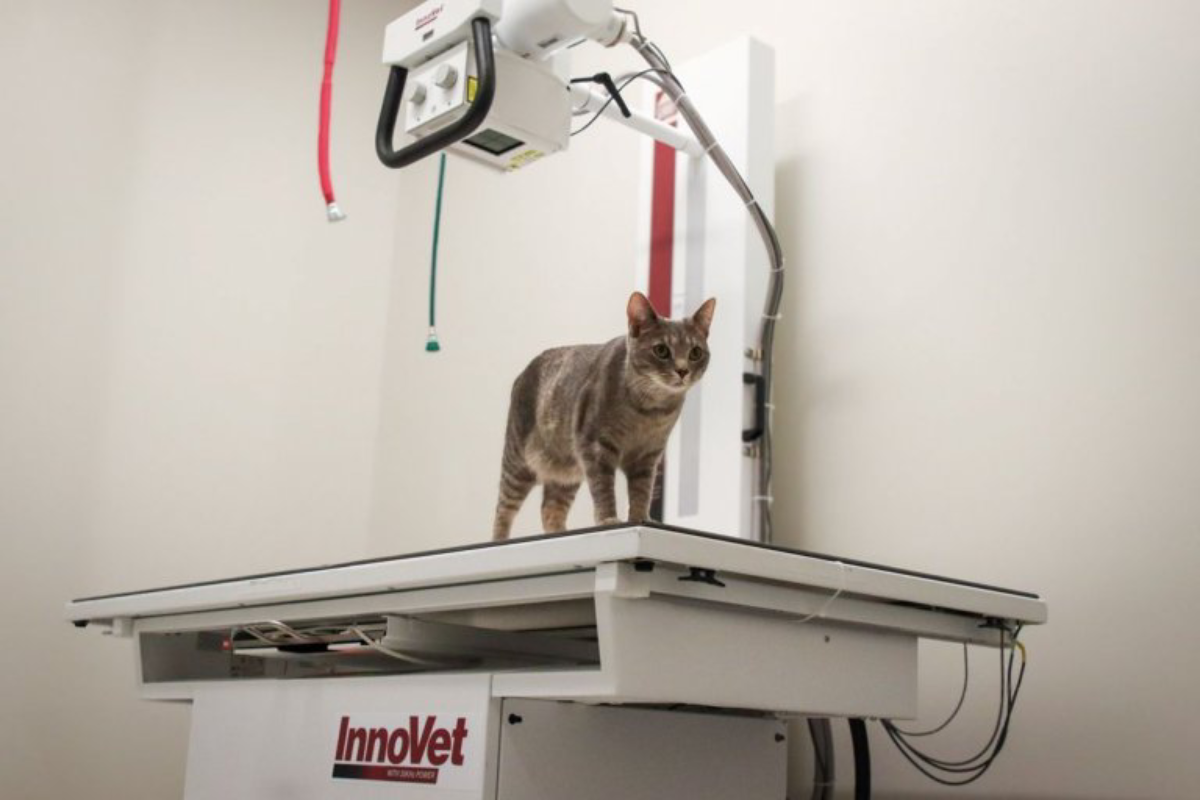
Once stable, X-rays may be used to check for pulmonary edema (fluid in the lungs) or an enlarged liver, both of which are hallmark signs of feline anaphylaxis.
Treatment Protocols: The Lifesaving Toolkit
The goal of treatment is to "turn off" the immune system's overreaction while supporting the failing organs.
The Big Three: Adrenaline, Fluids, and Oxygen
-
Epinephrine (Adrenaline): This is the gold standard. It reverses the dilation of blood vessels and opens the airways.
-
Aggressive Fluid Therapy: Intravenous fluids are pumped into the cat to raise blood pressure and prevent organ failure.
-
Oxygen Therapy: Most cats will be placed in an oxygen cage to reduce the work of breathing.

Long-Term Management: Prevention and Recovery
Surviving an anaphylactic event is a traumatic experience for both the cat and the owner. Recovery often involves several days of hospitalization to monitor for a "second wave" of inflammation.
The "Avoidance" Strategy
The most effective treatment is prevention.
-
Medical Tagging: Ensure your cat’s medical file has a "Red Flag" for any medications or vaccines that caused a reaction.
-
Emergency Kits: Some owners of highly sensitive cats keep a feline "Epi-Pen" or emergency steroids on hand (only under strict veterinary supervision).
Conclusion: A Vigilant Future
Anaphylaxis is a reminder of how powerful the feline immune system truly is. While it is rare, the speed and severity of the condition require owners to be "first responders" in their own homes. By recognizing the symptoms and acting with urgency, you can ensure that a sudden allergic reaction doesn't become a fatal tragedy.
FAQ About Anaphylaxis in Cats
What is anaphylaxis in cats?
Anaphylaxis is a severe and life-threatening allergic reaction where a cat’s immune system overreacts to a trigger, causing breathing difficulties, low blood pressure, shock, and potential organ failure.
What causes anaphylaxis in cats?
Common causes include insect stings, medications, vaccines, certain foods, environmental allergens, and venomous bites from spiders or snakes.
How quickly does anaphylaxis happen in cats?
Symptoms usually appear within minutes to a few hours after exposure to the allergen. In severe cases, the reaction can progress extremely fast.
What are the first signs of anaphylaxis in cats?
Early signs may include vomiting, diarrhea, drooling, facial swelling, weakness, rapid breathing, open-mouth breathing, and sudden collapse.
Why is anaphylaxis dangerous for cats?
Anaphylaxis can rapidly reduce oxygen supply and blood circulation, potentially leading to respiratory failure, liver damage, shock, or death if untreated.
Can vaccines cause allergic reactions in cats?
Yes, although rare, some cats may experience allergic reactions to vaccine ingredients or proteins used during vaccine production.
What should I do if my cat shows signs of anaphylaxis?
Seek emergency veterinary care immediately. Anaphylaxis is a medical emergency that requires rapid treatment with oxygen, fluids, and medications.
Can I treat feline anaphylaxis at home?
No. Home treatment is not enough for severe allergic reactions. Immediate veterinary intervention is critical for survival.
What medications are used to treat anaphylaxis in cats?
Veterinarians commonly use epinephrine (adrenaline), antihistamines, corticosteroids, oxygen therapy, and intravenous fluids.
Can food allergies trigger anaphylaxis in cats?
In rare cases, yes. Certain proteins such as fish, dairy, or chicken may trigger severe allergic reactions in highly sensitive cats.
Are insect stings dangerous for cats?
Yes. Bee or wasp stings can sometimes cause severe allergic reactions, especially if the cat has been sensitized before.
What is the difference between a mild allergy and anaphylaxis?
Mild allergies usually cause itching or skin irritation, while anaphylaxis affects the entire body and can cause breathing problems and shock.
Can cats recover fully from anaphylaxis?
Yes, many cats recover completely if they receive emergency treatment quickly enough.
How long does recovery from anaphylaxis take?
Recovery may take several hours to several days depending on the severity of the reaction and whether organ damage occurred.
Can anaphylaxis happen more than once?
Yes. Once a cat has experienced anaphylaxis, future exposure to the same allergen may trigger another severe reaction.
Should cats with allergies avoid certain vaccines or medications?
Yes. Owners should always inform veterinarians about previous allergic reactions so safer alternatives or precautions can be used.
What organs are most affected during feline anaphylaxis?
The lungs and liver are considered the primary “shock organs” in cats during severe allergic reactions.
Can flea bites trigger severe allergic reactions?
Yes. Some cats are extremely sensitive to flea saliva and may develop severe allergic responses.
How can I reduce the risk of anaphylaxis in my cat?
Use flea prevention, avoid known allergens, monitor reactions after vaccines or medications, and keep emergency veterinary contact information accessible.
When should I take my cat to an emergency vet for allergies?
Immediately if your cat has difficulty breathing, facial swelling, collapse, blue gums, repeated vomiting, or sudden weakness.