
The Ultimate Canine Puberty Survival Guide: Navigating Behavioral Shifts, Hormonal Waves, and Physical Transitions in Adolescent Dogs
2 months ago
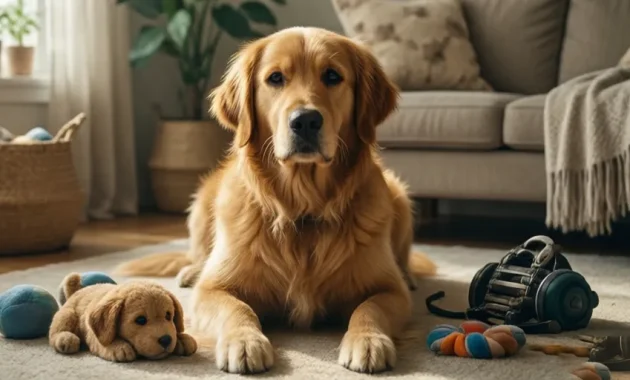
The transition from a sweet, dependent puppy into a fully grown adult dog is one of the most dynamic, fascinating, and occasionally challenging phases of pet ownership. Known as canine adolescence or canine puberty, this biological window typically occurs between 7 months and 2 years of age.
Just like human teenagers, adolescent dogs experience a massive surge of hormones that briefly overrides the analytical, reasoning centers of their brains. During this phase, your dog begins to re-evaluate their world through adult eyes, restructuring their social boundaries, testing limitations, and going through rapid physical changes.
Understanding the internal chemistry and behavioral psychology behind canine puberty allows you to adapt your training protocols, handle hormonal medical events safely, and support your dog through their adolescent years.
The Timeline of Feline and Canine Puberty Matrix
The onset and duration of canine puberty are not uniform; they are heavily dictated by genetic programming and the adult physical size of the breed. Smaller dog breeds hit biological maturity much faster than giant breeds.
                  [ Canine Puberty Onset Timeline by Breed Size ]
                                         │
         ┌───────────────────────────────┼───────────────────────────────┐
         ▼                               ▼                               ▼
 [ Toy & Small Breeds ]          [ Medium & Large Breeds ]        [ Giant Breeds ]
 ├── Maltese, Shih Tzu           ├── Labradors, Goldens          ├── Great Danes, Mastiffs
 └── Onset: 6 - 9 Months         └── Onset: 9 - 14 Months        └── Onset: 18 - 24 Months
The Breed Size Variable Matrix
| Breed Classification | Approximate Weight | Estimated Puberty Onset | Complete Social Maturity |
| Toy / Small Breeds | Under 10 kg | 6 to 9 Months | 12 Months |
| Medium Breeds | 10 kg to 25 kg | 8 to 12 Months | 15 to 18 Months |
| Large Breeds | 25 kg to 45 kg | 10 to 14 Months | 18 to 24 Months |
| Giant Breeds | Over 45 kg | 12 to 18 Months | 24 to 36 Months |
Adolescent Behavioral Shifts: The Brain vs. Hormones
During canine adolescence, owners often panic because their previously well-behaved, perfectly trained puppy suddenly displays what looks like stubborn defiance or memory loss. This is not intentional disobedience; it is a temporary neurological side effect of extensive brain rewiring and intense hormonal activity.
                    [ The Adolescent Brain Structural Shift ]
                                       │
         ┌─────────────────────────────┴─────────────────────────────┐
         ▼                                                           ▼
 [ Amygdala Dominance ]                                     [ Delayed Prefrontal Cortex ]
 ├── Processes raw fear, panic, and stress                  ├── Controls impulse restraint & logic
 └── Causes sudden overreactions to daily objects            └── Temporarily offline during puberty
1. Temporary Command Regression
An adolescent dog may suddenly stare blankly at you when you say "Sit" or completely ignore a reliable recall command. This occurs because the neural pathways controlling learned behaviors are being reorganized.
2. Sudden Fluctuation in Social Dynamics
Your adolescent dog is no longer granted "puppy privileges" by adult dogs in the neighborhood. Older, socially mature dogs will actively call out an adolescent's rude behaviors, forcing your dog to rebuild their social skills.
At the same time, an adolescent dog's true underlying personality traits will sharpen:
-
A naturally cautious puppy may become distinctly shy or fearful.
-
A naturally bold, forward puppy may show intense confidence or territorial drive.
3. Heightened Male Reactivity and Testosteron Surges
According to data from veterinary behavioral research, adolescent male dogs experience a temporary spike in testosterone levels that can be higher than those found in fully mature adult males. This hormonal surge can cause intense competitiveness, humping behaviors, or sudden pushy reactivity toward other intact male dogs.
Gynecological Biology: The Heat Cycle (Oestrus) in Female Dogs
If you choose to keep your female dog intact or delay their spay procedure until they reach adulthood, you must know how to navigate their very first heat cycle. This cycle begins between 6 and 15 months of age and repeats roughly every 7 months.
The Phased Breakdown of the Heat Cycle
[ Pro-Oestrus Phase: Days 1–9 ]   --> Vulva swells, bloody discharge begins; males are rejected.
[ Oestrus Phase: Days 10–18 ]    --> High fertility, discharge clears; female actively seeks mates.
[ Di-Oestrus Phase: Days 19–60 ]  --> Hormones stabilize; risk of phantom pregnancy begins.
Phase 1: Pro-Oestrus (The Preparation Phase)
-
Duration: Lasts between 4 to 14 days (averaging 9 days).
-
Physical Cues: The vulva swells and reddens, a slow bloody discharge begins, and the female licks her groin frequently.
-
Behavioral Shifts: She will urinate frequently to scatter scent markers. While male dogs will be intensely drawn to her scent, the female is not yet receptive to mating and may snap or growl to drive them away.
Phase 2: Oestrus (The Fertile Window)
-
Duration: Lasts roughly 9 days.
-
Physical Cues: The vulva softens, mammary tissue swells, and the vaginal discharge lightens into a clear, pinkish fluid.
-
Behavioral Shifts: This is the peak fertility period. The female dog is now highly receptive and eager to mate. She may try to slip out of the house or pull on her leash to find male suitors.
Tactical Safety Guide for a Female Dog in Heat
To prevent accidental breeding and keep your home clean during your female dog's heat cycle, implement these four tactical rules:
-
Strict Leash Control: Never leave your female dog unsupervised in a backyard, as intact male dogs can detect her pheromones from miles away and may jump fences to reach her. Keep her on a short, secure leash during walks.
-
Adjust Walking Schedules: Walk your dog during early morning or late evening hours when public parks are quiet to minimize unexpected encounters with other dogs.
-
Manage Indoor Spaces: Use specialized dog diapers to protect your rugs and furniture from discharge stains, or keep your dog in easy-to-clean, uncarpeted areas of the house.
-
Pause Social Activities: Postpone any workplace visits, daycare sessions, or group training classes until her cycle has completely finished.
Clinical Anatomy of False Pregnancy (Pseudopregnancy)
Roughly 4 to 12 weeks after a heat cycle ends, a female dog's endocrine system can experience a sharp drop in progesterone and a surge in prolactin. This hormonal imbalance tricks her body into believing she is pregnant, even if she never mated. This condition is called pseudopregnancy, false pregnancy, or phantom pregnancy.
[ Sharp Progesterone Drop ] + [ Prolactin Hormone Surge ]
                                     │
                                     ▼
                [ Biological Trigger: Body Believes It Is Pregnant ]
                                     │
                                     ▼
                [ Clinical & Behavioral Signs of False Pregnancy ]
Recognizing Clinical and Behavioral Signs
-
Nesting Behaviors: The dog will frantically scratch at blankets, dog beds, or closets to build a protective nest for her expected "puppies."
-
Toy Obsession and Guarding: She may pick out specific toys or soft objects, carry them everywhere, and treat them like real newborns, becoming highly protective if you try to take them away.
-
Mammary Development & Lactation: Her mammary glands will swell noticeably and may begin secreting real milk or fluid.
-
Physical Symptoms: You may notice a reduced appetite, minor white vaginal discharge, or brief periods of lethargy or depression.
Actionable Interventions for Owners
-
Remove Target Obsessions: Quietly take away the specific toys or objects she is guarding to interrupt the maternal instinct cycle.
-
Increase Physical & Mental Activity: Step up her daily walks and offer engaging puzzle toys to channel her energy away from nesting.
-
Avoid Compressing Mammary Glands: Do not express the milk or apply warm packs to her mammary tissue, as this physical stimulation signals her body to produce even more milk.
-
Veterinary Consultation: False pregnancies typically resolve on their own within 1 to 2 weeks. However, if your dog displays intense nesting anxiety, stops eating entirely, or shows signs of a mammary infection (mastitis), your veterinarian can prescribe targeted medications to rebalance her hormones.
Reproductive Development in Adolescent Male Dogs
Unlike female dogs, male dogs do not have distinct seasonal heat cycles. Once they reach puberty, they are hormonally active and capable of mating 365 days a year, with their reproductive fertility peaking between 12 and 18 months of age.
                 [ Male Reproductive Puberty Milestones ]
                                    │
         ┌──────────────────────────┴──────────────────────────┐
         ▼                                                     ▼
[ Testicular Descent ]                               [ Leg-Lifting & Marking ]
  ├── Occurs shortly after birth                       ├── Driven by rising testosterone
  └── Should be settled by 3 months                    └── Switches from puppy squatting
1. Testicular Descent Timeline
In early puppyhood, the testicles develop inside the abdomen and naturally slide down into the scrotum shortly after birth. This process should be fully complete by the time your puppy receives their second round of vaccinations, around 3 months of age.
Clinical Risk Factor (Cryptorchidism): If one or both testicles fail to drop into the scrotum by 1 year of age, the dog has a condition called cryptorchidism. The retained testicle stays trapped inside the warm abdomen, which significantly increases the risk of testicular cancer later in life. Cryptorchid dogs should always be neutered to remove the trapped tissue safely.
2. Transitioning to Urine Marking
As testosterone levels rise, young male dogs stop doing the classic puppy squat and begin lifting their rear leg to urinate. This allows them to target vertical surfaces at nose height, leaving clear territorial scent messages for other dogs in the area.
Comprehensive Puberty Management Matrix
| Puberty Phase | Primary Physical/Behavioral Shift | Targeted Owner Response |
| Command Regression | Temporary loss of focus due to neurological changes. | Return to basic training steps using high-value treats; avoid punishment. |
| Pro-Oestrus Phase | Bloody vaginal discharge and swelling in female dogs. | Use dog diapers indoors; keep walks short and strictly on-leash. |
| Oestrus Phase | Peak fertility window; female dog actively seeks a mate. | Keep her completely separated from intact male dogs; pause social outings. |
| False Pregnancy | Nesting habits, toy guarding, and milk production. | Hide guarded toys, increase daily exercise, and monitor her health. |
| Testosterone Spike | Leg-lifting, urine marking, and territorial drives. | Redirect focus with reward-based training; watch for cryptorchidism. |
FAQ About Dog Puberty and Canine Adolescence
1. At what age do dogs usually go through puberty?
Most dogs enter puberty between 6 months and 2 years old depending on their breed size. Small breeds mature earlier, while giant breeds can take much longer to reach full physical and emotional maturity.
2. Why is my teenage dog suddenly ignoring commands?
Adolescent dogs experience major hormonal and neurological changes that temporarily affect focus, impulse control, and memory processing. This regression is common during canine puberty and usually improves with consistent positive reinforcement training.
3. Is it normal for my dog to become fearful during adolescence?
Yes. Many adolescent dogs go through “secondary fear periods” where familiar objects, sounds, or people suddenly seem scary. Avoid punishment and slowly rebuild confidence using calm exposure and treats.
4. When does a female dog experience her first heat cycle?
Most female dogs experience their first heat cycle between 6 and 15 months of age. Smaller breeds often enter heat earlier than large or giant breeds.
5. How long does a dog stay in heat?
A full heat cycle generally lasts about 2 to 3 weeks. The fertile phase usually occurs during the second week when the female becomes receptive to mating.
6. Can a female dog get pregnant during her first heat?
Yes. Even during the very first heat cycle, a female dog can become pregnant if exposed to an intact male dog.
7. Why is my female dog nesting and carrying toys after heat?
This is often a false pregnancy, also called pseudopregnancy. Hormonal changes after a heat cycle can trick the body into behaving as if the dog is pregnant, causing nesting, toy guarding, and even milk production.
8. Is false pregnancy dangerous for dogs?
Most false pregnancies resolve naturally within a couple of weeks. However, severe lethargy, refusal to eat, swollen painful mammary glands, or signs of infection require veterinary attention.
9. Why is my male dog suddenly lifting his leg to pee?
Leg-lifting behavior is triggered by rising testosterone levels during puberty. It allows male dogs to leave territorial scent markers on vertical surfaces.
10. What is cryptorchidism in dogs?
Cryptorchidism is a condition where one or both testicles fail to descend into the scrotum. Retained testicles have a significantly higher risk of cancer and should be surgically removed.
11. Should I spay or neuter my dog during puberty?
The ideal timing depends on your dog’s breed, size, and health status. Large and giant breeds may benefit from delayed sterilization to support proper bone and joint development. Consult your veterinarian for personalized guidance.
12. Why does my adolescent dog suddenly hump everything?
Hormonal surges, excitement, stress, and social overstimulation can all trigger humping behavior during adolescence. Consistent training and mental stimulation usually help reduce the behavior over time.
13. Why is my dog suddenly reactive toward other dogs?
During puberty, dogs begin testing social boundaries and developing adult confidence levels. Hormonal changes can increase competitiveness, territorial behavior, or sensitivity around unfamiliar dogs.
14. How can I help my adolescent dog stay calm?
Maintain predictable routines, continue reward-based training, provide daily exercise, offer puzzle toys, and avoid harsh punishment. Mental enrichment is especially important during puberty.
15. Is adolescence the hardest stage of dog ownership?
For many owners, yes. Adolescence can temporarily feel more challenging than puppyhood because dogs gain physical strength while impulse control is still developing. Patience and consistency are key to guiding them successfully into adulthood.