The Kitten Guardian’s Almanac 2026: A Masterclass in Early Feline Nutrition and Systemic Health
3 months ago
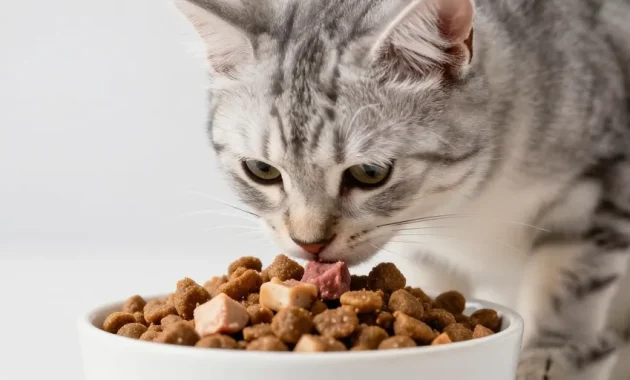
In the current landscape of 2026, pet ownership has evolved into a form of high-precision biological stewardship. We are no longer merely "feeding" kittens; we are engineering their future health through targeted nutritional interventions. The first year of a kitten's life is a high-speed developmental sprint where the skeletal, neurological, and immune systems are under construction simultaneously.
This guide serves as a master compass for navigating the top-rated kitten foods of 2026, the science of nutrient density, and the long-term biological impact of early-life diet choices.

The Hierarchy of Kitten Nutrition in 2026
Kittens are not small cats; they are metabolic powerhouses. To support their rapid growth, their nutritional profile must exceed the standards of adult maintenance.
1. The 41% Protein Mandate
While adult cats require approximately 28–30% protein on a dry matter basis, kittens in 2026 thrive on formulas reaching 39% to 41%. This protein provides the amino acids—specifically taurine and arginine—required for muscle elongation and cardiac health.
-
Animal-Sourced vs. Plant-Sourced: As obligate carnivores, kittens lack the enzymes to efficiently process plant proteins. The top foods of 2026 prioritize named meat sources (Turkey, Chicken, Salmon) over "meat by-products."
2. DHA: The Brain-Eye Architect
One of the biggest advancements in 2026 feline nutrition is the standardization of DHA (Docosahexaenoic Acid). Found in fish oils (like salmon or menhaden), DHA is a structural fatty acid essential for the retina and the cerebral cortex. Kittens fed DHA-rich diets show superior spatial awareness and faster social integration.
The 11 Best Kitten Foods of 2026 – Expert Analysis
Based on extensive research and veterinary review, these are the standout products defining the market this year.
1. Overall Best: Smalls Ground Other Bird Fresh Cat Food
The shift toward "Human-Grade" fresh food has peaked in 2026. Smalls leads the pack with a turkey-based, high-moisture formula that avoids the "high-heat" processing of traditional kibble, preserving delicate enzymes.
2. Best Dry: FirstMate Chicken Meal with Blueberries
For households requiring the convenience of dry food, FirstMate offers a limited-ingredient, calorie-dense option. The inclusion of blueberries provides natural antioxidants without the need for synthetic coloring.
3. Vet Recommended Dry: Hill’s Science Diet Kitten
Hill's remains a cornerstone of veterinary recommendations due to its rigorous clinical testing. Its 2026 "Healthy Development" recipe focuses on whole grains rather than legumes, which some vets prefer for digestive stability.
4. Best for Picky Eaters: Purina ONE Healthy Kitten
Combining chicken and salmon in a moisture-rich pâté, this formula is designed to trigger the olfactory response of reluctant eaters. It is protein-packed (47% dry matter) and budget-friendly.
The "Secret" Dangers – What to Avoid in 2026
As a guardian, knowing what not to put in the bowl is as important as the food itself.
5. The Additive Problem
In 2026, we have identified several "filler" ingredients that contribute to long-term health issues:
-
Artificial Colors: These add no nutritional value and are purely for the human owner's aesthetic preference.
-
Gum Thickeners (Guar/Cassia): While common in wet foods, excessive use can trigger loose stools in sensitive kitten digestive tracts.
-
Legumes in Excess: While grain-free was a trend, the 2026 consensus is that excessive peas and lentils can interfere with taurine absorption.
The Digital Parallel – Archiving Your Pet’s Life
In the age of 2026, managing a kitten also involves managing their data.
6. The Digital Medical Vault: ISO Archiving
As your kitten grows, they will accumulate vet records, vaccination certificates, and dietary logs. To ensure this data survives "cloud volatility," modern pet owners are adopting the ISO Archiving Method.
-
The Process: Scan all physical documents into a digital folder. Use software like PowerISO to encapsulate these files into a single .iso file.
-
Why? This creates a "Digital Clone" of your kitten’s history that can be stored on an encrypted drive. It is immune to file corruption and can be "mounted" on any future system to show a specialist your pet's complete history.
Cybersecurity for the Modern Pet Home
The "Internet of Things" (IoT) has entered the pet world through smart feeders and automated litter boxes.
7. Protecting the Network
Every smart feeder connected to your WiFi is a potential entry point for security breaches.
-
The VPN Shield: Ensure your home network is protected by a VPN. This encrypts the data packets traveling between your phone and your kitten's feeder, preventing third-party "sniffers" from accessing your home network.
-
2-Factor Authentication: Always enable 2FA on pet-care apps to prevent unauthorized access to your home cameras or feeding schedules.
Conclusion: The Holistic Guardian of 2026
True stewardship is the realization that everything—from a kitten's DHA levels to the security of their medical ISO files—requires the right "ingredients" to thrive. By selecting a meat-first, high-protein diet and maintaining a secure digital archive, you are ensuring your companion’s health is as immortal as their data.
Frequently Asked Questions (FAQ)
Kitten Nutrition Basics
1. Why do kittens need more protein than adult cats?
Kittens are in a rapid growth phase, requiring higher protein (around 39–41%) to support muscle development, organ growth, and overall energy needs.
2. What does “high-quality protein” mean for kittens?
It refers to animal-based protein sources like chicken, turkey, or salmon, which provide essential amino acids such as taurine that kittens cannot produce on their own.
3. What is Docosahexaenoic Acid (DHA) and why is it important?
DHA is an omega-3 fatty acid that supports brain development and vision. It plays a critical role in cognitive function and learning ability in kittens.
4. Is wet food or dry food better for kittens?
Both can be suitable, but wet food offers better hydration and often lower carbohydrate content, while dry food provides convenience and dental benefits.
5. How often should I feed my kitten?
Kittens typically need 3–4 small meals per day to meet their high energy demands and maintain stable growth.
Ingredients & Safety
6. What ingredients should I avoid in kitten food?
Avoid:
- Artificial colors and preservatives
- Excessive fillers like corn, soy, or wheat
- High levels of legumes (peas, lentils)
- Excessive gum thickeners that may affect digestion
7. Are grain-free diets safe for kittens?
Not always necessary. Some grain-free formulas replace grains with legumes, which may interfere with nutrient absorption if used excessively.
Growth & Development
8. How does nutrition affect a kitten’s long-term health?
Early nutrition impacts immune strength, bone development, brain function, and can reduce the risk of chronic diseases later in life.
9. Can poor diet cause developmental issues?
Yes. Nutrient deficiencies—especially in protein, taurine, or DHA—can lead to growth delays, vision problems, or weakened immunity.
Digital Pet Care & Records
10. Why should I keep digital records of my kitten’s health?
Tracking vaccinations, diet, and vet visits helps ensure consistent care and provides valuable data for future medical decisions.
11. What is an ISO image and how is it useful for pet records?
An ISO file is a complete digital archive that stores all files in one place, making it ideal for securely preserving your kitten’s medical history.
12. How can I create a digital archive for my kitten?
You can scan documents and use tools like PowerISO to compile them into a single ISO file for long-term storage.
Smart Pet Ownership & Security
13. Are smart pet devices safe to use at home?
Yes, but they should be secured with strong passwords and updated regularly to prevent unauthorized access.
14. What is a Virtual Private Network (VPN) and why should I use it?
A VPN encrypts your internet connection, protecting your personal data and smart pet devices from potential cyber threats.
General Care
15. What is the most important factor in raising a healthy kitten?
A balanced, high-protein diet combined with regular veterinary care, a safe environment, and consistent monitoring of growth and behavior.