The Definitive Feline Inappropriate Urination Blueprint: 11 Expert Ways to Stop Your Cat from Peeing in the House
2 months ago
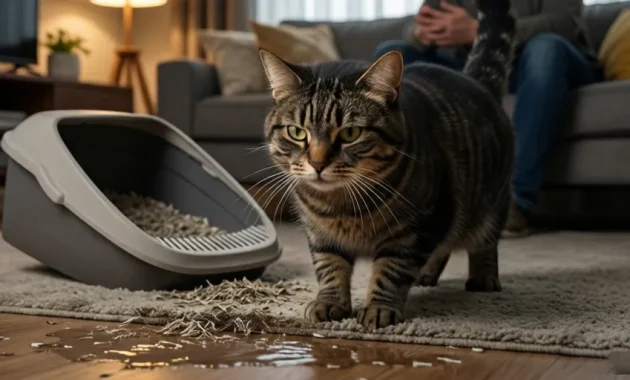
Few household occurrences disrupt the domestic peace quite like the pungent, unmistakable aroma of cat urine outside the litter box. When your feline companion shifts from their pristine toilet habits to urinating on your living room rug, your fresh laundry, your sink, or your bed, it can feel like a personal affront.
However, looking at this problem through a human lens—assuming your cat is acting out of spite, anger, or revenge—is the fastest way to worsen the issue.
In reality, inappropriate urination is a clear, urgent distress signal. Your cat is using their most potent form of communication to tell you that something is wrong within their body or their immediate environment.
Anatomy of the Urination Problem — Feline Elimination Dynamics
Before implementing a single solution, we must learn to read the specific way your cat is depositing urine outside the box. Feline house soiling is not uniform; it falls into two entirely different behavioral and physiological categories.
                       [ Feline Urinary Deposition Matrix ]
                                         │
         ┌───────────────────────────────┴───────────────────────────────┐
         ▼                                                               ▼
 [ Inappropriate Urination ]                                     [ Territorial Spraying ]
 ├── Horizontal target surfaces                                  ├── Vertical target surfaces (walls, doors)
 ├── Large, deep volume pools                                    ├── Minimal, highly concentrated squirts
 ├── Squatting physical posture                                  ├── Standing posture with quivering tail
 └── Driven by illness, pain, or box aversion                   └── Driven by social stress or breeding hormones
1. Inappropriate Urination (Horizontal Soiling)
When a cat exhibits inappropriate urination, they maintain their natural, low-squatting posture. They target horizontal surfaces—such as carpets, bath mats, beds, or couches—and empty their bladder completely, leaving a large pool of urine.
This behavior is typically driven by an internal medical issue, physical pain, age-related mobility constraints, or a intense, psychological aversion to the litter box facility itself.
2. Territorial Marking (Vertical Spraying)
Urine spraying is a sophisticated, instinctual form of chemical communication. When a cat sprays, they do not squat. Instead, they stand upright, back up toward a vertical surface (like a wall, doorframe, or curtain), lift their tail straight into the air so it quivers rapidly, and tread their back paws while shooting a small, concentrated stream of urine backward.
Spraying is primarily driven by reproductive hormones (in unsterilized cats) or structural anxiety regarding environmental changes, social friction, or perceived threats to their territory.
The Core Root Causes Behind House Soiling
Solving this issue requires digging deep into the root causes. Below, we break down the complex web of biological, emotional, and environmental triggers that drive a cat to eliminate outside their designated box.
                  [ The Multi-Factorial Triad of House Soiling ]
                                        │
        ┌───────────────────────────────┼───────────────────────────────┐
        ▼                               ▼                               ▼
 [ Biological Triggers ]     [ Emotional Stressors ]     [ Environmental Design ]
 ├── FLUTD / FIC Pathology   ├── Structural Changes      ├── Substrate Aversion
 ├── Bladder Stone Build-up  ├── Social Hierarchies       ├── Inadequate Tray Counts
 └── Arthritic Joint Pain    └── Human Dysfunctions      └── Poor Geographic Placement
1. Medical Conditions and Urinary Tract Pathology
Never assume an accidental pee is purely behavioral. Statistics show that roughly 70% of all feline house-soiling inquiries involve an underlying medical cause. Felines are highly evolved to hide their physical pain to protect themselves from predators. Often, the only outward sign that a cat is suffering from an agonizing medical condition is a sudden break in their litter box habits.
-
Feline Lower Urinary Tract Disease (FLUTD): This umbrella term covers conditions affecting the bladder and urethra.
-
Feline Idiopathic Cystitis (FIC): A sterile, stress-induced inflammation of the bladder wall. When a cat is highly stressed, their brain triggers a neurochemical chain reaction that strips away the protective lining of their bladder, causing intense pain during urination.
-
The Tap Water Connection: Emerging veterinary research indicates that drinking hard, mineral-heavy tap water can significantly elevate the risk of crystalluria and bladder stone formations in certain geographical areas. High levels of magnesium, phosphorus, and calcium in the diet or water act as raw building blocks for painful urinary stones.
-
The Upper Respiratory Link: While rare, a severe Upper Respiratory Infection (URI) can congest a cat's sinuses and diminish their sense of smell. Since cats rely heavily on scent cues to navigate and locate their safe spaces, severe nasal congestion can make it difficult for them to find their box, leading to panic-driven accidents.
[ Chronic Emotional Stress ] ──► [ Bladder Lining Degradation ] ──► [ Painful FIC Flare-Up ] ──► [ Box Avoidance ]
2. Anxiety, Stress, and Environmental Insecurity
Cats are creatures of absolute predictability. Their emotional stability is anchored to a rigid routine and a deeply familiar, unchanging environment.
When that environment is disrupted—whether by moving to a new house, introducing a new puppy, changing your work schedule, or hosting loud houseguests—sensitive cats experience profound anxiety.
Urination on high-value human areas, like your pillow or mattress, is often a sign of separation anxiety. The cat seeks out spaces that carry your strongest personal scent and mixes their urine with it to create a combined smell that helps them feel emotionally secure amid their panic.
                   [ Feline Environmental Vulnerability ]
                                      │
         ┌────────────────────────────┴────────────────────────────┐
         ▼                                                         ▼
 [ The Confident Sprayer ]                                 [ The Anxious Sprayer ]
 ├── Marks borders to affirm territory                     ├── Uses urine to coat spaces in self-scent
 ├── Responds to visible outdoor strays                    ├── Driven by fear, instability, and chaos
 └── Proactively warns away intruders                      └── Seeks to build an emotional safety shield
3. Age-Related Degradation and Degenerative Joint Disease (DJD)
As your feline companion enters their senior years, their physical and cognitive capabilities naturally decline:
-
Osteoarthritis and DJD: A senior cat with stiff, painful joints may struggle to climb down steep basement stairs or step over the high plastic walls of a traditional litter box. If the journey to the box is physically painful, they will eliminate on the nearest soft surface instead.
-
Cognitive Dysfunction Syndrome (CDS): Feline dementia can impair a senior cat’s memory and spatial awareness. A confused cat may wake up from a deep sleep, forget where their litter box is located, or become disoriented in a dark room, resulting in an accidental puddle.
-
Metabolic Diseases: Conditions like diabetes, hyperthyroidism, and chronic kidney disease vastly increase a cat's daily urine volume (polyuria). The cat's bladder fills so rapidly that they simply cannot reach a distant box in time.
4. Grief and Emotional Loss
The social bonds of felines are deep and long-lasting. When a household experiences the loss of a companion pet or a beloved human caretaker, the surviving cat can sink into a state of profound grief and depression.
This emotional mourning frequently manifests as house soiling in high-value areas—such as empty beds or discarded clothing—where the comforting scent of the deceased individual still lingers, as the cat tries desperately to reconnect with what they lost.
[ Death of Companion Pet/Owner ] ──► [ Severe Feline Depression ] ──► [ High-Value Scent Seeking ] ──► [ House Soiling ]
5. The Architecture of Litter Box Aversion
Litter box aversion occurs when a cat decides that the provided bathroom facility is a hostile, dirty, or stressful place to step into. This rejection is usually driven by specific design choices made by the owner:
-
The Scent Trap: Highly perfumed deodorizers and scented litters designed to mask odors for human noses are often incredibly overwhelming to a cat’s acute sense of smell, driving them away.
-
The Textural Rejection: Coarse, sharp, or heavy stone-like clay pellets can hurt a cat's sensitive paw pads, especially if they are young kittens or senior cats with tender joints.
-
The Plastic Odor Trap: Older plastic litter boxes develop microscopic scratches from a cat’s claws over time. These tiny grooves trap bacteria and stubborn ammonia odors even after the box is washed, making the entire tray smell foul to your cat.
Deep Dive into Multi-Cat Dynamics and Owner-Induced Stress
To fully understand why a cat stops using their box, we have to look past the physical litter tray and examine the invisible social webs running through your home.
                   [ Multi-Cat Social Group Mapping ]
                                   │
         ┌─────────────────────────┴─────────────────────────┐
         ▼                                                   ▼
 [ Group Alpha (Social Unit) ]                       [ Group Beta (Isolated Cat) ]
 ├── Shares resources peacefully                     ├── Views Alpha group as a threat
 ├── Harmonious mutual grooming                      ├── Faces passive resource blocking
 └── Co-exists in central zones                      └── Demands separate, isolated facilities
Managing Social Groups vs. Individual Cats
In a home with multiple felines, the cats rarely form one big, happy family. Instead, they divide themselves into distinct social groups. A social group consists of cats that share space peacefully, sleep together, and groom one another.
If you have four cats, they might actually live as two separate social groups of two cats each. If all your litter boxes are placed in the territory of Social Group Alpha, the cats in Social Group Beta will face extreme stress and potential attacks if they try to cross those invisible borders to use the bathroom.
Passive Guarding and the "Invisible Bully"
Feline bullying is rarely loud. It doesn't always look like hissing, spitting, or chasing. Instead, dominant cats often engage in passive resource blocking.
An assertive cat can control access to a litter box simply by sitting quietly in a hallway, at the top of the basement stairs, or in the doorway of the laundry room, staring intently.
[ Assertive Cat Sitting in Hallway ] ──► [ Direct Line-of-Sight Block ] ──► [ Timid Cat Flees and Pees Elsewhere ]
To a human, the dominant cat looks like they are just taking a nap. To a timid cat, that intense stare is an iron-clad threat. Unable to safely pass the hallway without a confrontation, the less confident cat will seek out a safer, alternative location to eliminate—often a spot with clear sightlines and no dead ends.
The Role of the Problematic Owner
It can be difficult to look in the mirror and realize that your own behavior might be contributing to your cat's urinary issues, but it is a vital factor to consider.
                      [ Human Behavioral Triggers ]
                                    │
         ┌──────────────────────────┴──────────────────────────┐
         ▼                                                     ▼
 [ Overly Fussy & Intrusive ]                          [ Erratic / Volatile Punisher ]
 ├── Constantly disturbing rest periods                ├── Rubbing nose in old urine pools
 ├── Invading designated safe havens                   ├── Shouting or physical intimidation
 └── Picking up against feline will                    └── Escalates cortisol and fear responses
Cats need autonomy and predictability. An owner who is overly attentive, constantly picking up the cat against their will, or disturbing them while they are resting in their hiding spots can create a stressful, high-anxiety environment.
Even worse are harsh, physical attempts at punishment. Rubbing a cat's nose in their urine, shouting, or hitting them does not teach them to use the box. It simply teaches them to fear you. This surge of cortisol and fear can actually destroy their remaining sense of security, causing them to urinate outside the box even more frequently to cope with their stress.
11 Actionable Ways to Prevent and Eliminate House Soiling
Now that we have thoroughly mapped out the root causes of house soiling, here is your practical, step-by-step master plan to address these issues and restore peace to your home.
One: Veterinary Intervention, Dietary Audits, and Hydration Overhauls
The moment your cat eliminates outside their box, your very first move must be to book a veterinary appointment to check for medical issues. Do not delay this step to try behavioral fixes first.
[ Step 1: Urinalysis & Culture ] ──► [ Step 2: Transition to Wet Food ] ──► [ Step 3: Pure Water Filtration ]
-
Comprehensive Urinalysis: Ask your veterinarian for a full urinalysis, urine culture, and a physical exam to check for crystals, high pH levels, bacterial infections, or signs of inflammation.
-
The Dietary Shift: Work with your vet or a certified animal nutritionist to transition your cat away from dry kibble toward a high-protein, moisture-rich wet or raw diet. Dry food keeps cats in a state of mild, chronic dehydration, concentrating their urine and increasing the risk of stone formation. Wet food floods their system with water, naturally flushing out their urinary tract.
-
Water Quality Upgrades: Stop filling your cat’s bowl with hard tap water. Switch to filtered or bottled water to remove excess minerals like magnesium and calcium. Consider adding a circulating pet fountain, as cats are instinctively drawn to moving water, which encourages them to drink more throughout the day.
Two: Hormonal De-Escalation via Spaying and Neutering
If your cat is not yet spayed or neutered and has begun urinating or spraying around your house, scheduling their sterilization surgery is the single most effective step you can take.
Intact Hormone Production (Testosterone/Estrogen) ──► High Drive to Mark Territory ──► [ Sterilization Surgery ] ──► 90% Behavior Reduction
The urge to mark territory and signal sexual availability to neighborhood cats is deeply biological. Sterilization drops their hormone levels, which eliminates the sexual drive to spray.
When performed before the behavior becomes a long-term habit, spaying or neutering successfully resolves territorial spraying issues in more than 90% of cats.
Three: Comprehensive Emotional Mitigation and Stability Strategies
To help an anxious, emotionally sensitive cat regain their footing and feel safe in your home, you must intentionally design a sense of environmental stability.
                  [ The Environmental Stability Setup ]
                                    │
         ┌──────────────────────────┼──────────────────────────┐
         ▼                          ▼                          ▼
 [ Rigid Scheduling ]       [ Den-Like Refuges ]       [ Positive Association ]
 ├── Feed at exact same times├── Blanket-covered chairs ├── Gradual introductions
 └── Play at identical hours └── Open access under beds └── Rewards for calm behavior
-
Establish a Predictable Routine: Feed your cat, play with them, and clean their boxes at the identical times every single day. This consistency gives an anxious cat a comforting framework they can count on, reducing their overall stress.
-
Create Safe Hideaways: Build dedicated safe zones throughout your house where your cat can retreat when they feel overwhelmed. Drape soft blankets over chairs to create cozy, den-like spaces, leave cardboard boxes out with plush towels inside, and ensure they have clear, unblocked access to hide under beds or couches when they need a break.
-
Gradual Introductions with Positive Reinforcement: When bringing a new pet or person into the home, proceed slowly. Use scent-swapping techniques (rubbing a cloth on the new pet and leaving it near your cat’s food bowl) before allowing face-to-face meetings. Use high-value treats and praise to build a positive association with the new changes.
Four: Optimizing Litter Facilities and Chemical Eradication Protocol
To win back a cat experiencing litter box aversion, you must optimize their bathroom facilities to match their natural feline preferences perfectly.
                     [ Perfect Litter Station Protocol ]
                                      │
         ┌────────────────────────────┼────────────────────────────┐
         ▼                            ▼                            ▼
 [ The Formula Setup ]        [ Substrate Standard ]       [ Scent Destruction ]
 ├── N + 1 Box distribution   ├── Fine, sandy clumping     ├── Avoid ammonia washes
 └── Minimum 1 floor per box  └── Unscented formulas       └── Use enzymatic washes
-
Enforce the $N+1$ Rule: Provide one litter box for every cat in the house, plus one extra. If you have three cats, you need four separate boxes. Ensure these boxes are spread out across different rooms and floors, rather than grouped in a single row.
-
The Sizing and Accessibility Standard: Every box must be at least 1.5 times the length of your cat from nose to tail. Skip the plastic liners, which can catch on claws and feel uncomfortable. Scoop out waste at least twice a day, and wash the entire box weekly with warm water and mild, unscented soap.
-
The Material Upgrade: Fill the trays with a fine-grained, sandy, unscented clumping clay litter. If your cat has been peeing in the smooth stainless-steel sink, it means they are seeking out a cool, non-absorbent, hyper-clean surface. Try adding a stainless-steel litter tray to your setup; it won't trap bacteria or odors like old plastic does.
-
The Enzymatic Chemical Clean: If an accident happens, clean the spot immediately with an enzymatic cleaner. Do not use standard household cleaners or ammonia-based sprays. Enzymatic cleaners break down the uric acid crystals completely, removing the scent footprint so your cat isn't drawn back to the same spot.
-
Behavioral Redirection Tactics: To deter your cat from using non-box locations, change the purpose of those spaces. If they keep peeing on your bed, try placing their food and water bowls there during the day, as cats naturally refuse to eliminate where they eat. If they target a specific bathtub or sink, fill it with a few inches of water to create a harmless, natural deterrent.
Five: Life Enrichment, Structured Play, and Supervised Outdoor Exposure
A bored, under-stimulated cat will often channel their pent-up energy into anxiety-driven behavioral issues, including house soiling. Increasing their mental and physical enrichment is an excellent way to relieve this tension.
                     [ Environmental Enrichment Plan ]
                                     │
         ┌───────────────────────────┼───────────────────────────┐
         ▼                           ▼                           ▼
 [ Aerobic Play Sessions ]    [ Cognitive Stimulation ]    [ Safe Outdoor Access ]
 ├── Morning/evening routines ├── Puzzle toy feeders      ├── Secure Catio builds
 └── Simulates hunting cycles └── Foraging puzzle boxes    └── Leash/harness training
-
Simulate the Hunt: Schedule active, 15-minute play sessions twice a day using feather wands or laser pointers, focusing on the early morning and evening when cats are naturally most active. Let your cat catch the toy at the end of the session to satisfy their hunting instinct, and follow it up with a meal to mirror their natural wild cycle: Hunt, Catch, Kill, Eat, Groom, Sleep.
-
Engage Their Brains: Ditch standard food bowls and introduce puzzle feeders, lick mats, and foraging boxes. Working for their food keeps their minds engaged and helps burn off stress-induced energy.
-
Provide Safe Outdoor Access: If your cat loves the outdoors, provide safe, supervised ways for them to explore. Build a secure outdoor Catio (a screened cat patio) or train them to walk on a leash and harness. This extra stimulation can do wonders for sensitive or highly energetic cats.
Six: Multi-Cat Resource Distribution and Conflict Defusion
To stop urinary issues driven by social friction in a multi-cat home, you must eliminate any competition over daily resources.
                      [ Resource Abundance Blueprint ]
                                      │
         ┌────────────────────────────┼────────────────────────────┐
         ▼                            ▼                            ▼
 [ Core Station Splitting ]   [ Abundant Feeding Zones ]    [ Pheromone Support ]
 ├── Food/water in separate zones├── Formula: Cats + 1 stations├── Plug in Feliway diffusers
 └── Cat trees split up walls └── Microchip feeders for space└── Eases tension at borders
-
Establish Independent Resource Stations: Separate your cats' essential items across different areas of the house. Food bowls, water dishes, scratching posts, and litter boxes should never be grouped together in one spot. Ensure each social group can access their resources without entering another group's territory.
-
Create Abundant Feeding Zones: Reduce mealtime stress by setting up multiple feeding stations using the formula: one station per cat, plus one extra. For assertive cats that tend to steal food, invest in microchip-activated feeders that only open for a specific cat's chip, keeping mealtime private and peaceful.
-
Build Up Vertical Territory: Increase the usable space in your home by adding vertical territory. Install cat trees, tall wall shelves, and window perches. This extra vertical space allows a less confident cat to walk through a room safely high off the floor, avoiding any confrontations with an assertive housemate below.
-
Utilize Pheromone Technology: Plug in synthetic pheromone diffusers, like Feliway Friends, in the rooms where your cats spend the most time. These diffusers release comforting chemical signals that mimic a mother cat's natural pheromones, helping to ease social tension and reduce the urge to spray.
Seven: Adjusting Intrusive and Overly Fussy Human Interactions
If you realize that your own habits might be stressing your cat, making a few simple adjustments can significantly improve their comfort levels.
[ Respect Feline Boundaries ] ──► [ Watch Body Language ] ──► [ Lower Cortisol Levels ] ──► [ Fixed Bathroom Habits ]
-
Learn Feline Body Language: Pay close attention to your cat's subtle physical cues. Half-closed eyes and a slow blink mean they are relaxed and open to attention. Flattened ears, a twitching tail, rippling back skin, or a stiff body are clear warnings that they need space.
-
Respect Their Safe Havens: Make a strict rule for everyone in the household never to disturb, pet, or pull a cat out of their designated hiding spaces, cat beds, or litter facilities. Let your cat decide when they want to come out and interact.
-
Avoid Over-Handling: Refrain from constantly picking up, holding, or carrying your cat against their will. Allow them to keep their paws on the floor, and focus on interacting through gentle chin scratches or interactive play sessions instead.
Eight: Implementing Botanical Zoopharmacognosy
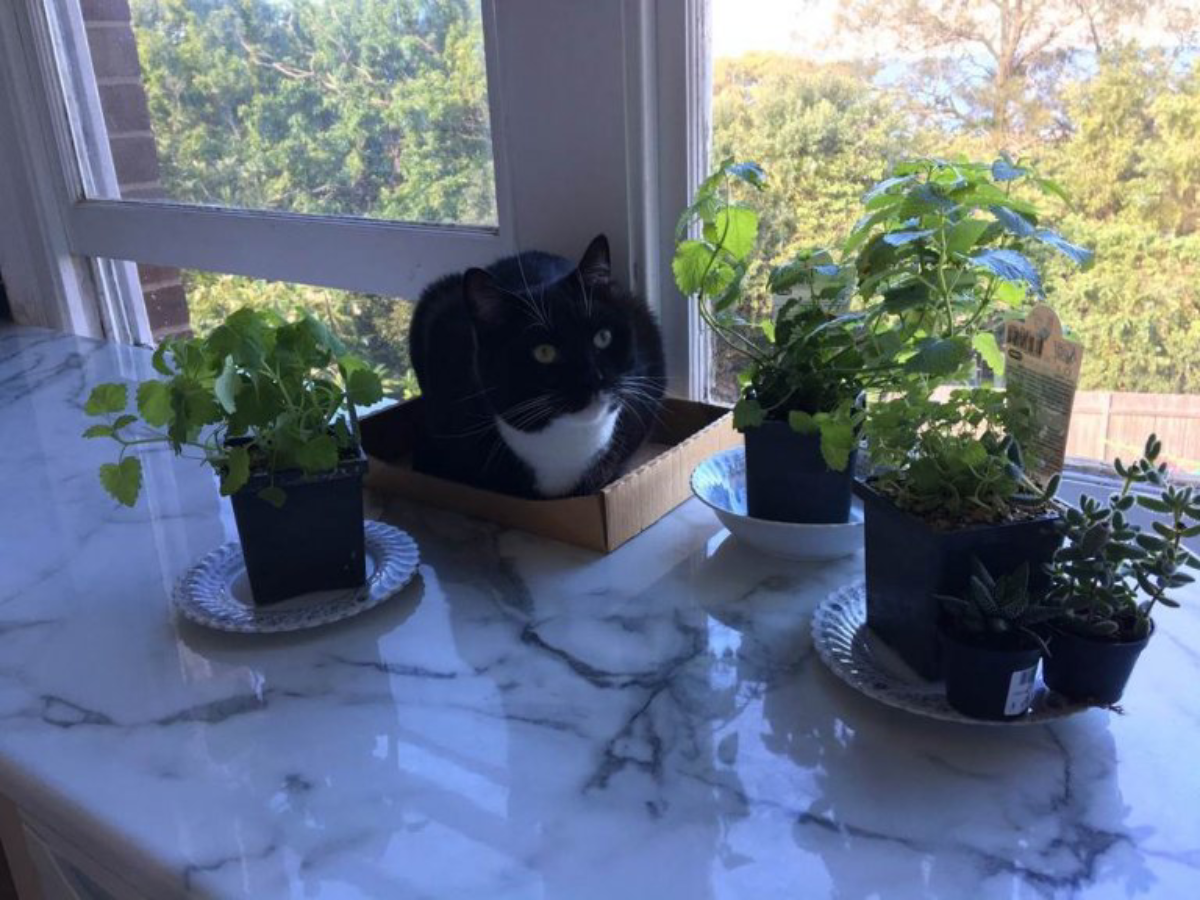
Zoopharmacognosy is the scientific study of how animals naturally self-medicate by seeking out specific plants, herbs, and natural compounds in the wild. You can introduce this concept indoors to help soothe an anxious, house-soiling cat.
[ Layout Specialized Blanket ] ──► [ Sprinkle Dried Herbs ] ──► [ Feline Olfactory Interaction ] ──► [ Mental Relaxation ]
-
Set Up a Herbal Inhalation Station: Dedicate a clean towel or blanket to your cat's herbal sessions. Sprinkle high-quality, dried, organic herbs onto the fabric, focusing on natural calming plants like valerian root, dried rosebuds, catnip, and silvervine.
-
Allow Full Autonomy: Place the herb-covered blanket on the floor and let your cat approach it on their own terms. Watch how they interact with the plants: they may sniff the air, rub their cheeks against the leaves, roll around on the blanket, or lick the herbs. This sensory experience provides excellent mental stimulation and can help lower stress levels.
Nine: Enhancing Comfort and Accessibility for Senior Cats
If your house-soiling cat is an older senior, you must adapt their bathroom setup to accommodate their changing physical and mental needs.
                      [ Senior Care Adaptation Protocol ]
                                       │
         ┌─────────────────────────────┼─────────────────────────────┐
         ▼                             ▼                             ▼
 [ Drop the Entry Threshold ]   [ Add Extra Rest Stops ]       [ Visual Cues / Lighting ]
 ├── Max 2-3 inch front lip     ├── Place a tray on each floor ├── Keep litter areas lit
 └── Use shallow storage trays   └── Shorten walking distances  └── Use natural attractants
-
Switch to Low-Entry Boxes: Replace standard high-sided litter boxes with senior-friendly options that feature a low front entrance (around 2 to 3 inches high). You can also use plastic under-bed storage boxes or oil drip trays, which make it easy for an arthritic cat to step inside without painful jumping.
-
Shorten the Distance: Do not force an older cat with limited mobility to walk across the entire house or navigate steep stairs to reach their bathroom. Place extra litter trays on every single floor of your home, positioning them near your senior cat’s favorite sleeping and resting areas.
-
Add Litter Attractants and Nightlights: Use natural, herbal litter attractants in the tray to provide a strong scent cue that helps a senior cat with cognitive decline find their bathroom. Keep a dim nightlight on near the litter box area overnight to assist cats suffering from age-related vision loss.
Ten: Utilizing Targeted Sound Therapy and Vibration Healing
While sound therapy is not a direct cure for urinary tract issues on its own, it is an excellent, stress-reducing tool to combine with your behavioral and environmental changes.
[ Sudden High-Volume Impact Sounds ] ──► Spike In Adrenaline ──► [ Introduce Specific Calming Frequencies ] ──► Lowered Heart Rate
-
Introduce Calming Frequencies: Play soft, specially designed music for cats, or use soothing sounds from crystal singing bowls and tuning forks in your cat's room. Felines are highly sensitive to sound vibrations, and specific low-frequency music can help lower their heart rate and ease muscle tension.
-
Block Out Distracting Noises: Use white noise machines or gentle classical music to drown out stressful outdoor sounds, like thunder, fireworks, or nearby construction, helping your cat feel safe and secure indoors.
Eleven: Incorporating Calming Aids, Supplements, and Targeted Bladder Support
When environmental changes aren't quite enough to stop an anxious cat from peeing in the house, adding specialized, vet-approved calming supplements can provide excellent extra support.
                       [ Targeted Supplemental Support ]
                                       │
         ┌─────────────────────────────┴─────────────────────────────┐
         ▼                                                           ▼
 [ Central Nervous Calming ]                                 [ Bladder Lining Repair ]
 ├── Alpha-casozepine derivatives (Zylkene)                  ├── N-acetyl glucosamine additions
 ├── L-Theanine amino compounds (Anxitane)                   ├── Hyaluronic acid protective layers
 └── Bach Flower floral infusions (Rescue Remedy)            └── L-tryptophan serotonin lifters
-
Alpha-Casozepine (Zylkene): This natural supplement is derived from a protein found in cow's milk. It mimics the calming, relaxing feeling a kitten gets while nursing, helping to lower general anxiety without making your cat drowsy.
-
L-Theanine (Virbac Anxitane): An amino acid naturally found in green tea leaves, L-Theanine helps support the brain’s calming neurotransmitters, reducing fear and anxiety caused by environmental changes.
-
Advanced Bladder Protection (FELIWAY Cystease): For cats dealing with stress-induced cystitis (FIC), this supplement provides vital, dual-action support. It combines N-acetyl glucosamine and hyaluronic acid to help rebuild and strengthen the protective lining of the bladder wall, while adding L-tryptophan to naturally boost serotonin levels and promote a calm, relaxed mood.
-
Prescription Behavioral Medication: If you have tried all environmental, dietary, and supplemental solutions and your cat is still struggling with severe anxiety or house soiling, talk to your vet about prescription options. Medications like amitriptyline or fluoxetine can help balance your cat's brain chemistry, giving them the emotional stability they need to return to their normal litter box habits.
Technical Comparison: Evaluating Solution Strategies
To help you decide which path to take, this table highlights the effectiveness and implementation realities of various solution strategies:
| Prevention Method | Root Cause Addressed | Speed of Results | Long-Term Human Effort |
| Veterinary Audit & Wet Diet | FLUTD, FIC, Crystals, Infections | Rapid (2 to 5 days) | Medium (Sourcing high-moisture foods) |
| Enzymatic Eradication Protocol | Scent-tracking, Repeated accidents | Instant (Upon wash) | Low (Consistent cleaning routines) |
| Implementing the $N+1$ Rule | Multi-cat conflict, Box aversion | Moderate (1 to 2 weeks) | Medium (Maintaining extra litter trays) |
| Vertical Space & Resource Splitting | Passive guarding, Social friction | Gradual (2 to 3 weeks) | Low (Once shelves and trees are built) |
| Prescription Medications | Severe anxiety, Chronic spraying | Slow (4 to 6 weeks) | High (Daily oral dosing and vet checkups) |
Comprehensive Final Troubleshooting Checklist
When your home is in the middle of a urinary crisis, use this quick checklist to ensure you haven't missed any vital steps in your cat’s recovery plan:
-
[ ] Schedule a Vet Exam: Have you checked a fresh urine sample with your veterinarian to rule out infections, crystals, or bladder stones?
-
[ ] Review Their Water: Have you switched from hard tap water to filtered or bottled water in a circulating fountain?
-
[ ] Audit the Food Bowl: Are you feeding a high-protein, moisture-rich wet diet rather than dry kibble?
-
[ ] Calculate Your Boxes: Do you have exactly one more box than your total number of cats ($N+1$), and are they spread out across different rooms?
-
[ ] Check Box Dimensions: Is every litter tray at least 1.5 times the length of your cat, with an open-top design for clear visibility?
-
[ ] Use the Right Litter: Are you using a soft, fine-grained, clumping clay litter that is completely free of artificial perfumes?
-
[ ] Clean with Enzymes: Have you treated every accident spot with a specialized enzymatic cleaner to completely destroy the odor molecules?
-
[ ] Add Extra Trays for Seniors: If your cat is older, have you placed low-sided, easily accessible boxes on every floor of the house?
-
[ ] Stop All Punishments: Have you eliminated all shouting, nose-rubbing, and physical corrections, replacing them with positive rewards instead?
Final Thoughts: The Journey to a Harmonious Home
Resolving a house-soiling issue requires a blend of medical insight, behavioral adjustments, and a good dose of patience. By shifting your perspective from frustration to curious problem-solving, you can see these accidents for what they truly are: an urgent call for help from a stressed or hurting animal.
[ Empathetic Problem Solving ] + [ Environmental Optimization ] ──► Healthy, Secure Feline Companion
When you address their underlying physical pain, optimize their litter boxes to match their natural instincts, and create a calm, predictable environment, you aren't just saving your carpets and furniture. You are restoring your cat's sense of safety and building a deeper, more trusting bond that will bring peace and joy to your home for years to come.
FAQ
1. Why is my cat suddenly peeing outside the litter box?
Sudden inappropriate urination is often caused by medical problems, stress, territorial conflict, or litter box dissatisfaction. Common medical causes include urinary tract infections, bladder inflammation, crystals, arthritis, diabetes, and kidney disease. Behavioral triggers include dirty litter boxes, household changes, or anxiety.
2. Is my cat peeing outside the box out of spite?
No. Cats do not urinate outside the litter box for revenge. Inappropriate urination is a distress signal indicating pain, stress, fear, territorial insecurity, or dissatisfaction with their environment.
3. What is the difference between spraying and regular peeing?
Spraying usually happens on vertical surfaces like walls or doors, with small amounts of urine and a standing posture with a quivering tail. Regular urination involves squatting on horizontal surfaces like carpets or beds and releasing a larger amount of urine.
4. How many litter boxes should I have?
The recommended formula is:
Number of Litter Boxes=N+1\text{Number of Litter Boxes} = N + 1
Where N is the number of cats in your home. For example, 3 cats should ideally have 4 litter boxes.
5. Why does my cat pee on my bed or clothes?
Cats often urinate on beds or clothing because those items carry strong human scent. This behavior is commonly linked to stress, anxiety, separation issues, or emotional insecurity.
6. Can stress really cause urinary problems in cats?
Yes. Chronic stress can trigger conditions like feline idiopathic cystitis (FIC), which causes painful bladder inflammation. Stress-related urinary issues are extremely common in indoor cats.
7. Should I punish my cat for peeing in the house?
Never. Punishment increases fear and anxiety, which usually makes the behavior worse. Instead, identify the underlying medical or environmental cause and use positive reinforcement.
8. What type of litter do most cats prefer?
Most cats prefer:
- Unscented litter
- Fine-grained sandy texture
- Soft clumping clay
- Low-dust formulas
Strong perfumes and coarse pellets often discourage litter box use.
9. Are covered litter boxes bad for cats?
Many cats dislike covered boxes because they trap odors and reduce visibility. In multi-cat homes, covered boxes can make cats feel trapped or vulnerable during elimination.
10. Why does my cat pee right next to the litter box?
This often means the cat dislikes something about the box itself, including:
- Dirty litter
- Wrong litter texture
- Box too small
- High sides
- Bad location
- Pain associated with entering the box
11. How often should I scoop the litter box?
At minimum:
- Scoop twice daily
- Fully wash the box monthly
- Replace litter regularly
Multi-cat homes may require scooping 3–4 times daily.
12. What cleaner removes cat urine smell permanently?
Use enzymatic cleaners specifically designed for pet urine. These break down uric acid crystals completely, unlike ammonia-based household cleaners that can attract cats back to the same spot.
13. Can unneutered cats spray more?
Yes. Unneutered male cats are far more likely to spray because of territorial and hormonal instincts. Spaying and neutering reduce spraying behavior significantly.
14. Why does my senior cat suddenly have accidents?
Older cats may develop:
- Arthritis
- Cognitive decline
- Vision problems
- Kidney disease
- Diabetes
Senior cats often need low-entry litter boxes placed closer to their resting areas.
15. Can multiple cats cause litter box problems?
Absolutely. Social tension, bullying, and resource guarding are major causes of house soiling in multi-cat homes. Even subtle staring or blocking hallways can intimidate timid cats.
16. Where is the best place to put a litter box?
Ideal locations are:
- Quiet
- Easy to access
- Well ventilated
- Away from loud appliances
- Not trapped in dead-end spaces
Avoid placing litter boxes beside washing machines or in busy hallways.
17. Why does my cat pee after moving house or changing routines?
Cats rely heavily on predictability and scent familiarity. Moving homes, renovations, new pets, visitors, or schedule changes can trigger stress-induced urination.
18. Can dehydration contribute to urinary problems?
Yes. Cats naturally drink very little water. Chronic dehydration concentrates urine and increases the risk of crystals, bladder inflammation, and urinary blockages.
19. Should I switch from dry food to wet food?
Many veterinarians recommend moisture-rich wet food because it increases hydration and supports urinary tract health better than dry kibble alone.
20. When should I see a veterinarian immediately?
Seek urgent veterinary care if your cat:
- Strains to urinate
- Cries while urinating
- Produces only tiny drops
- Has blood in urine
- Stops eating
- Hides excessively
- Repeatedly enters the litter box without success
Urinary blockages can become fatal very quickly, especially in male cats.