
The Silent Feline Killer: The Ultimate Veterinary Guide to Feline Anemia—Causes, Advanced Diagnostics, Innovative Therapies, and Lifesaving Emergency Protocols
2 months ago
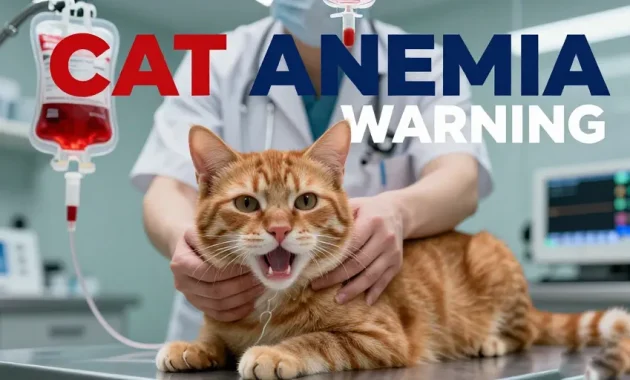
Anemia in cats is not a single, isolated disease. Rather, it is a complex, multifaceted clinical syndrome characterized by a critical decrease in the total number of circulating red blood cells (RBCs), a drop in packed cell volume (PCV), or a dangerous deficiency in hemoglobin concentration.
Because red blood cells function as the primary transport system for oxygen delivery throughout the feline body, a significant drop in these cells plunges local tissues into a state of systemic hypoxia. Left unchecked, this oxygen starvation can cause rapid cellular death, widespread organ failure, and acute metabolic collapse.
┌───────────────────────────────────────────────────────────────────────────┐
│                     The Feline Hypoxia Cascade                            │
├───────────────────────────────────────────────────────────────────────────┤
│  Drop in Circulating RBCs ──► Systemic Tissue Hypoxia                     │
│                                           │                               │
│  Acute Metabolic Collapse ◄── Widespread Organ Failure ◄──────────────────┘
└───────────────────────────────────────────────────────────────────────────┘
For cats, anemia can range from a subtle, chronic condition that slips by unnoticed to a sudden, catastrophic medical emergency that requires immediate veterinary life support.
This comprehensive guide breaks down the biological framework of feline anemia, untangles its complex root causes, details modern diagnostic testing protocols, and examines the latest veterinary treatment strategies to help you protect and care for your cat.
Biological Foundations The Life Cycle and Mechanics of the Feline Erythron
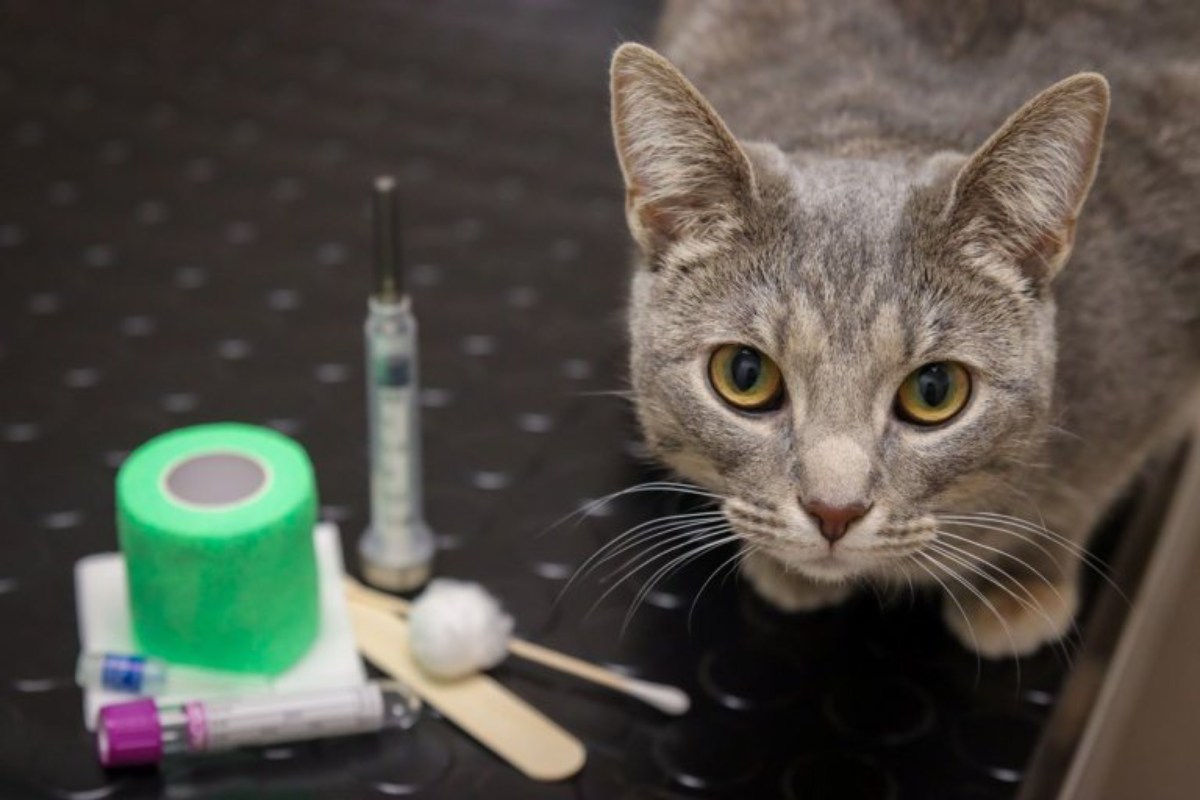
To understand how anemia develops, we must first look at the unique lifecycle of the feline red blood cell. The production, maintenance, and destruction of these cells rely on a highly coordinated biological balancing act known as the erythron system.
[ Pluripotent Stem Cells ] ──► Erythropoietin (EPO) Activation ──► Mature Erythrocyte Release
Erythropoiesis: How the Feline Body Builds Blood
The journey of a red blood cell begins deep within the bone marrow, where specialized pluripotent stem cells undergo a multi-stage transformation called erythropoiesis. This highly complex development loop is driven by Erythropoietin (EPO), a vital glycoprotein hormone produced by specialized interstitial cells within the kidneys.
                 [ The Erythropoiesis Activation Pathway ]
                                     │
   ┌─────────────────────────────────┼─────────────────────────────────┐
   ▼                                 ▼                                 ▼
[ 1. Renal Hypoxia Detection ] [ 2. Targeted EPO Release ] [ 3. Marrow Differentiation ]
├── Kidneys sense low oxygen     ├── Glycoprotein enters systemic  ├── Stem cells transform into
└── Triggers internal signaling  └── circulatory pathways          └── mature hemoglobin carriers
-
Renal Hypoxia Detection: When specialized sensors within the kidneys detect a drop in blood oxygen levels, they instantly trigger internal cellular signaling pathways.
-
Targeted EPO Release: The kidneys release erythropoietin directly into the bloodstream, where it travels to the bone marrow cavities.
-
Marrow Differentiation: Once inside the marrow, EPO binds to target receptors, ordering immature stem cells to rapidly multiply and transform into functional, hemoglobin-packed red blood cells ready for circulation.
The Feline Storage and Lifespan Bottleneck
Compared to other domestic mammals, cats operate under a unique biological limitation when it comes to their blood supply:
-
Abbreviated Erythrocyte Lifespan: A healthy canine red blood cell routinely circulates for roughly 110 to 120 days. In stark contrast, a healthy feline red blood cell lives for only 68 to 70 days. This brief lifespan means a cat's bone marrow must work nearly twice as fast as a dog's to constantly replenish and refresh its blood supply.
-
Minimal Reserve Capacity: While dogs can store a massive reserve of extra red blood cells within their spleen to inject into circulation during sudden trauma or exercise, the feline spleen has a very limited storage capacity. This structural layout leaves cats highly vulnerable to rapid, life-threatening drops in blood volume during acute bleeding emergencies.
The Diagnostic Crossroads Regenerative vs. Non-Regenerative Pathtypes
When a veterinarian identifies a state of anemia through an initial blood screening, the next critical step is to classify the condition as either regenerative or non-regenerative. This distinction tells the medical team whether the bone marrow is actively responding to the crisis, helping them narrow down the cause and build an effective treatment plan.
┌───────────────────────────────────────────────────────────────────────────┐
│               Pathological Classification of Feline Anemia                │
├───────────────────────────────────────────────────────────────────────────┤
│  • Regenerative Pathtype    ──► Active bone marrow compensation.          │
│                                 High immature reticulocyte counts.       │
│  • Non-Regenerative Pathtype──► Sumsum tulang belakang gagal/tidak mampu. │
│                                 Zero structural response metrics.         │
└───────────────────────────────────────────────────────────────────────────┘
1. Regenerative Anemia: Active Bone Marrow Compensation
In a regenerative pathtype, the cat's bone marrow is healthy and working perfectly. When the body detects a sudden drop in circulating blood cells, the marrow responds by releasing large numbers of immature, oversized red blood cells known as reticulocytes into the bloodstream to help rebuild the supply.
Acute Peripheral RBC Loss ──► Massive Renal EPO Surge ──► Accelerated Reticulocyte Release
Regenerative anemia is typically caused by external factors that destroy or deplete healthy blood cells outside of the bone marrow, such as acute trauma, toxic exposures, or severe parasite infestations.
2. Non-Regenerative Anemia: Bone Marrow Failure
A non-regenerative pathtype represents a far more dangerous clinical scenario. Despite a severe lack of oxygen throughout the body, the bone marrow remains completely inactive, showing zero structural response and releasing no new cells into circulation.
Systemic Hypoxia Strain ──► Inactive Bone Marrow Response ──► Continuous Blood Decline
This failure means the root cause of the anemia is a chronic, internal condition that has damaged the marrow itself or blocked the body's ability to produce blood cells, such as advanced kidney disease, viral infections like FeLV, or bone marrow cancers.
The Etiological Matrix Root Causes of Feline Blood Loss and Destruction
To successfully treat anemia, a veterinarian must trace the condition back to its exact biological origin. Feline blood loss and cell destruction typically occur through three primary pathological pathways:
                      [ Feline Anemia Root Pathways ]
                                     │
       ┌─────────────────────────────┼─────────────────────────────┐
       ▼                             ▼                             ▼
 [ 1. Mechanical Loss ]        [ 2. Accelerated Hemolysis ]  [ 3. Production Failure ]
 ├── Internal Trauma / Ruptures├── Autoimmune IMHA Collapses├── Chronic Kidney Disease (CKD)
 └── Ectoparasite Infestations └── Parasitic Infections      └── Retroviral Invasions (FeLV/FIV)
Pathological Pathway 1: Mechanical Blood Loss (Hemorrhage)
Hemorrhage occurs when physical trauma or internal disease breaches the structural integrity of the circulatory system, allowing blood to escape from blood vessels.
-
Acute External Trauma: Severe vehicular accidents, animal bites, or deep lacerations can cause rapid, heavy blood loss that can quickly trigger hemorrhagic shock.
-
Gastrointestinal Parasites: High numbers of hookworms (Ancylostoma tubaeforme) can anchor themselves into the mucosal lining of a kitten's intestines. By continuously feeding on blood, these parasites cause chronic internal bleeding that can easily trigger fatal anemia in young animals.
-
Severe Ectoparasite Infestations: A massive, uncontrolled flea infestation (Ctenocephalides felis) poses a major threat to kittens. Because a single flea can consume a significant amount of blood relative to a young animal's tiny total blood volume, a dense infestation can quickly drain a kitten's resources, resulting in severe, life-threatening regenerative anemia.
Pathological Pathway 2: Accelerated Hemolysis (Destruction of Cells)
Hemolysis occurs when toxic exposures, infections, or immune system malfunctions cause red blood cells to rupture and break down prematurely within the bloodstream.
Oxidative Toxin Exposure ──► Denatured Hemoglobin ──► Heinz Body Formation ──► Cell Rupture
-
Immune-Mediated Hemolytic Anemia (IMHA): In this complex autoimmune condition, a malfunction causes the cat's immune system to mistake its own red blood cells for foreign invaders. The immune system tags the cells with specialized antibodies, ordering the spleen and liver to rapidly trap and destroy them in a catastrophic self-destruction loop.
-
Oxidative Chemical Toxicity: Cats possess unique metabolic pathways that leave them highly vulnerable to oxidative damage. Common human medications like Acetaminophen (Paracetamol/Tylenol) and Ibuprofen, along with common foods like onions and garlic, are highly toxic to felines.
Paracetamol Ingestion ──► Glutathione Depletion ──► Methemoglobin Production (Brown Gums)
When a cat ingests paracetamol, it quickly depletes their liver's protective glutathione stores. This exposure damages the hemoglobin inside their red blood cells, causing it to clump into abnormal structures called Heinz bodies. These damaged cells cannot carry oxygen and are quickly destroyed, causing rapid hemolysis and turning the cat's gums a distinct, dangerous brown color.
-
Infectious Blood Parasites: Microscopic vector-borne bacteria, such as Mycoplasma haemofelis (passed along via flea and tick bites), attach themselves directly to the outer surface of feline red blood cells. The physical damage from the bacteria, combined with the immune system's attempts to clear the infection, causes the widespread destruction of healthy red blood cells.
Pathological Pathway 3: Bone Marrow Production Failure
When anemia is non-regenerative, the underlying cause is a structural failure that stops the bone marrow from producing new blood cells.
-
Chronic Kidney Disease (CKD): As a cat ages, chronic kidney disease can damage and scar the delicate functional tissues of the kidneys. As these cells degrade, they lose the ability to produce erythropoietin. Without a steady stream of this vital hormone, the bone marrow receives no signals to build blood, causing a slow, steady, and severe drop in red blood cell counts.
-
Retroviral Infections (FeLV and FIV): The Feline Leukemia Virus (FeLV) and Feline Immunodeficiency Virus (FIV) are dangerous, slow-acting viral infections that directly target a cat's immune system. FeLV can travel deep into the bone marrow cavities, mutating stem cells and completely shutting down the production of healthy blood cells, resulting in profound, non-regenerative anemia.
Clinical Symptom Mapping Recognizing the Stages of Hypoxic Strain
The physical signs of feline anemia vary significantly based on how quickly the condition develops. When blood loss is slow and chronic, a cat's body can often adjust over several weeks, showing only subtle behavioral changes until their blood counts drop to dangerous levels. Conversely, acute blood loss triggers immediate, noticeable physical distress.
                       [ Feline Anemia Symptom Arc ]
                                     │
       ┌─────────────────────────────┼─────────────────────────────┐
       ▼                             ▼                             ▼
 [ 1. Early Mild Shift ]       [ 2. Moderate Progression ]   [ 3. Critical Emergency ]
 ├── Minor activity drops      ├── Pale, faded pink gums     ├── White porcelain gums
 └── Increased hiding tendencies└── Elevated resting pulse    └── Open-mouth panting (Crisis)
1. Early and Mild Anemic Shifts
During the initial stages of anemia, signs can be incredibly subtle and are easily missed by pet owners. You may notice minor drops in daily activity, a slight lack of interest in play, and a tendency for the cat to sleep more or hide away in dark closets or under furniture.
2. Moderate Anemic Progression
As the red blood cell count continues to fall, clearer clinical signs begin to emerge:
-
Fading Gum Pigment: Healthy feline gums should display a vibrant, healthy pink color. As anemia takes hold, the gums fade to a pale, washed-out pink or light pastel shade.
-
Elevated Resting Heart Rate: The brain senses the lack of oxygen throughout the body and orders the heart to pump faster, trying to move the remaining red blood cells through circulation at a rapid pace.
-
Poor Coat Quality and Loss of Appetite: The body redirects its remaining energy and resources to protect vital core organs like the heart and brain, leaving the cat feeling lethargic and causing a noticeable drop in appetite.
3. Critical Emergency Indicators
When a cat's red blood cell count drops to life-threatening levels, they enter a state of severe clinical shock. This stage requires immediate emergency medical attention:
┌───────────────────────────────────────────────────────────────────────────┐
│                    Critical Emergency Symptom Checklist                   │
├───────────────────────────────────────────────────────────────────────────┤
│  • White Porcelain Gums──► Complete lack of oxygen carriers. Emergency.  │
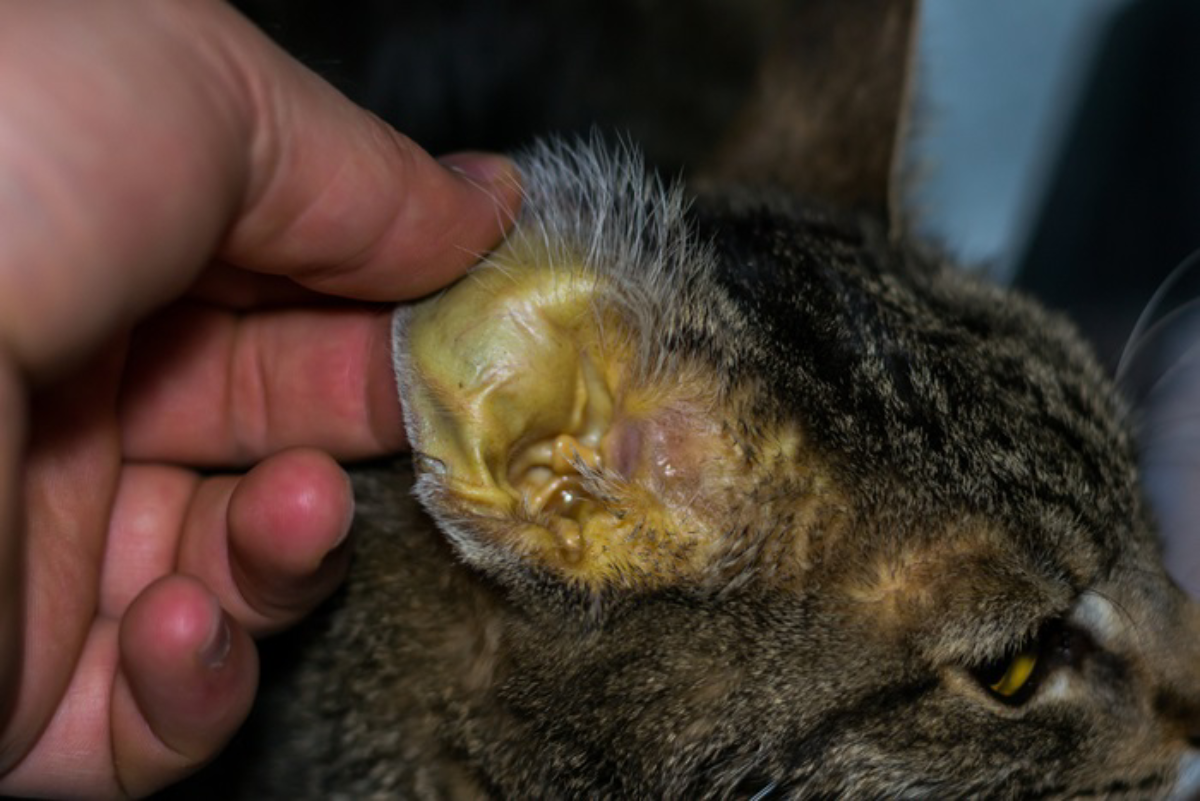
│  • Icterus (Jaundice)   ──► Deep yellow tinting on ears, skin, and eyes.  │
│  • Dyspnea & Panting    ──► Open-mouth breathing; near respiratory arrest.│
└───────────────────────────────────────────────────────────────────────────┘
-
White Porcelain Gums: The gums lose all pink coloration, turning a stark, ghostly white that indicates a severe, life-threatening lack of oxygen-carrying blood cells.
-
Icterus (Systemic Jaundice): The skin, inner ears, and whites of the eyes develop a distinct, dark yellow tint. This coloration occurs during rapid hemolytic crises, when massive numbers of red blood cells rupture simultaneously and flood the liver with an unmanageable amount of yellow bilirubin pigment.
-
Dyspnea and Open-Mouth Panting: Cats naturally prefer to breathe exclusively through their nostrils. If an anemic cat begins panting or breathing heavily through an open mouth, they are experiencing acute respiratory distress and are on the verge of complete circulatory collapse.
Diagnostic Engineering Testing Frameworks for the Veterinary Lab
A veterinarian cannot build a safe, effective treatment plan based on a visual exam alone. To truly understand the severity of the anemia and find its root cause, the medical team must run a precise sequence of laboratory diagnostic tests.
[ Raw Blood Sample ] ──► Centrifuge Separation ──► Accurate Packed Cell Volume (PCV) Reading
1. The Packed Cell Volume (PCV) and Hematocrit Test
The Packed Cell Volume (PCV) test is the fastest, most reliable method for detecting and tracking anemia in a clinical setting. A technician draws a small blood sample into a microhematocrit capillary tube and spins it in a high-speed centrifuge. This process separates the heavy, red blood cells from the clear liquid plasma, allowing the vet to measure the exact percentage of blood volume made up of oxygen-carrying cells.
┌───────────────────────────────────────────────────────────────────────────┐
│                       PCV Clinical Assessment Scale                       │
├───────────────────────────────────────────────────────────────────────────┤
│  • PCV 20% to 24% ──► Mild Anemia (Requires careful diagnostic monitoring)│
│  • PCV 15% to 19% ──► Moderate Anemia (Requires direct medical treatment) │
│  • PCV Under 15%  ──► Severe Anemia (Critical risk; requires transfusion)│
└───────────────────────────────────────────────────────────────────────────┘
2. Complete Blood Count (CBC) and Blood Smear Evaluation
An automated Complete Blood Count (CBC) analyzer counts white blood cells, platelets, and red blood cells while measuring structural indexes like Mean Corpuscular Volume (MCV), which indicates cell size, and Mean Corpuscular Hemoglobin Concentration (MCHC), which indicates cell color.
High Reticulocyte Shift ──► Macrocytic / Hypochromic Pattern ──► Regenerative Anemia
A technician then manually spreads a drop of blood onto a glass slide to perform a blood smear evaluation under a microscope. This manual review is vital for checking the shape of the cells and looking for key diagnostic clues:
                     [ Advanced Blood Smear Microscopic Analysis ]
                                           │
         ┌─────────────────────────────────┴─────────────────────────────────┐
         ▼                                                                   ▼
 [ Automated Analyzer Metrics ]                                      [ Manual Smear Discoveries ]
 ├── MCV: Gauges individual cell size                              ├── Heinz Bodies: Confirms chemical toxin damage
 └── MCHC: Evaluates cell color depth                              └── Spherocytes: Signals antibody autoimmune IMHA
-
Heinz Bodies: Small, round bumps of altered hemoglobin on the edge of the blood cells that confirm chemical toxicity or oxidative poisoning.
-
Spherocytes: Small, perfectly round red blood cells that have lost their normal indented shape, a classic sign of an active autoimmune attack (IMHA).
-
Visual Parasites: Direct identification of bacterial organisms like Mycoplasma haemofelis clinging to the edges of the blood cells.
3. Comprehensive Secondary Testing Sequence
To find the hidden conditions driving non-regenerative anemia, a veterinarian will expand their diagnostic search using a targeted sequence of secondary tests:
-
ELISA Retroviral Snap Profiles: Quick blood tests used to check for the presence of FeLV and FIV infections.
-
Full Serum Biochemistry and Urinalysis: Tests used to evaluate kidney enzymes (BUN and Creatinine) and measure urine concentration, allowing the vet to assess overall kidney function.
-
Fecal Flotation Inspections: Microscopic analysis of a stool sample to look for hookworm or roundworm eggs that could be causing internal bleeding.
-
Advanced Bone Marrow Biopsies: Collecting a small sample of tissue from inside the bone marrow cavity to check for cancers like leukemia or identify advanced marrow scarring.
Clinical Protocols Emergency Stabiliization and Targeted Therapies
When an anemic cat arrives at a clinic in critical condition, the veterinary team must move quickly through a structured triage and treatment plan to stabilize their vital signs and protect their organs.
[ Critical Triage Admission ] ──► Low-Stress Oxygen Therapy ──► Cross-Match Verification ──► Whole Blood Transfusion
Phase 1: Immediate Emergency Life Support
-
Low-Stress Supplemental Oxygen Support: Any unnecessary stress can overtax an anemic cat's struggling heart, potentially triggering a fatal cardiac arrest. The team places the cat inside a temperature-controlled oxygen cage or uses a gentle face mask to increase the amount of oxygen reaching their tissues.
-
Strict Intravenous Fluid Restraint: While dehydrated cats often need IV fluids, veterinarians must use extreme caution when administering fluids to an anemic patient. Injecting too much standard saline solution into the bloodstream can dilute the remaining red blood cells even further, causing a rapid drop in oxygen levels that can stop the heart.
Phase 2: Whole Blood Transfusion Protocol
When a cat's PCV falls below 15%, their life is in immediate danger, and a whole blood transfusion becomes necessary to stabilize their condition.
                              [ Feline Blood Types ]
                                         │
         ┌───────────────────────────────┼───────────────────────────────┐
         ▼                               ▼                               ▼
   [ Type A Blood ]                [ Type B Blood ]                [ Type AB Blood ]
   ├── Most common type            ├── Purebred lines              ├── Extremely rare
   └── Needs Type A blood          └── Highly reactive             └── Universal receiver
Felines operate under a strict, unyielding blood type system consisting of three primary groups: Type A, Type B, and Type AB. Cats possess strong, naturally occurring antibodies against other blood types from birth.
🛑 Critical Feline Transfusion Rule
Cats do not have a "universal donor" blood type. Giving a Type B cat a transfusion of Type A blood can trigger an immediate, catastrophic systemic allergic reaction that can be fatal within minutes.
To ensure a safe transfusion, the medical team must perform two vital checks before administering any donor blood: Blood Typing to match the major blood groups, and a Cross-Match Test to mix the donor's cells with the patient's serum, ensuring there are no hidden, dangerous immune reactions.
[ Mix Patient Serum + Donor Cells ] ──► Microscopic Clumping (Agglutination) ──► Incompatible Match
Phase 3: Targeted Medical Therapies
Once the patient is stable, long-term recovery depends on using specific medications to treat the root cause of the anemia:
-
Immunosuppressive Steroid Therapy: For cats diagnosed with autoimmune IMHA, vets prescribe high doses of corticosteroids like Prednisolone or secondary immunosuppressants like Cyclosporine to calm the immune system and stop it from destroying healthy blood cells.
-
Advanced Hormone Replacements: For cats suffering from non-regenerative anemia caused by chronic kidney disease, doctors use synthetic hormone therapies like Darbepoetin alfa to kickstart blood production in the bone marrow.
-
Targeted Antibiotic Protocols: For cats fighting off blood parasite infections like Mycoplasma haemofelis, vets prescribe targeted courses of antibiotics like Doxycycline or Pradofloxacin to clear the bacteria from the bloodstream.
Critical Home Warning The Danger of At-Home Decontamination
When a pet owner discovers their cat has accidentally ingested a human medication like paracetamol or a household toxin, they often search the internet for quick, at-home solutions. This search frequently leads to articles suggesting home remedies to force the pet to vomit, such as administering raw salt water or hydrogen peroksida solution.
[ At-Home Forced Vomiting Attempt ] ──► Severe Fluid Aspiration ──► Acute Fatal Pneumonia
⚠️ Urgent Veterinary Safety Warning
Never attempt to force a cat to vomit at home using home remedies. Unlike dogs, cats have a highly sensitive, unpredictable gag reflex. Forcing a cat to swallow hydrogen peroxide or salt solutions rarely induces vomiting. Instead, it frequently causes severe chemical irritation to their stomach lining or leads to aspiration pneumonia—a life-threatening condition where the cat accidentally breathes the toxic mixture into their lungs, causing severe respiratory damage that can be fatal within hours.
If your cat ingests any toxic medication or chemical, do not wait. Bring them directly to a veterinary hospital, where trained professionals can use safe, fast-acting injectable medications to safely remove the toxin under controlled conditions.
Technical Synthesis: Advanced Feline Anemia Matrix
To help veterinary staff, veterinary students, and technical pet care managers quickly review and compare options, this matrix outlines the clinical features, diagnostic markers, and treatment paths for the primary forms of feline anemia:
Step-by-Step Recovery Action Plan for Pet Owners
Caring for an anemic cat during their recovery at home requires a quiet, highly structured environment to help their body rest and rebuild its blood supply. Use this step-by-step checklist to optimize their home care:
-
[ ] Enforce Absolute Rest: Restrict your cat to a small, warm, single-level room or a spacious, comfortable enclosure. Block access to high furniture, stairs, or cat trees to prevent falls and stop them from overexerting their heart.
-
[ ] Bring Resources Closer: Place their food bowls, water dishes, and litter box within a few feet of their preferred resting bed so they do not have to spend precious energy walking across the house.
-
[ ] Switch to a High-Calorie Diet: Offer nutrient-dense, highly palatable wet foods or prescription recovery diets to stimulate their appetite and provide the protein needed for cellular repair.
-
[ ] Perform Daily Visual Gum Audits: Gently lift your cat's lip every morning to check their gum color. Verify that their gums are progressing toward a healthy pink and have not slipped back toward a pale or white shade.
-
[ ] Maintain Strict Medication Schedules: Set precise alarms to ensure all antibiotics, immunosuppressants, or hormone treatments are administered at the exact times prescribed by your vet.
-
[ ] Eliminate Household Stressors: Keep young children, boisterous dogs, and loud noises away from the recovery room. A calm, quiet environment prevents sudden spikes in heart rate, allowing their body to focus fully on healing.
Summary: Proactive Defense Against a Silent Threat
Feline anemia is a sophisticated, high-stakes medical condition that leaves no room for guessing or delay. Because cats naturally hide illness and adjust to chronic conditions until they reach a crisis point, pet owners must stay alert. Spotting early signs like a minor drop in playfulness, increased sleeping, or slightly faded gums allows you to catch the problem before it becomes a life-threatening emergency.
┌───────────────────────────────────────────────────────────────────────────┐
│                    The Proactive Care Equation                            │
├───────────────────────────────────────────────────────────────────────────┤
│  Routine Veterinary Blood Screens + Early Lab Tracking                    │
│                               = Complete Protection Against Anemic Crises │
└───────────────────────────────────────────────────────────────────────────┘
Managing this condition relies on a close partnership with your veterinary care team. By scheduling routine blood screenings to catch chronic shifts early, using safe, veterinary-supervised treatments rather than dangerous at-home remedies, and maintaining a calm, supportive environment during recovery, you can successfully navigate the complexities of feline anemia and help your cat enjoy a long, healthy, and vibrant life by your side.
Would you like to review a detailed sample laboratory profile from an anemic cat to learn how veterinarians read and interpret complete blood counts (CBC) and chemistry panels during an active medical diagnostic workup?
FAQ About Feline Anemia
1. What is anemia in cats?
Anemia is a medical condition where a cat has too few red blood cells or insufficient hemoglobin to carry oxygen efficiently throughout the body. This can lead to weakness, organ stress, and severe oxygen deprivation.
2. Is feline anemia a disease itself?
No. Anemia is considered a clinical syndrome or symptom of an underlying problem such as blood loss, infections, kidney disease, toxins, parasites, or immune disorders.
3. What are the earliest signs of anemia in cats?
Early symptoms often include:
- Low energy
- Increased sleeping
- Reduced appetite
- Hiding behavior
- Less interest in play
- Mild pale gums
4. What color should a healthy cat’s gums be?
Healthy gums should appear bright pink and moist. Pale pink, white, gray, or yellow gums may indicate anemia or other medical emergencies.
5. Why are cats more vulnerable to anemia than dogs?
Cats have:
- Shorter red blood cell lifespans
- Smaller splenic blood reserves
- Higher sensitivity to toxins
- Faster blood turnover demands
These factors make severe blood loss more dangerous.
6. What causes regenerative anemia in cats?
Regenerative anemia occurs when the bone marrow responds correctly by producing new red blood cells. Common causes include:
- Trauma
- Fleas
- Hookworms
- Blood parasites
- Toxic exposures
- Internal bleeding
7. What causes non-regenerative anemia?
Non-regenerative anemia happens when the bone marrow fails to produce new blood cells. Causes include:
- Chronic kidney disease
- FeLV
- FIV
- Bone marrow cancer
- Severe chronic inflammation
8. Can fleas really cause life-threatening anemia?
Yes. Severe flea infestations can drain significant amounts of blood, especially in kittens or underweight cats, potentially causing fatal anemia.
9. What toxins commonly trigger anemia in cats?
Dangerous toxins include:
- Paracetamol (acetaminophen/Tylenol)
- Ibuprofen
- Onions
- Garlic
- Zinc
- Certain chemicals and pesticides
Cats are extremely sensitive to oxidative damage.
10. Why does paracetamol cause anemia in cats?
Cats cannot safely metabolize paracetamol. It damages hemoglobin, forms Heinz bodies, destroys red blood cells, and causes severe oxygen deprivation.
11. What is IMHA in cats?
Immune-Mediated Hemolytic Anemia (IMHA) is an autoimmune disease where the immune system attacks and destroys the cat’s own red blood cells.
12. What are Heinz bodies?
Heinz bodies are abnormal clumps of damaged hemoglobin attached to red blood cells. They usually indicate oxidative toxin exposure.
13. How do veterinarians diagnose anemia?
Diagnosis typically includes:
- Physical examination
- Packed Cell Volume (PCV)
- Complete Blood Count (CBC)
- Blood smear analysis
- Chemistry panels
- FeLV/FIV testing
- Parasite screening
14. What is a normal PCV level in cats?
A healthy adult cat usually has a PCV range between:
Values below this range indicate varying levels of anemia.
15. When does anemia become life-threatening?
Severe anemia usually becomes critical when PCV falls below:
At this level, oxygen delivery becomes dangerously compromised.
16. What are reticulocytes?
Reticulocytes are immature red blood cells released by the bone marrow during regenerative anemia. High reticulocyte counts indicate the marrow is actively responding.
17. Can anemia cause breathing problems in cats?
Yes. Because oxygen delivery drops, severely anemic cats may develop:
- Rapid breathing
- Panting
- Open-mouth breathing
- Respiratory distress
This is an emergency.
18. What does jaundice mean in an anemic cat?
Yellow skin, gums, or eyes suggest rapid red blood cell destruction (hemolysis), causing bilirubin buildup in the bloodstream.
19. Can kidney disease cause anemia?
Yes. Diseased kidneys produce less erythropoietin (EPO), the hormone needed to stimulate red blood cell production in bone marrow.
20. Why are FeLV and FIV dangerous?
These viruses weaken the immune system and can directly damage bone marrow, suppress blood production, and trigger chronic anemia.
21. Do anemic cats always need blood transfusions?
No. Mild cases may respond to medications and supportive care. Severe anemia often requires emergency transfusions.
22. Do cats have universal blood donors?
No. Cats have strict blood typing systems (Type A, B, and AB), and incompatible transfusions can cause fatal reactions.
23. What is a cross-match test?
A cross-match mixes donor blood with the patient’s serum to check for dangerous immune reactions before transfusion.
24. Can I treat anemia at home?
No. Anemia requires veterinary diagnosis and treatment. Home remedies can delay critical care and may worsen the condition.
25. Should I make my cat vomit after toxin exposure?
Never attempt home-induced vomiting in cats using hydrogen peroxide or salt water. This can cause aspiration pneumonia and severe chemical injury.
26. What foods help an anemic cat recover?
Veterinarians often recommend:
- High-protein wet foods
- Recovery diets
- Nutrient-dense prescription foods
- Hydration support
Treatment depends on the underlying cause.
27. How long does recovery take?
Recovery time varies widely:
- Mild anemia: days to weeks
- Severe regenerative anemia: several weeks
- Chronic kidney-related anemia: ongoing management
28. Can kittens develop anemia more easily?
Yes. Kittens are especially vulnerable due to:
- Small blood volume
- Rapid growth demands
- Heavy parasite sensitivity
- Immature immune systems
29. How can I help an anemic cat recover at home?
Supportive care includes:
- Quiet rest areas
- Easy food and litter access
- Strict medication schedules
- Stress reduction
- Monitoring gum color daily
30. How can anemia in cats be prevented?
Prevention strategies include:
- Routine veterinary exams
- Flea and parasite control
- Vaccination against FeLV
- Keeping toxins and medications away
- Early blood screening for senior cats