Living with Wobbly Cat Syndrome: The Ultimate Owner's Guide to Cerebellar Hypoplasia in Felines
5 days ago
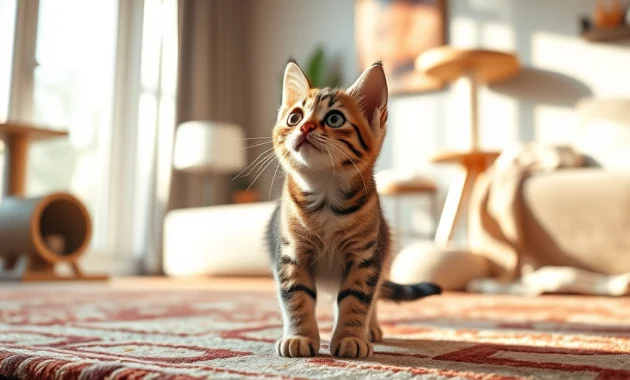
Few things captivate a cat lover's heart quite like a kitten exploring their world. But if you have ever noticed a kitten walking with a wide, high-stepping gait, swaying gently from side to side like a sailor on a stormy sea, or experiencing head tremors when focusing on a food bowl, you have likely witnessed Cerebellar Hypoplasia (CH)—famously known in the pet community as "Wobbly Cat Syndrome."
For first-time pet parents, witnessing these uncoordinated movements can be alarming. It is easy to assume the worst: Is my cat in physical pain? Do they have a terminal disease? Will their condition worsen over time?
The reassuring truth is that Cerebellar Hypoplasia is a non-progressive, painless neurological condition. Cats with CH do not realize they are different; they run, play, purr, and explore with the same gusto as any other feline. With a few thoughtful adjustments to your home environment, a wobbly cat can live a long, happy, and fulfilling life.
This comprehensive guide covers everything you need to know about CH—from the underlying brain anatomy and viral causes to diagnostic protocols, severity levels, and practical daily care tips.
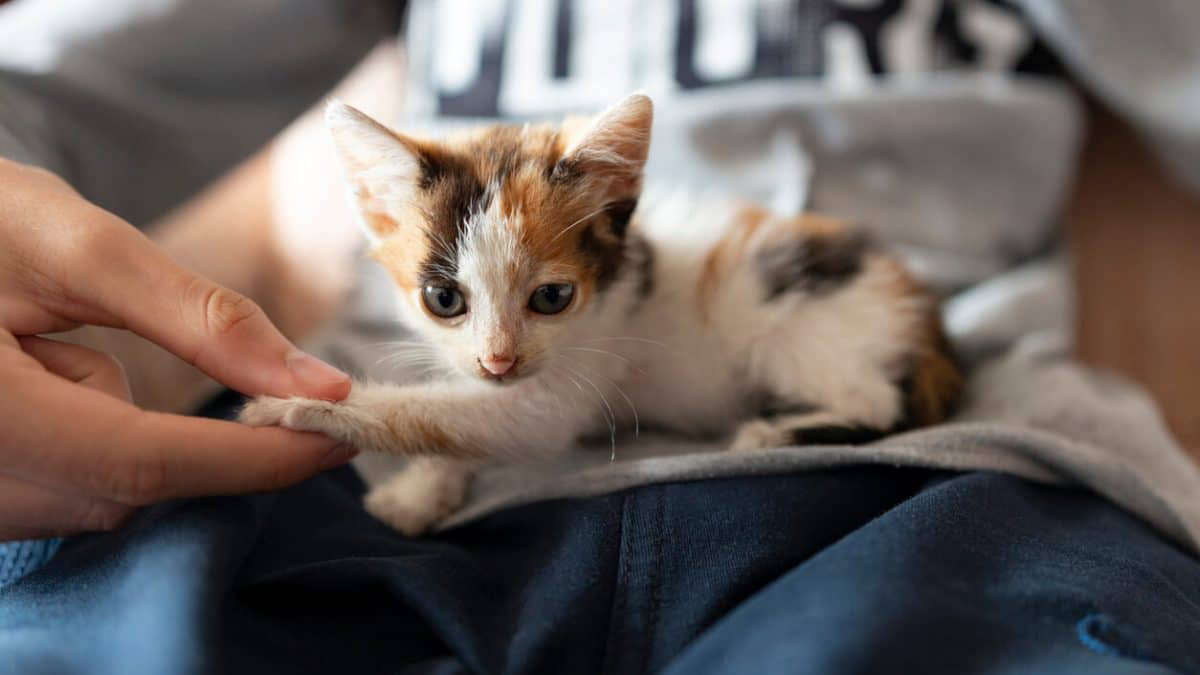
What Is Cerebellar Hypoplasia? The Science Behind the Wobble
To understand Wobbly Cat Syndrome, we must look at how the feline central nervous system processes motor control and balance.
Feline Brain Structure & Motor Control Mapping:
┌─────────────────────────────────────────────────────────────┐
│                        CEREBRUM                             │
│   (Responsible for thought, sensory perception, memory)     │
└──────────────────────────────┬──────────────────────────────┘
                               │
                               ▼
┌─────────────────────────────────────────────────────────────┐
│                        CEREBELLUM                           │
│   Located at the base of the skull at the back of the brain. │
│   Controls: Motor coordination, balance, spatial judgment,  │
│             and fluid movement execution.                   │
└──────────────────────────────┘
1. The Anatomy of the Cerebellum
The word cerebellum translates from Latin as "little brain." Positioned at the base of the skull, this specialized structure acts as the body's internal motor coordinator.
When a healthy cat decides to pounce on a toy, jump onto a couch, or step over a threshold, the cerebrum issues the intent, but the cerebellum calculates the exact force, trajectory, and muscle timing required to execute that motion smoothly.
When a cat is born with Cerebellar Hypoplasia (hypo = underdeveloped, plasia = growth/development), the cerebellum fails to form fully during gestation or early development. As a result, the brain cannot fine-tune motor signals, leading to jerky, uncoordinated movements.
2. Pain and Progression: Dispelling Common Myths
Two core facts clear up common misunderstandings about CH:
-
CH Is Painless: The condition affects motor planning rather than sensory pain pathways. A wobbly cat feels no discomfort or distress from their condition.
-
CH Is Non-Progressive: The neurological defect stays static throughout the cat's life. It will not deteriorate as the cat ages. As kittens mature, many actually learn to adapt to their wobbliness by widening their stance and leaning against walls for support.
Root Causes and Prevention: How CH Develops
Understanding how Wobbly Cat Syndrome happens highlights the importance of routine preventive veterinary care for female cats.
Causes and Transmission Pathways for CH:
├── In-Utero Infection ➔ Mother contracts Feline Panleukopenia Virus (FPV)
├── Early Postnatal    ➔ Kitten contracts FPV within first 2 weeks of life
├── Fetal Exposure     ➔ Environmental toxins or physical trauma during gestation
└── Vaccine Advisory   ➔ Modified-live FPV vaccine given to a pregnant queen
1. Feline Panleukopenia Virus (FPV)
The primary cause of Cerebellar Hypoplasia is Feline Panleukopenia Virus (FPV), also known as feline parvovirus or feline distemper.
When an unvaccinated pregnant cat contracts panleukopenia, the virus attacks rapidly dividing cells. In unborn fetuses, the most rapidly multiplying cells are the Purkinje cells within the developing cerebellum. The virus halts the growth of these cells, leaving the kitten with an underdeveloped cerebellum at birth.
Because fetal development varies slightly within the womb, kittens from the same litter can experience different severity levels. One kitten may have severe CH, while another has a mild wobble, and a third remains completely unaffected.
2. Prevention Protocols
Preventing viral-induced CH is straightforward:
-
Pre-Pregnancy Vaccination: Ensure female cats receive their routine FPV vaccinations before becoming pregnant.
-
Avoid Live Vaccines During Gestation: Pregnant queens and kittens under two weeks of age should never be given modified-live panleukopenia vaccines, as attenuated viral strains can cross the placenta and trigger CH in developing fetuses.
Identifying Symptoms and Severity Tiers
Kittens naturally stumble when learning to walk at 3 to 4 weeks of age. However, if clumsiness persists beyond 6 weeks of age, a veterinary assessment is recommended.
Primary Physical Manifestations of CH:
├── Hypermetria       ➔ High-stepping, "marching," or exaggerated leg movements
├── Intention Tremors ➔ Head shaking or quivering when focusing on a target (food, toy)
├── Truncal Swaying   ➔ Body sways from side to side when standing or walking
├── Broad-Based Stance➔ Spreading legs wide apart to maintain balance
└── Nystagmus         ➔ Uncontrolled, side-to-side eye movements (less common)
Severity Classification Matrix
Veterinarians classify Cerebellar Hypoplasia into three general severity tiers:
| Severity Level | Physical Manifestations | Daily Living Impact |
| Mild CH | Slight wobble when walking; occasional balance loss when jumping; subtle head tremors when excited. | Fully independent. Requires minimal to no special household modifications. |
| Moderate CH | Frequent stumbling; wide, high-stepping stance; noticeable head tremors during eating; struggles to jump. | Highly functional. Benefits from low-entry litter boxes, carpeted runners, and non-slip feeding mats. |
| Severe CH | Cannot stand or walk unsupported for long periods; frequent falls; intense head tremors. | Dependent on owner. Requires padded living spaces and hands-on mealtime support. |
Diagnosis and Medical Rule-Outs
While experienced veterinarians can often recognize CH through observation and a neurological examination, ruling out other health issues is an essential step in diagnosis.
1. Step-by-Step Diagnostic Process
2. Conditions That Mimic CH
It is important to rule out conditions that look similar to CH but require active medical treatment, such as:
-
Active viral or bacterial brain infections (encephalitis or meningitis)
-
Inner ear infections (vestibular disease)
-
Toxic ingestion or accidental poisoning
-
Head trauma or spinal injury
Unlike CH, these conditions usually involve additional systemic symptoms like fever, lethargy, sudden vomiting, or pain.
Home Adjustments and Daily Care for a Wobbly Cat
Living with a CH cat means making a few easy modifications around the home to support their mobility and safety.
Essential Household Accommodations Checklist:
├── Flooring Traction  ➔ Place non-slip rug runners over hardwood or tile
├── Accessible Litter  ➔ Low-entry litter boxes or modified storage bins
├── Stable Feeding     ➔ Wide, elevated bowls set on rubber non-slip mats
└── Fall Safety        ➔ Foam pet ramps, corner padding, and indoor-only living
Practical Environmental Modifications
1. Flooring and Mobility
Smooth floors like hardwood, tile, or laminate can be challenging for a wobbly cat. Adding textured rug runners, yoga mats, or foam tiles gives their paws better traction and cushions minor tumbles.
2. Feeding Stations
Head tremors (intention tremors) can make eating and drinking tricky.
-
Use wide, shallow bowls so whiskers do not bump against the sides.
-
Place dishes on non-slip rubber mats so they stay in place during meals.
-
Elevate bowls a few inches off the ground to reduce neck strain.
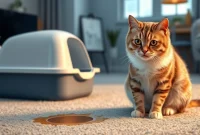
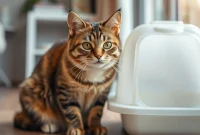
3. Adapted Litter Boxes
Cats with moderate-to-severe CH may struggle to balance while crouching in a litter box.
-
Use a box with a low entrance so they do not have to jump over high sides.
-
Choose boxes with high back and side walls so your cat can lean against them for stability.
4. Indoor Safety Mandate
🚨 CRITICAL SAFETY REQUIREMENT: Cats with Wobbly Cat Syndrome must stay strictly indoors.
Because CH affects balance, speed, and defensive reflexes, a wobbly cat cannot run from loose animals, defend themselves against predators, or dodge moving vehicles. Indoors, they stay safe, confident, and happy.
Conclusion: Celebrating Your Wobbly Companion
Cerebellar Hypoplasia changes the way a cat moves, but it does not diminish their personality, affection, or zest for life. Wobbly cats do not know they walk differently—they chase toys, purr loudly, and cuddle with the exact same passion as any other cat.
By understanding CH, maintaining routine vaccinations for breeding queens, and providing a supportive indoor environment, you can give your wobbly cat a long, joyful, and deeply satisfying life.
Quick Reference: Wobbly Cat Syndrome Summary
| Aspect | Key Facts |
| Condition Name | Cerebellar Hypoplasia (CH) / Wobbly Cat Syndrome |
| Primary Cause | In-utero exposure to Feline Panleukopenia Virus (FPV) |
| Pain Level | Zero pain |
| Progression | Non-progressive (does not worsen over time) |
| Expected Lifespan | 13 – 17+ Years (Same as non-affected indoor cats) |
| Primary Care Needs | Non-slip flooring, low-entry litter boxes, indoor-only living |
FAQ
1. What is Cerebellar Hypoplasia (CH) in cats?
Cerebellar Hypoplasia (CH), commonly known as Wobbly Cat Syndrome, is a congenital neurological condition where the cerebellum—the part of the brain responsible for balance, coordination, and precise movement—does not fully develop before birth. It is not contagious, not painful, and not progressive.
2. What causes Wobbly Cat Syndrome?
The most common cause is Feline Panleukopenia Virus (FPV) infecting a pregnant queen during pregnancy. The virus damages the rapidly developing cerebellum of unborn kittens. Less common causes include severe trauma during fetal development or exposure to certain toxins.
3. Is Cerebellar Hypoplasia hereditary?
No. CH itself is not considered an inherited genetic disorder. It is usually caused by environmental factors affecting fetal brain development, particularly infection with feline panleukopenia virus during pregnancy.
4. Is Cerebellar Hypoplasia painful for cats?
No. CH affects only coordination and balance. It does not damage pain receptors or cause chronic discomfort. Most affected cats are perfectly happy and adapt naturally to their unique way of moving.
5. Does Cerebellar Hypoplasia get worse over time?
No. CH is a non-progressive condition, meaning it does not worsen as the cat ages. In fact, many cats improve their coordination as they grow because they learn to compensate for their neurological limitations.
6. Can cats with CH live a normal lifespan?
Yes. Cats with Cerebellar Hypoplasia generally have the same life expectancy as healthy indoor cats, often living 13–17 years or longer, provided they receive proper care and remain indoors.
7. What are the common symptoms of Wobbly Cat Syndrome?
Symptoms vary depending on severity and may include:
- Wide-based stance
- Unsteady or "drunken" walking
- High-stepping gait (hypermetria)
- Head tremors while eating or focusing
- Body swaying
- Difficulty jumping
- Occasional rolling or falling over
- Rare involuntary eye movements (nystagmus)
8. How severe can Cerebellar Hypoplasia be?
Veterinarians typically classify CH into three categories:
- Mild: Slight wobbling but mostly independent.
- Moderate: Frequent stumbling and noticeable tremors but still able to move around independently.
- Severe: Requires assistance with mobility and eating but can still enjoy an excellent quality of life.
9. Can CH be cured?
No. There is currently no cure because the cerebellum never fully develops. However, supportive care and environmental modifications allow most cats to live happy, fulfilling lives.
10. How do veterinarians diagnose Cerebellar Hypoplasia?
Diagnosis typically involves:
- Complete physical examination
- Neurological assessment
- Medical history
- Blood tests to rule out infections or toxins
Advanced imaging such as MRI or CT scans may confirm an underdeveloped cerebellum but are usually unnecessary unless another neurological disease is suspected.
11. What diseases can mimic Cerebellar Hypoplasia?
Several conditions may resemble CH, including:
- Vestibular disease
- Brain tumors
- Encephalitis
- Meningitis
- Toxic poisoning
- Head trauma
- Inner ear infections
Unlike CH, these conditions often worsen over time or cause pain and other systemic symptoms.
12. Should cats with CH stay indoors?
Absolutely. Cats with Cerebellar Hypoplasia should be strictly indoor pets because their poor balance and slower reaction times make them vulnerable to:
- Cars
- Dogs
- Predators
- Falls
- Getting lost
- Fighting with other cats
13. What home modifications help a wobbly cat?
Helpful adjustments include:
- Non-slip rugs and carpet runners
- Low-entry litter boxes
- Wide, shallow food and water bowls
- Elevated feeding stations
- Foam ramps
- Soft bedding
- Padded furniture corners
- Secure climbing structures with guard rails
14. Can CH cats jump and climb?
Many cats with mild or moderate CH can still jump, although they may miss occasionally. Providing:
- Low platforms
- Pet stairs
- Cat ramps
- Stable climbing furniture
helps them navigate safely.
15. Do CH cats need special diets?
No. There is no specific diet required for Cerebellar Hypoplasia. Feed a balanced, veterinarian-approved diet appropriate for your cat's age and health. Elevated bowls may make eating easier for cats with head tremors.
16. Can cats with CH use a litter box normally?
Yes. Most can use a litter box independently. Low-sided litter boxes with higher back walls often provide extra stability while allowing easy access.
17. Is exercise important for a cat with CH?
Yes. Daily play helps strengthen muscles, improve coordination, and prevent obesity. Safe activities include:
- Feather wand toys
- Ball toys
- Puzzle feeders
- Interactive tunnels
- Soft climbing structures
18. Can CH cats live with other pets?
Yes. Many CH cats thrive alongside friendly cats and calm dogs. Introductions should be gradual, and rough or overly energetic pets should be supervised to prevent accidental injuries.
19. Can Wobbly Cat Syndrome be prevented?
Most cases can be prevented by:
- Vaccinating female cats against Feline Panleukopenia Virus before pregnancy
- Avoiding modified-live FPV vaccines during pregnancy
- Providing routine veterinary care
20. Do cats with Cerebellar Hypoplasia know they are different?
No. Cats born with CH have never experienced normal coordination, so they typically do not become frustrated by their condition. They adapt remarkably well and enjoy playing, exploring, cuddling, and living life just like any other cat.