The Hydration Masterclass: How Much Water Should Your Cat Actually Drink?
2 weeks ago · Updated 2 weeks ago
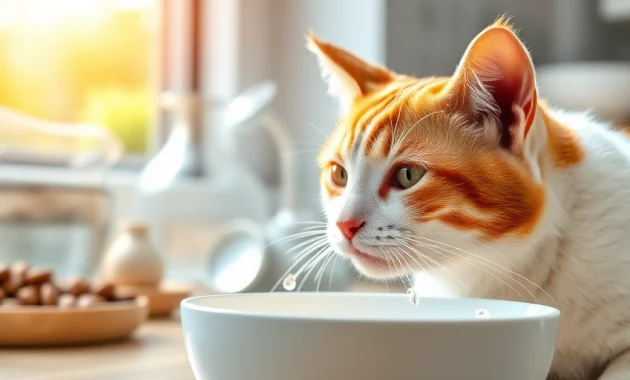
Most dedicated cat owners are obsessive about their cat's diet. We spend hours comparing labels, measuring caloric intake, and choosing between kibble and canned food. But when it comes to the "forgotten" nutrient—water—many of us are flying blind.
Monitoring your cat’s hydration isn't just about bowl-watching; it’s a vital tool for preventative health. Because cats are descended from desert-dwelling ancestors, they are biologically programmed to obtain much of their moisture from their prey. In our modern homes, this instinct can sometimes lead to dehydration, or conversely, a sudden change in drinking habits can be the only warning sign of an underlying medical issue.
This comprehensive guide will help you decode your cat’s hydration needs, understand the math behind the thirst, and provide actionable, veterinarian-approved strategies to ensure your feline friend is perfectly hydrated.
1. Why Is Water the Lifeblood of Your Cat?
Water isn't just "liquid filler." It is a fundamental component of every cellular reaction within your cat’s body. Without adequate hydration, the following systems begin to struggle:
-
Internal Climate Control: Water is essential for moisturizing air as it enters the body through the nose and mouth, helping regulate internal temperature.
-
Surface Health: It maintains the elasticity of the skin and the health of the mucous membranes inside the mouth, nose, and digestive tract.
-
The Transport System: Blood is largely composed of water. It acts as the highway for nutrients, oxygen, and hormones, while simultaneously flushing out metabolic waste products at the cellular level.
-
Digestion and Waste: Water is a key ingredient in feces and urine, ensuring that the body can effectively remove toxins.
-
Biochemical Balance: Virtually every chemical reaction required to sustain life occurs in a water-based environment.
2. The Math of Hydration: How Much Is Enough?
If you want to track your cat’s intake, you need a baseline. While every cat is unique, veterinary science provides a clear standard for "normal" water consumption.
The Golden Rule
On average, a healthy adult cat should consume:
60ml of fresh water per 1 kilogram (kg) of body weight per day.
Or, in Imperial units: 1 fluid ounce of water per 1 pound (lb) of body weight.
Quick Reference Table: Daily Baseline Intake
| Cat Weight (kg) | Cat Weight (lb) | Daily Water Baseline (ml/fl oz) |
| 3 kg | 6.6 lbs | 180 ml / 6.6 fl oz |
| 4 kg | 9 lbs | 240 ml / 9 fl oz |
| 5 kg | 11 lbs | 300 ml / 11 fl oz |
| 6 kg | 13 lbs | 360 ml / 13 fl oz |
3. The "Food" Factor: Wet vs. Dry
Before you worry that your cat isn't drinking enough from the bowl, look at their food bowl.
The numbers above are primarily applicable to cats eating dry food (kibble). If your cat eats wet food (tinned or sachets), the calculation changes entirely. Wet food is typically over 80% water. A cat on a wet food diet is "drinking" significant amounts of water with every meal. It is perfectly normal for these cats to show little to no interest in their water bowl.
4. When to Worry: The 100ml Warning Sign
The most important reason to measure water intake is not to force your cat to drink more, but to catch illness early.
If a healthy cat starts drinking more than 100ml per kilogram (kg) of body weight, it is a medical red flag. For a 4kg cat, this means they shouldn't be drinking more than 400ml per day.
If your cat is consistently drinking more than this limit, it is often an early indicator of:
-
Kidney Disease: A common issue in senior cats.
-
Diabetes: Which causes increased thirst and urination.
-
Hyperthyroidism: An overactive thyroid gland.
Action Plan: If you notice a sudden, sustained increase in your cat's thirst (a condition called polydipsia), it is time to schedule a check-up with your local veterinarian. Measuring the water in the bowl daily is the best way to provide your vet with concrete data.
5. How to Track Your Cat's Water Consumption
You don't need a lab to track this. The "Fill and Measure" method is simple and effective:
-
Set a Standard: Fill your cat's water bowl to a specific, marked level (or measure exactly how much water you pour in).
-
The 24-Hour Check: 24 hours later, measure what is left. The difference is the amount consumed.
-
The "Multiple Cat" Challenge: If you have multiple cats, this method is difficult. If you suspect one of your cats is drinking too much, you may need to temporarily isolate them to get an accurate reading, or invest in a smart bowl that uses microchip recognition to track individual intake.
6. How to Encourage Your Cat to Drink More
If your veterinarian has confirmed your cat is healthy but you still want to boost their hydration, consider these environmental and behavioral tweaks.
The Diet Strategy (Most Effective)
The simplest, most effective way to ensure hydration is to transition your cat to a moist diet. The higher the moisture content in their food, the less they need to rely on the water bowl.
Environmental Hacks
-
Multiple Water Sources: Cats are social, but they don't always like to share. In multi-cat households, one cat may "gatekeep" the water bowl, intimidating others into avoiding it. Place bowls in different rooms to provide options.
-
Location Matters: Cats are sensitive to stress. Do not place water bowls next to a busy litter box, in a high-traffic hallway, or near a window where they might feel threatened by the neighbor’s cat staring in.
-
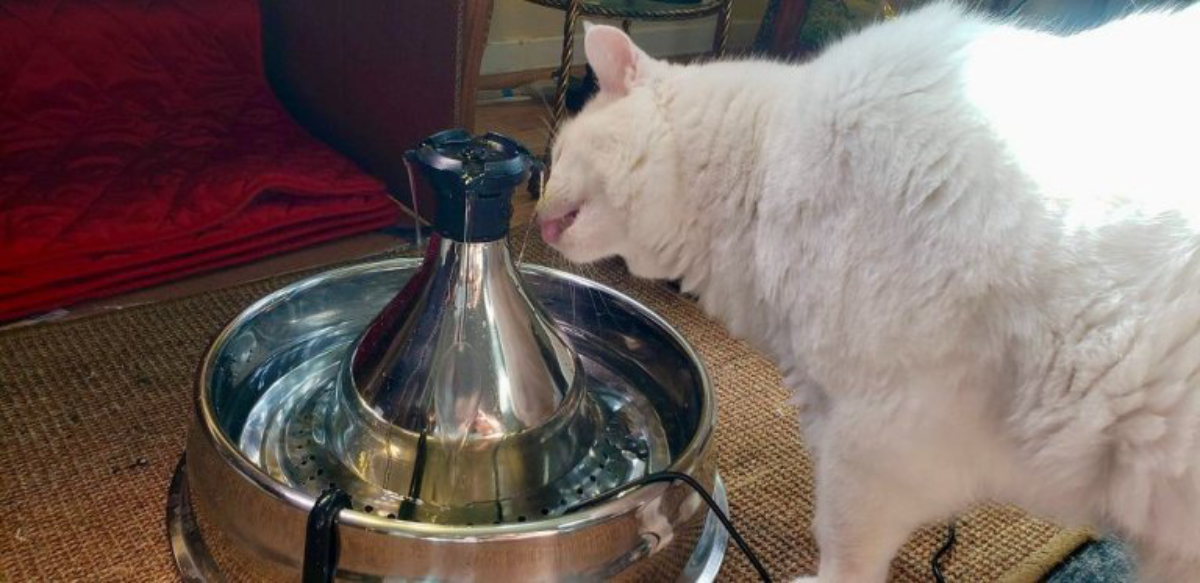
The "Moving Water" Myth: Some cats prefer cat water fountains because they like running water. While studies have not definitively proven that fountains increase total volume intake, they certainly make water more "interesting" and accessible for some picky drinkers.
-
Improve the Quality:
-
Chlorine Removal: Cats have sensitive noses. If your tap water is heavily chlorinated, let it sit overnight to allow the chlorine to evaporate, or boil it for 15 minutes.
-
Temperature: In the heat of summer, an ice cube dropped in the bowl can cool the water, making it more refreshing and enticing.
-
-
Pheromones: Feline-specific pheromone diffusers placed near water stations can help create a more relaxing environment, potentially encouraging the cat to linger longer near the water source.
Conclusion: Trust the Biology
It is very rare for a healthy cat to "forget" to drink water. If they are eating a moist diet, they are likely receiving adequate hydration even if they never touch their water bowl.
However, your vigilance as an owner is a superpower. By recording your cat's consumption—even if you just do it for a few days to get a baseline—you become an active participant in their preventative health. If you see a consistent, upward trend in their thirst, don't wait. Use that data to start a conversation with your vet. A little bit of measurement today could save you (and your cat) a lot of stress tomorrow.
FAQ
1. How much water should a healthy cat drink every day?
A healthy adult cat generally requires about 60 ml of water per kilogram (kg) of body weight per day (approximately 1 fluid ounce per pound). For example, a 4 kg (9 lb) cat should consume around 240 ml of water daily. This includes water obtained from both drinking and moisture-rich food.
2. Does wet food count toward my cat's daily water intake?
Yes. Wet cat food contains approximately 75–85% moisture, making it an excellent source of hydration. Cats that primarily eat canned or pouch food often drink much less water from their bowls because they receive a significant portion of their daily fluid requirements from their meals.
3. Why doesn't my cat drink much water?
Cats naturally have a low thirst drive because their wild ancestors obtained most of their hydration from prey. If your cat eats mostly wet food and shows no signs of illness, drinking very little water from the bowl is often completely normal.
4. How can I tell if my cat is dehydrated?
Common signs of dehydration include:
- Dry or sticky gums
- Sunken eyes
- Lethargy
- Loss of appetite
- Reduced skin elasticity
- Panting
- Constipation
If you suspect moderate or severe dehydration, contact your veterinarian immediately.
5. What is the skin tent test?
The skin tent test is a simple way to evaluate hydration.
Gently lift the skin over your cat's shoulders and release it.
- Returns immediately: Normal hydration.
- Returns slowly: Possible dehydration.
- Remains tented: Severe dehydration requiring immediate veterinary care.
This test is less reliable in senior or overweight cats, so it should not replace a veterinary examination.
6. Why is my cat suddenly drinking much more water than usual?
A sudden increase in thirst (polydipsia) may indicate serious medical conditions such as:
- Chronic kidney disease
- Diabetes mellitus
- Hyperthyroidism
- Urinary tract disorders
- Certain medications
If your cat consistently drinks more than 100 ml per kg of body weight daily, schedule a veterinary examination.
7. Is excessive drinking always a sign of illness?
Not necessarily. Increased water intake can also occur due to:
- Hot weather
- Increased exercise
- Dry kibble diets
- Pregnancy or nursing
- Certain medications
However, persistent excessive thirst should never be ignored.
8. How can I accurately measure my cat's daily water intake?
The easiest method is:
- Measure the exact amount of water placed in the bowl.
- Refill only after 24 hours.
- Measure the remaining water.
- Subtract the remainder from the starting amount.
For households with multiple cats, consider separating them temporarily or using smart water bowls with microchip identification.
9. Is tap water safe for cats?
In most locations, yes. However, if your tap water contains noticeable chlorine or has a strong odor, filtered or cooled boiled water may encourage better drinking habits. Always ensure fresh, clean water is available.
10. Do cats prefer running water?
Many cats are naturally attracted to moving water because it may appear fresher than stagnant water. Cat water fountains can encourage some cats to drink more, although individual preferences vary.
11. Should water bowls be placed next to food?
Some cats prefer separate locations for food and water. In nature, water sources are usually away from prey, so placing the water bowl a short distance from food may encourage drinking.
12. Where is the best place to put a cat's water bowl?
Choose a quiet, low-stress location away from:
- Litter boxes
- Noisy appliances
- Busy hallways
- Areas where other pets may intimidate your cat
Providing multiple water stations throughout your home is especially helpful in multi-cat households.
13. What type of bowl is best for cats?
Many cats prefer:
- Wide, shallow bowls
- Stainless steel or ceramic materials
- Bowls cleaned daily
Wide bowls help prevent whisker fatigue, making drinking more comfortable.
14. Can dehydration become life-threatening?
Yes. Severe dehydration affects blood circulation, kidney function, electrolyte balance, and organ health. Without prompt treatment, dehydration can quickly become life-threatening, especially in kittens, elderly cats, and cats with chronic illnesses.
15. How can I encourage my cat to drink more water?
Helpful strategies include:
- Feeding more wet food
- Using a pet water fountain
- Offering multiple water bowls
- Refreshing water daily
- Using ceramic or stainless-steel bowls
- Adding a small amount of tuna water (unsalted) occasionally
- Keeping bowls away from litter boxes
- Serving cool, fresh water during hot weather
16. Why is hydration especially important for senior cats?
Older cats are more susceptible to kidney disease and dehydration due to age-related physiological changes. Monitoring their daily water intake helps detect health problems earlier and supports long-term kidney health.
17. Can cats drink milk instead of water?
No. Most adult cats are lactose intolerant. Milk can cause digestive upset, diarrhea, and stomach discomfort. Fresh, clean water should always remain the primary source of hydration.
18. When should I contact a veterinarian about my cat's drinking habits?
Seek veterinary advice if your cat:
- Drinks significantly more or less than usual.
- Stops drinking altogether.
- Shows signs of dehydration.
- Experiences vomiting or diarrhea.
- Has increased urination.
- Loses weight despite increased appetite.
- Appears lethargic or weak.
Changes in drinking behavior are often among the earliest signs of underlying disease.