The Complete Guide to Feline Anal Glands: Anatomy, Pathophysiology, Manual Expression, and Preventative Care
5 hours ago
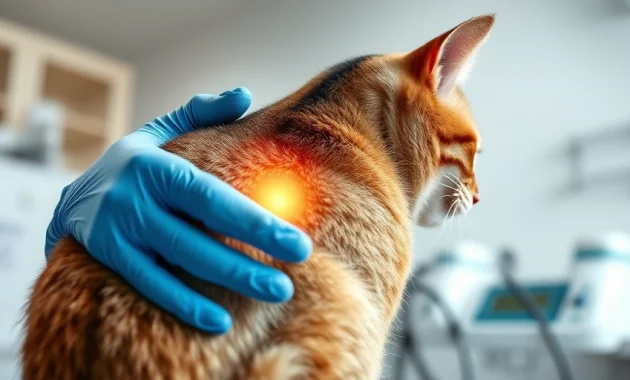
While feline anal glands are rarely a favorite topic of conversation among cat parents, they play a critical role in territorial communication and localized anatomy. When operating normally, these small glandular structures function automatically without human intervention. However, when the natural expression mechanism fails, affected cats face significant pain, localized tissue inflammation, and severe secondary infections.
Understanding how anal glands function—alongside the subtle behavioral signals indicating impaction—empowers cat owners to intervene before minor blockages progress to painful abscesses or skin ruptures.
This comprehensive guide explores feline anal sac anatomy, identifies early warning signs of disease, provides a step-by-step home expression protocol, outlines clinical treatments, and details dietary strategies to promote natural elimination.
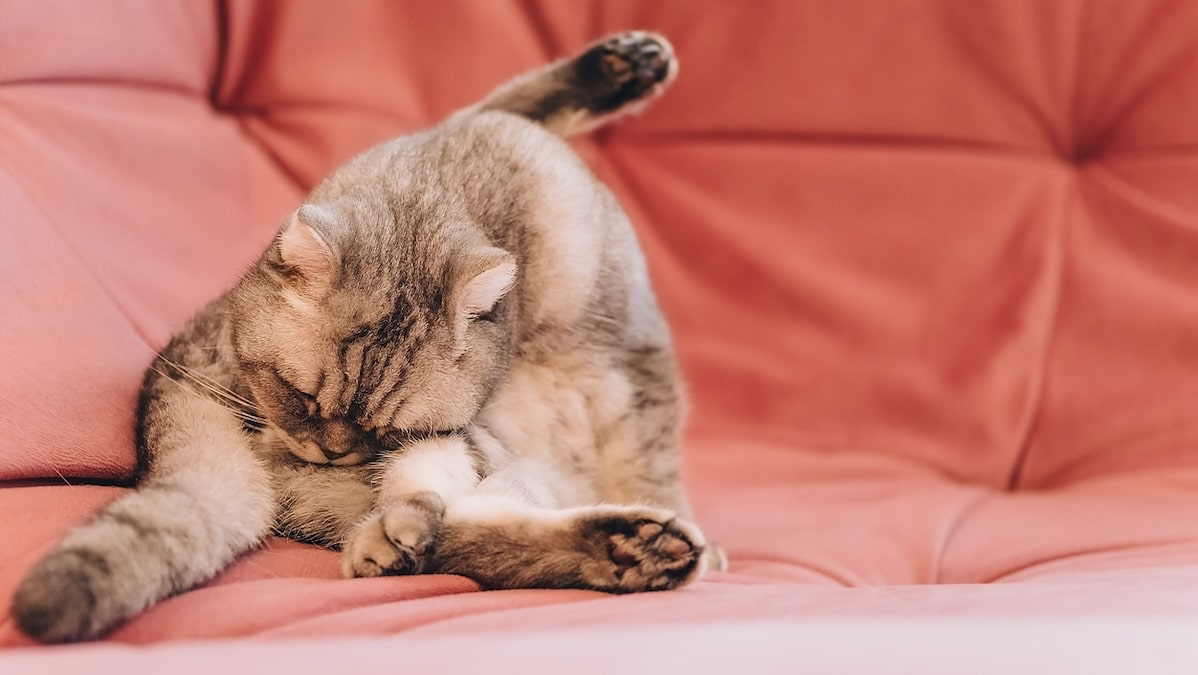
Anatomy and Physiology of Feline Anal Sacs
To understand why anal gland impactions occur, one must first examine the anatomical placement and natural mechanics of the feline excretory system.
Anatomical Location & Expression Mechanics:
┌─────────────────────────────────────────────────────────────┐
│ ANATOMICAL POSITIONING                                      │
│ Two paired cutaneous sacs situated deep to the sphincter    │
│ muscles at the 4 o'clock and 8 o'clock positions.           │
└──────────────────────────────┬──────────────────────────────┘
                               │
                               ▼
┌─────────────────────────────────────────────────────────────┐
│ SECRETION COMPOSITION                                       │
│ Oily, pungent fluid rich in short-chain fatty acids,        │
│ trimethylamine, and volatile organic olfactory markers.     │
└──────────────────────────────┬──────────────────────────────┘
                               │
                               ▼
┌─────────────────────────────────────────────────────────────┐
│ NATURAL MECHANICAL EXPRESSION                               │
│ Passage of firm, bulky stool compresses the sacs against    │
│ internal sphincter, evacuating fluid via tiny ducts.        │
└──────────────────────────────┘
1. Spatial Orientation and Structure
Feline anal glands (botanically and anatomically referred to as anal sacs) are two small, pouch-like cutaneous structures located beneath the skin on either side of the anal opening.
-
Clock-Face Orientation: Viewed from the rear, the sacs reside at roughly the 4 o'clock and 8 o'clock positions relative to the anus.
-
Duct Anatomy: Each sac connects to the exterior anal margin via a narrow micro-duct. These tiny ducts allow fluid to escape when pressure is applied.
-
Secretory Function: The inner lining of each sac contains specialized sebaceous and apocrine glands that continuously produce an oily, foul-smelling, dark fluid.
2. The Mechanics of Natural Expression
Unlike skunks—which possess specialized musculature to voluntarily spray glandular secretions over distances—cats lost the ability to voluntarily empty their anal sacs through evolutionary adaptation.
Instead, domestic cats rely entirely on mechanical compression:
When a healthy cat passes a well-formed, solid stool, the physical mass of the feces expands the anal canal. This expansion compresses the anal sacs against the surrounding external anal sphincter muscle, forcing a small amount of fluid out through the micro-ducts onto the trailing surface of the stool. This serves as an olfactory "calling card" for territorial marking.
Recognizing Signs of Impaction and Disease
When a cat experiences soft stools, chronic diarrhea, obesity, or narrow duct anatomy, the natural compression mechanism fails. Fluid accumulates within the sac, turns viscous, and leads to progressive disease stages.
Progression of Anal Sac Disease:
├── Stage 1: Impaction ➔ Fluid thickens into paste; ducts become blocked.
├── Stage 2: Sacculitis ➔ Bacterial overgrowth triggers severe inflammation & pain.
├── Stage 3: Abscessation ➔ Pus builds up, causing extreme tissue pressure & fever.
└── Stage 4: Rupture    ➔ Tissue breaks down, creating open bloody sores near the anus.
Key Clinical Indicators
| Behavioral / Physical Sign | Biological Cause | Clinical Significance |
| Butt Scooting | Localized pruritus (itching) and pressure | Cat drags rear across carpet to force fluid out or relieve itchiness. |
| Excessive Perianal Grooming | Pain, inflammation, or leaking fluid | Cat repeatedly licks tail base or anus, often causing localized hair loss. |
| Foul, Fishy Scent | Leaking, infected glandular secretions | Indicates duct insufficiency or chronic bacterial overgrowth (sacculitis). |
| Painful Defecation / Vocalization | Pressure on inflamed nerve endings | Cat strains (tenesmus), cries out, or avoids the litter box entirely. |
| Palpable Firm Masses | Hardened, desiccated fluid accumulation | Pea-to-grape-sized hard lumps felt beneath the skin at 4 and 8 o'clock. |
| Open Sores or Drainage | Ruptured cutaneous abscess | Skin sloughs off, draining bloody pus; requires immediate veterinary intervention. |
Step-by-Step Home Manual Expression Protocol
If your cat is prone to mild impactions without active infection, your veterinarian may instruct you on how to perform routine external manual expression at home.
⚠️ Warning: If you suspect an active infection, abscess, or skin rupture, do not attempt manual expression at home. Pressing on an infected or abscessed sac can cause severe pain or rupture the sac internally.
Home Expression Preparation Checklist:
├── Required Materials: Disposable nitrile gloves, water-soluble lubricant, damp paper towels.
├── Location Setup: Bathtub or tiled bathroom floor (easy cleanup).
└── Human Resources: Two adults required (one holder, one operator).
Step-by-Step Execution Guide
-
Secure Assistance and Location: Position your cat on a clean, washable surface (such as a shower stall or bathroom counter). Have your assistant hold the cat firmly around the shoulders and forelegs while offering calm re-assurance or liquid treats.
-
Apply Personal Protective Equipment: Don clean disposable gloves and apply a drop of water-soluble lubricant to your thumb and index finger.
-
Locate the Sacs: Lift the tail gently upward. Place your thumb at the 4 o'clock position and index finger at the 8 o'clock position, roughly half an inch outward from the anal margin. You will feel two distinct, soft-to-firm pea-sized structures beneath the skin.
-
Apply Upward and Inward Pressure: Place a damp paper towel loosely over the anus to catch discharge. Gently press inward toward the spine, then compress your fingers toward each other while pushing slightly upward toward the anal opening.
-
Cleanse the Perianal Region: Once the fluid evacuates onto the paper towel, wipe the perianal area thoroughly using cat-safe wet wipes or warm water.
-
Inspect the Discharge: Healthy fluid is clear-to-brownish and liquid. If you observe thick paste, yellow/green pus, or blood, contact your veterinarian immediately.
Veterinary Interventions and Complications
When home care is insufficient or when anal sac disease advances beyond simple impaction, professional veterinary treatment is required.
Veterinary Diagnostic & Surgical Flowchart:
┌─────────────────────────────────────────────────────────────┐
│ 1. Digital Internal Examination                             │
│    - Vet palpates sacs internally via rectum to check size. │
└──────────────────────────────┬──────────────────────────────┘
                               │
                               ▼
┌─────────────────────────────────────────────────────────────┐
│ 2. Therapeutic Flushing & Cannulation                       │
│    - Softening agents infused directly into duct to clear.  │
└──────────────────────────────┬──────────────────────────────┘
                               │
                               ▼
┌─────────────────────────────────────────────────────────────┐
│ 3. Surgical Debridement & Antibiotic Therapy                │
│    - Abscesses lanced; systemic antibiotics prescribed.     │
└──────────────────────────────┬──────────────────────────────┘
                               │
                               ▼
┌─────────────────────────────────────────────────────────────┐
│ 4. Anal Sacculectomy (Refractory Cases)                     │
│    - Complete surgical removal of both anal sacs.           │
└──────────────────────────────┘
Advanced Clinical Procedures
-
Infusion and Cannulation: For severely hardened, desiccated fluid, the veterinarian inserts a blunt-tipped micro-cannula into the duct opening to flush the sac with sterile saline and introduce combination antibiotic/steroid ointments directly into the cavity.
-
Abscess Management: Ruptured or severely infected sacs require sedation, surgical lancing, necrotic tissue removal, and systemic pain management alongside broad-spectrum antibiotic therapy.
-
Anal Sacculectomy: In cases of chronic, recurring sacculitis, non-responsive impactions, or adenocarcinoma (cancerous tumors of the anal sac), surgeons perform an anal sacculectomy to permanently remove the structures. While highly effective, delicate nerves controlling fecal balance run adjacent to the sacs, carrying a minor risk of temporary post-operative fecal incontinence.
Long-Term Prevention and Dietary Management
The most effective way to eliminate the need for manual anal gland expression is addressing the root causes of soft stool and systemic inflammation.
Preventative Gastroenterology Framework:
├── Soluble & Insoluble Fiber ➔ Adds physical bulk to firm up feces (Psyllium, Pumpkin).
├── Probiotic Supplementation  ➔ Stabilizes gut microbiome to eliminate chronic diarrhea.
├── Weight Management          ➔ Reduces perianal fat pads obstructing natural ducts.
└── Food Intolerance Screening ➔ Eliminates dietary allergens driving GI inflammation.
Dietary Strategies for Firm Stool
-
Incorporate Targeted Fiber Sources: Adding small amounts of unseasoned canned pumpkin purée or veterinary psyllium husk powder increases stool bulk, restoring the mechanical pressure required for self-expression.
-
Support Gut Microbiome Health: Chronic loose stools often stem from bacterial dysbiosis in the large intestine. Daily administration of species-specific feline probiotics promotes firm, well-formed stool production.
-
Manage Body Condition Score (BCS): Overweight or obese cats often develop excessive perianal fat deposits that compress the micro-ducts externally, preventing normal fluid evacuation even when stool consistency is ideal. Maintaining a lean body weight reduces external duct compression.
Conclusion and Summary
Feline anal gland health depends on a functional balance between gastrointestinal physiology and mechanical anatomy. While impactions and infections can cause significant discomfort, early recognition of behavioral signs—such as scooting or excessive grooming—allows cat owners and veterinarians to resolve blockages before complications arise.
By prioritizing high-fiber nutrition, maintaining optimal weight, and seeking timely veterinary care for chronic soft stools, pet parents can ensure their cats maintain healthy, trouble-free elimination naturally.
Anal Gland Care Summary
| Management Focus | Recommended Action |
| Observation | Monitor perianal grooming habits and litter box posture daily. |
| Dietary Adjustment | Introduce fiber supplements (psyllium/pumpkin) under vet guidance to firm stool. |
| Home Maintenance | Perform external expression only if trained by a veterinarian and no infection exists. |
| Medical Emergency | Seek immediate vet care if blood, pus, swelling, or open skin sores are present. |
Frequently Asked Questions (FAQ)
1. Do healthy cats normally need their anal glands expressed?
No. In most healthy cats, the anal sacs empty naturally during defecation. As firm stool passes through the anal canal, it compresses the sacs and expels a small amount of glandular fluid. Routine manual expression is generally unnecessary unless your veterinarian identifies a recurring medical problem.
2. What exactly are feline anal glands?
Feline anal glands, also called anal sacs, are two small scent glands located just beneath the skin at approximately the 4 o'clock and 8 o'clock positions around the anus. They produce a strong-smelling oily secretion used for scent marking, territorial communication, and individual identification between cats.
3. Why do anal glands become impacted?
Impaction occurs when the glandular secretions become too thick or when the tiny ducts become blocked. Common contributing factors include:
- Chronic diarrhea or consistently soft stools
- Obesity
- Poor muscle tone around the anus
- Allergies causing inflammation
- Congenitally narrow gland ducts
- Previous anal gland infections
Without normal emptying, the fluid thickens, eventually leading to inflammation or infection.
4. How can I tell if my cat has an anal gland problem?
Common warning signs include:
- Scooting across the floor
- Excessive licking under the tail
- Strong fishy odor
- Swelling beside the anus
- Pain while defecating
- Crying in the litter box
- Bloody or pus-filled discharge
- Reluctance to sit
- Irritability when the rear end is touched
If these symptoms appear, a veterinary examination is recommended.
5. Is scooting always caused by anal glands?
No. Although anal gland impaction is a common cause, scooting may also result from:
- Fleas
- Intestinal parasites
- Allergic dermatitis
- Rectal irritation
- Constipation
- Perianal tumors
- Foreign material stuck around the anus
Only a veterinary examination can determine the exact cause.
6. Can I express my cat's anal glands at home?
Only if your veterinarian has specifically instructed you how to perform the procedure.
Improper expression may:
- Cause severe pain
- Damage the anal sac
- Push infected material deeper into tissue
- Rupture an abscess
- Increase inflammation
If swelling, blood, pus, or fever is present, never attempt home expression.
7. How often should anal glands be expressed?
Healthy cats generally require no routine expression.
Cats with chronic impactions may require expression every:
- 4 weeks
- 6 weeks
- 8 weeks
The appropriate schedule depends entirely on your veterinarian's recommendations.
8. What does normal anal gland fluid look like?
Healthy secretions are typically:
- Light yellow
- Brown
- Tan
- Thin and oily
They usually have a very strong fishy odor.
Abnormal discharge includes:
- Thick toothpaste-like material
- Green pus
- Bright red blood
- Black discharge
- Extremely foul-smelling fluid
These abnormalities require veterinary attention.
9. What causes anal gland infections?
Bacteria naturally present on the skin and around the anus can enter blocked glands. Common bacteria include:
- Escherichia coli
- Staphylococcus species
- Streptococcus species
- Mixed anaerobic bacteria
As infection progresses, pressure builds until an abscess forms.
10. What happens if an anal gland abscess bursts?
A ruptured abscess creates an open wound beside the anus that often drains:
- Blood
- Thick pus
- Foul-smelling fluid
Although pressure decreases after rupture, the infection remains. Veterinary treatment is still necessary to clean the wound, prescribe antibiotics, and prevent recurrence.
11. Are anal gland problems common in kittens?
No. Anal gland disease is much more common in adult and senior cats.
When kittens develop anal gland problems, veterinarians often investigate underlying issues such as:
- Chronic diarrhea
- Food intolerance
- Congenital abnormalities
- Intestinal parasites
12. Can diet help prevent anal gland problems?
Yes. Diet plays a major role in stool quality.
Veterinarians commonly recommend:
- High-quality complete diets
- Adequate dietary fiber
- Proper hydration
- Veterinary-approved probiotics
- Weight management
Firm, bulky stools naturally compress the anal sacs during defecation.
13. Is pumpkin good for anal gland health?
Plain canned pumpkin (without sugar or spices) can provide soluble fiber that helps firm stool in some cats.
However:
- Not every cat benefits.
- Excess fiber can worsen digestive issues.
- Always consult your veterinarian before adding supplements.
14. Can obesity contribute to anal gland disease?
Yes.
Excess fat surrounding the rectum may interfere with normal gland compression, making natural expression less effective.
Maintaining a healthy body condition helps reduce recurrence.
15. What happens during a veterinary anal gland examination?
Your veterinarian may:
- Examine the perianal region
- Perform a rectal examination
- Palpate both anal sacs
- Express impacted glands
- Evaluate the fluid
- Flush infected sacs if necessary
- Prescribe medication
- Recommend surgery for chronic cases
Most uncomplicated procedures require only a few minutes.
16. Will antibiotics alone cure an infected anal gland?
Usually not.
If an abscess has formed, the infected material must generally be drained before antibiotics can work effectively.
Treatment often includes:
- Manual expression or flushing
- Drainage
- Pain medication
- Antibiotics
- Follow-up evaluation
17. What is an anal sacculectomy?
An anal sacculectomy is the surgical removal of one or both anal sacs.
It is typically recommended for:
- Chronic recurring impactions
- Repeated infections
- Anal sac tumors
- Severe scar tissue
- Cases that fail conservative treatment
Most cats recover well after surgery when performed by an experienced veterinarian.
18. Is anal gland surgery safe?
Yes. Anal sacculectomy is generally considered safe when performed by an experienced veterinary surgeon.
Potential complications include:
- Temporary swelling
- Infection
- Delayed wound healing
- Rare temporary fecal incontinence
- Very rare permanent nerve damage
Overall success rates are high.
19. How can I reduce the risk of future anal gland problems?
Preventive measures include:
- Feeding a balanced, high-quality diet
- Maintaining firm stool consistency
- Keeping your cat at a healthy weight
- Treating chronic diarrhea promptly
- Using probiotics when recommended
- Scheduling veterinary rechecks if your cat has a history of impactions
20. When should I seek emergency veterinary care?
Seek immediate veterinary attention if your cat develops:
- Bleeding around the anus
- Pus drainage
- Large painful swelling
- Fever
- Refusal to eat
- Lethargy
- Severe pain while defecating
- A ruptured wound beside the anus
- Continuous crying or straining
Prompt treatment prevents abscesses from progressing into more serious infections.