Decoding Feline Boredom: The Hidden Epidemic of Under-Stimulated Indoor Cats—Clinical Signs, Neurobiology, and the Ultimate Environmental Enrichment Blueprint
2 months ago
For decades, the domestic cat (Felis catus) has been widely marketed as the ultimate low-maintenance pet. Unlike dogs, which require daily walks, intensive behavioral training, and constant outdoor validation, cats are frequently perceived as self-sufficient homebodies. The conventional, deeply flawed narrative suggests that as long as a cat is provided with a clean litter box, a bowl of commercial kibble, and a soft patch of sunlight on the rug, their physiological and psychological needs are fully met.
In the realm of modern veterinary behavior and feline medicine, this simplistic assumption has been thoroughly debunked.
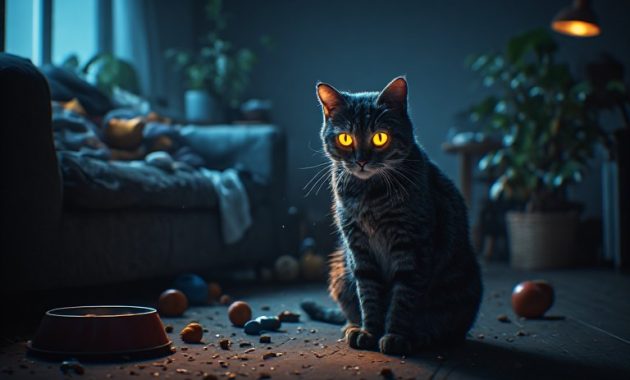
Cats have not lost their ancestral drive. Beneath their soft fur and gentle purrs lies an obligate carnivore whose biological, neurological, and behavioral machinery is finely tuned for survival, territorial maintenance, and intense predatory sequences. When these highly active, instinctual systems are confined within a static, unchanging, and silent indoor environment, the result is a quiet crisis: feline boredom, medically categorized as chronic under-stimulation and environmental deprivation.
                  THE INVISIBLE PROGRESSION OF ENVIRONMENTAL DEPRIVATION
 ┌──────────────────────┐      ┌──────────────────────┐      ┌──────────────────────┐
 │   Monotonous Home    │ ───► │  Chronic Boredom     │ ───► │ Neurochemical Shift  │
 │ Lack of predatory    │      │ Neuroplastic changes │      │ Elevated cortisol,   │
 │ outlets or novelty.  │      │ and sensory apathy.  │      │ suppressed dopamine. │
 └──────────────────────┘      └──────────────────────┘      └──────────────────────┘
                                                                        │
                                                                        ▼
 ┌──────────────────────┐      ┌──────────────────────┐      ┌──────────────────────┐
 │ Manifested Pathology │ ───► │  Somatic Illness     │ ───► │ Severe Behavioral    │
 │ Hair loss, obesity,  │      │ FLUTD, cystitis,     │      │ Destructive habits,  │
 │ skin lesions.        │      │ metabolic decline.   │      │ chronic aggression.  │
 └──────────────────────┘      └──────────────────────┘      └──────────────────────┘
Chronic boredom in cats is not just a passing state of mild annoyance; it is a dangerous psychological condition that reshapes brain chemistry, suppresses the immune system, and directly triggers severe behavioral disorders and physical illnesses. For indoor cats, who cannot simply walk out the front door to seek excitement, boredom is a cage within a cage.
This comprehensive, human-authored guide explores the world of feline behavioral science. We will analyze the hidden neurobiology of a under-stimulated cat, break down the 9 critical warning signs of chronic boredom, expose the medical risks of ignoring these signals, and provide an actionable roadmap for creating a rich, multi-dimensional indoor habitat that helps your cat truly thrive.
The Evolutionary Psychology and Neurobiology of Feline Under-Stimulation
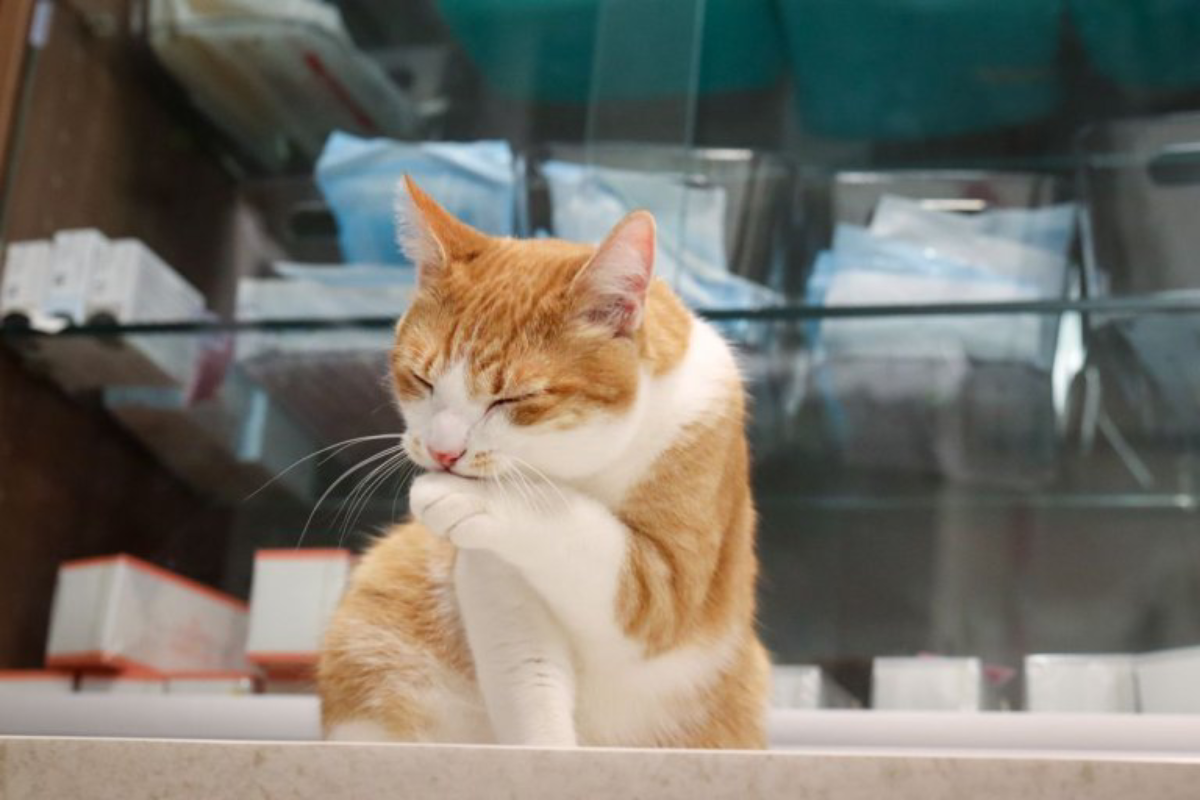
To truly understand why an unchanging indoor environment can be so damaging to a cat's mental health, we must first look at the evolutionary history of the species. The modern domestic cat shares nearly 96% of its genetic architecture with its wild ancestor, the African wildcat (Felis lybica).
The Master of the Solitary Hunting Domain
In their natural habitat, solitary felids spend up to 40% to 50% of their daily energy budget actively patrolling expansive territories, marking boundaries, defending hunting grounds, and executing intricate stalking maneuvers. A wild cat's survival depends on their ability to solve complex spatial puzzles, read minute changes in scent profiles, and time their strikes perfectly against agile prey.
The feline brain is designed to process an immense, constantly shifting stream of sensory information. Their visual system is optimized to catch the tiniest, high-speed movements in low light; their auditory system can detect the high-frequency ultrasonic squeaks of rodents; and their olfactory system is thousands of times more sensitive than our own.
                  THE FELINE INTRA-ORAL & TRACKING APPRAISAL
 ┌───────────────────────────────────────────────────────────────────────┐
 │ TACTILE SENSORS    - Vibrissae (whiskers) map micro-currents of air. │
 ├───────────────────────────────────────────────────────────────────────┤
 │ VOMERONASAL ORGAN  - Pheromone processing zone (The Flehmen Response).│
 ├───────────────────────────────────────────────────────────────────────┤
 │ AUDITORY SPECTRUM  - Captures ultrasonic frequencies up to $64,000\text{ Hz}$.│
 └───────────────────────────────────────────────────────────────────────┘
When this sensory machinery is placed in a typical modern home where the air conditioning keeps the temperature perfectly flat, the furniture never moves, the blinds are drawn, and food appears effortlessly in a plastic bowl, the cat experiences a profound state of sensory mismatch.
The Neurochemical Mechanics of Apathy
From a neurological standpoint, learning, exploring, and successfully catching prey stimulate the brain's mesolimbic dopamine pathway—the core circuit responsible for reward, motivation, and pleasure. When a cat stalks a toy or tracks a scent, dopamine surges through their brain, reinforcing curiosity and keeping their cognitive faculties sharp.
In a state of chronic under-stimulation, this dopamine loop falls silent. Without positive mental challenges, the brain attempts to adapt to the lack of stimuli by down-regulating its receptors, leading to an emotional state akin to clinical depression and learned helplessness in humans.
At the same time, the frustration of being unable to express natural behaviors triggers the constant release of cortisol and adrenocorticotropic hormone (ACTH) from the adrenal glands. This long-term elevation of stress hormones alters brain structure over time, rendering the cat hyper-reactive, emotionally fragile, and physically vulnerable to disease.
Deep Dive Matrix—The 9 Critical Warning Signs of Feline Boredom
Because cats are master survivalists, they rarely display emotional distress in obvious, dramatic ways. Instead, their frustration ripples out into subtle shifts in behavior, routine, and self-care.
Recognizing these 9 diagnostic red flags allows you to intervene before chronic boredom damages your cat's mental and physical health.
                       DIFFERENTIAL DIAGNOSIS SPECTRUM
  Behavioral Shift          Primary Boredom Mechanism          Medical Mimics to Rule Out
  ────────────────────────────────────────────────────────────────────────────────────────
  Excessive Meowing    ──►  Attention seeking / Frustration──► Hyperthyroidism, Cognitive Decline
  Targeted Chewing     ──►  Oral stimulation / Energy outlet──► Pica, Dental Disease, GI Blockage
  Compulsive Licking   ──►  Displacement behavior / Stress ──► Flea Allergies, Atopic Dermatitis
Red Flag 1: Excessive, Repetitive, and Unseasonal Vocalization
In the wild, adult cats do not meow to communicate with one another; they rely on complex pheromone trails, body posture, and low vocal growls or hisses. The meow is a specialized behavior developed almost exclusively to interact with humans, acting as an intentional acoustic signal to get our attention.
When an indoor cat begins to vocalize excessively—often characterized by long, drawn-out, repetitive meows or low wails in the middle of hallways—they are frequently trying to break up the monotony of their day.
The Behavioral Reinforcement Loop
The cat quickly discovers that a sharp, persistent cry breaks the quiet of the house and forces their human to react. Whether you look up from your laptop, talk to them, or walk to the kitchen to offer a treat just to quiet them down, the cat views your reaction as a win.
They have successfully used vocalization to spark a change in their unchanging environment. Over time, this attention-seeking behavior can become deeply ingrained, escalating into stressful, loud crying spells that disrupt the peace of the household.
Red Flag 2: Destructive Habits and Targeted Scratching
Scratching is a vital, non-negotiable physical and emotional need for a cat. It serves several essential purposes: it sheds the dead outer layers of their claws, exercises the muscles of the forelimbs and spine, and deposits unique scent markings from the sweat glands located between their toe pads.
                 THE MECHANICS OF TARGETED DESTRUCTIVE HABITS
  [ Build-up of Frustration ] ───► [ High-Value Target Selected ] ───► [ Rapid Energy Release ]
  Accumulated energy with          Vertical drapes or plush            Vigorous shredding to
  no predatory outlet.             carpets chosen for texture.         soothe anxiety.
When a cat has access to appropriate scratching posts but suddenly begins destroying high-value household items—such as tearing up expensive rugs, shredding vertical curtains, or gouging the corners of your leather sofa—they are usually dealing with an overflow of trapped physical energy.
Without a moving toy to chase or an outdoor space to explore, the cat turns to the most physically satisfying activity available to them: tearing apart textures that offer resistance. This destructive behavior provides an intense muscular release that temporarily eases the anxiety and frustration of a boring environment.
Red Flag 3: Compulsive Overgrooming and Psychogenic Alopecia
Cats are naturally clean animals, dedicating a significant portion of their waking hours to maintaining their coats. However, when grooming crosses the line into a repetitive, compulsive fixation, it transitions into a psychological disorder known as psychogenic alopecia.
                     THE DISPLACEMENT GROOMING CASCADE
 ┌───────────────────────────┐      ┌───────────────────────────┐
 │   Environmental Stress    │ ───► │  Displacement Behavior    │
 │ Extreme lack of interest  │      │ Repetitive licking used   │
 │ and persistent boredom.   │      │ to self-soothe anxiety.   │
 └───────────────────────────┘      └───────────────────────────┘
                                                  │
                                                  ▼
 ┌───────────────────────────┐      ┌───────────────────────────┐
 │  Somatic Inflammation     │ ───► │    Psychogenic Alopecia   │
 │ Raw, bleeding hot spots   │      │ Hair completely stripped  │
 │ prone to skin infections. │      │ from belly and limbs.     │
 └───────────────────────────┘      └───────────────────────────┘
When a cat is trapped in a state of high frustration with no external outlets, their brain experiences an emotional logjam. To ease this internal tension, the cat resorts to a displacement behavior—a normal habit performed out of context to self-soothe.
Grooming triggers the release of natural endorphins in the feline brain, providing a temporary sense of calm and comfort. If the under-stimulation continues, the cat begins to lick, chew, and pull at their fur compulsively.
They will completely strip the hair away from their belly, inner thighs, and forelimbs, leaving behind distinct lines of hair loss and raw, inflamed skin patches (hot spots) that are highly vulnerable to secondary bacterial infections.
Red Flag 4: Displaced Aggression and Ambush Behaviors
A under-stimulated indoor cat lives with a predatory drive that is constantly revved up but has nowhere to go. They track the micro-movements of dust motes, listen to the footsteps of neighbors through the walls, and watch birds outside the glass, but they can never complete the physical sequence of stalking, pouncing, and capturing.
This chronic barrier frustration can easily boil over into displaced aggression.
You may notice your cat hiding behind door frames, kitchen counters, or stairwells, waiting to launch unexpected ambush attacks on your ankles, hands, or other family pets as they walk by. The cat isn't acting out of malice; their instincts are screaming at them to pounce on a moving target.
Without appropriate toys to absorb this high prey drive, humans and companion animals become the default targets for their pent-up hunting energy.
Red Flag 5: Apathy, Lethargy, and Cognitive Decline
While an anxious cat may lash out with aggression or destruction, an introverted cat often responds to a boring environment by retreating inward, slipping into a profound state of apathy and cognitive withdrawal.
                   THE SPEKTRUM OF BOUNCING TO APATHY
  Active Exploratory State         The Depressed Apathetic Retreat
  ────────────────────────────────────────────────────────────────────────
  • Tall tail carriage             • Slouched, tense body posture
  • Investigative sniffing         • Glazed, unblinking eye focus
  • Playful chattering             • Total withdrawal from family zones
This state of learned helplessness is one of the most tragic expressions of feline boredom because owners often misinterpret it as "good, quiet behavior." The cat stops exploring their home, ceases checking out new items brought into the house, and ignores invitations to interact.
They sit with a slouched body posture, their eyes glazed and unblinking, showing a total lack of interest in the world around them. This lack of mental engagement can accelerate brain aging and cognitive decline, especially in senior cats.
Red Flag 6: Food Obsession and Polyphagia
In a rich, natural environment, eating is the rewarding end-result of a long, physically demanding hunt. In a sterile indoor setting, eating is often stripped of its challenge, transforming into an effortless, mechanical event where food simply waits in a bowl.
When a home offers no other sources of dopamine-driven excitement, the cat can quickly develop an unhealthy fixation on their food bowl. Eating becomes their primary form of entertainment.
The cat will constantly beg for food, cry at the pantry door, and gorge themselves on kibble even when they aren't physiologically hungry. This boredom-driven overeating leads straight to rapid weight gain, shifting the cat into a dangerous cycle of metabolic decline.
Red Flag 7: Hypersomnia (Sleeping Away the Monotony)
It is completely normal for a healthy adult cat to sleep anywhere from 12 to 16 hours a day, a deep-seated evolutionary habit designed to conserve precious muscular energy for the intense physical demands of hunting. However, the key lies in what the cat chooses to do during their normal waking hours.
                      THE DIURNAL SLEEP HYPER-EXTENSION
  [ Normal Awake Active Zone ] ───► [ Sterile Environment Impact ] ───► [ Pathological Sleep ]
  4 to 6 hours of high              No tasks, changes, or targets       The cat sleeps up to 20+
  curiosity and movement.           available to engage interest.        hours a day out of apathy.
If your cat's sleep window creeps past 18 to 20+ hours a day, and they wake up only to trudge to the food bowl or litter box before immediately curled back up to sleep, they are likely using sleep as an emotional escape.
When an environment offers no changes, challenges, or targets to engage their mind, cats simply shut down their consciousness, choosing to sleep away the empty hours of the day out of sheer apathy.
Red Flag 8: Inappropriate Elimination (Litter Box Avoidance)
From a behavioral health standpoint, a cat's litter box habits serve as a direct reflection of their internal stress levels. When chronic boredom deepens into long-term stress, the cat's emotional instability often shows up as bathroom accidents around the home.
                   LITTER BOX AVOIDANCE DIAGNOSTIC MATRIX
  Urination Location            Psychological/Physical Target Profile
  ────────────────────────────────────────────────────────────────────────
  Center of the bed       ──► High-scent family zone; used to blend scents for security.
  Plush living room rug   ──► Anxiety-driven choice; soft texture eases elimination pain.
  Hard tile corners       ──► Territorial marking; driven by frustration and stress.
When a cat begins urinating or defecating on your bed, the living room rug, or near doorways, they are using their scent to cope with stress. By depositing their pheromones on high-value items, they create a familiar "scent wall" that helps them feel secure in an environment that is causing them frustration.
Before assuming an accident is purely behavioral, a comprehensive veterinary checkup is essential, as stress can trigger painful physical conditions like sterile bladder inflammation (Feline Idiopathic Cystitis).
Red Flag 9: Aimless Pacing and Restlessness
Healthy cat movement is always purposeful, whether they are patrolling a territory line, heading to a favorite resting spot, or stalking a target. In contrast, aimless pacing back and forth along hallways or around furniture is a clear sign of psychological distress.
This restless, repetitive pacing is often accompanied by wide, anxious eyes, twitching skin along the back (feline hyperesthesia), and erratic meowing. The cat is trapped in an emotional loop: their body is flooded with an urge to move and explore, but the physical boundaries of the home block them at every turn, leaving them pacing in circles as they try to process the stress.
The Somatic Cost How Chronic Boredom Manifests as Disease
Boredom in indoor cats is far more than a simple lifestyle concern; if left unaddressed, it can lead directly to chronic physical illnesses. The mind and body of a cat are intimately connected, and long-term psychological frustration can quickly manifest as systemic medical issues.
                      THE CLINICAL CONSEQUENCES OF BOREDOM
                                       │
        ┌──────────────────────────────┴──────────────────────────────┐
        ▼                                                             ▼
 [ Endocrine & Urinary Crisis ]                        [ Metabolic & Joint Decay ]
 • Cortisol breaks down protective bladder lining.     • Low movement leads to rapid obesity.
 • Triggers Feline Idiopathic Cystitis (FIC).          • Triggers type-2 diabetes & joint pain.
 • Dangerous risk of life-threatening blockages.       • Accelerates hepatic lipidosis risks.
1. Feline Idiopathic Cystitis (FIC) and Urinary Crises
One of the most immediate and dangerous medical consequences of chronic stress and boredom is Feline Idiopathic Cystitis (FIC)—a sterile, painful inflammation of the bladder wall driven entirely by the nervous system.
When a cat lives with ongoing environmental frustration, the constant surge of stress hormones compromises the protective glycosaminoglycan (GAG) layer that lines the inside of the bladder. Without this shield, acidic urine comes into direct contact with the sensitive bladder wall, causing severe inflammation, bleeding, and painful muscle spasms.
The cat will strain painfully in the litter box, pass bloody urine, and may associate the box itself with their agony, leading to permanent box avoidance. For male cats, this inflammation can cause a life-threatening emergency: microscopic cells and mucus can form a physical plug, completely blocking the urethra and triggering acute kidney failure within 24 to 48 hours.
2. Obesity, Type-2 Diabetes, and Joint Degeneration
When boredom drives a cat to overeat and sleep excessively, the metabolic consequences accumulate rapidly. Obesity is an inflammatory disease; fat tissue constantly pumps out pro-inflammatory signals (adipokines) throughout the cat's body.
This chronic internal inflammation disrupts insulin receptors, pushing the cat straight into Type-2 Feline Diabetes Mellitus, requiring lifelong insulin injections and strict blood sugar monitoring.
At the same time, carrying excess weight places a heavy, continuous strain on the cat's skeleton, accelerating the onset of painful osteoarthritis in the hips, knees, and spine. As movement becomes painful, the cat moves even less, worsening both their obesity and their mental boredom.
The Environmental Enrichment Master Blueprint
To rescue a cat from chronic boredom, you must actively transform your home from a static space into a dynamic, shifting ecosystem that stimulates all five of their natural senses.
                 THE MULTI-DIMENSIONAL ENRICHMENT MATRIX
                                    │
     ┌──────────────────────────────┼──────────────────────────────┐
     ▼                              ▼                              ▼
[ Spatial Enrichment ]     [ Cognitive Enrichment ]       [ Sensory Enrichment ]
• Cat trees in window zones • Puzzle feeders (no bowls)    • Silvervine & cat grass
• Wall-mounted cat shelves  • Random forage treat zones   • Ultrasonic sound play
• Cardboard tunnel mazes    • Interactive clicker games   • Window-mounted bird perches
Phase 1: Maximizing the Three-Dimensional Spatial Grid
Cats do not evaluate the size of a home by its square footage on the floor; they calculate their territory by the number of vertical levels and elevated vantage points available to them.
1. The Cat Tree Window Matrix
Do not simply place a cat tree against a blank interior wall. Position a tall, multi-level tree directly in front of a large window that faces an active outdoor area—such as a garden, bird feeder, or driveway.
This creates a dynamic visual outlet where the cat can spend hours tracking the unpredictable movements of birds, insects, and outdoor life. This high-interest view keeps their visual cortex active and naturally prevents daytime drowsiness.
2. Wall-Mounted Cat Shelves
Transform empty hallways into active climbing tracks by installing staggered, wall-mounted cat shelves. These paths allow your cat to travel across an entire room without ever touching the floor.
Being up high satisfies an instinctual drive to survey their territory from a position of absolute safety, which instantly lowers stress hormones and boosts confidence.
                    THE HORIZONTAL-VERTICAL EXTENSION
  [ Baseline Floor Plan ] ───► [ Wall Shelf Track Installation ] ───► [ 3D Territory Expansion ]
  Limited, static floor        Staggered steps leading to an          The cat moves freely in
  space causes boredom.        elevated corner resting perch.         three dimensions.
3. Cardboard Box Box Architecture
Never underestimate the power of a simple cardboard box. Connect several large boxes together using zip-ties, cutting small, cat-sized portals between them to build an indoor tunnel maze.
Toss a handful of dry treats or catnip inside the maze to create an instant exploration game. To keep the experience fresh, completely disassemble and rearrange the boxes every two weeks; this simple shift injects a valuable burst of novelty into their environment.
Phase 2: Cognitive Enrichment—Ditching the Traditional Food Bowl
Feeding a healthy indoor cat from a standard, open food bowl is a missed opportunity for mental exercise. In a thoughtful home, food should always be earned through problem-solving.
                  THE GRADUATED COGNITIVE FEEDING MATRIX
  [ Level 1: Stationary Puzzle ] ───► [ Level 2: Mobile Treat Ball ] ───► [ Level 3: Hidden Foraging ]
  The cat uses their paws to           The cat must roll a sphere         Kibble is hidden in small
  scoop kibble out of cups.            to release food particles.         zones across the house.
-
Stationary Puzzle Feeders: Start with beginner-friendly puzzle boards that feature small plastic cups, pegs, and tracks. The cat must use their paws to carefully maneuver individual pieces of kibble through the maze to eat.
-
Mobile Treat Dispensing Balls: Once your cat masters stationary puzzles, move up to rolling treat spheres. These toys require the cat to physically roll a ball across the floor at specific angles to line up internal holes and drop food. This activity combines a slow, healthy eating pace with valuable physical movement.
-
Hidden Foraging Zones: Completely eliminate the central feeding spot. Divide your cat's daily portion of dry food into 5 or 6 small, shallow dishes or small cardboard egg cartons, and hide them in different areas around the house—such as behind couch legs, on window sills, or on stairs. This forces the cat to use their nose and ancestral tracking instincts to search for their meals every day.
Phase 3: Sensory and Olfactory Enrichment
To truly enrich a cat's day, you must cater to their highly sensitive senses of smell and touch.
-
Olfactory Rotation (Catnip, Silvervine, and Valerian Root): While catnip (Nepeta cataria) is widely popular, roughly one-third of cats lack the genetic receptor needed to respond to it. Fortunately, alternative natural plants like Silvervine (Actinidia polygama) and Valerian Root (Valeriana officinalis) contain unique aromatic compounds that often trigger a playful, energetic response in cats who ignore catnip. Rub these powdered herbs onto scratching posts and fabric toys twice a week to spark a healthy burst of natural play.
                     THE BOTANICAL OLFAC-CHEMISTRY MATRIX
  Botanical Compound        Active Organic Chemical            Feline Behavioral Response
  ────────────────────────────────────────────────────────────────────────────────────────
  Catnip               ──►  Nepetalactone                 ──►  Playful rolling, intense purring
  Silvervine           ──►  Actinidine / Dihydroactinidiolide──► High-energy play, cheek rubbing
  Valerian Root        ──►  Actinidine / Valeranone       ──►  Relaxation, deep stress relief
-
Fresh Cat Grass Patches: Keep a rotating supply of live, pesticide-free cat grass (wheatgrass or oat grass) growing in low, heavy ceramic pots around the house. This fulfills an instinctual urge to chew on fresh greens, which provides texture variety and helps support healthy digestion.
Phase 4: Precision Play—The Architecture of the Wand Toy Search
Many owners buy toys, toss them onto the carpet, and wonder why their cat ignores them. Cats are completely uninterested in static, dead objects. To ignite their prey drive, a toy must move like a living creature.
                    THE COMPLETED PREDATORY SEQUENCE
  [ The Stalk ] ───────► [ The Chase ] ───────► [ The Pounce ] ───────► [ The Kill / Consumption ]
  Toy moves slowly       High-speed bursts      A firm catch of the      A real treat is eaten
  behind furniture.      across open rugs.      fabric target object.    to close the loop.
How to Control a Wand Toy Like a Pro
When holding a feather wand toy, never wave it directly in your cat's face—no prey animal voluntarily approaches a predator. Instead, make the toy act like a scared mouse or an injured bird.
Move the toy away from the cat, pulling it slowly around corner walls, hiding it behind cardboard boxes, or rustling it softly beneath a sheet of packing paper.
Watch for your cat's body language to change: their pupils will dilate, their hindquarters will twitch, and they will lock into a deep freeze. Allow them to enjoy a long, quiet stalk before starting a quick chase across the room.
Closing the Dopamine Loop
At the end of a 10-to-15-minute play session, let your cat successfully pounce on the feather attachment, holding it firmly in their jaws to complete the capture.
Immediately drop a high-value, high-protein treat (like a piece of freeze-dried chicken or minnow) directly onto the floor. This step is vital because eating the treat satisfies the final "consume" phase of their natural hunting cycle, sending a rush of satisfaction through their brain and allowing them to rest contentedly.
Step-by-Step Training Guide—The Cognitive Workout of Clicker Training
If you want to provide your indoor cat with a true mental workout, clicker training is an exceptional tool. This practice relies on positive reinforcement to stimulate their brain, build confidence, and significantly strengthen the bond between pet and owner.
                    THE THREE-PILLAR REINFORCEMENT LOOP
 ┌───────────────────────────┐      ┌───────────────────────────┐
 │    Target Behavior        │ ───► │  Auditory Bridge (Click)  │
 │ The cat touches the ball  │      │ Direct marker indicating  │
 │ with the tip of their nose.│     │ the exact winning moment. │
 └───────────────────────────┘      └───────────────────────────┘
                                                  │
                                                  ▼
                                    ┌───────────────────────────┐
                                    │     Primary Reward        │
                                    │ A high-value tasty treat  │
                                    │ is eaten within 1 second. │
                                    └───────────────────────────┘
Step 1: Charging the Clicker
Before you can use the clicker to teach tricks, you must teach your cat what the sound means. Grab a handheld clicker and a bag of their favorite high-value treats.
Sit near your cat, press the clicker once (Click), and instantly hand them a treat within one second. Repeat this sequence 10 to 15 times in a quiet room without asking the cat to do anything.
Soon, the cat's brain will form a clear connection: the unique sound always means a delicious reward is on the way.
Step 2: Introducing the Target Stick
Take a small wooden dowel or a target stick with a small ball at the end, and hold it a few inches away from your cat's nose. Driven by curiosity, the cat will lean forward to sniff it.
The exact millisecond the tip of their nose touches the ball, press the clicker (Click) and offer a treat. Repeat this over several short sessions until the cat enthusiastically moves their head to touch the stick whenever it appears.
Step 3: Guiding Movement and Agility
Once your cat reliably follows the target stick, you can use it to guide them through complex movements. Lead the stick over a small raised cushion to teach them to jump over obstacles, or guide it in a tight circle to teach them to spin on command.
Clicker training challenges your cat to focus, solve puzzles, and work for their rewards, making it a powerful antidote to daytime boredom.
Advanced Multi-Cat Management—Preventing Teritorial Friction
In homes with multiple cats, chronic boredom can lead to a specific behavioral challenge: territorial friction. When a home lacks activities, cats often turn to hyper-managing the movements of the other pets, leading to silent bullying, blocked resources, and sudden fights.
                  THE EXCLUSIVE LITTER BOX DISTRIBUTION
 ┌──────────────────────┐      ┌──────────────────────┐      ┌──────────────────────┐
 │    Litter Box 1      │      │    Litter Box 2      │      │    Litter Box 3      │
 │ Located in the quiet │      │ Placed in the sunny  │      │ Set up in the downstairs│
 │ spare bedroom zone.  │      │ upstairs hallway.    │      │ laundry room area.   │
 └──────────────────────┘      └──────────────────────┘      └──────────────────────┘
The $N+1$ Resource Protocol
To prevent resource guarding and territorial stress in a multi-cat household, you must follow the strict $N+1$ rule for all essential items. This means you should provide one more of each resource than the total number of cats in the home.
If you live with two cats, you must provide at least three distinct litter boxes, three separate water stations, and three independent scratching posts, distributed across entirely different rooms.
Placing three litter boxes right next to each other counts as a single resource station in the mind of a cat, allowing a dominant animal to stand in the doorway and easily block access to all of them. Spreading these resources across the home breaks up these control points, giving every cat a safe path to meet their needs.
Separate Micro-Zones for Feeding
Never force multiple cats to eat their meals side-by-side from adjacent bowls. While dogs are pack animals that can tolerate group feeding, cats are solitary hunters.
Forcing them to eat in close proximity induces a state of quiet vigilance—they must eat quickly while constantly monitoring the other cat's movements. Over time, this daily stress can cause food anxiety and behavioral issues.
Feed your cats in entirely separate areas of the home, or use different rooms divided by a closed door, allowing each animal to relax and focus entirely on their food without feeling defensive.
Environmental Enrichment Audit Guide
Use this quick, structured checklist to evaluate your home's enrichment levels and identify areas where you can add mental and physical stimulation for your cat.
Conclusion: A Transforming Call to Action for Cat Owners
Feline boredom is a quiet but deeply impactful issue that stems from a fundamental misunderstanding of the true nature of cats. They are not plush, decorative objects designed to sit silently on a sofa for days on end; they are active predators packed with sharp instincts, deep curiosity, and intense emotional needs.
When we transition a cat to an entirely indoor lifestyle—a choice that undeniably protects them from outdoor dangers like traffic, toxins, and infectious diseases—we accept a profound responsibility. We become solely responsible for creating a rich, stimulating world within our walls.
By paying close attention to the warning signs of chronic under-stimulation, moving away from simple food bowls, expanding into three-dimensional vertical spaces, and building structured play routines, you can transform your home into a lively, health-boosting habitat.
Step up to the challenge today. Shake up your cat's routine, introduce an exciting new puzzle feeder, and watch as their eyes light up with the sharp, joyful spark of their inner wildcat.
FAQ: Cat Boredom (Feline Under-Stimulation)
1. Can cats really get bored?
Yes. Cats can experience boredom when their environment is too monotonous and lacks physical and mental stimulation.
2. What are the signs of a bored cat?
Common signs include excessive meowing, destructive behavior, sleeping too much, overgrooming, sudden aggression, and restlessness.
3. Are indoor cats more likely to get bored?
Yes. Indoor cats are more at risk because they have limited space and fewer natural stimulation opportunities compared to outdoor cats.
4. Can boredom cause health problems in cats?
It can contribute to health issues indirectly. Chronic stress from under-stimulation may be linked to obesity, urinary problems (such as FIC), and reduced activity levels.
5. How can I help a bored cat?
Provide interactive toys, puzzle feeders, regular play sessions, cat trees, and environmental variety such as cardboard boxes or wall shelves.
6. How much playtime does a cat need?
Around 10–20 minutes per session, 2–3 times per day is generally recommended for good mental and physical stimulation.
7. Does feeding from a regular bowl make cats bored?
In some cases, yes. Using puzzle feeders or food-dispensing toys can increase mental engagement and mimic natural hunting behavior.
8. Do all cats show boredom the same way?
No. Some cats become hyperactive or destructive, while others become very quiet and sleep excessively.
9. Can lack of activity cause stress in cats?
Yes. Low stimulation and inactivity can contribute to chronic stress and behavioral changes.
10. Do cats need expensive toys to avoid boredom?
No. Simple items like cardboard boxes, paper balls, or DIY toys can be very effective when used interactively.