
Clinical Guide to Feline Bartonellosis: Transmission, Pathogenesis, and Zoonotic Implications
2 months ago
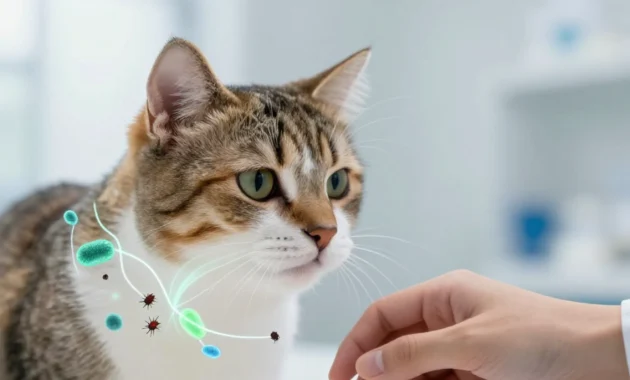
Feline Bartonellosis is an infectious disease caused by Gram-negative, intracellular bacteria of the genus Bartonella. The most clinically significant species in veterinary medicine is Bartonella henselae, an organism that exhibits high host adaptation to domestic felines.
While the vast majority of infected cats remain entirely asymptomatic, Bartonella serves as the primary causative agent of Cat Scratch Disease (CSD) in humans. Managing this organism requires strict vector control, a clear understanding of specialized diagnostic testing, and targeted antibiotic protocols for rare symptomatic cases.
               THE VECTOR TRANSMISSION PATHWAY
 ┌───────────────────┐               ┌───────────────────┐
 │   Infected Cat    │ ──────►       │    C. felis Flea  │
 └───────────────────┘               └───────────────────┘
           ▲                                   │
           │ Carried in bloodstream            │ Excretes infectious
           │                                   ▼ flea dirt
 ┌───────────────────┐               ┌───────────────────┐
 │ Cat Intact Skin   │ ◄──────       │ Open Wound/Scratch│
 └───────────────────┘               └───────────────────┘
Causes, Vectors, and Pathogenesis
The primary reservoir for Bartonella henselae is the domestic cat. The bacteria live inside erythrocytes (red blood cells) and endothelial cells lining the blood vessels, allowing them to evade the cat's immune system for months or years.
1. Vector Transmission Dynamics
-
The Primary Vector: The cat flea (Ctenocephalides felis) is the primary vector for transmission. The bacteria multiply within the flea's digestive tract and are excreted in heavy concentrations in flea feces (flea dirt).
-
The Mechanism of Infection: Cats contract the bacteria when infectious flea dirt enters open skin wounds or scratches, typically during self-grooming. While ticks may carry the bacteria, tick-borne transmission remains unproven and clinically rare.
-
Iatrogenic Spread: In rare instances, cats can contract the bacteria through a blood transfusion if the donor feline is an asymptomatic carrier.
2. Clinical Symptom Matrix
An estimated $30\%$ to $60\%$ of domestic cats in the United States carry Bartonella antibodies, indicating previous exposure or active, asymptomatic bacteremia. Kittens under six months of age are the most vulnerable to active infection.
When clinical disease (Bartonellosis) does manifest, symptoms can be divided into common mild signs and rare systemic complications:
                     CLINICAL MANIFESTATION SPECTRUM
                                    │
         ┌──────────────────────────┴──────────────────────────┐
         ▼                                                     ▼
 [ Common / Transient Signs ]                        [ Rare / Severe Complications ]
  ├── Short-term fever (2–3 days)                     ├── Uveitis & chorioretinitis (Eye)
  ├── Transient lethargy                              ├── General lymphadenopathy (Swollen nodes)
  ├── Decreased appetite                              ├── Endocarditis (Heart valve infection)
  └── Myalgia (Muscle aches)                          └── Neurologic dysfunctions
Advanced Diagnostic Methodologies
Because many healthy cats carry Bartonella in their blood without showing signs of disease, identifying the bacteria through testing does not automatically mean it is the primary cause of a cat's illness. Veterinarians use three distinct testing methods to evaluate infection status.
                     DIAGNOSITIC TESTING TRIAGE
┌─────────────────────────────────────────────────────────────────┐
│ 1. BLOOD CULTURE (The Gold Standard)                            │
├─────────────────────────────────────────────────────────────────┤
│ • Confirms active bacteremia by growing live bacteria.          │
│ • High risk of false negatives if bacterial shedding is low.   │
└─────────────────────────────────────────────────────────────────┘
                                │
                                ▼
┌─────────────────────────────────────────────────────────────────┐
│ 2. PCR - POLYMERASE CHAIN REACTION (DNA Isolation)              │
├─────────────────────────────────────────────────────────────────┤
│ • Detects specific Bartonella DNA sequences rapidly.            │
│ • Requires active bacteria in the sample; intermittent shedding │
│   can lead to false negatives.                                  │
└─────────────────────────────────────────────────────────────────┘
                                │
                                ▼
┌─────────────────────────────────────────────────────────────────┐
│ 3. IFA - IMMUNOFLUORESCENT ANTIBODY (Serology)                  │
├─────────────────────────────────────────────────────────────────┤
│ • Measures the immune response (antibody titers).               │
│ • Positive: Confirms exposure, but not active infection.        │
│ • Negative: Highly reliable for ruling out Bartonella.          │
└─────────────────────────────────────────────────────────────────┘
Treatment and Vector Prevention Protocols

Treating asymptomatic feline carriers with antibiotics is controversial and generally discouraged. Antibiotic therapy rarely eliminates the bacteria completely, can cause gastrointestinal side effects, and increases the risk of the bacteria developing antibiotic resistance.
Targeted Antibiotic Therapy
Antibiotic treatment is reserved strictly for symptomatic cats with a confirmed Bartonella diagnosis. Because no single antibiotic is effective on its own, veterinarians use specific medications for extended cycles:
Public Health and Zoonotic Implications (Cat Scratch Disease)
Bartonella henselae is a significant zoonotic pathogen (a disease that can spread from animals to humans). Understanding how it spreads to humans is essential for protecting veterinary staff and pet owners.
                  ZOONOTIC RISK ASSESSMENT
                      [ Infected Cat ]
                             │
            ┌────────────────┴────────────────┐
            ▼                                 ▼
   [ Immunocompetent Human ]       [ Immunocompromised Human ]
   ├── Red skin papule (Scratch site)├── Severe neuro-retinitis
   ├── Swollen, painful lymph nodes ├── Endocarditis (Heart valves)
   └── Mild, self-limiting fever   └── Severe bacillary angiomatosis
-
Transmission Mode: The bacteria spread to humans when claws contaminated with infectious flea dirt scratch the skin, through deep bites that introduce saliva into wounds, or when a cat licks an open sore.
-
Immunocompetent Individuals: Healthy individuals typically develop a small, red skin swelling (papule) at the scratch site, followed by painful swelling in nearby lymph nodes and a mild fever. Most cases resolve on their own within a few weeks without antibiotic treatment.
-
Immunocompromised Individuals: For individuals with compromised immune systems (such as those undergoing chemotherapy or living with autoimmune disorders), CSD can cause severe complications. These include neurological infections (encephalitis), heart valve damage (endocarditis), and systemic organ involvement, requiring immediate medical care and targeted human antibiotics.
Feline Bartonellosis Clinical Summary
This quick-reference triage guide details how to manage Bartonella based on a cat's clinical presentation and testing results.
Clinical Prevention Strategies
To effectively reduce the risk of Bartonella infection in your home or clinic, implement these key preventative measures:
-
Year-Round Vector Control: Use veterinarian-approved flea prevention products consistently every month for all pets in the household.
-
Indoor Confinement: Keep cats indoors to eliminate hunting behaviors and drastically minimize exposure to fleas and stray animals.
-
Claw Hygiene: Trim your cat's nails regularly to lower the risk of deep, skin-breaking scratches.
-
Immediate First Aid: Wash any fresh cat scratch or bite wounds immediately with antibacterial soap and warm water. If a person develops a fever or swollen lymph nodes after a scratch, they should consult a physician promptly.
FAQ – Feline Bartonellosis (Bartonella henselae)
1. What is feline bartonellosis?
Feline bartonellosis is an infectious disease in cats caused by the bacteria Bartonella henselae. It is usually carried silently in cats without visible symptoms.
2. Is Bartonella dangerous for cats?
Most infected cats show no signs of illness. However, in rare cases, it can cause fever, lethargy, or more serious complications.
3. How do cats get infected with Bartonella?
The main transmission route is through cat fleas (Ctenocephalides felis). Flea dirt containing bacteria enters the cat’s skin through scratches or wounds.
4. Can humans catch Bartonella from cats?
Yes. It can cause Cat Scratch Disease (CSD) in humans when infected flea dirt or saliva enters scratches or bite wounds.
5. What are the symptoms in humans?
Healthy individuals may experience swollen lymph nodes, mild fever, and a small red lesion at the scratch site. Immunocompromised people may develop more severe complications.
6. How is feline bartonellosis diagnosed?
Veterinarians use blood culture, PCR testing, and antibody (IFA) tests. No single test alone confirms active disease.
7. Do all infected cats need antibiotics?
No. Treatment is usually only recommended for symptomatic cats. Asymptomatic carriers are generally not treated due to resistance and side effects.
8. How can I prevent Bartonella infection?
Year-round flea control, keeping cats indoors, regular nail trimming, and proper wound hygiene significantly reduce infection risk.
9. Can fleas spread Bartonella to humans directly?
Fleas do not usually infect humans directly, but flea dirt on cats can enter scratches and cause transmission.
10. What is the best prevention method overall?
Consistent flea control combined with good hygiene and limiting exposure to stray animals is the most effective prevention strategy.