Feline Constipation: Understanding Why Your Cat Can't Poop and How to Fix It
4 weeks ago
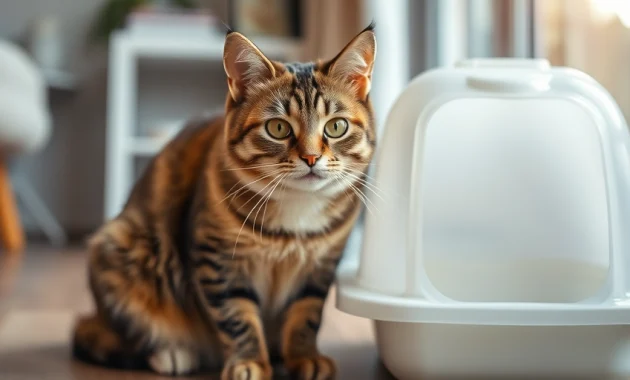
A cat’s digestive health is highly transparent, mirrored directly in the texture, color, and regular schedule of their bowel movements. When a cat poops on a reliable timeline, it shows a smoothly functioning digestive system.
But what if you notice that your cat's litter box is consistently empty? An empty litter box points directly to constipation—a distressing sign that your cat cannot pass stool, which can stem from simple dietary imbalances or point to more severe, underlying medical conditions. To understand exactly why your cat is struggling to poop and how to help them, let's explore the science behind feline bowel habits.
What Does "Normal" Feline Pooping Look Like?
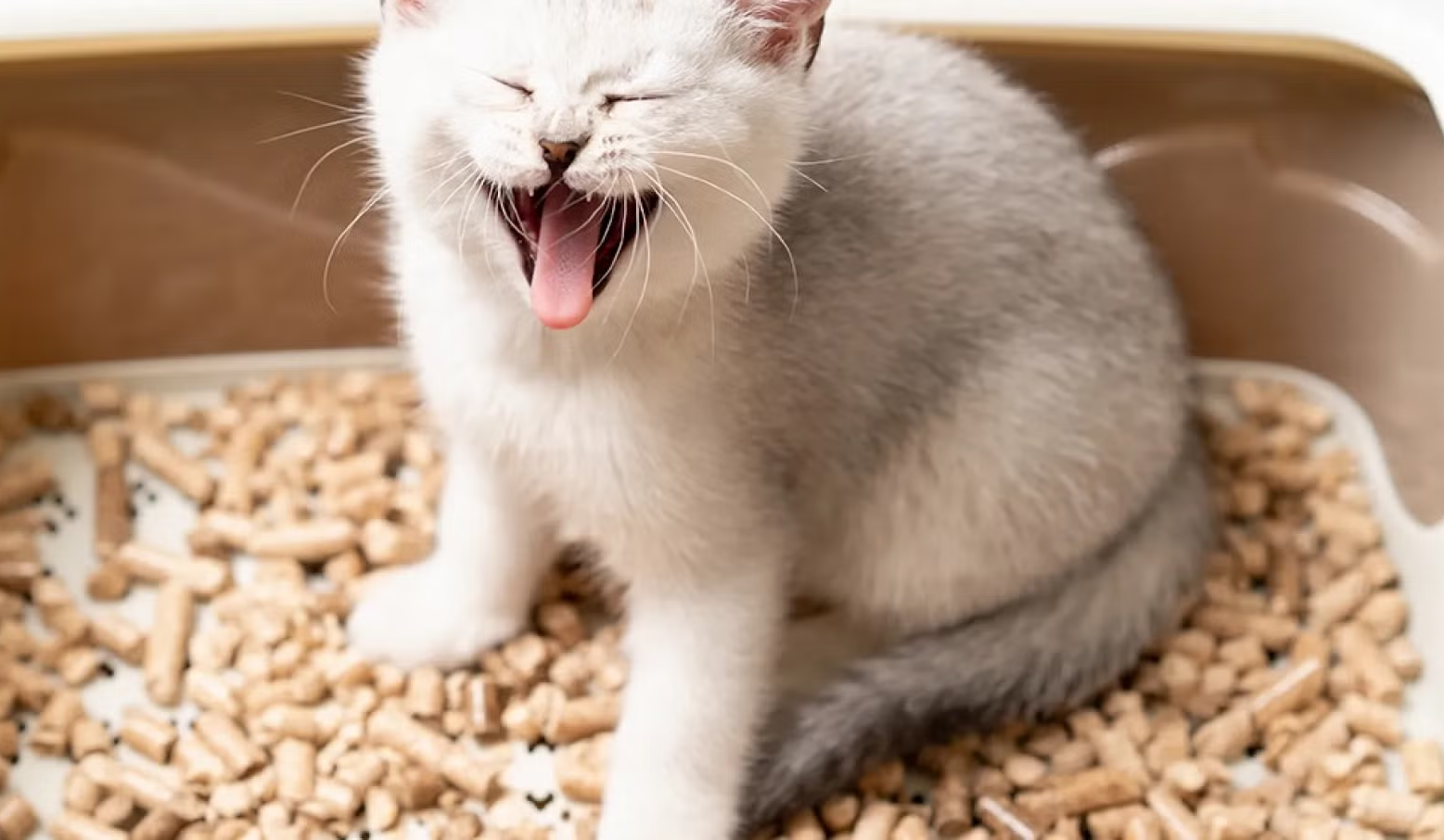
Before diagnosing a digestive issue, it helps to understand a healthy feline timeline. How many times a day should a cat poop?
Generally, a cat with a healthy digestive tract will pass stool every 12 to 36 hours. This means that a healthy cat typically poops 1 to 2 times a day. If your cat goes beyond this 36-hour window without a bowel movement, they are likely suffering from constipation.
Symptoms of Feline Constipation
Aside from an empty litter box, look for these telltale behavioral signs of distress:
-
Straining hard or showing clear discomfort while attempting to pass stool.
-
A noticeable decrease in their weekly pooping frequency.
-
Difficulty or straining while urinating.
-
Frequently stepping into the litter box, scratching around, but leaving without passing any stool at all.
⚠️ Note: If you observe these symptoms in your feline companion, the safest and best course of action is to take them to a veterinarian immediately.
6 Primary Causes of Feline Constipation
Constipation is a symptom, not a standalone disease. Understanding what is causing the blockage is key to choosing the right solution:
1. Chronic Dehydration
By far, the most common culprit behind a cat's inability to poop is dehydration. When a cat's body lacks sufficient water, the colon absorbs extra moisture from fecal waste, leaving behind hard, dry stools that are incredibly painful to pass.
2. Stress and Anxiety
Cats are highly sensitive creatures of habit. Major life disruptions—such as moving into a new house, introducing a new family member, or welcoming a new pet—can trigger intense stress and anxiety. A stressed cat often holds in their stool, which quickly leads to a backed-up digestive system.
3. Inflammatory Bowel Disease (IBD)
Chronic inflammation along the lining of a cat’s digestive tract disrupts normal muscular contractions (peristalsis), causing fecal matter to stall and compact within the colon.
4. Neurological and Nerve Disorders
Damage or issues within the neurological pathways that control the colon can prevent the brain from signaling the bowel muscles to contract properly, resulting in severe chronic constipation.
5. Allergies
Severe food allergies or environmental sensitivities can cause chronic gut irritation, completely disrupting regular bowel movements.
6. Cancer
Tumors growing inside or around the intestinal tract can create physical blockages that mechanically prevent feces from moving smoothly through the digestive system.
Systematic Overview: Managing Feline Constipation
To help you monitor and react to your cat's digestive issues, use the management matrix below:
| Potential Cause | Observational Anchor | Immediate Home Solution | Veterinary Trigger |
|
Dehydration
|
Dry, hard stools; minimal water bowl usage. |
Scatter multiple water bowls; introduce a pet fountain. |
No improvement after 48 hours or complete refusal to drink. |
|
Environmental Stress
|
Recent move; new household members; hiding. |
Dedicate extra playtime; create a quiet, secure sanctuary. |
Continued straining accompanied by lethargy or vomiting. |
|
Dietary/Fiber Lack
|
Infrequent bowel movements past the 36-hour mark. |
Gradually transition to a high-fiber specialized cat food. |
Chronic constipation despite high-fiber food adjustments. |
Practical Solutions: How to Treat and Prevent Constipation
Seeing your cat struggle to poop is heartbreaking because it causes them intense physical discomfort. To relieve their symptoms and keep their digestion moving smoothly, implement these practical home care strategies:
Maximize Hydration Sources
Because dehydration is the leading cause of constipation, you must encourage your cat to drink more water. Place multiple water bowls in various locations across your home. If your cat ignores stagnant water, try using a moving pet water fountain. The sound and sight of running water naturally appeals to a cat's predatory instincts and encourages them to drink more frequently.
Increase Physical Activity
An active cat is a regular cat. Engaging your pet in daily play stimulates the natural muscular contractions of their intestines, which helps push waste out and prevents constipation.
Provide Extra Support During Stressful Times
If your household is undergoing a major transition (like a move or a new baby), pay close attention to your cat's emotional well-being. Dedicate extra one-on-one time to play with them and comfort them, as reducing their anxiety directly helps relax their digestive system.
Optimize the Litter Box Setup
Sometimes, a cat avoids pooping simply because they dislike their current bathroom setup. Try making small, stress-free environmental adjustments: switch to a new type of litter box, move it to a quieter location, or experiment with a different type of litter substrate.
Shift to a High-Fiber Diet
If your cat has a history of sluggish digestion or constipation, track their pooping schedule carefully. If they continue to struggle, talk to your vet about switching them to a specialized, high-fiber cat food formulated to add bulk and moisture to their stool, making it much easier to pass.
Conclusion: When to Seek Expert Help
Most minor cases of feline constipation can be successfully managed by keeping your cat hydrated, active, and stress-free. However, if you have tried adjusting their diet, rearranging their litter box, and increasing their water intake, and your cat still cannot poop, do not delay. Take them to a veterinary clinic immediately so an expert can perform a targeted medical checkup and ensure a hidden, more serious condition isn't putting your cat's health at risk.
FAQ
1. How often should a healthy cat poop?
A healthy adult cat typically poops every 12 to 36 hours, which usually equals one to two bowel movements per day. Diet, hydration, age, and activity level can influence frequency. If your cat has not pooped for more than 36–48 hours, monitor them closely and consult a veterinarian if other symptoms appear.
2. What are the first signs of constipation in cats?
Early signs of constipation include:
- Straining in the litter box.
- Passing small, hard, dry stools.
- Visiting the litter box repeatedly without producing stool.
- Crying or showing discomfort while trying to poop.
- Reduced appetite.
- Decreased activity or lethargy.
- Swollen or firm abdomen.
3. Why is my cat not pooping but still eating normally?
A cat may continue eating during the early stages of constipation. Common causes include mild dehydration, insufficient dietary fiber, stress, or reduced exercise. However, if your cat continues eating but still doesn't poop for more than two days, veterinary evaluation is recommended.
4. Can dehydration really cause constipation?
Yes. Dehydration is one of the most common causes of feline constipation. When the body lacks water, the colon absorbs additional moisture from waste, producing hard, dry stool that becomes difficult and painful to pass.
5. How can I encourage my cat to drink more water?
You can improve hydration by:
- Placing multiple water bowls throughout your home.
- Using a cat water fountain.
- Feeding wet cat food.
- Keeping water fresh and clean daily.
- Positioning water bowls away from food and litter boxes.
6. Can stress cause constipation in cats?
Absolutely. Cats are highly sensitive to environmental changes. Events such as moving house, introducing new pets, loud renovations, or changes in routine may trigger stress that slows normal bowel movements.
7. What foods help prevent constipation in cats?
Veterinarians often recommend:
- Moisture-rich wet food.
- Prescription high-fiber diets when appropriate.
- Balanced commercial cat foods formulated for digestive health.
Always consult your veterinarian before making major dietary changes.
8. Is it safe to give my cat human laxatives?
No. Human laxatives, stool softeners, or enemas can be dangerous and even life-threatening for cats. Never administer human medications without veterinary guidance.
9. Can lack of exercise contribute to constipation?
Yes. Daily physical activity stimulates intestinal movement (peristalsis), helping waste travel through the digestive tract. Indoor cats that are inactive may have slower digestion.
10. When should I take my cat to the veterinarian?
Seek veterinary care immediately if your cat:
- Hasn't pooped for more than 48 hours.
- Strains continuously without producing stool.
- Vomits repeatedly.
- Refuses food.
- Appears lethargic.
- Has blood in the stool.
- Shows abdominal swelling or severe pain.
11. Can constipation indicate a serious illness?
Yes. Chronic constipation may be associated with:
- Inflammatory bowel disease (IBD)
- Neurological disorders
- Pelvic injuries
- Colon disorders
- Food allergies
- Intestinal tumors
- Cancer
Only a veterinarian can determine the underlying cause.
12. How can I prevent constipation in my cat?
Preventive measures include:
- Ensuring adequate daily hydration.
- Feeding a nutritionally balanced diet.
- Encouraging regular exercise.
- Maintaining a clean, stress-free litter box.
- Reducing household stress.
- Scheduling regular veterinary checkups.
13. How long can a cat safely go without pooping?
Most healthy cats should not go longer than 36 hours without a bowel movement. If your cat reaches 48 hours without pooping, especially if they are straining or showing discomfort, veterinary attention is strongly recommended.
14. Can changing the litter box help?
Yes. Some cats avoid defecating because they dislike their litter box location, cleanliness, size, or litter type. Providing a clean, quiet, comfortable litter box can encourage regular bowel habits.
15. Is constipation more common in older cats?
Yes. Senior cats are more prone to constipation due to reduced activity, chronic dehydration, arthritis that makes litter box use painful, neurological disorders, and slower digestive function.