Clinical Analysis of Feline Lower Urinary Tract Disease (FLUTD) and Dietary Management
2 months ago
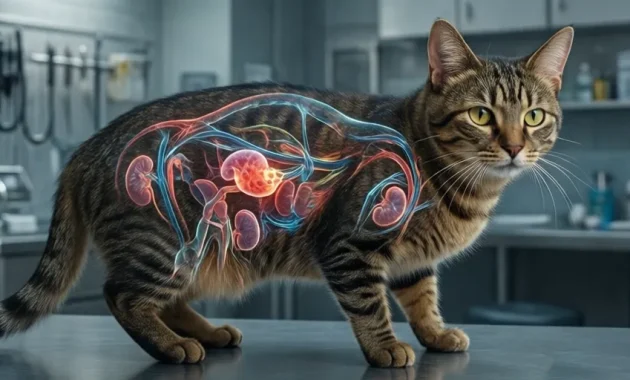
Feline Lower Urinary Tract Disease (FLUTD) is an umbrella term encompassing various disorders affecting the feline urinary bladder and urethra. Left unmanaged, FLUTD can lead to life-threatening urethral obstructions, particularly in male cats.
Pathophysiology and High-Risk Vectors
                  [ FLUTD Urethral Risk Architecture ]
                                   │
      +----------------------------+----------------------------+
      |                                                         |
[ Male Feline Anatomy ]                                [ Female Feline Anatomy ]
- Long, narrow lumen.                                  - Short, wide lumen.
- High risk of structural matrix blockage.             - Low risk of mechanical occlusion.
- High vulnerability to crystalline plugs.             - Manifests primarily as cystitis.
-
Anatomical Vulnerability: While FLUTD affects both sexes, neutered male cats possess a higher risk for urethral obstruction. The male urethra is significantly longer and narrower than the female urethra, making it highly susceptible to mechanical blockage by crystalline plugs, mucus, or uroliths (bladder stones).
-
Neuroendocrine Triggers (Stress): Chronic environmental stress (e.g., changes in household routine, multi-cat tension, lack of vertical territory) activates the feline hypothalamic-pituitary-adrenal (HPA) axis. This neuroendocrine stimulation triggers Feline Idiopathic Cystitis (FIC), causing the bladder lining to shed its protective glycosaminoglycan (GAG) layer, resulting in sterile inflammation and pain.
-
Secondary Etiologies: FLUTD can also be driven by bladder stones (struvite or calcium oxalate), viral/bacterial infections, metabolic diseases (diabetes, hyperthyroidism), congenital anatomical anomalies, and obesity combined with a sedentary lifestyle.
Clinical Symptomatology
Recognizing the early systemic and behavioral signs of FLUTD is vital to prevent total urinary blockage:
-
Dysuria & Stranguria: Straining to urinate, frequently stepping in and out of the litter box, and vocalizing (crying) while attempting to micturate.
-
Periuria: Urinating outside the litter box on cool, flat surfaces (e.g., tile, bathtubs) due to a learned association between the litter box and physical pain.
-
Hematuria: Blood present in the urine, caused by mucosal sloughing and inflammation of the bladder wall.
-
Over-Grooming: Excessive licking of the perineal and genital regions driven by localized referred pain.
-
Systemic Decline: Lethargy, complete inappetence, and vomiting—frequently signaling a critical uremic crisis caused by a total urinary obstruction.
Veterinary Diagnostic Protocol
Veterinary diagnosis avoids subjective evaluation through targeted physiological assessments:
-
Abdominal Palpation: Gentle physical evaluation of the caudal abdomen to gauge bladder distension, turgidity, and pain baseline.
-
Urinalysis & Sediment Exams: Microscopic analysis of urine specific gravity, pH levels, and sediment to detect hematuria, pyuria, bacteria, or crystalline structures (struvite vs. calcium oxalate).
-
Hematology & Serum Chemistry: Blood panels evaluating BUN (Blood Urea Nitrogen) and Creatinine levels to screen for secondary acute kidney injury (AKI) or systemic metabolic disorders.
-
Diagnostic Imaging (Radiography/Ultrasonography): Visual mapping of the lower urinary tract to isolate radiopaque uroliths, structural abnormalities, or bladder wall thickening.
Dietary Architecture for Urinary Therapeutics
Dietary management is the primary long-term intervention strategy for FLUTD. It focuses on adjusting urine pH, lowering mineral concentrations, and increasing total fluid intake.
                    [ Dual-Action Dietary Control ]
                                   │
      +----------------------------+----------------------------+
      |                                                         |
[ Mineral Overload Reduction ]                         [ Urinary pH Tuning ]
- Controlled Phosphorus and Magnesium.                 - Targets a mildly acidic 6.0–6.3 pH range.
- Restricts building blocks of struvite stones.        - Dissolves active struvite micro-crystals.
- Lowers risk of future crystalline formations.        - Retards calcium oxalate precipitation.
Dry Formulation Architecture (e.g., Pro Plan Urinary Care)
-
Urine pH Regulation: Specially formulated to maintain a mildly acidic urine pH range (6.0 to 6.3). This precise acidic window safely dissolves active struvite crystals and prevents new crystal formation.
-
Mineral Restriction: Formulated with restricted levels of magnesium and phosphorus, eliminating the structural building blocks required for struvite stone growth.
-
Immune & Digestive Fortification: Enriched with active probiotics to support gut health, keeping the systemic immune defense strong during chronic environmental stress.
Wet Formulation Architecture (e.g., Pro Plan Urinary Tract Health)
-
Dilution Therapy (High Moisture): Wet food significantly increases daily water intake. This lowers urine specific gravity, generating a dilute, high-volume urine flow that continuously flushes out micro-crystals before they can aggregate into stones.
-
Anti-Inflammatory Lipids: Fortified with marine-derived Omega-3 Fatty Acids (EPA/DHA), which actively block pro-inflammatory pathways to soothe irritated, inflamed urothelial tissue.
-
Antioxidant Support: Contains highly bioavailable antioxidants to strengthen natural cellular defenses and accelerate the repair of damaged bladder tissue.
FAQ: Feline Lower Urinary Tract Disease (FLUTD) in Cats
1. What is Feline Lower Urinary Tract Disease (FLUTD)?
FLUTD is a collective term for a group of conditions affecting a cat's bladder and urethra. These disorders can cause pain, inflammation, difficulty urinating, blood in the urine, and in severe cases, life-threatening urinary blockages.
2. Is FLUTD a specific disease?
No. FLUTD is not a single disease but an umbrella term that includes multiple urinary tract disorders such as feline idiopathic cystitis (FIC), urinary crystals, bladder stones, urinary tract infections, urethral plugs, and anatomical abnormalities.
3. Why is FLUTD considered dangerous?
FLUTD can progress to complete urethral obstruction, especially in male cats. When a cat cannot urinate, toxins rapidly build up in the bloodstream, potentially leading to kidney failure, electrolyte imbalances, heart complications, and death if not treated immediately.
4. Are male cats more likely to develop urinary blockages?
Yes. Male cats have a longer and narrower urethra than females. This anatomical structure makes them much more susceptible to blockage from crystals, mucus plugs, inflammatory debris, or bladder stones.
5. What is Feline Idiopathic Cystitis (FIC)?
Feline Idiopathic Cystitis is one of the most common causes of FLUTD. It is a sterile inflammatory condition of the bladder that occurs without a bacterial infection and is often linked to stress and environmental factors.
6. How does stress contribute to FLUTD?
Chronic stress activates the hypothalamic-pituitary-adrenal (HPA) axis, which can damage the bladder's protective glycosaminoglycan (GAG) layer. This leads to inflammation, pain, and increased susceptibility to urinary symptoms.
7. What factors increase the risk of FLUTD?
Several factors may contribute to FLUTD, including:
- Chronic stress
- Obesity
- Sedentary lifestyle
- Low water intake
- Urinary crystals
- Bladder stones
- Diabetes mellitus
- Hyperthyroidism
- Multi-cat household conflicts
- Inadequate environmental enrichment
8. What are the earliest signs of FLUTD?
Common early symptoms include:
- Frequent trips to the litter box
- Straining to urinate
- Producing only small amounts of urine
- Vocalizing during urination
- Excessive genital licking
- Urinating outside the litter box
9. What is dysuria?
Dysuria refers to painful urination. Cats experiencing dysuria may strain, cry, or appear uncomfortable while attempting to urinate.
10. What is stranguria?
Stranguria is the act of straining to urinate despite producing little or no urine. It is one of the most common warning signs of FLUTD.
11. Why do cats with FLUTD urinate outside the litter box?
Many cats begin associating the litter box with pain. As a result, they may seek alternative locations such as bathtubs, sinks, tile floors, or laundry baskets in an attempt to avoid discomfort.
12. What is hematuria?
Hematuria is the presence of blood in the urine. It occurs when inflammation damages the bladder lining, causing bleeding into the urinary tract.
13. Why do affected cats lick their genital area excessively?
Inflammation and pain within the urinary tract often cause discomfort around the genital region, leading to excessive grooming or licking.
14. What symptoms indicate a urinary emergency?
Seek immediate veterinary care if your cat:
- Produces no urine at all
- Continuously strains without success
- Becomes lethargic
- Refuses food
- Vomits repeatedly
- Has a swollen, painful abdomen
These signs may indicate a complete urinary obstruction.
15. How do veterinarians diagnose FLUTD?
Diagnosis typically involves:
- Physical examination
- Abdominal palpation
- Urinalysis
- Urine sediment evaluation
- Blood tests
- Radiographs (X-rays)
- Ultrasound imaging
16. What information does a urinalysis provide?
A urinalysis evaluates:
- Urine concentration (specific gravity)
- Urine pH
- Blood in urine
- White blood cells
- Bacteria
- Crystal formation
- Protein levels
17. Why are blood tests important in FLUTD cases?
Blood panels help identify kidney dysfunction, electrolyte abnormalities, dehydration, and systemic diseases that may contribute to urinary symptoms.
18. What are struvite crystals?
Struvite crystals are mineral deposits composed primarily of magnesium, ammonium, and phosphate. These crystals can irritate the urinary tract and contribute to stone formation or urethral blockages.
19. What are calcium oxalate stones?
Calcium oxalate stones are hard mineral stones that form within the urinary tract. Unlike struvite crystals, they generally cannot be dissolved through diet and may require surgical removal.
20. Why is diet important for cats with FLUTD?
Diet plays a central role in urinary health by:
- Controlling urine pH
- Limiting mineral accumulation
- Increasing water intake
- Reducing crystal formation
- Supporting bladder function
21. How does urinary therapeutic food work?
Prescription urinary diets are designed to maintain optimal urine chemistry, reduce crystal-forming minerals, and encourage greater water consumption to keep urine dilute.
22. What urine pH is generally targeted in urinary diets?
Many urinary-support diets aim to maintain a mildly acidic urine pH between approximately 6.0 and 6.3, which helps discourage struvite crystal formation.
23. Why are magnesium and phosphorus levels controlled?
Excessive magnesium and phosphorus can contribute to the development of struvite crystals and stones. Restricting these minerals reduces the risk of recurrence.
24. What advantages does wet food offer for FLUTD management?
Wet food contains significantly more moisture than dry food, helping to:
- Increase daily water intake
- Dilute urine
- Lower urine concentration
- Flush microscopic crystals from the bladder
25. How do Omega-3 fatty acids help?
Omega-3 fatty acids such as EPA and DHA possess anti-inflammatory properties that may help reduce bladder irritation and support tissue healing.
26. Can probiotics benefit cats with FLUTD?
Some urinary-support diets include probiotics to help maintain digestive health and support overall immune function, particularly during periods of chronic stress.
27. Can FLUTD recur after treatment?
Yes. Many cats experience recurring episodes, especially those diagnosed with Feline Idiopathic Cystitis. Long-term management is often necessary to reduce future flare-ups.
28. How can owners help prevent FLUTD flare-ups?
Preventive strategies include:
- Feeding a veterinarian-recommended urinary diet
- Encouraging water consumption
- Maintaining a healthy weight
- Providing environmental enrichment
- Reducing household stress
- Keeping litter boxes clean
- Scheduling regular veterinary checkups
29. How can I encourage my cat to drink more water?
Helpful strategies include:
- Offering multiple water stations
- Using cat water fountains
- Feeding wet food
- Providing fresh water daily
- Using wide, shallow water bowls
30. When should I contact a veterinarian?
Contact a veterinarian immediately if your cat shows signs of urinary discomfort, blood in the urine, repeated litter box visits, inability to urinate, vomiting, or sudden lethargy. Early intervention greatly improves outcomes and can prevent life-threatening complications.