Feline Cognitive Architecture: Separation Anxiety, Memory, and Social Bonding
2 months ago
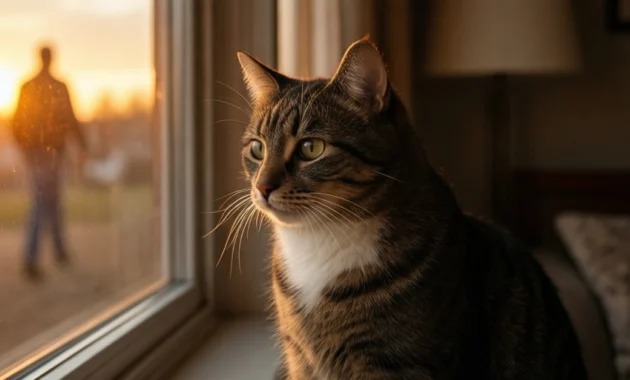
The long-held stereotype of cats as completely detached, aloof creatures is consistently being debunked by veterinary science. Felines form deep, distinct attachments to their human caregivers.
While they possess an independent evolutionary background compared to pack-oriented dogs, cats do experience a version of "missing" their owners. This emotional state can range from peaceful anticipation to severe clinical distress.
                     FELINE EMOTIONAL REACTION COMPASS
                                     │
         ┌───────────────────────────┴───────────────────────────┐
         ▼                                                       ▼
 [ Prosocial / Healthy Bonding ]                         [ Clinical Separation Distress ]
  ├── Waiting reliably by windows/doors                   ├── Excessive vocalization (Meowing)
  ├── Vocal or physical greetings on return               ├── Destructive clawing of carpets/doors
  ├── Scent-marking via leg rubbing                      ├── Inappropriate elimination (Bed/Shoes)
  └── Following owners ("Shadowing")                      └── Overgrooming induced by stress
How Cats Process Your Absence
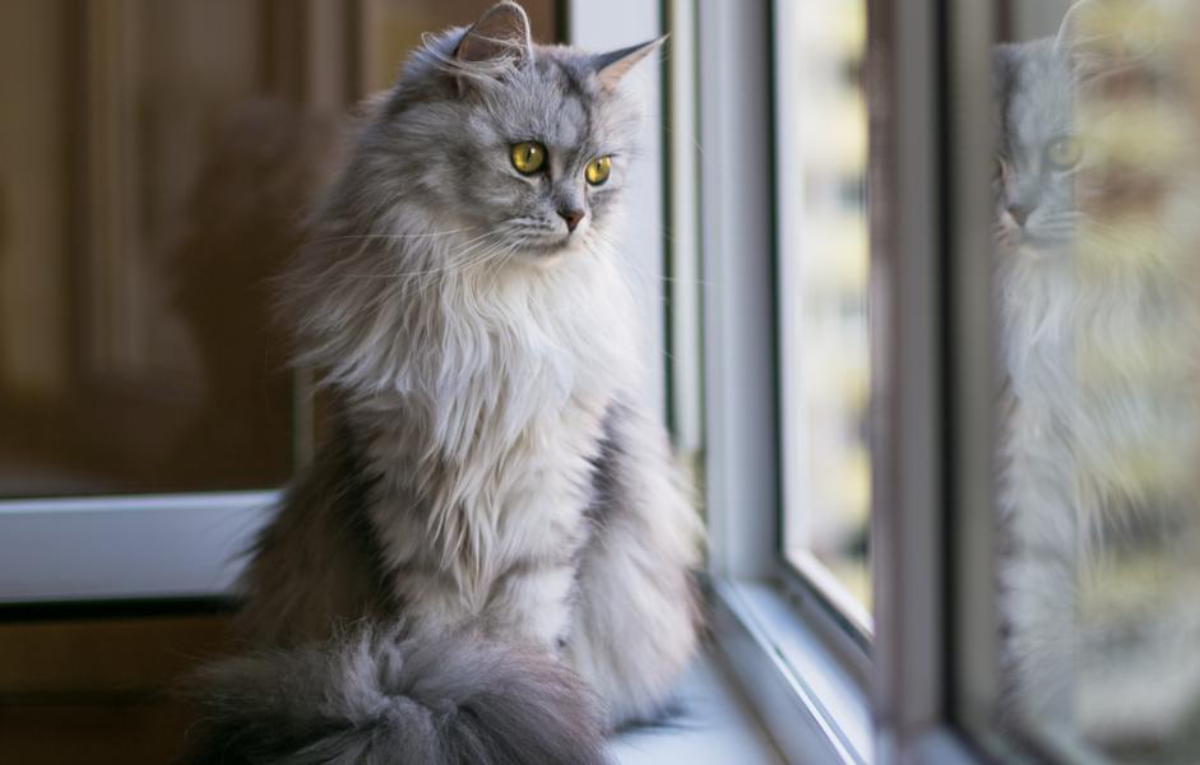
When you leave the house, your cat's reaction is deeply tied to their personality, environment, and history. While many cats manage an owner's absence calmly, others experience significant stress.
1. The Reality of Feline Separation Anxiety
Separation anxiety is not exclusive to dogs. When a closely bonded cat is left alone, the sudden absence of their human anchor can trigger a stress response. Because cats hide their distress well, owners often only discover these behaviors by using home cameras or finding physical evidence of anxiety:
-
Vocal Distress: Loud, repetitive meowing or yowling right after an owner leaves.
-
Destructive Behaviors: Scratching at carpets or door frames near exit points in an attempt to follow you.
-
Inappropriate Elimination: Urinating or defecating outside the litter box—often targeting areas that carry a strong scent of the owner, such as beds, couches, or shoes.
2. Subtle Signs of Healthy Attachment
If your cat does not show signs of anxiety, it does not mean they don't care. A securely attached cat will show they missed you through calm, positive behaviors:
-
Waiting by windows, driveways, or garden paths close to your arrival time.
-
Recognizing the specific sound of your car engine or footsteps from a distance.
-
Weaving between your legs, purring loudly, and rubbing their cheeks against you upon your return to reclaim you with their scent.
The Mechanics of Feline Memory
A cat’s memory does not store abstract facts or names like human memory. Instead, it operates almost entirely on associative memory loops, linking people and places directly to emotional outcomes.
                     ASSOCIATIVE MEMORY ARCHITECTURE
 ┌───────────────────┐               ┌───────────────────┐
 │  Human Target     │ ──────►       │   Impact Sensation│
 └───────────────────┘               └───────────────────┘
           │                                   │
           │ Evaluates interactions            │ Archives based on
           │                                   ▼ extreme outcomes
 ┌───────────────────┐               ┌───────────────────┐
 │ Positive Link     │               │ Negative Link     │
 │ (Food, play, bond)│               │ (Pain, fear, chase)│
 └───────────────────┘               └───────────────────┘
           │                                   │
           ▼                                   ▼
 [Retained Up to 10 Years]           [Retained Up to 10 Years]
If an owner consistently provides food, engaging play, and safe affection, the cat builds a strong, positive cognitive link with that person. Veterinary data shows that these deep associative memories can last up to 10 years.
On the other hand, if a cat has short, neutral, or rare interactions with a person, that individual leaves no lasting impression and is quickly forgotten.
The Myth of Feline Loyalty
Cats are capable of incredible loyalty, often singling out one family member as their favorite and following them around like a shadow. However, their instinct for survival and inherent independence can make them appear fickle.
                  THE DUAL NATURE OF CAT SOCIALITY
┌──────────────────────────────────────┐    ┌──────────────────────────────────────┐
│        Focalized Devotion            │    │         Resource Opportunism         │
├──────────────────────────────────────┤    ├──────────────────────────────────────┤
│ • Chooses one primary lap over all   │    │ • Easily enticed by neighboring homes│
│ • Prefers owner's voice and scent   │    │ • Will seek out secondary food hubs  │
│ • Exhibits "shadowing" behaviors     │    │ • Flexible territory boundaries      │
└──────────────────────────────────────┘    └──────────────────────────────────────┘
Because cats are natural opportunists, the promise of a tastier treat or a softer bed can easily tempt them to explore neighboring homes. This independent trait allows some cats to maintain "secondary families" nearby, dual-earning meals and attention.
Yet, despite this practical view of food and comfort, they maintain a distinct emotional preference for their true owners.
Comparative Matrix: Healthy Attachment vs. Separation Distress
This reference table helps owners distinguish between heartwarming signs of affection and behaviors that require medical or behavioral intervention.
Clinical Prevention and Mitigation Strategies
If your cat shows signs of separation distress, do not take it as a personal offense. Instead, view it as a medical priority. Severe chronic stress can trigger physical conditions like idiopathic cystitis (painful bladder inflammation) or skin infections from overgrooming.
You can help ease your cat's isolation stress with these practical steps:
-
Environmental Enrichment: Provide puzzle feeders, cat trees, and window perches to keep them mentally active while you are out.
-
Scent Comfort: Leave an unwashed t-shirt or blanket that smells like you in their favorite sleeping area to offer reassurance.
-
Low-Key Departures: Avoid long, emotional goodbyes or high-energy greetings, which can amplify your cat's sense of change.
-
Professional Support: If your cat shows severe, destructive behaviors or eliminates outside the box, consult your veterinarian or a certified animal behaviorist to build a tailored plan.
FAQ – Do Cats Miss Their Owners? (Separation Anxiety in Cats)
1. Do cats actually miss their owners when they leave?
Yes. Cats can form strong emotional bonds and may show signs of missing their owners, ranging from calm waiting behaviors to stress-related reactions.
2. Do cats experience separation anxiety like dogs?
Yes, some cats do. Although not all cats are affected, certain individuals can develop separation anxiety when left alone for long periods.
3. What are signs that a cat misses its owner?
Common signs include waiting near doors or windows, increased vocalization, following the owner closely when they return, and rubbing or scent-marking behaviors.
4. What are signs of separation distress in cats?
Severe signs include excessive meowing, destructive scratching, inappropriate urination or defecation, and overgrooming caused by stress.
5. Why do some cats become anxious when left alone?
It is linked to strong attachment, routine dependence, personality traits, and environmental stimulation levels. Sudden absence of their caregiver can trigger stress responses.
6. Do cats forget their owners when they are away?
No. Cats use associative memory and can remember familiar humans for years, especially if they have positive emotional experiences linked to them.
7. How long do cats remember people?
Studies and behavioral evidence suggest cats can retain strong associative memories for many years, especially for bonded caregivers.
8. How can I reduce my cat’s separation anxiety?
Provide environmental enrichment (toys, climbing structures), leave comforting scents like clothing, maintain calm departures, and ensure consistent routines.
9. Is separation anxiety dangerous for cats?
Yes, in severe cases. Chronic stress can lead to health issues such as urinary problems (idiopathic cystitis) and excessive grooming-related skin damage.
10. When should I consult a vet or behaviorist?
If your cat shows persistent destructive behavior, house soiling, or extreme stress whenever left alone, professional help is recommended.