
The Orphaned Puppy Masterclass: A Veterinary-Guided Blueprint for Rearing Motherless Pups Under Two Months Old
2 months ago
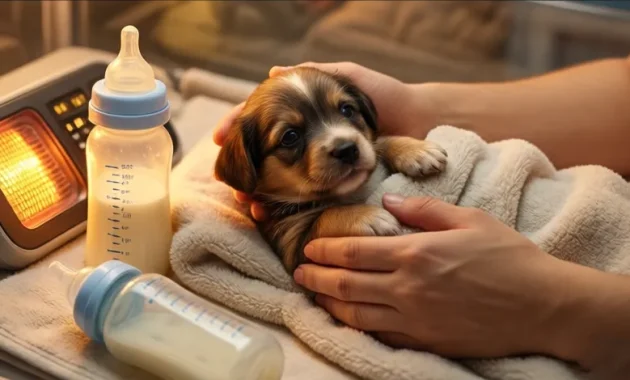
Discovering or adopting an orphaned, motherless puppy is a deeply emotional experience that immediately places a massive, fragile life directly into your hands. Canine neonates (puppies under four weeks of age) and transitional pediatric pups (four to eight weeks of age) are among the most physiologically vulnerable creatures in the animal kingdom. Unlike adult dogs, who possess fully developed internal biological engines, an orphaned puppy is completely devoid of autonomous temperature regulation, independent metabolic stability, automatic eliminative reflexes, and a mature immune framework.
In a natural setting, the mother dog (the dam) serves as an all-in-one life-support system. She acts as a continuous radiant heat source, a source of tailored nutrition through colostrum and milk, a tactile stimulator to prompt urination and defecation, and a behavioral guide. When the dam is absent, you must step in and replicate these complex, instinctive maternal behaviors with precise, clinical accuracy.
                     [ The Maternal Replacement Axis ]
                                     │
        ┌────────────────────────────┼────────────────────────────┐
        ▼                            ▼                            ▼
 [ Thermal Regulation ]      [ Tactile Stimulation ]     [ Hand-Rearing Nutrition ]
 ├── Radiant incubators      ├── Warm cotton-ball wipes  ├── Species-specific Esbilac
 ├── Artificial heat pads    ├── Mimics maternal tongue  ├── Avoids bovine lactose shock
 └── Ambient zoning controls └── Triggers waste release  └── Strict 2-3 hour feeding loops
This comprehensive, 5,000-word veterinary manual serves as your ultimate technical guide to hand-rearing motherless puppies under two months old. We will deconstruct the step-by-step physics of neonate temperature management, map out the mechanical stimulation protocols required for waste elimination, detail the precise math and chemistry of canine milk replacers, outline the delicate process of nutritional weaning, and provide an emergency diagnostic matrix to help you identify and manage life-threatening puppy crises.
The First 24 Hours Immediate Stabilization and Clinical Evaluation
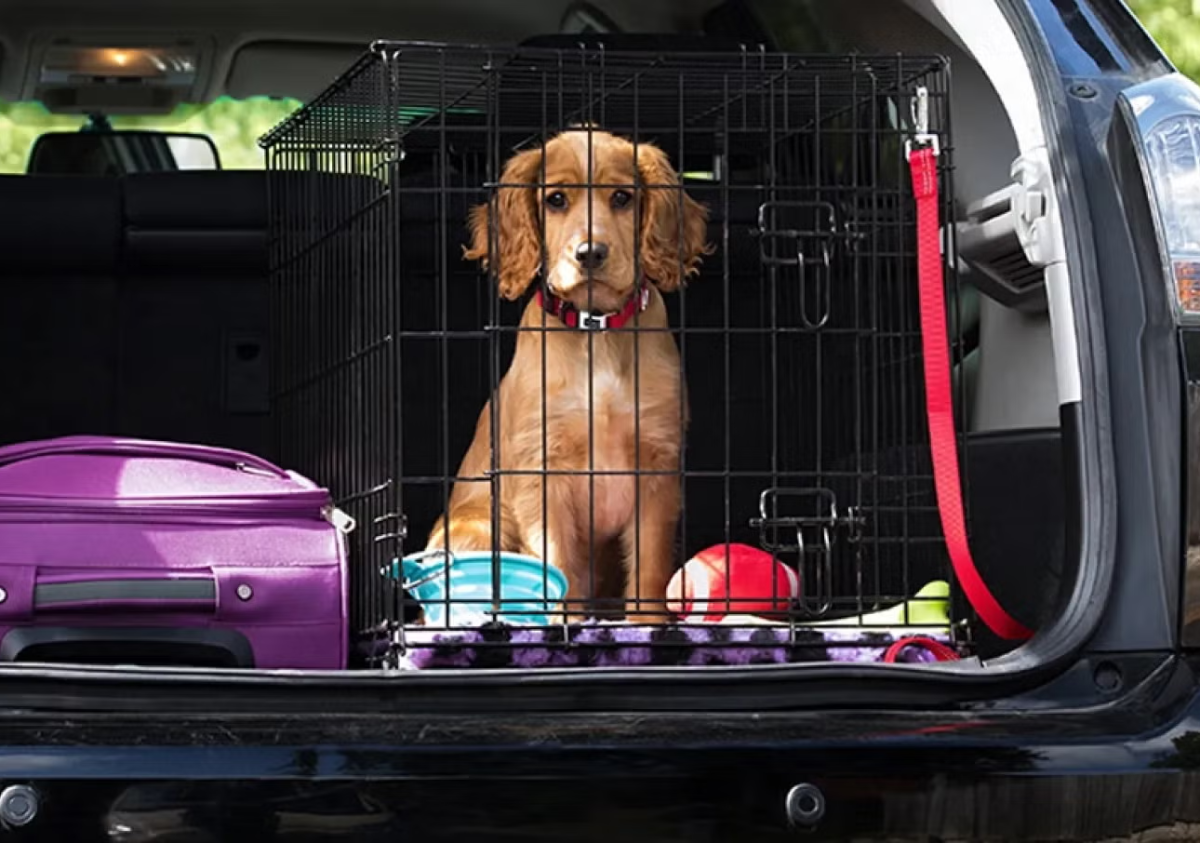
When you first bring an orphaned puppy home, your instinct may be to immediately rush to feed them. However, in the world of pediatric veterinary medicine, feeding a cold, unstable puppy can be fatal. The first few hours must be strictly dedicated to stabilization, thermal recovery, and a thorough health assessment.
                       [ Initial Stabilization Vector ]
                                       │
       ┌───────────────────────────────┴───────────────────────────────┐
       ▼                                                               ▼
 [ Core Warmth Isolation ]                                   [ Clinical Evaluation ]
 ├── Stabilize internal core temp                            ├── Document physical deformities
 ├── Re-engage gut peristalsis                               ├── Evaluate coat parasite load
 └── Prevent hypothermic milk ferment                        └── Establish strict vaccine path
1. The Danger of Hypothermic Feeding (The Metabolic Shutdown)
A puppy's digestive tract requires an internal core body temperature of at least 34.4°C to 35.6°C to function. If a puppy is cold, their gastrointestinal motility stops completely—a condition known as ileus.
If you introduce milk replacer into a hypothermic puppy's stomach, the fluid simply sits in a motionless gut chamber. The milk quickly ferments, producing toxic gases that stretch the stomach walls, trigger severe bloating, cause systemic bacterial infection (sepsis), and often lead to death within hours.
Always isolate the puppy in a warm environment and verify that their body feels warm to the touch before introducing any formula.
2. Conducting a Comprehensive Clinical Examination
Once the puppy's body feels warm, schedule a veterinary evaluation or carefully examine them for hidden medical issues:
-
Inspecting for Cleft Palates: Open the puppy's mouth gently and look at the roof of their palate. A cleft palate is a birth defect where the roof of the mouth does not fuse completely, creating an open hole directly into the nasal passages. If an orphaned puppy has a cleft palate, nursing from a bottle will force milk straight into their lungs, leading to fatal aspiration pneumonia. Puppies with this condition require specialized tube feeding by a professional.
-
Checking for Umbilical Hernias and Infections: Inspect the umbilical stump on the abdomen. It should be dry, clean, and free from redness, swelling, or foul-smelling discharge. A soft, squishy bulge at the navel site points to an umbilical hernia, which requires careful monitoring and eventual surgical repair during their spay or neuter procedure.
-
Assessing Hydration via Mucous Membranes: Unlike adult dogs, you cannot accurately test a young puppy's hydration by pinching the skin on their shoulders (skin turgor), because their skin lacks developed elastic tissue. Instead, check the inside of their mouth. The gums should be a bright pink color and slippery-wet to the touch. If the mucous membranes are pale, dry, or tacky, the puppy is suffering from dehydration and needs immediate veterinary care for subcutaneous or intraosseous fluid support.
-
Screening for Parasites and Flea Anemia: Carefully inspect the coat for fleas, lice, or dirt. Fleas can quickly consume a massive portion of a tiny puppy's total blood volume, leading to severe, life-threatening flea-bite anemia. Because young puppies are too fragile for standard chemical flea spot-on treatments, you must remove pests manually by washing them in lukewarm water with a mild, unscented soap and using a fine-toothed flea comb.
3. Mapping the Pediatric Preventive Health Timeline
To keep your orphaned puppy protected as their maternal antibodies fade, establish a strict preventative care timeline with your veterinarian:
┌───────────────────────────────────────────────────────────────────────────┐
│                    [ Pediatric Preventative Health Matrix ]               │
├───────────────────────────────────────────────────────────────────────────┤
│  Age 2 Weeks:   First targeted deworming cycle (Roundworms/Hookworms)     │
│  Age 4 Weeks:   Follow-up deworming booster and fecal profiling check     │
│  Age 6 Weeks:   Initial DHPP Core Vaccine (Distemper, Hepatitis, Parvo)   │
│  Age 8 Weeks:   Second Core Booster and full clinical wellness panel      │
└───────────────────────────────────────────────────────────────────────────┘
Environmental Thermodynamics — Simulating Maternal Radiance
A newborn puppy is ectothermic, meaning they are completely unable to generate or maintain their own body heat through shivering or internal metabolic adjustments. During the first few weeks of life, their baseline body temperature matches the ambient temperature of their immediate surroundings. If their environment drops into a cold zone, the puppy will quickly develop hypothermia, leading to a shutdown of their immune system, heart rate, and digestive tract.
                      [ Environmental Temperature Zoning ]
                                       │
        ┌──────────────────────────────┼──────────────────────────────┐
        ▼                              ▼                              ▼
  [ Week 1 Incubator ]          [ Weeks 2-4 Nest ]             [ Week 5+ Baseline ]
  ├── Ambient Temp: 29–32°C     ├── Ambient Temp: 26–29°C      ├── Ambient Temp: 21–24°C
  └── Core target: 35.5-36°C    └── Core target: 36–37.5°C     └── Full room temperature
1. Creating a Precise Microclimate (The Ambient Incubator Box)
To keep your puppy safe, build a specialized incubator using a high-sided plastic storage box or a sturdy pet carrier. Line the bottom with thick layers of dry towels or fleece blankets to trap warmth and prevent drafts.
  [ Heating Lamp / Source ]
           │
           ▼
┌───────────────────────┐
│  HOT ZONE             │  ◄── Microclimate Thermal Gradient
│  (32°C Base Area)     │
├───────────────────────┤
│  COOL ESCAPE ZONE     │  ◄── Allows puppy to crawl away if overheated
│  (Ambient Room Temp)  │
└───────────────────────┘
When setting up your heat source, always create a thermal gradient. Arrange the heating pad or lamp over only one half of the incubator box, leaving the other half unheated. This design creates a distinct warm zone and a cooler escape area. If the puppy gets too warm, they can use their survival instincts to crawl over to the unheated side, preventing accidental overheating or heatstroke.
2. Selecting and Securing the Safest Heating Elements
-
Infrared Heating Lamps: Suspend the lamp securely above one corner of the enclosure. Always use a digital thermometer placed right at the puppy's bed level to verify the temperature, ensuring the bulb is far enough away to prevent skin burns or eye damage.
-
Moisture-Resistant Heating Pads: Place a low-wattage electric heating pad or a microwavable heat disc underneath the bottom layer of blankets. Never place a puppy directly on an exposed heating pad. Without layers of thick fleece separating them from the heat source, the direct contact can cause serious thermal skin burns.
-
Warm Water Compresses: If you are in an emergency situation without electricity, fill heavy-duty zip-top bags or rubber hot-water bottles with warm water. Wrap them securely in soft towels and place them next to the puppy inside the nest. Check and replace the water every few hours as it cools to prevent the bags from turning into cold packs that pull heat away from the puppy.
Mechanical Eliminative Stimulation — Replicating the Maternal Tongue
One of the most surprising challenges of raising an orphaned puppy is that newborn pups cannot urinate or defecate on their own. Their nervous system is not yet wired to automatically open their bladder or bowel sphincters.
In a natural pack setting, the mother dog will continuously lick the puppy's lower abdomen, perineum, and anus immediately after they finish nursing. This warm, moist, tactile stimulation triggers a localized nerve reflex that allows the puppy to release waste. Without this constant stimulation, the puppy’s bladder can rupture, or they can suffer from fatal toxic waste buildup.
[ Ingestion of Formula ] ──► [ Warm, Moist Cotton Stimulation ] ──► [ Localized Nerve Reflex ] ──► [ Waste Release ]
1. The Step-by-Step Mechanical Stimulation Technique
You must perform this cleaning process after every single feeding session, without exception, until the puppy reaches roughly three to four weeks of age.
2. Monitoring Stool Consistency and Output Health
Carefully inspect the waste you collect during every cleanup. The quality of a puppy's stool is a direct indicator of their internal digestive health and how well they are processing their formula:
-
Healthy Stool Profile: Should be well-formed, soft, and have a distinct yellowish-brown or tan color, similar to a soft paste.
-
Greenish, Hyper-Aromatic Stool: Points to bile moving too quickly through an irritated digestive tract, often indicating early bacterial imbalance or overfeeding.
-
Greyish, Chalky Stool: Suggests a lack of proper fat digestion, often caused by an incorrect formula mixture or poor nutrient absorption in the upper intestines.
-
Watery Liquid Diarrhea: A critical warning sign of severe dehydration and potential infection. Liquid diarrhea requires an immediate call to your veterinarian to prevent a dangerous drop in blood volume.
Hand-Rearing Pediatric Nutrition — Formula Chemistry and Feeding Physics
Feeding an orphaned puppy requires replicating the precise nutritional balance of natural canine milk. You should never feed an orphaned puppy raw cow's milk, goat's milk, or human baby formulas as a long-term milk substitute.
                          [ Nutritional Blueprint Conflict ]
                                           │
         ┌─────────────────────────────────┴─────────────────────────────────┐
         ▼                                                                   ▼
   [ Natural Canine Milk ]                                         [ Raw Bovine Milk ]
   ├── High-density protein density                                ├── Low protein/fat concentration
   ├── Extremely low lactose levels                                ├── Heavy, complex lactose sugars
   └── Maximized bioavailable lipids                               └── Triggers explosive diarrhea
Canine milk is a highly specialized fluid packed with dense fats, concentrated proteins, and very low levels of lactose. Cow's milk contains the opposite: low levels of protein paired with high levels of complex lactose sugars. A puppy’s digestive tract lacks the necessary lactase enzymes to break down these heavy sugars. Feeding them cow's milk will cause water to pool in the intestines, triggering explosive diarrhea, dehydration, and severe malnutrition.
1. Reconstitution Calculus: Mixing and Serving Temperatures
Always use a premium, scientifically formulated Canine Milk Replacer (CMR), such as Esbilac. For optimal safety and shelf-life, follow these strict handling protocols:
-
Mix in Small, Fresh Batches: Prepare only enough formula to cover a 24-hour period. Store the liquid mixture in a sealed container inside the refrigerator to prevent bacterial growth, and throw away any leftover mixed formula after 24 hours.
-
The Temperature Test: Never heat formula in a microwave, because microwaves create uneven "hot spots" in the liquid that can easily burn a puppy's mouth and esophagus. Instead, place the filled nursing bottle into a bowl of hot water for a few minutes. Before feeding, drop a few drops of the formula onto the inside of your wrist. It should feel comfortably warm—right around 37.8°C to 38.5°C—not hot or cold.
2. The Physics of Feeding Posture: Preventing Aspiration
The way you hold a puppy during feeding is absolutely critical for their safety. Never hold a puppy on their back like a human baby while bottle feeding.
  [ INCORRECT ] ──► Puppy on back ──► Milk flows into trachea ──► Aspiration / Suffocation

  [ CORRECT ]   ──► Puppy on belly ──► Natural nursing alignment ──► Safe swallowing path
When a puppy lies on their back, the formula can easily bypass the esophagus and flow directly down into their trachea and lungs. This leads to immediate suffocation or a condition called aspiration pneumonia.
Instead, place the puppy flat on their belly on a stable table or towel, keeping their head naturally extended forward and slightly upward. This position mimics how they would naturally nurse from their mother, ensuring a safe swallowing path.
3. Sizing the Nipple Flow Rate
When using a nursing bottle, the flow rate of the nipple must match the puppy's size. Turn the filled bottle upside down; the formula should drip slowly and steadily out of the tip, about one drop every few seconds.
If the liquid pours out in a fast stream, the opening is too large, which can overwhelm the puppy's swallowing reflex and cause them to inhale formula into their lungs. If you see milk bubbling out of the puppy's nose during a feeding session, stop immediately. Wipe their face clean, clear their nasal passages with a small bulb syringe, and use a nipple with a slower, more controlled flow rate.
                    [ Age-Based Feeding Frequency ]
                                   │
      ┌────────────────────────────┼────────────────────────────┐
      ▼                            ▼                            ▼
[ Week 1 Spectrum ]         [ Week 2 Spectrum ]         [ Week 3+ Spectrum ]
├── Feed every 2–3 hours    ├── Feed every 3–4 hours    ├── Feed every 4–6 hours
└── Round-the-clock shift   └── Gradual night gaps      └── Preparing for solids
The Transitional Bridge — Navigating the Weaning Process Safely
Weaning is a major developmental milestone that marks the transition from a purely liquid diet to solid puppy food. This process typically begins around four weeks of age, when the puppy's initial baby teeth (deciduous teeth) start erupting through the gums, signaling that their digestive tract is ready to process solid proteins.
[ Solid Premium Kibble ] ──► Warm Water Gruel Mix ──► Lap Training from Shallow Dish ──► Complete Weaning
1. Step-by-Step Weaning Timeline and Protocol
To ensure a smooth transition that doesn't upset your puppy's sensitive stomach, guide them through the weaning process over a multi-week period:
2. Supporting Immune Health with Colostrum Benefits
When puppies are separated from their mother early, they miss out on colostrum—the nutrient-rich first milk the mother produces right after giving birth. Colostrum is packed with natural maternal antibodies that build a protective shield around the puppy's immune system during their first few weeks of life.
To make up for this missing protection during the stressful weaning period, choose a transitional puppy food formulated with real bovine colostrum, such as Pro Plan Healthy Growth & Development:
-
Immune Shield Support: Delivers natural antibodies that actively reinforce the puppy's developing immune system, helping protect them during the vulnerable window when maternal antibodies fade and vaccines are still taking effect.
-
Microflora Stabilization: The bioactive compounds in colostrum help balance beneficial bacteria inside the intestinal tract, protecting your puppy from digestive upset and diarrhea during their transition to solid food.
-
Tailored Nutritional Sizing: Available in specific formulas for Small & Mini, Medium, and Large breeds, ensuring your puppy receives the exact ratio of proteins, fats, calcium, and phosphorus needed for their unique adult frame.
Diagnostic Crisis Matrix — Evaluating Pediatric Emergency Red Flags
In pediatric veterinary medicine, a puppy's health can decline with alarming speed. Because their internal organ reserves are small, a minor issue can quickly escalate into a life-threatening emergency.
Use this diagnostic matrix to monitor your puppy's vital signs and identify exactly when you need to seek professional veterinary care:
                          [ Pediatric Risk Assessment Tree ]
                                          │
          ┌───────────────────────────────┴───────────────────────────────┐
          ▼                                                               ▼
 [ Normal Baseline Vitals ]                                    [ Critical Red Flags ]
 ├── Active, vocal, seeking warmth                             ├── Limp, cold, or entirely silent
 ├── Slippery pink oral gums                                   ├── Pale, white, or blue gums
 └── Firm, tan paste stools                                    └── Continuous projectile diarrhea
          │                                                               │
          ▼                                                               ▼
   [ Continue Home Rearing ]                                     [ EMERGENCY VET VISIT ]
🚨 Critical Pediatric Red Flag Symptoms
| Clinical Signs & Symptoms | Primary Internal Root Cause | Diagnostic Interpretation | Immediate Intervention Plan | Emergency Priority Level |
| The puppy feels completely limp, cold, unresponsive, or cannot stand up. | Severe, acute Hypothermia or a life-threatening drop in blood sugar (Hypoglycemia). | The internal metabolic engine is shutting down due to low heat or glucose depletion. | Immediate Emergency. Rub a small drop of corn syrup or Karo syrup directly onto their gums and rush them to the nearest animal hospital. | Critical: Life-threatening. |
| The mucous membranes inside the mouth look pale, white, or tinted blue. | Advanced Anemia from severe fleas, or acute oxygen loss (Hypoxia). | The body's tissues are starved of oxygen due to blood loss or fluid in the lungs. | Immediate Veterinary Intervention. Place the puppy in a warm carrier with oxygen access and seek emergency veterinary care. | Critical: Life-threatening. |
| Continuous watery diarrhea or projectile vomiting for over 12 hours. | Systemic viral infection (such as Parvovirus) or a heavy parasite infection. | Severe risk of rapid dehydration and circulatory shock. | Call Your Veterinarian Immediately. Schedule an emergency appointment for fluid support and target medications. | High: Requires urgent care. |
| Frequent, harsh coughing, wheezing, or milk bubbling out of the nose. | Aspiration Pneumonia caused by inhaling formula into the lungs during a feeding. | Formula has entered the lungs, creating a dangerous breeding ground for bacterial infection. | Seek Veterinary Evaluation. The puppy requires a clear airway check, targeted oxygen support, and prescription antibiotics. | High: Requires urgent care. |
| A high-pitched, continuous crying or screaming sound that lasts for hours. | Severe abdominal pain, cold stress, or an advanced full-body infection (Fading Puppy Syndrome). | Indicates intense physical distress or internal organ failure. | Schedule a Veterinary Consultation. Bring the puppy in for a full evaluation, diagnostic bloodwork, and supportive care. | Moderate to High: Needs professional check. |
Structural Summary for Lifesaving Pediatric Success
Successfully raising a motherless, orphaned puppy requires a dedicated combination of consistent routines, careful observation, and a solid understanding of canine pediatric biology. By stepping into the role of the mother dog with clinical precision, you can help a vulnerable puppy grow into a strong, healthy adult dog.
To close out this comprehensive care manual, keep these four essential safety rules at the very center of your hand-rearing routine:
-
Maintain an Accurate Weight Log: Invest in a digital kitchen scale and weigh your puppy twice a day, every single day. A healthy puppy should gain roughly 10% of their total body weight every 24 hours. If you notice a puppy's weight flatten out or drop over a 2-day period, it is a clear early warning sign of underlying illness, often appearing well before they show visible symptoms.
-
Sterilize Feeding Equipment Daily: Treat your puppy's bottles and nipples with the same strict cleanliness standards used for human infants. Wash and sterilize all feeding gear in boiling water after every use to eliminate harmful bacteria that can cause acute diarrhea or stomach upset.
-
Prevent Cross-Contamination: If you are raising an orphaned puppy alongside other adult pets, keep them completely isolated in a separate room for the first few weeks. Young puppies lack developed immune systems and are highly susceptible to tracking common adult viruses, bacteria, or parasites.
-
Trust Your Instincts and Call the Vet: If you ever notice a sudden change in your puppy's behavior—such as a drop in their nursing energy, a change in their breathing rhythm, or a sudden change in stool quality—do not wait to see if it passes. Contact your veterinarian immediately; quick, proactive care is the single most effective way to save a pediatric life.
By mastering these vital environmental controls, feeding techniques, and health tracking methods, you can confidently protect your orphaned pup through their first critical weeks of life and give them the best possible foundation for a long, healthy future.
FAQ
1. How often should I feed an orphaned newborn puppy?
Newborn puppies during their first week of life should be fed every 2–3 hours, including overnight. As they grow older, feeding intervals gradually increase to every 3–4 hours during week two and every 4–6 hours after week three.
2. What is the best milk replacer for orphaned puppies?
A veterinary-approved canine milk replacer such as Esbilac is one of the safest options. Avoid cow’s milk because puppies cannot properly digest the high lactose content.
3. Can I feed cow’s milk to a newborn puppy?
No. Cow’s milk contains excessive lactose and insufficient protein and fat for puppies. It can cause severe diarrhea, dehydration, and digestive upset.
4. How do I keep a newborn puppy warm?
Use a heating pad under blankets, a heat lamp, or warm water bottles wrapped in towels. Always create a warm zone and a cooler escape zone so the puppy can regulate its comfort safely.
5. What temperature should an orphaned puppy’s environment be?
Week 1 puppies should stay in an environment around 29–32°C. During weeks 2–4, temperatures can gradually decrease to 26–29°C.
6. Why is my orphaned puppy crying constantly?
Continuous crying may indicate hunger, cold stress, pain, bloating, dehydration, or illness. Check body warmth, feeding schedule, and stool quality, and contact a veterinarian if the crying persists.
7. How do I help a newborn puppy urinate and poop?
After every feeding, gently rub the puppy’s genital and anal area using a warm damp cotton ball or soft cloth to mimic the mother dog’s licking behavior.
8. When do puppies start eating solid food?
Most puppies begin weaning around 4 weeks of age by eating softened puppy food mixed with warm water or milk replacer.
9. How can I tell if a puppy is dehydrated?
Check the gums inside the mouth. Healthy gums should appear pink and moist. Pale, dry, or sticky gums may indicate dehydration and require veterinary attention.
10. What are signs of fading puppy syndrome?
Common signs include weakness, cold body temperature, constant crying, poor nursing, pale gums, difficulty breathing, and sudden weight loss. Immediate veterinary care is critical.
11. How much weight should a newborn puppy gain daily?
Healthy puppies typically gain about 5–10% of their body weight every day. Daily weighing with a digital scale helps monitor growth accurately.
12. Can orphaned puppies survive without their mother?
Yes, orphaned puppies can survive and thrive with proper warmth, scheduled feeding, hygiene, stimulation for elimination, and veterinary care.
13. What should healthy puppy stool look like?
Healthy puppy stool is soft, formed, and yellowish-brown. Watery diarrhea, grey stool, or green foul-smelling stool may indicate digestive problems.
14. How do I prevent aspiration while bottle feeding?
Always feed puppies while they are lying on their belly in a natural nursing position. Never feed them on their back like a human baby.
15. When should I take an orphaned puppy to the vet?
Seek veterinary care immediately if the puppy becomes cold, weak, refuses food, develops diarrhea or vomiting, struggles to breathe, or shows pale or blue gums.