
Pyometra in Cats: Causes, Symptoms, and Treatment
2 weeks ago
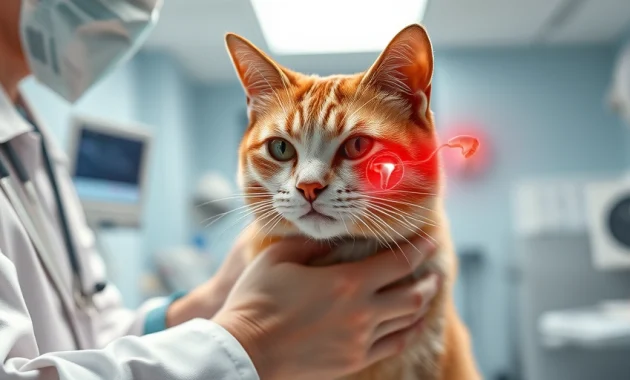
Pyometra is a severe, life-threatening uterine infection that occurs in unspayed female cats. It is a medical emergency that requires immediate veterinary intervention. Understanding how pyometra develops, recognizing its symptoms early, and knowing the necessary treatment options can save your cat's life.
What is Pyometra?
Pyometra is a secondary bacterial infection of the uterus caused by structural and hormonal changes in the feline reproductive tract. It typically manifests a few weeks after a female cat finishes her heat cycle. If left untreated, the infection can cause systemic poisoning, uterine rupture, kidney failure, and death.
What Causes Pyometra in Cats?
The development of pyometra is heavily influenced by hormonal fluctuations—specifically progesterone—during and after the heat cycle. Common causes and risk factors include:
-
Thickening of the Uterine Wall: Each time an unspayed cat goes through a heat cycle without becoming pregnant, the hormone progesterone causes the lining of the uterus to thicken in preparation for pregnancy. Over time, the uterus fails to shed this excess tissue and blood properly.
-
Cyst Formation and Bacterial Growth: Repeated heat cycles without pregnancy cause cysts to form within the thickened uterine wall (Cystic Endometrial Hyperplasia). These cysts secrete fluids that create an ideal, warm environment for bacteria to multiply, leading to an accumulation of pus.
-
Age Factor: Senior unspayed cats are at the highest risk because their uterine linings have undergone years of hormonal thickening and changes.
-
Abnormal Uterine Lining: Cats with irregular reproductive cycles or underlying uterine abnormalities are more vulnerable to secondary bacterial invasions.
Open vs. Closed Pyometra
Pyometra is classified into two distinct types based on whether the cervix (the entrance to the uterus) is open or closed. Both forms severely disrupt kidney function, causing affected cats to drink more water and urinate much more frequently.
Pyometra Classifications:
├── Open Pyometra   ➔ Cervix is open ➔ Pus/blood drains out ➔ Visible discharge on fur/furniture
└── Closed Pyometra ➔ Cervix is closed ➔ Pus is trapped inside ➔ Rapid swelling, risk of rupture
1. Open Pyometra
In this form, the cervix remains open, allowing the foul-smelling pus and bloody discharge to drain out of the body.
-
What to look for: You may notice blood or pus staining your furniture or the cat's bedding. However, because cats are meticulous groomers, they may frequently lick their genital area to clean it, making the discharge harder to spot initially.
2. Closed Pyometra
This is a much more dangerous, acute emergency. Because the cervix is tightly closed, the accumulated pus cannot escape and remains trapped inside the womb.
-
What to look for: The uterus continuously swells with toxins, which are rapidly absorbed into the bloodstream. This leads to severe dehydration, profound lethargy, and a total refusal to eat. If the pressure becomes too high, the uterus can rupture internally, leaking bacteria into the abdominal cavity and causing fatal shock.
Clinical Symptoms Matrix
Symptoms can start mild but will deteriorate rapidly as the infection progresses. Watch for these clinical signs:
| Symptom Category | Specific Signs to Watch For |
| Physical Discharge | Bloody, watery, or pus-like fluid draining from the vulva (Open type). |
| Grooming Habits | Excessive, obsessive licking of the genital area. |
| Systemic Illness | Severe lethargy, depression, loss of appetite (anorexia), vomiting, and diarrhea. |
| Urinary Changes | Increased thirst and unusually frequent urination due to bacterial toxins damaging the kidneys. |
Emergency Treatment and Prevention
If you suspect your cat has pyometra, do not attempt home remedies or delay care. Take her to a veterinary clinic immediately.
Medical Intervention
A veterinarian will confirm the diagnosis using blood tests, a urinalysis, and diagnostic imaging (like an ultrasound or X-ray) to check for an enlarged uterus.
-
Surgical Solution: The definitive and most successful treatment for pyometra is emergency surgery to perform an ovariohysterectomy (spaying). The surgeon will carefully remove the entire infected uterus and ovaries. Your cat will also require intravenous (IV) fluids and aggressive antibiotic therapy to combat systemic infection.
The Best Prevention: Spaying
The absolute best way to protect your female cat from pyometra is to have her sterilized (spayed) before she experiences her first heat cycle, ideally around six months of age. Spaying completely removes the uterus and ovaries, entirely eliminating the risk of this fatal disease and preventing unwanted pregnancies.
FAQ
1. What is pyometra in cats?
Pyometra is a serious bacterial infection of the uterus that affects unspayed female cats. It usually develops after a heat cycle and causes the uterus to fill with pus. Without prompt veterinary treatment, pyometra can quickly become fatal due to sepsis, organ failure, or uterine rupture.
2. What causes pyometra in cats?
Pyometra develops because hormonal changes after each heat cycle cause the uterine lining to thicken. Over time, repeated heat cycles without pregnancy can lead to cyst formation, fluid accumulation, and bacterial growth inside the uterus, resulting in infection.
3. Which cats are most at risk of developing pyometra?
The highest-risk cats include:
- Unspayed adult and senior female cats
- Cats that have experienced multiple heat cycles without pregnancy
- Cats with cystic endometrial hyperplasia (CEH)
- Cats receiving certain hormone-based reproductive medications
4. Can young cats develop pyometra?
Yes. Although pyometra is more common in older cats, younger unspayed females can also develop the condition after one or more heat cycles.
5. What is the difference between open and closed pyometra?
Open pyometra occurs when the cervix remains open, allowing infected pus and blood to drain from the vagina.
Closed pyometra occurs when the cervix is sealed shut, trapping infected material inside the uterus. This form is much more dangerous because pressure continues to build, increasing the risk of uterine rupture and life-threatening infection.
6. What are the early signs of pyometra?
Early symptoms may include:
- Increased thirst
- Frequent urination
- Reduced appetite
- Mild lethargy
- Excessive genital licking
- Vaginal discharge (in open pyometra)
Recognizing these early warning signs greatly improves the chances of successful treatment.
7. What are the emergency symptoms of pyometra?
Seek immediate veterinary care if your cat experiences:
- Complete refusal to eat
- Severe weakness
- Vomiting
- Diarrhea
- Abdominal swelling
- High fever
- Collapse
- Difficulty walking
- Foul-smelling vaginal discharge
These symptoms indicate a medical emergency.
8. Why do cats with pyometra drink more water?
Bacterial toxins released during the infection can interfere with normal kidney function. As a result, affected cats often drink excessive amounts of water and urinate more frequently than usual.
9. How is pyometra diagnosed?
Veterinarians typically diagnose pyometra using a combination of:
- Physical examination
- Medical history
- Complete blood count (CBC)
- Blood chemistry profile
- Urinalysis
- Abdominal ultrasound
- X-rays when necessary
Ultrasound is especially useful for confirming an enlarged, fluid-filled uterus.
10. Can pyometra be treated without surgery?
In rare breeding animals, medical treatment using antibiotics and hormone therapy may be attempted. However, recurrence rates are high, and medical management is generally less effective than surgery.
For most cats, emergency spay surgery (ovariohysterectomy) is the safest and most successful treatment.
11. What happens during pyometra surgery?
During surgery, the veterinarian removes the infected uterus and both ovaries. Most cats also receive:
- Intravenous fluids
- Broad-spectrum antibiotics
- Pain management
- Close monitoring during recovery
Removing the infected uterus eliminates the source of infection.
12. What is the recovery time after pyometra surgery?
Most cats recover within 10 to 14 days if the condition is treated before severe complications develop. During recovery, owners should:
- Restrict activity
- Administer all prescribed medications
- Monitor the surgical incision
- Attend follow-up veterinary appointments
13. Can pyometra be prevented?
Yes. The only complete prevention is spaying. Removing the uterus and ovaries permanently eliminates the risk of pyometra and also prevents unwanted pregnancies.
14. When should a female cat be spayed?
Most veterinarians recommend spaying healthy kittens at around five to six months of age, ideally before the first heat cycle. Early spaying significantly reduces reproductive diseases later in life.
15. Is pyometra fatal if left untreated?
Yes. Without treatment, pyometra is almost always fatal. The infection can lead to septic shock, kidney failure, uterine rupture, peritonitis, and death within a short period.
16. Can a cat survive pyometra?
Yes. With prompt diagnosis, emergency surgery, antibiotics, and supportive care, many cats make a full recovery. Early treatment greatly improves survival rates.
17. Does pyometra come back after surgery?
No. Once the uterus and ovaries are completely removed during a successful ovariohysterectomy, pyometra cannot recur because the infected reproductive organs are no longer present.
18. Should I try home remedies for pyometra?
No. Pyometra is a true veterinary emergency. Home remedies cannot eliminate the infection or drain the infected uterus. Delaying treatment greatly increases the risk of fatal complications.