Clinical Care and Triage Protocols for Anorexic and Lethargic Felines: Managing the Sensitive Gastrointestinal System
2 months ago
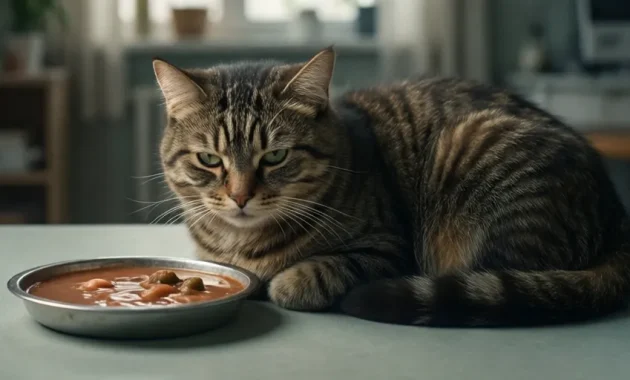
When a cat becomes lethargic and refuses to eat (anorexia), it is a clear clinical signal that their body is fighting an underlying issue. In feline medicine, anorexia is not a disease itself, but a high-priority symptom that requires immediate attention.
One of the most common causes behind a cat losing their appetite and dynamic energy is a sensitive gastrointestinal (GI) tract. When a cat's digestive system is inflamed or irritated, eating causes discomfort, leading to a dangerous cycle of food avoidance and worsening weakness.
This veterinary guide explores the pathophysiology of feline gastrointestinal sensitivity, breaks down the dangerous clinical risks of prolonged fasting, and outlines five targeted nutritional strategies to help stabilize an anorexic cat and rebuild their digestive health.
                  THE ANOREXIA DISRUPTION CYCLE
[Underlying GI Inflammation] ──► [Discomfort Upon Ingestion] ──► [Food Avoidance / Anorexia]
                                                                            │
                                                                            ▼
[ Hepatic Lipidosis Risk ] ◄── [ Rapid Mobilization of Fat Stores ] ◄── [ Lethargy & Muscle Wasting ]
Pathophysiology Why GI Sensitivity Causes Lethargy and Anorexia
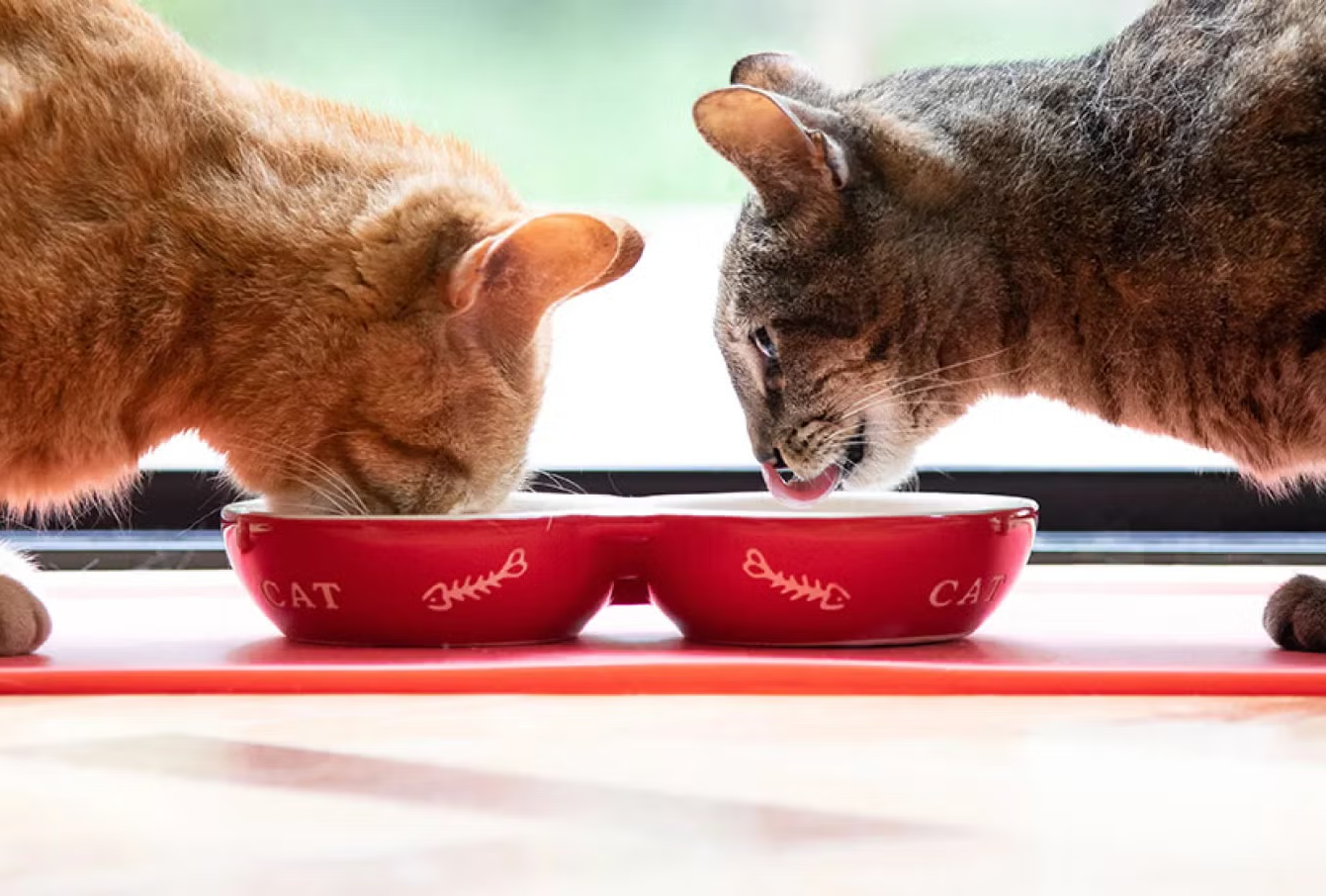
A cat's gastrointestinal tract is a complex immunological organ. When a cat has a "sensitive stomach," their digestive tract is highly reactive to structural disruptions, artificial additives, chemical preservatives, or hard-to-digest proteins.
Several key factors can trigger this digestive sensitivity:
-
Dietary Intolerances and Allergies: The immune system in the gut wall can overreact to specific intact protein structures, causing chronic, low-grade inflammation.
-
Microbiome Dysbiosis: An imbalance between beneficial and harmful bacteria in the gut reduces the tract's ability to process nutrients safely.
-
Motility Sluggishness: When the stomach and intestines move food too slowly or too quickly, it can cause uncomfortable gas buildup, nausea, and fluid shifts that lead to loose, watery stools.
When the gut lining is chronically inflamed, the cat experiences constant nausea and abdominal pain. Because cats instinctively avoid anything that causes discomfort, they quickly stop eating.
As their energy intake drops to zero, systemic lethargy sets in. This weakness is worsened by the rapid loss of fluids and essential electrolytes (like potassium and sodium) caused by concurrent vomiting or diarrhea.
The Critical Danger of Feline Fasting The Threat of Hepatic Lipidosis
While a healthy dog or human can safely endure several days of low caloric intake, an overweight or normal-weight cat cannot fast safely. Prolonged anorexia in felines can quickly trigger a life-threatening metabolic condition known as Feline Hepatic Lipidosis (Fatty Liver Disease).
               THE HEPATIC LIPIDOSIS STEP MATRIX
                       [Prolonged Anorexia]
                                │
                                ▼
         [Body Floods the Liver with Stored Fat Substrates]
                                │
                                ▼
         [Liver is Overwhelmed and Cannot Process the Fat]
                                │
                                ▼
      [Intrahepatic Cholestasis & Acute Metabolic Liver Failure]
When a cat's body receives zero food energy, it panics and begins rapidly breaking down its peripheral fat stores to use as fuel. These fat molecules flood the bloodstream and travel directly to the liver to be processed into usable energy.
However, the feline liver is not built to handle a massive, sudden influx of fat. It quickly becomes overwhelmed, storing the excess fat inside its functional cells (hepatocytes).
As these cells swell with fat, they compress the liver's internal transport systems, leading to severe bile accumulation (intrahepatic cholestasis) and acute liver failure.
To prevent this dangerous metabolic descent, veterinary intervention and nutritional support must begin if a cat has experienced total anorexia for more than 24 to 48 hours.
Identifying the Signs of Gastrointestinal Sensitivity
To prevent a sudden drop in appetite, pet owners must learn to spot the early warning signs of a sensitive or failing digestive tract before the cat becomes completely weak. Watch for these key clinical symptoms:
-
Frequent Vomiting and Intermittent Hairballs: While owners often dismiss occasional hairballs as normal feline behavior, frequent vomiting of hair or food is a common sign of underlying inflammatory bowel conditions or poor gut movement.
-
Unexplained Weight Loss: A steady drop in body weight or loss of muscle mass along the spine indicates that the intestines are struggling to absorb nutrients properly.
-
Persistent Soft, Watery Stools: Chronic diarrhea, soft stools, or stools that contain drops of fresh blood or clear mucus indicate ongoing inflammation in the colon.
Five Targeted Nutritional Strategies for Anorexic and GI-Sensitive Cats
When rebuilding the diet of a weak, anorexic cat with a sensitive stomach, you cannot simply use standard pet food. The nutritional strategy must focus on minimizing digestive workload while maximizing nutrient absorption.
               THE TARGETED NUTRIENT SOLUTIONS
                                │
     ┌──────────────────────────┼──────────────────────────┐
     ▼                          ▼                          ▼
[ Allergen Exclusion ]    [ Thermal Softening ]     [ Microbiome Support ]
 Exclude complex protein   Utilize highly digestible  Introduce beneficial
 structures to prevent     wet food to reduce work    probiotics to balance
 inflammatory triggers     and support hydration      internal gut flora
1. Diets Free from Common Dietary Triggers
The immune cells inside the intestinal walls are highly sensitive to complex, heavy protein structures. If a cat has a food allergy, these proteins trigger an immediate inflammatory response.
To give the gut a chance to heal, choose diets that use select, high-quality, non-traditional protein sources, or hydrolyzed proteins (where the protein molecules are broken down into tiny pieces that easily slip past the immune system undetected).
2. Highly Digestible Blends (The Power of Wet Food)
When a cat is weak, their digestive tract lacks the energy to break down hard, dry kibble. Formulating the diet around premium wet foods provides two major therapeutic benefits:
-
Reduced Digestive Effort: The proteins in high-quality wet foods undergo specialized cooking processes that soften the molecular bonds, allowing the cat's enzymes to break them down easily with minimal energy expenditure.
-
Essential Hydration Support: Wet food provides a rich source of moisture that directly replaces lost fluids, helping to protect kidney function and ease dehydration-induced nausea.
3. Diets with Exceptionally High Digestibility Ratings
In veterinary nutrition, there is a clear difference between food that is simply "easy to digest" and food engineered with a high digestibility rating. High-digestibility diets are formulated using premium raw ingredients and clean manufacturing processes that reduce the food's ash content (the mineral residue left over after processing).
A lower ash value correlates with a higher digestibility rating, meaning the cat's body can easily absorb nearly all the nutrients in the food, leaving very little waste behind to ferment and cause irritation in the lower bowel.
4. Probiotic and Microbiome Enrichment
Introducing beneficial bacteria directly into the diet is a highly effective way to stabilize an upset stomach. Adding clinically proven probiotics, such as Bacillus coagulans, helps support the gut in several ways:
-
They crowd out and suppress dangerous, gas-producing pathogens like Clostridium or Salmonella.
-
They reinforce the delicate physical barrier of the gut wall.
-
They produce short-chain fatty acids that nourish the cells lining the colon, accelerating recovery.
5. Specialized, Veterinary-Formulated Sensitive GI Diets
For long-term maintenance and protection against future relapses, transition your cat onto a therapeutic diet specifically engineered for sensitive skin and stomachs, such as Pro Plan Sensitive Skin & Stomach.
This specialized formula combines highly digestible alternative proteins with targeted prebiotic fibers and optimal omega fatty acids to soothe inflammation.
To maximize the benefits, use a mixed-feeding strategy: combine the dry kibble with Pro Plan Wet Sensitive formulas to enhance taste, stimulate their appetite, and provide essential hydration.
Clinical Lookup Matrix for Managing Feline Anorexia
This clinical triage reference coordinates symptoms, underlying causes, and immediate nutritional actions for managing weak, anorexic felines.
Summary: When to Seek Immediate Veterinary Care
While adjusting your cat's diet using these specialized strategies can successfully manage low-grade, chronic stomach sensitivities, acute lethargy paired with total food refusal is a medical emergency.
If your cat completely refuses to eat for more than 24 to 48 hours, or if their lack of appetite is accompanied by uncontrollable vomiting, high fever, or complete weakness, you must bypass home adjustments and take them to a veterinarian immediately. Your vet can administer fast-acting injectable anti-nausea medications, provide vital intravenous fluid therapy, and run diagnostic blood work to identify the root cause and save your cat's life.
Frequently Asked Questions (FAQ)
1. Why is my cat suddenly refusing to eat but still drinking water?
A cat that continues drinking but refuses food is often experiencing nausea, gastrointestinal discomfort, dental pain, stress, or an early systemic illness. Cats instinctively avoid eating when ingestion causes pain or stomach irritation. Even if hydration seems normal, prolonged food refusal can rapidly trigger dangerous metabolic complications like feline hepatic lipidosis, especially in overweight cats.
2. How long can a cat safely go without eating?
Cats should never go completely without food for more than 24 to 48 hours. Unlike many other species, a fasting cat rapidly mobilizes fat stores into the liver, which can overwhelm liver function and lead to life-threatening fatty liver disease. Kittens, senior cats, and overweight cats are especially vulnerable and may decline much faster.
3. What are the first warning signs of a sensitive stomach in cats?
Early gastrointestinal sensitivity often appears before total anorexia develops. Common warning signs include:
- Frequent vomiting or hairballs
- Soft stools or intermittent diarrhea
- Excessive gas or abdominal bloating
- Reduced appetite after meals
- Weight loss or muscle wasting
- Lip licking or swallowing motions linked to nausea
Recognizing these signs early allows dietary intervention before the cat becomes severely weak or dehydrated.
4. Why does my cat become lethargic when they stop eating?
When a cat stops eating, their body loses access to immediate glucose and amino acid energy sources. This quickly causes weakness, electrolyte imbalance, dehydration, and muscle breakdown. If vomiting or diarrhea is also present, fluid and potassium loss accelerate the lethargy dramatically.
5. Is wet food better than dry kibble for cats with GI sensitivity?
Yes. High-quality wet food is often easier for sensitive cats to tolerate because it provides:
- Higher moisture content for hydration
- Softer protein structures that require less digestive effort
- Better palatability to stimulate appetite
- Reduced risk of dehydration-related nausea
Many veterinarians recommend combining therapeutic wet and dry sensitive-stomach formulas for optimal digestive support.
6. Can stress alone cause anorexia in cats?
Absolutely. Cats are highly stress-sensitive animals. Environmental disruptions such as moving homes, loud noises, new pets, unfamiliar visitors, or changes to feeding routines can trigger stress-induced anorexia and gastrointestinal upset. Stress also disrupts gut motility and microbiome balance, worsening nausea and digestive discomfort.
7. What is feline hepatic lipidosis and why is it dangerous?
Feline hepatic lipidosis, commonly called fatty liver disease, occurs when a fasting cat rapidly breaks down body fat for energy. The liver becomes overloaded with fat deposits and loses its ability to function properly. Without aggressive nutritional intervention and veterinary care, the condition can progress to liver failure and death.
Common symptoms include:
- Complete food refusal
- Severe lethargy
- Vomiting
- Rapid weight loss
- Yellow discoloration of the eyes or gums (jaundice)
8. Can probiotics help a cat with chronic stomach problems?
Yes. Veterinary probiotics containing beneficial bacterial strains may help restore microbial balance inside the intestines. They can:
- Suppress harmful bacteria
- Improve stool consistency
- Reduce gas and bloating
- Strengthen the gut lining
- Support immune regulation within the GI tract
However, probiotics work best when paired with an appropriate sensitive-stomach diet and proper veterinary evaluation.
9. Should I force-feed my cat if they refuse food?
Force-feeding should never be attempted aggressively at home without veterinary guidance. Improper force-feeding can cause aspiration pneumonia if food enters the lungs. If your cat has not eaten for over 24 hours, contact a veterinarian immediately for safe appetite stimulants, anti-nausea therapy, or assisted feeding protocols.
10. When should I take my cat to the emergency veterinarian immediately?
Seek urgent veterinary care if your cat shows any of the following:
- No food intake for over 24–48 hours
- Continuous vomiting
- Bloody diarrhea or black stool
- Severe weakness or collapse
- Rapid breathing or dehydration
- Yellow gums or eyes
- Sudden dramatic weight loss
- Inability to stand or walk normally
Cats deteriorate metabolically much faster than many owners realize, so rapid intervention can be life-saving.