
The Acoustic Language of Felines: Deconstructing the Cat Huff, Vocalization Science, and Respiratory Health
7 days ago
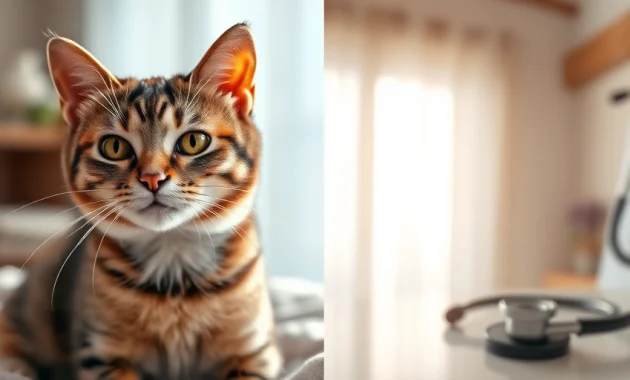
If you have spent any significant time living alongside domestic cats, you already know that they possess a rich and varied vocal vocabulary. From gentle purrs and soft chirps to insistent meows and sharp hisses, felines use sound to navigate their relationships with humans, communicate with other animals, and react to their surroundings.
Yet, among this wide spectrum of sounds, few noises leave cat parents as puzzled as the cat huff.
It is not quite a hiss, nor is it a sneeze, a snort, or a standard sigh. A cat huff is a sudden, sharp release of air through the nose with the mouth held closed. To human ears, it can sound like a sarcastic heavy sigh, a quiet snort, or a burst of frustration.
Because this single noise can signal everything from pure contentment to deep frustration—or even point to an underlying medical emergency—understanding what drives it is essential for every cat owner.
This comprehensive guide explores the mechanics of feline vocalization, dissects the reasons behind cat huffs, and helps you differentiate between harmless emotional sighs and serious respiratory issues.
Anatomy and Vocal Mechanics of Feline Sounds
To understand why a cat huffs, you first need to look at how felines produce sound compared to other mammals.
Anatomical Production Pathways of Feline Sounds:
┌─────────────────────────────────────────────────────────────┐
│                 Expiratory Airflow Source                   │
│                     (Lungs & Diaphragm)                     │
└──────────────────────────────┬──────────────────────────────┘
                               │
            ┌──────────────────┴──────────────────┐
            ▼                                     ▼
┌───────────────────────┐             ┌───────────────────────┐
│     Phonated Route    │             │   Non-Phonated Route  │
│  - Vocal Cords Active │             │  - Vocal Cords Passive│
│  - Meows, Purrs,      │             │  - Hisses (Open Mouth)│
│    Chirps, Yowls      │             │  - Huffs (Closed)     │
└───────────────────────┘             └───────────────────────┘
1. Phonated vs. Non-Phonated Vocalizations
Feline acoustic communication generally falls into two primary categories:
-
Phonated Vocalizations: These sounds rely on the vibration of vocal folds inside the larynx (voice box). Driven by controlled air pushed from the lungs, phonated sounds include meows, purrs, trills, and yowls. The cat alters their mouth shape and pitch to change the sound's meaning.
-
Non-Phonated (Aspirated) Vocalizations: These sounds do not rely on vocal cord vibrations. Instead, they are generated purely by rapid air moving through various parts of the respiratory tract.
-
The Hiss: Air forced rapidly out through an open mouth, creating a sharp friction sound against the teeth and tongue.
-
The Huff: Air forced rapidly through the nasal passages while the mouth remains completely closed.
-
2. Physical Production of the Cat Huff
When a cat huffs, their diaphragm contracts sharply, pushing a quick burst of air up through the trachea and into the nasal cavity.
Nasal Airflow Dynamics During a Huff:
[Sharp Diaphragmatic Push] ──► Air Rushes Up Trachea ──► Passes Closed Mouth ──► Forced Through Nasal Passages
                                                                                         │
                                                                                         ▼
                                                                     Audible "Huff" / Snort Sound
Because the soft palate seals off the mouth, air bursts through the narrow nasal turbinates. This sudden rush creates a sharp, short burst of air—often sounding like a heavy snort, a sharp puff, or a quiet sigh.
Decoding the Feline Huff: Behavioral and Emotional Drivers
Why does your cat make this unique sound? Most everyday huffs are driven by emotional shifts, mood changes, or environmental stress.
Behavioral Trigger Spectrum:
├── Contentment & Relaxation ➔ Single, quiet huff when settling down to sleep
├── Frustration & Annoyance  ➔ Loud, repeated huffs when food or play is delayed
├── Post-Play Fatigue       ➔ Light recovery huff after a fast zoomies session
└── Stress & Anxiety         ➔ Persistent huffing paired with hiding or overgrooming
1. Pure Relaxation and Contentment (The Feline Sigh)
Just like humans let out a deep breath when collapsing onto a comfortable couch, cats use gentle huffs to signal physical relaxation.
Relaxation Sequence:
Cat Circles Favorite Spot ──► Settles Body Down ──► Releases Single Soft Huff ──► Enters Deep Rest State
If your cat curls up in a sunbeam, tucks their paws under their chest, lets out a quiet nasal huff, and closes their eyes, this noise simply marks the transition from active alertness to peaceful rest. It shows that your cat feels safe and relaxed in their environment.
2. Frustration, Displeasure, and Impatience
On the flip side, huffing can also serve as a quiet expression of annoyance. Cats are creatures of habit with high expectations; when reality fails to meet those expectations, they let their humans know.
Common triggers for a frustrated huff include:
-
A food bowl that is half-empty or served a few minutes late.
-
A favorite feather toy stuck just out of reach under the sofa.
-
A human who stops petting them before they are ready.
-
Being moved off a warm laptop keyboard.
These frustrated huffs tend to be sharper and louder than relaxation sighs, often paired with a twitching tail or an annoyed stare.
3. Post-Play Recovery and Fatigue
After a high-speed game of chasing a laser pointer or zooming across the house, a cat may let out a few short huffs while catching their breath.
While a quick recovery huff is normal after intense exercise, keep in mind that cats should not pant like dogs. If your cat opens their mouth to pant, breathes heavily, or wheezes after play, stop the activity immediately and consult your veterinarian.
4. Environmental Stress and Social Anxiety
Cats are sensitive to changes in their territory. When faced with environmental stressors, some cats express anxiety through repeated huffing or snorting.
Anxiety Manifestation Loop:
Environmental Stressor (New Pet / Loud Noise) ──► Cortisol Spike ──► Rapid Breathing / Huffing
                                                                               │
                                                                               ▼
                                                            Hiding / Overgrooming / Inappetence
If a cat feels threatened by an outdoor roaming cat or overwhelmed by loud household construction, they may stand tense, tail tucked, letting out small bursts of air through their nose as they scan for threats.
Medical and Respiratory Causes of Huffing
While an occasional emotional huff is completely normal, persistent, frequent, or loud huffing can point to an underlying medical issue affecting the respiratory system.
Medical Condition Map:
├── Feline Asthma            ➔ Chronic airway inflammation causing wheezing and coughing
├── Upper Respiratory (URI)   ➔ Mucus buildup from viral/bacterial "cat flu"
├── Congestive Heart Failure ➔ Fluid accumulation in lungs causing heavy, labored breathing
└── Foreign Objects / Polyps ➔ Physical obstructions inside narrow nasal passages
1. Feline Asthma and Chronic Bronchitis
Feline asthma is a chronic inflammatory condition of the lower airways affecting roughly 1% to 5% of cats.
When exposed to airborne irritants—such as dusty litter, cigarette smoke, incense, or artificial fragrances—the air passages inside the lungs contract and swell, filling with thick mucus.
Asthmatic Airway Mechanics:
Allergen Exposure ──► Airway Wall Swelling + Mucus Production ──► Narrowed Air Passages
                                                                          │
                                                                          ▼
                                                       Wheezing, Coughing, and Huffing
An asthmatic cat may stretch their neck out low to the ground and make sharp huffing, coughing, or wheezing noises as they try to push air through narrowed bronchial tubes.
2. Upper Respiratory Infections (URIs / Cat Flu)
Upper respiratory infections—typically caused by Feline Herpesvirus-1 (FHV-1) or Feline Calicivirus (FCV)—are common in cats.
As the infection progresses, nasal tissues swell and produce thick discharge. This forces the cat to breathe past blocked nasal passages, resulting in snuffling, wet huffing, and sneezing as they try to clear their nose.
3. Congestive Heart Failure (CHF) and Cardiac Conditions
Heart conditions, such as Hypertrophic Cardiomyopathy (HCM), can impair the heart's ability to pump blood efficiently, leading to fluid accumulation in or around the lungs (pulmonary edema).
Cats in cardiac distress often display rapid, shallow breathing that can sound like heavy huffing or snorting. Because cats instinctively hide signs of illness, subtle changes in resting breathing rates are often the first sign of trouble.
4. Foreign Bodies and Nasal Polyps
Cats are naturally curious and can easily inhale tiny foreign objects—such as blade tips of grass, dust balls, or small seeds—into their nasal passages.
In addition, some cats develop benign growths called nasal polyps inside their airways. Both foreign objects and polyps physically block airflow, prompting the cat to huff and snort repeatedly to clear the blockage.
How to Evaluate Your Cat's Huff: A Diagnostic Guide
Because a huff can stem from either a simple emotion or a serious medical issue, observing the surrounding context helps you determine the right response.
Observational Context Triage Matrix:
├── Benign Emotional Huff ➔ Occurs once during rest/play; body language is relaxed/playful
└── Medical Warning Huff  ➔ Continuous/repetitive; paired with low energy, coughing, or pale gums
Use this checklist to evaluate your cat's behavior when they huff:
When to Seek Immediate Veterinary Care
Respiratory issues in cats can escalate quickly. Recognizing red flag symptoms allows you to seek emergency veterinary care when every minute counts.
Emergency Red Flag Triggers:
[Open-Mouth Breathing / Panting] ──┐
[Blue, Pale, or Gray Gums]      ──┼──► EMERGENCY VETERINARY INTERVENTION
[Neck Stretched Out / Struggling]──┘
🚨 Critical Emergency Red Flags:
Seek immediate emergency veterinary care if your cat's huffing is accompanied by any of the following symptoms:
Open-mouth breathing or panting at rest.
Blue, gray, or pale gums and tongue (indicating oxygen deprivation).
Abdominal effort while breathing (the belly expands and contracts hard with every breath).
Stretching the neck out long and low while gasping or coughing.
Sudden weakness, collapsing, or inability to stand.
Conclusion: Becoming Attuned to Your Cat's Voice
Communication with our feline companions is built on subtle signals. A cat huff is just one entry in a complex language that combines body posture, tail movements, facial expressions, and vocalizations.
By paying attention to context, reading body language, and knowing the difference between a satisfied sigh and a sign of respiratory distress, you can respond thoughtfully to your cat's needs—ensuring they stay happy, healthy, and understood.
Quick Reference: Cat Huff Assessment Guide
| Scenario / Observation | Likely Cause | Recommended Action |
| Single huff while curling up in bed | Relaxation / Contentment | No action needed; enjoy your happy cat. |
| Sharp huff while looking at a high shelf | Frustration / Annoyance | Engage in play or help them access their toy. |
| Short huffs right after a zoomies session | Normal Physical Recovery | Allow them to rest; ensure fresh water is available. |
| Wet-sounding huffs with nasal discharge | Upper Respiratory Infection | Schedule a visit with your primary veterinarian. |
| Repeated huffs with neck stretched low | Feline Asthma / Bronchitis | Consult your vet for diagnostic imaging and medication. |
| Open-mouth breathing, panting, pale gums | Severe Respiratory / Cardiac Crisis | Immediate Emergency Vet Visit. |
Frequently Asked Questions (FAQ)
1. Why does my cat make a huffing sound?
A cat huff is a short, forceful burst of air released through the nose while the mouth remains closed. In many cases, it is completely normal and simply reflects your cat's emotional state. Cats may huff when they are relaxing, feeling mildly frustrated, recovering after an energetic play session, or reacting to a stressful situation. However, frequent or persistent huffing can also indicate respiratory problems that require veterinary attention.
2. Is a cat huff the same as a hiss?
No. Although both sounds involve forceful exhalation, they are produced differently.
- A huff is made with the mouth closed and air expelled through the nose.
- A hiss is made with the mouth open, exposing the teeth while forcing air across the tongue.
A hiss is almost always a defensive warning, whereas a huff may represent relaxation, annoyance, stress, or, in some cases, respiratory discomfort.
3. Should I worry if my cat huffs once while lying down?
Usually not.
A single quiet huff while your cat settles into a favorite sleeping spot often resembles a human sigh. It typically indicates your cat feels comfortable, secure, and relaxed. If your cat continues resting normally, eating well, and behaving as usual, there is generally no cause for concern.
4. Why does my cat huff when they're annoyed?
Cats use body language and subtle vocalizations to express frustration. Your cat may huff if:
- Dinner is late.
- A toy becomes stuck under furniture.
- You stop petting them too soon.
- They cannot reach a favorite resting place.
- Their routine has been interrupted.
These huffs are often accompanied by tail flicking, narrowed eyes, or an irritated stare.
5. Can stress cause a cat to huff?
Yes.
Stress and anxiety can trigger huffing in some cats. Common stressors include:
- Moving to a new home
- Introducing another pet
- Loud construction or fireworks
- Veterinary visits
- Changes in daily routine
- Outdoor cats entering their territory
If stress-related huffing occurs alongside hiding, decreased appetite, or excessive grooming, reducing environmental stress and consulting your veterinarian may help.
6. Why does my cat huff after playing?
A few light huffs immediately after an intense play session can simply be part of normal recovery. Cats briefly increase their breathing rate after vigorous activity before returning to normal.
However, cats should not pant like dogs. If your cat is breathing with an open mouth, wheezing, or struggling to recover after exercise, discontinue play immediately and seek veterinary advice.
7. Can huffing indicate a medical problem?
Yes.
Persistent or unusual huffing may be associated with medical conditions such as:
- Feline asthma
- Chronic bronchitis
- Upper respiratory infections
- Nasal polyps
- Foreign objects in the nose
- Heart disease
- Allergic airway inflammation
If the huffing becomes frequent, louder than normal, or occurs without an obvious trigger, a veterinary examination is recommended.
8. How can I tell whether my cat's huff is normal or serious?
Pay attention to the context.
A normal huff usually:
- Happens only once or occasionally.
- Occurs during relaxation or mild frustration.
- Is not accompanied by coughing or breathing difficulty.
A concerning huff may:
- Occur repeatedly throughout the day.
- Be accompanied by wheezing.
- Include coughing or sneezing.
- Be associated with nasal discharge.
- Occur with rapid breathing or lethargy.
Monitoring your cat's overall behavior provides important clues about whether veterinary care is needed.
9. What is a normal breathing rate for a resting cat?
A healthy resting cat generally breathes between 15 and 30 breaths per minute while sleeping or calmly resting.
If your cat consistently breathes more than 30 breaths per minute while resting—or shows obvious effort when breathing—you should contact your veterinarian promptly.
10. When should I take my cat to the veterinarian for huffing?
Schedule a veterinary appointment if your cat experiences:
- Frequent or persistent huffing.
- Wheezing or coughing.
- Nasal discharge.
- Reduced appetite.
- Low energy.
- Repeated sneezing.
- Breathing that appears noisy or labored.
Early diagnosis can help identify respiratory infections, asthma, allergies, or other underlying conditions before they worsen.
11. What symptoms require emergency veterinary care?
Seek immediate emergency veterinary care if your cat shows any of the following:
- Open-mouth breathing or panting while at rest.
- Blue, gray, or pale gums.
- Severe difficulty breathing.
- Neck stretched forward while gasping.
- Collapse or extreme weakness.
- Rapid abdominal breathing.
These symptoms may indicate a life-threatening respiratory or cardiac emergency.
12. Can kittens huff too?
Yes.
Kittens may occasionally huff when startled, frustrated, or settling down to sleep. However, because kittens have developing immune systems, persistent huffing combined with sneezing, nasal discharge, poor appetite, or lethargy should be evaluated promptly to rule out upper respiratory infections.