The Ultimate Feline Diarrhea Survival Guide: Causes, Home Remedies, and When to Rush to the Vet
2 months ago
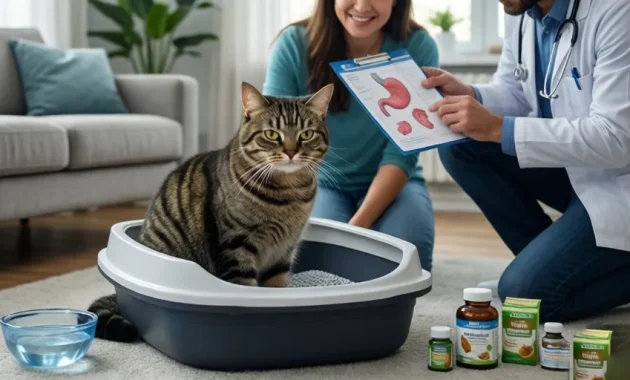
Every cat owner knows the sudden, stomach-dropping dread of stepping into the living room only to find a puddle of liquid stool, or hearing the frantic scratching of a cat trying—and failing—to bury explosive diarrhea in the litter box. Your once-regal, independent feline companion is suddenly lethargic, uncomfortable, and visibly miserable.
As a dedicated "PetLovers" parent, your immediate instinct is a mix of deep concern and frantic questions: Why is my cat painting the house? Did they eat something toxic? Are they severely dehydrated? What can I do right this second to make it stop?
Feline diarrhea is one of the most common reasons cats are presented to emergency veterinary clinics. However, it is a clinical symptom, not a standalone disease. It is a visible manifestation of an underlying disruption in your cat’s delicate gastrointestinal ecosystem. Because cats are evolutionarily designed to hide illness, by the time they show obvious signs of digestive distress like loose stools, their bodies are already fighting a hard internal battle. If left unchecked, acute diarrhea can rapidly transition from a simple case of an upset stomach into a life-threatening crisis marked by severe dehydration, electrolyte depletion, metabolic acidosis, and hypovolemic shock.
This comprehensive, highly detailed medical and nutritional manual is written in a clear, human-centered style to strip away the panic of the unknown. It explores the physiological causes of feline diarrhea, uncovers the mechanics of the cat's digestive tract, provides evidence-based first-aid protocols you can safely implement at home, and reveals how targeted advanced nutrition can restore your cat’s intestinal health.
The Anatomy and Pathophysiology of the Feline Gastrointestinal Tract

To understand why your cat has diarrhea, you must first understand the unique evolutionary biology of the feline digestive system. Cats are obligate carnivores. This means their bodies are anatomically and physiologically hardwired to process a diet consisting almost exclusively of animal proteins and fats.
Unlike humans or dogs, who are omnivores and possess long, winding intestinal tracts designed to slowly ferment complex plant matters and carbohydrates, the cat’s gastrointestinal (GI) tract is remarkably short, highly specialized, and exceptionally fast.
                  THE OBLIGATE CARNIVORE DIGESTIVE TIMELINE

  [ Ingestion ] ──► [ Highly Acidic Stomach ] ──► [ Rapid Intestinal Transit ] ──► [ Defecation ]
                         (pH 1.5 - 2.5)                (Short, specialized)
The feline stomach is a highly acidic environment, frequently maintaining a baseline pH between 1.5 and 2.5. This intense acidity is an evolutionary defense mechanism designed to break down dense animal tissues, dissolve bones, and destroy environmental pathogens like raw bacteria before they can travel deeper into the body.
From the stomach, food moves into the small intestine, where the vast majority of nutrient absorption takes place. The walls of the feline small intestine are lined with millions of microscopic, finger-like projections called villi. These villi increase the available surface area of the gut, acting as specialized gatekeepers that absorb amino acids, fatty acids, vitamins, and minerals into the bloodstream.
Finally, the remaining material enters the large intestine (colon). The colon’s primary biological job is to extract water and essential water-soluble electrolytes from the remaining waste, compacting it into solid, well-formed stools.
When a pathogen, toxin, or inappropriate food item irritates the delicate lining of the intestines, this entire system goes into a state of hyper-reactive defense. The body triggers a process known as hypermotility—the smooth muscles of the intestines begin contracting violently and rapidly, speeding up the transit time of the food. Simultaneously, the inflamed intestinal walls lose their ability to absorb fluids, and water is actively drawn out of the bloodstream and into the gut lumen.
The result? The colon is completely overwhelmed by a massive rush of liquid waste, leading to the rapid, loose, and voluminous evacuations we recognize as diarrhea.
The Deep Dive – 4 Primary Under-the-Radar Causes of Feline Diarrhea
Feline diarrhea does not happen in a vacuum. It is always triggered by a specific internal or external disruptor. Let's look closely at the four primary causes behind your cat's digestive upset.
                        THE 4-PRONGED ETIOLOGY OF CAT DIARRHEA

           ┌───────────────────────────────┼───────────────────────────────┐
           ▼                               ▼                               ▼
  [ Diet Alteration ]             [ Immune Response ]             [ Toxic Ingestion ]
  • Sudden food shifts            • Protein allergies             • Human food toxins
  • Enzyme deficiencies           • Inflammatory Bowel            • Spoiled proteins
           │                                                               │
           └───────────────────────────────┬───────────────────────────────┘
                                           ▼
                                  [ Pathogenic Invasion ]
                                  • FPV, FeLV, Salmonella
                                  • Giardia, Cryptosporidium
1. Diet Alteration and the Mechanics of "Maldigestion"
The most common cause of sudden feline diarrhea is a rapid change in diet. Many well-meaning cat owners decide to buy a new brand of cat food, bring it home, and instantly dump a full portion into their cat’s bowl, completely skipping a transitional phase.
Within the feline gut lives a delicate, highly synchronized ecosystem of trillions of live bacteria known as the gut microbiome. This microflora population customizes its composition over time to produce the exact types and quantities of digestive enzymes required to break down the specific ingredients your cat routinely eats.
When you switch your cat's food instantly, the existing microflora population is caught off guard. The new formula may contain different protein sources, unfamiliar carbohydrate binders, or distinct fat profiles that the cat’s current enzyme blueprint cannot process. This results in maldigestion.
Undigested food molecules travel intact into the colon, where they pull water from surrounding tissues through osmotic pressure, causing liquid diarrhea. Furthermore, this undigested material causes an overgrowth of harmful, gas-producing bacteria, resulting in painful abdominal bloating, loud gurgling noises (borborygmi), and systemic discomfort.
2. Food Allergies and Chronic Gastrointestinal Inflammation
While many owners confuse food intolerance (maldigestion due to enzyme deficiencies) with a true food allergy, the latter is a distinct, immune-mediated disease. Food allergies are not as common as environmental allergies in cats, but when they occur, they target the gastrointestinal tract and the skin with equal severity.
A feline food allergy happens when a cat’s immune system mistakenly identifies a completely harmless food protein molecule as an invading foreign pathogen. The body’s mast cells respond by releasing a massive wave of inflammatory histamines directly into the lining of the gut. Over time, this chronic immune response damages the delicate intestinal villi, flattening them and reducing their ability to absorb nutrients.
Interestingly, cats are most frequently allergic to the proteins they have consumed for years. The top dietary allergens for domestic cats include:
-
Chicken
-
Beef
-
Fish
-
Dairy products (contrary to popular culture, adult cats lack significant amounts of the lactase enzyme; feeding them cow's milk induces severe osmotic diarrhea).
When a cat suffers from a true food allergy, their diarrhea is often chronic or intermittent, lasting for weeks at a time. It is frequently accompanied by dermatological signs, such as intense facial scratching, hair loss around the ears, red and inflamed paws, and chronic ear infections.
3. Food Poisoning and Ingested Domestic Toxins
Cats are meticulous groomers, but they are also curious animals that explore their environments using their mouths. Ingestion of spoiled proteins, contaminated water, or everyday human foods can cause severe chemical or bacterial irritation to their digestive organs.
Spoiled and Raw Foods
Feeding your cat an unregulated raw meat diet or letting them eat wet food that has sat out in a warm room for several hours opens the door to food poisoning. Spoiled food is a breeding ground for bacterial toxins that irritate the stomach and upper intestines, triggering rapid vomiting and watery diarrhea.
Toxic Human Foods
Many common items in human pantries contain compounds that are highly toxic to the feline metabolic system:
-
Chocolate: Contains theobromine and caffeine, stimulants that cats cannot break down. Ingestion causes vomiting, diarrhea, rapid heart rate, muscle tremors, and fatal seizures.
-
Alliums (Onions, Garlic, Leeks, Chives): Whether raw, cooked, or in powder form, alliums contain organic sulfoxides. When a cat digests these compounds, they interact with red blood cells, causing oxidative damage. This leads to the formation of "Heinz bodies" and triggers hemolytic anemia—a condition where the body destroys its own red blood cells. Diarrhea and vomiting are the initial warning signs of this internal damage.
-
Raw Eggs: Introduce a double threat. First, they carry a high risk of Salmonella contamination. Second, raw egg whites contain an enzyme called avidin, which binds tightly to biotin (Vitamin B7) in the gut, making it unabsorbable. Over time, this causes severe nutritional deficiencies alongside chronic digestive upset.
4. Pathogenic Invasions: The Microscopic Aggressors
When a cat's diarrhea is watery, foul-smelling, and explosive, the cause is often an infectious pathogen that has breached the local defenses of the gastrointestinal wall.
Viral Pathogens
-
Feline Panleukopenia Virus (FPV): Commonly referred to as feline parvo, FPV is a highly contagious, aggressive virus that attacks the rapidly dividing cells of the bone marrow and the intestinal lining. It completely strips away the protective mucosal layer of the gut, causing severe, bloody diarrhea, a dangerous drop in white blood cells, rapid dehydration, and a high mortality rate in unvaccinated kittens.
-
Feline Leukemia Virus (FeLV): While FeLV primarily targets the immune system, it leaves the cat highly vulnerable to chronic, secondary gastrointestinal infections that cause non-responsive diarrhea.
Bacterial Pathogens
-
Salmonella and Campylobacter: These zoonotic bacteria invade the epithelial cells of the small and large intestines, releasing dangerous enterotoxins that cause severe, painful inflammation. These infections are most common in outdoor hunting cats or those fed unpasteurized raw meat diets.
Parasitic and Protozoal Pathogens
-
Giardia: This microscopic, flagellated protozoan parasite lives in contaminated water sources and wet environments. Once ingested, Giardia attaches directly to the brush border of the small intestine, blocking the absorption of fats. This results in a distinct form of diarrhea: pale, greasy, foul-smelling, and often mixed with excess mucus.
-
Tritrichomonas foetus: A single-celled protozoan that infects the large intestine of cats, particularly in multi-cat environments or catteries. It causes chronic, painful, malodorous diarrhea that often contains fresh blood and mucus.
-
Coccidia (Isospora spp.): An internal parasite that replicates inside the cells lining the intestines. While adult cats with strong immune systems can carry Coccidia without showing symptoms, it causes severe, life-threatening diarrhea and rapid wasting in young kittens.
Step-by-Step Home First-Aid Protocols for Managing Cat Diarrhea
When your cat experiences an episode of acute diarrhea, you need to act quickly. Your goal during the first 24 to 48 hours is simple: prevent dehydration and stabilize the intestinal environment.
Emergency First-Aid Action Plan
Step 1: Aggressive Fluid Therapy – Fighting the Threat of Dehydration
The greatest immediate threat to a cat experiencing diarrhea is not the underlying cause itself, but the rapid loss of fluids. Cats have a low native thirst drive; in the wild, they obtain the majority of their moisture directly from the fresh prey they consume. When a cat loses large amounts of water through loose stools, they rarely drink enough standing water to compensate, pushing them into a state of cellular dehydration.
-
The Multi-Bowl Strategy: Scatter multiple clean water bowls throughout your home in quiet, low-traffic areas. Cats can be picky about their water; consider using ceramic, stainless steel, or glass bowls rather than plastic, which can hold onto unpleasant chemical odors.
-
The Infused Broth Technique: To encourage your cat to drink, create a highly enticing hydration fluid. Boil plain chicken breast or lean beef in water with absolutely no added salt, onions, garlic, or spices. Allow the broth to cool to room temperature, and place a small bowl of it next to their regular water dish. The natural aroma of animal amino acids will often stimulate a lethargic cat to drink. Important Safety Rule: Because this homemade broth contains no preservatives, it will grow bacteria rapidly at room temperature. Remove the bowl and discard any remaining liquid within 30 minutes of serving.
-
Switching to Wet Food: Instantly stop feeding dry kibble during an acute bout of diarrhea. Dry kibble has a moisture content of only about 10%, meaning the cat's body must use its own internal water reserves to digest it. Switch to a premium canned wet food, which naturally contains around 80% moisture.
-
The Warm Water Incorporation Method: Take your cat's wet food portion, add 1 to 2 tablespoons of warm water directly into it, and stir it into a smooth slurry. The warm water serves two purposes: it directly increases your cat's fluid intake, and it warms the food, releasing aromatic fatty acids that stimulate their appetite.
Step 2: Avoid the Pitfalls of Human Medications
When faced with a pet medical crisis, many owners look into their own medicine cabinets for a quick fix. However, administering human over-the-counter anti-diarrheal medications to a cat without a vet's prescription can be dangerous.
CRITICAL WARNING: Never give your cat human medications containing Salicylate or Bismuth Subsalicylate (such as Pepto-Bismol or Kaopectate). When these compounds enter a cat's digestive system, they break down into salicylic acid (aspirin). Cats lack the specific liver enzyme (glucuronyl transferase) required to metabolize and clear salicylates from their bloodstream. Giving these medications can cause rapid toxic accumulation, resulting in severe stomach ulcers, sudden liver failure, respiratory distress, and death.
Advanced Nutritional Science – The Power of Active Probiotics
Once you have stabilized your cat's immediate fluid levels, you must address the underlying damage within the gut environment. When a cat has diarrhea, the sudden change in pH and physical inflammation causes a mass die-off of beneficial bacteria, such as Lactobacillus and Bifidobacterium.
This leaves the gut lining bare, allowing opportunistic bacteria like E. coli to multiply rapidly. To break this cycle, you must actively introduce live, beneficial microorganisms—known as probiotik aktif (active probiotics)—into their diet.
               HOW ACTIVE PROBIOTICS RESTORE CANINE & FELINE UT

  [ Inflamed Gut Lining ] ──► Mass Microbiome Collapse ──► Opportunistic Pathogen Overgrowth
                                                                  │
                                                                  ▼
  [ Solid, Normal Stool ] ◄── Rebalances Internal pH ◄── Administer Active Probiotics
Active probiotics do not just firm up the stool; they alter the entire environment of the gut:
-
Competitive Exclusion: Live probiotic bacteria attach to the physical docking sites along the intestinal walls, crowding out harmful bacteria and preventing them from colonizing the gut.
-
pH Modification: They produce short-chain fatty acids (like acetate, propionate, and butyrate) that lower the internal pH of the colon. This slightly acidic environment is ideal for beneficial bacteria but hostile to dangerous pathogens.
-
Immune System Support: Over 70% of a cat’s immune system is located within the gastrointestinal tract (GALT - Gut-Associated Lymphoid Tissue). Active probiotics stimulate these immune cells, increasing the production of protective antibodies (Immunoglobulin A) to help fight off underlying infections.
Tailored Nutritional Solutions: The Pro Plan Sensitive Framework
Rather than trying to mix human probiotic supplements into your cat's food—which often fail to survive the highly acidic environment of the feline stomach—the most reliable method is to use a premium, scientifically formulated diet designed specifically for sensitive digestive systems.
Purina’s Pro Plan line offers specialized configurations built to address these exact clinical needs:
1. Pro Plan Sensitive Skin & Stomach (Dry Formulation)
This advanced formula features a newly enhanced design tailored for adult cats with highly sensitive digestive tracts and reactive skin profiles.
-
Premium Protein Base: Crafted with high-quality real salmon and tuna meat as the primary ingredients. These highly digestible marine proteins minimize the risk of food intolerance while providing a rich source of anti-inflammatory Omega-3 fatty acids that help soothe an irritated gut lining.
-
Enriched with Active Probiotics: Every serving is guaranteed to deliver live, active probiotic cultures directly into the digestive system. These microflora strains are engineered to survive the stomach's acid barrier, ensuring they reach the small and large intestines alive to quickly rebuild the collapsed gut microbiome.
-
High Digestibility: Made with premium, easily absorbable ingredients that reduce the overall workload on the intestines, allowing the gut to heal while still ensuring optimal nutrient absorption.
-
Functional Kibble Textures: The varied shapes of the kibble provide a pleasing texture that helps stimulate the appetite of a recovering cat, while helping to clean plaque from their teeth as they chew.
2. Pro Plan Wet Sensitive (Wet Formulation)
For cats recovering from acute diarrhea who require aggressive hydration support, this premium wet food formula is an excellent choice.
-
80% Natural Moisture Content: Delivers a large amount of water directly through the food, helping to counteract the dehydrating effects of loose stools.
-
Gentle on the Stomach: Formulated with high-quality, easily digestible ingredients that place minimal stress on the gastrointestinal walls. This ensures that even the most sensitive cats can absorb essential nutrients without experiencing recurrent diarrhea or vomiting.
-
Excellent Palatability: The rich aroma of this wet food helps entice cats who are feeling weak or experiencing a loss of appetite due to digestive upset.
Both of these advanced nutritional formulas can be easily purchased online through the official Pro Plan stores on major e-commerce platforms, including Lazada, Shopee, and Tokopedia.
The Triage Matrix – When to Seek Immediate Veterinary Intervention
While many cases of mild diarrhea triggered by a sudden food change or minor stress can be managed at home using fluid therapy and active probiotics, you must know how to perform a quick triage check. Cats are masters at hiding discomfort; a cat that appears merely quiet may actually be approaching critical systemic failure.
If your cat's diarrhea occurs more than 3 times within a 24-hour period, you must evaluate them for these critical warning signs (red flags). If any of these symptoms are present, skip home care and take your cat to an emergency veterinary clinic immediately:
                     FELINE EMERGENCY TRIAGE CHECKLIST

  [ RED FLAG 1 ] ──► Diarrhea combined with repetitive vomiting or anorexia.
  [ RED FLAG 2 ] ──► Feses contains black, tarry blood (melena) or bright red blood.
  [ RED FLAG 3 ] ──► Skin turgor test > 2 seconds; dry, tacky, or purple mucous membranes.
  [ RED FLAG 4 ] ──► Cat is completely unresponsive, cold to the touch, or vocalizing in pain.
Red Flag 1: Concurrent Symptoms and Systemic Complications
-
Repetitive Vomiting: If your cat is experiencing diarrhea and vomiting simultaneously, they are losing fluids from both ends of the digestive tract. This combination accelerates dehydration dramatically, and because they cannot hold down oral fluids, home hydration strategies become impossible.
-
Profound Lethargy and Anorexia: If your cat refuses to eat for more than 24 hours, hides in unusual dark spaces, or does not lift their head when approached, they are experiencing systemic distress. Prolonged fasting in cats can trigger a secondary disease called hepatic lipidosis (fatty liver disease), which can cause fatal liver failure within days.
Red Flag 2: Pathological Abnormalities in the Stool
-
Melena (Black, Tarry Stools): If the diarrhea looks like dark black tar, this indicates the presence of digested blood originating from the stomach or upper small intestine. This can be a sign of severe bleeding ulcers, heavy parasite infestations, or internal chemical burns.
-
Hematochezia (Fresh, Bright Red Blood): Large amounts of fresh, bright red blood streaming through liquid stool indicate severe damage or ulceration within the large intestine or colon, often seen in advanced cases of Panleukopenia or deep bacterial infections.
Red Flag 3: Severe Dehydration Parameters
-
Delayed Skin Turgor (The Tent Test): Gently pinch the skin between your cat's shoulder blades, lift it up into a tent shape, and let go. In a healthy, well-hydrated cat, the skin snaps back flat instantly (in less than 1 second). If the skin remains standing in a rigid tent or sinks down slowly over 2 to 5 seconds, your cat has lost significant tissue moisture and requires immediate intravenous (IV) fluid therapy.
-
Tacky or Dry Mucous Membranes: Lift your cat’s lip and feel their gums with a clean finger. Healthy gums are pink, wet, and slippery. If the gums feel dry, tacky, or sticky, or if they appear pale, white, or purple, your cat’s circulatory system is beginning to crash due to low blood volume.
Long-Term Gastrointestinal Preventive Medicine
Once your cat has successfully recovered from an episode of acute diarrhea, your focus should shift to long-term prevention. Protecting your cat's gastrointestinal health requires a proactive approach to their daily care and environment.
1. Mastering the 7-to-10-Day Dietary Transition Protocol
To prevent future episodes of maldigestion-induced diarrhea, never change your cat's food formula abruptly. Always use a gradual, structured transition plan to allow their digestive enzymes and gut microbiome time to adapt.
                  THE 7-TO-10-DAY STEPPING TRANSITION MATRIX

  Days 1 - 3:   [ 75% Current Food ] ──► [ 25% New Food ]
  Days 4 - 6:   [ 50% Current Food ] ──► [ 50% New Food ]
  Days 7 - 9:   [ 25% Current Food ] ──► [ 75% New Food ]
  Day 10+:      [ 0% Current Food ]  ──► [ 100% New Food ]
-
Days 1 to 3: Mix 75% of your cat's current food with 25% of the new food formula in the same bowl.
-
Days 4 to 6: Move to an even split of 50% current food and 50% new food.
-
Days 7 to 9: Shift the ratio to 25% current food and 75% new food.
-
Day 10 and Beyond: You can now safely feed 100% of the new food formulation. If your cat shows any loose stools or gas during this process, pause the transition and maintain that specific ratio for an extra 3 days until their digestion normalizes.
2. Environmental Security and Toxic Protection
-
Secure the Kitchen Pantry: Keep all toxic human foods, such as chocolates, onions, garlic, and raisins, stored safely in airtight containers or high cabinets that your cat cannot reach.
-
Use Secure Trash Bins: Use heavy, lockable trash cans in the kitchen and bathrooms to prevent your cat from scavenging through spoiled food leftovers, discarded bones, or hygienic chemicals.
-
Avoid Raw Milk: Completely eliminate cow's milk from your cat's diet. If you want to treat your cat to a milky snack, choose specially formulated commercial "cat milk" that has had the lactose molecules completely removed.
3. Comprehensive Veterinary Wellness Protocols
-
Strict Vaccination Schedules: Ensure your cat stays up to date on their core feline vaccines, particularly the Feline Panleukopenia vaccine. This vaccine provides highly effective protection against one of the deadliest gastrointestinal viruses in the world.
-
Routine Preventive Deworming: Maintain a regular deworming schedule with your vet to protect against internal parasites like roundworms, hookworms, and tapeworms, which can cause chronic inflammation of the intestinal lining.
-
Proactive Microflora Management: For cats with naturally sensitive stomachs, consider keeping a high-quality sensitive food enriched with active probiotics as their baseline daily diet. This helps maintain a strong, resilient gut microbiome that can better withstand unexpected environmental stresses.
Summary
Feline diarrhea can be a stressful experience for both you and your pet. However, equipped with the right understanding of their unique physiology, a structured first-aid plan, and the support of advanced nutritional science, you can confidently help guide your cat back to health. Focus on maintaining active hydration, supporting their recovery with targeted nutrition like Pro Plan Sensitive, and always monitor for key warning signs that mean it's time to seek professional veterinary care.
FAQ (Frequently Asked Questions)
1. What is the most common cause of diarrhea in cats?
The most common cause is a sudden dietary change. Switching cat food too quickly can disrupt the gut microbiome and digestive enzymes, leading to loose stools, gas, and digestive upset.
2. Can stress cause diarrhea in cats?
Yes. Stress from moving, introducing a new pet, changes in routine, travel, or loud environments can affect intestinal motility and trigger temporary diarrhea.
3. How long should cat diarrhea last before I contact a veterinarian?
If diarrhea lasts longer than 24–48 hours, or if your cat is a kitten, senior cat, or has underlying health issues, veterinary evaluation is recommended.
4. Is diarrhea in cats an emergency?
It can become an emergency if it is accompanied by vomiting, refusal to eat, severe lethargy, dehydration, blood in the stool, or signs of pain.
5. How can I tell if my cat is dehydrated?
Common signs include:
- Dry or sticky gums
- Sunken eyes
- Reduced energy levels
- Skin that remains tented for more than 2 seconds after being gently lifted
6. Should I stop feeding my cat when they have diarrhea?
Cats should not be fasted for long periods because they are prone to developing hepatic lipidosis (fatty liver disease). Instead, offer easily digestible food and ensure adequate hydration unless otherwise directed by a veterinarian.
7. Is wet food better than dry food during diarrhea?
Yes. Wet food contains significantly more moisture and helps support hydration while being gentler on the digestive system during recovery.
8. Can milk cause diarrhea in cats?
Absolutely. Most adult cats are lactose intolerant and lack sufficient lactase enzyme to digest dairy products properly, which often results in diarrhea.
9. Are probiotics beneficial for cats with diarrhea?
Yes. Active probiotics can help restore healthy gut bacteria, improve stool consistency, support intestinal immunity, and reduce the growth of harmful bacteria.
10. What foods commonly trigger food allergies in cats?
The most frequently reported dietary allergens include:
- Chicken
- Beef
- Fish
- Dairy products
11. Can parasites cause chronic diarrhea?
Yes. Parasites such as Giardia, Tritrichomonas foetus, roundworms, and Coccidia are common causes of persistent or recurring diarrhea in cats.
12. What does mucus in cat stool indicate?
Mucus often suggests inflammation of the large intestine (colitis), parasitic infection, dietary intolerance, or bacterial imbalance.
13. Is blood in diarrhea always serious?
Yes. Both fresh red blood and black, tarry stools should be evaluated by a veterinarian because they can indicate intestinal bleeding, severe inflammation, infections, or other serious conditions.
14. Can kittens become dehydrated faster than adult cats?
Yes. Kittens have smaller body reserves and can become dangerously dehydrated within a short period, making diarrhea particularly serious for young cats.
15. What human foods are toxic and may cause diarrhea in cats?
Common toxic foods include:
- Chocolate
- Onions
- Garlic
- Chives
- Leeks
- Raisins
- Grapes
- Alcohol-containing foods
16. How should I transition my cat to a new food?
Use a gradual 7–10 day transition:
- Days 1–3: 75% old food, 25% new food
- Days 4–6: 50% old food, 50% new food
- Days 7–9: 25% old food, 75% new food
- Day 10+: 100% new food
17. Can indoor cats get diarrhea from infections?
Yes. Indoor cats can still contract viral, bacterial, or parasitic infections through contaminated food, water, litter boxes, shoes, or contact with infected animals.
18. When should I take my cat to an emergency clinic immediately?
Seek emergency care if your cat has:
- Repeated vomiting and diarrhea
- Severe lethargy
- Refusal to eat for more than 24 hours
- Blood in stool
- Severe dehydration
- Collapse or unresponsiveness
- Signs of significant abdominal pain