
The 'Return to Analog' Trend and the Rise of Whoop Clones: Why Smartwatches Just Aren't Cool Anymore
1 minggu ago · Updated 1 minggu ago

Smartwatches have become incredibly useful tools. They track our steps, monitor heart rate, detect falls, deliver notifications, and even save lives through irregular heartbeat alerts. As someone who reviews wearables for a living and uses them daily for running, gym sessions, and sleep analysis, I’m a huge advocate for their practical benefits.
Yet, every time I attend a formal event, a nice dinner, or simply want to look stylish, I find myself swapping my smartwatch for a classic analog rotary watch. The reason? Smartwatches, despite all their capabilities, just don’t feel “cool” anymore.
I’m far from alone in this sentiment. In 2024, a viral story emerged about a bride and groom banning smartwatches from their wedding ceremony, sparking heated debate. On Reddit’s r/malefashionadvice, a post titled “Anyone else feel like Apple Watches ruin outfits?” garnered over 2,000 upvotes and hundreds of comments. Many agreed that while smartwatches are functional, they often look tacky and utilitarian when paired with formal or stylish clothing.
This growing perception is part of a broader cultural shift: the “return to analog” trend. Gen Z and younger millennials are increasingly rejecting constant digital engagement in favor of more deliberate, meaningful experiences. We’re seeing renewed interest in physical media (vinyl, CDs, film cameras), wired earphones, and yes — traditional watches.
At the same time, wearable technology itself is evolving. Screenless “focus wearables” like Whoop, Polar Loop, Amazfit Helio Strap, and even upcoming Fitbit models are gaining popularity among fitness enthusiasts. Smart rings like Oura are also surging in demand. People want the health insights without the constant screen distraction or the “tech bro” aesthetic.
In this opinion piece, we explore why smartwatches have lost their cool factor, how the analog revival is influencing fashion and tech, the rise of screenless alternatives, and what this means for the future of wearable devices in 2026.
Smartwatches started as exciting, futuristic gadgets. The original Apple Watch, Samsung Galaxy Watch, and Google Pixel Watch brought notifications, fitness tracking, and apps to our wrists in a sleek package. For a while, they felt premium and aspirational.
But ubiquity has diminished their appeal. When almost everyone at the gym, office, or dinner table is wearing a similar black rectangle on their wrist, the novelty wears off. They’ve become utilitarian tools rather than stylish accessories.
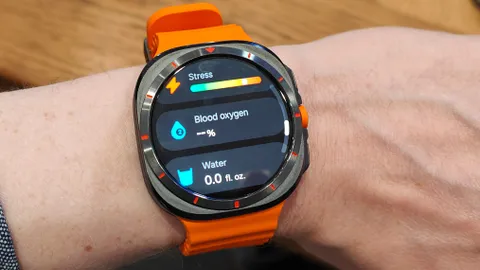
Key reasons for the shift:
- Uniform Aesthetic: Most smartwatches look remarkably similar — rectangular screens with black or silver bands. They lack the personality and variety of traditional watches.
- Constant Engagement: Smartwatches are designed to pull your attention with notifications, health alerts, and metrics. In an era of digital fatigue, many people want devices that don’t demand constant interaction.
- Fashion Clash: Pairing a bulky smartwatch with formal attire, elegant outfits, or minimalist streetwear often feels mismatched. The screen can look out of place or overly tech-focused.
- Status Symbol Fatigue: What once signaled being “in the know” now sometimes signals being overly plugged in or unable to disconnect.
Comments like “I wish we could find a sweet spot with wearable tech and not looking like a dork” capture the sentiment perfectly. People still value the health and productivity benefits, but they’re seeking solutions that don’t compromise style.
We’re witnessing a cultural pushback against constant connectivity. Younger generations, in particular, are embracing analog experiences as a form of rebellion and self-care:
- Renewed popularity of film cameras and compact point-and-shoots
- Revival of vinyl records and physical media
- Preference for wired earphones over always-connected wireless buds
- Growing interest in mechanical and digital watches without smart features
This isn’t Luddite behavior — it’s a desire for more intentional, less distracting interactions with technology. People want tools that serve them, not devices that constantly demand attention.
In fashion, this manifests as a preference for classic timepieces that complement outfits rather than compete with them. A well-chosen analog watch can elevate an outfit and signal taste and discernment in a way that even the most premium smartwatch struggles to match.
The demand for health tracking without the screen has given birth to a new category: screenless focus wearables. Devices like Whoop, Polar Loop, Amazfit Helio Strap, and upcoming Fitbit models are gaining traction, especially among serious athletes and people seeking better work-life balance.
These “whoop clones” typically:
- Track heart rate, sleep, recovery, and activity without a display
- Use a companion app on your phone for detailed insights
- Prioritize comfort and discretion over flashy interfaces
- Emphasize long battery life and minimal distraction
Smart rings like Oura have also exploded in popularity for the same reasons — they provide rich biometric data while remaining almost invisible on the finger.
On fitness forums and Reddit, users frequently mention switching to these devices precisely so they can wear their favorite analog or mechanical watches without sacrificing health insights.
During runs or cycling, many still prefer smartwatches for real-time maps and metrics. But for daily wear, gym sessions, or formal occasions, screenless options are winning.
The future of smartwatches isn’t necessarily bleak, but it requires evolution:
- More diverse designs and materials (premium leather, titanium, ceramic)
- Hybrid designs that blend analog watch faces with subtle smart features
- Better integration of AI that reduces notification overload
- Focus on fashion-forward collaborations and limited editions
- Improved battery life and thinner profiles
Brands like Samsung, Apple, and Google are already experimenting with these directions, but the industry still has work to do to make smartwatches feel like desirable fashion pieces rather than just tools.
The ideal future might not be choosing between smartwatches and analog watches, but finding devices that offer the best of both worlds — or using different wearables for different contexts.
Many enthusiasts now maintain a small collection:
- A premium smartwatch for workouts and travel
- A screenless band or ring for daily health tracking
- A classic analog watch for style and formal occasions
This hybrid approach acknowledges that different situations call for different tools.
Smartwatches are incredibly useful, sometimes even life-saving tools. But usefulness and coolness are not always the same thing. As our relationship with technology matures, many people are seeking devices that enhance life without dominating attention or compromising personal style.
The rise of screenless wearables and the renewed appreciation for analog watches reflect a healthy desire for balance. We want the data and insights, but we also want moments of disconnection and self-expression.
Samsung Galaxy Watch Ultra, Apple Watch Ultra, and similar flagship models will continue to serve athletes and power users well. But for everyday wear and fashion-conscious moments, many are rediscovering the simple joy of a beautiful mechanical or digital watch.
The future of wearables likely involves more choice, not less — allowing us to pick the right tool for the right moment rather than wearing the same black rectangle every day.
In that sense, the “return to analog” isn’t a rejection of technology. It’s a sign of a more thoughtful, balanced relationship with it.
Frequently Asked Questions (FAQ)
1. Why do some people think smartwatches are “uncool”?
Many users feel smartwatches look utilitarian and clash with formal or stylish outfits. The uniform rectangular design and constant notifications contribute to “digital fatigue,” making analog watches more appealing for style-conscious moments.
2. What are screenless wearables, and why are they gaining popularity?
Screenless wearables, like Whoop, Polar Loop, and Oura Ring, track health metrics such as heart rate, sleep, and activity without a visible screen. They appeal to users who want health insights without distraction or compromising fashion.
3. Can I still use smartwatches for fitness while wearing analog watches?
Yes. Many users adopt a hybrid approach: smartwatches for workouts and travel, analog or mechanical watches for daily wear or formal events, and screenless wearables for discreet health tracking.
4. Are hybrid watches a solution to balance style and technology?
Yes. Hybrid watches combine analog faces with subtle smart features like notifications, heart rate tracking, and step counting, offering both style and functionality.
5. Will the trend of “return to analog” affect smartwatch sales?
While smartwatches remain essential for fitness and productivity, the demand for analog and screenless wearables is growing. The trend reflects users’ desire for balance and intentional technology use rather than outright rejection of smartwatches.
6. What should I consider when choosing between a smartwatch and an analog watch?
Consider your priorities: style, fashion, and formal wear suitability (analog watches) versus fitness tracking, notifications, and app integration (smartwatches). Screenless wearables are ideal for minimal distraction and daily health monitoring.
Tinggalkan Balasan