The Gestational Nutrition Manifesto: Deep-Dive Clinical Analysis of Feline Pregnancy and Premium Growth Feeding Protocols
2 months ago · Updated 2 months ago
The announcement of an impending litter of kittens is a transformative moment for any cat caregiver. The prospective arrival of vulnerable, purring, highly dependent neonates shifts our psychological focus toward absolute protection and nesting stewardship.
However, beneath the emotional warmth of this event lies a highly taxing biological reality: feline gestation is an intense, systemic overhaul. For approximately nine weeks, the female domestic cat (Felis catus) alters her metabolic pathways, upregulates her cardiac output, shifts her hormonal balances, and mobilizes her bone mineral reserves to construct new life within her uterine horns.
To successfully pilot a queen through this reproductive sprint, your approach to husbandry must undergo an immediate paradigm shift. You are no longer providing a basic maintenance routine for an adult pet; you are fueling a complex, multi-focal biological engine. The single most deterministic factor governing the survival of the neonates and the structural integrity of the mother is highly targeted, bioavailable nutrition.
THE GESTATIONAL NUTRITIONAL PIPELINE
[ Pre-Conception Baseline ] ──► [ Linear Weight Gain Phase ] ──► [ Peak Lactation Output ]
           │                                 │                             │
           ▼                                 ▼                             ▼
   Standard Nutrition               High-Calorie Ingestion        Immuno-Nutrient Transfer
A common, highly dangerous pitfall among well-meaning cat owners is the assumption that a pregnant cat can successfully navigate gestation simply by eating larger quantities of her standard adult maintenance food. This practice routinely results in sub-clinical malnutrition, maternal muscle wasting, structural defects in the fetuses, and severe complications during labor (dystocia).
This comprehensive master-level guide serves as the definitive reference manual for managing the nutritional, metabolic, and physiological landscape of the pregnant and lactating cat. We will dissect the biological phases of feline gestation, analyze key nutrient markers, evaluate moisture-to-calorie balances, and provide actionable feeding protocols to transform your home into a safe sanctuary for birth.
The Biology of Feline Gestation and Embryonic Milestones
To understand why an expecting queen requires specialized nourishment, we must first break down the fast-paced timeline of feline pregnancy. The average gestation period for domestic cats spans a narrow window of 63 to 67 days (approximately 9 weeks), with a normal biological range extending from 61 to 72 days.
Unlike canine or human pregnancy, which features a slow, gradual increase in maternal body mass concentrated primarily in the final trimester, feline gestation exhibits a completely linear trajectory of weight gain from the very first week of confirmed conception.
Plaintext
       FELINE GESTATIONAL DEVELOPMENTAL MILESTONES
                         │
     ┌───────────────────┴───────────────────┐
     ▼                                       ▼
[ DAYS 1 - 21: EMBRYONIC STAGE ]      [ DAYS 22 - 65: FETAL GROWTH STAGE ]
 ├── Blastocyst Nidasi (Implantation)  ├── Skeletal Ossification (Calcification)
 ├── Early Maternal Morning Sickness   ├── Accelerated Uterine Expansion
 └── Hyperemia of Mammary Complexes    └── Total Nutrient Depletion Risk
Phase 1: The Embryonic Stage (Days 1 to 21)
Following a successful mating encounter during estrus, fertilization occurs high within the oviducts. The resulting embryos travel down into the uterus, where they distribute themselves evenly throughout the two long uterine horns.
-
Implantation (Days 12–14): The microscopic blastocysts attach themselves directly to the endometrium (uterine wall), forming a zonary placenta that will handle nutrient, fluid, and oxygen transport for the remainder of the pregnancy.
-
The "Pink-Up" Phenomenon (Days 15–18): As hormonal profiles shift—marked by a dramatic rise in progesterone produced by the corpora lutea—the queen’s mammary complexes alter physically. The nipples become visibly enlarged, firm, and take on a deep, vibrant pink coloration. This is the earliest dependable physical sign of pregnancy for an attentive caregiver.
-
Gestational Inappetence (Days 18–21): Around the third week, as the embryos finish embedding themselves into the uterine tissue, many queens experience a brief, 3-to-5-day window of mild nausea, lethargy, and a sudden drop in appetite. This is the feline equivalent of morning sickness. It is temporary, but it marks the exact transition point where her internal metabolic demands begin to climb.
Phase 2: The Fetal Growth and Ossification Stage (Days 22 to 45)
By the start of the fourth week, the embryos transition into fetuses. Organ systems begin to form, and rapid cellular division takes hold.
-
Veterinary Palpation (Days 20–25): At this precise stage, a skilled veterinarian can gently palpate the queen's abdomen and feel distinct, marble-sized swellings along the uterine horns, representing each individual fetal unit.
Important Safety Note: Never attempt to palpate your cat's abdomen at home. Rough or unpracticed handling during this fragile stage can easily trigger placental detachment, fetal loss, or internal uterine hemorrhaging.
-
Skeletal Calcification (Days 35–40): The fetal skeletons, which initially formed from soft cartilage, begin a rapid process of ossification. The developing kittens pull massive amounts of calcium, phosphorus, and vital minerals directly from the mother's bloodstream to harden their bones. If the mother’s diet lacks these minerals, her body will strip calcium from her own skeletal structure, leaving her vulnerable to neurological and muscular failure.
Phase 3: The Accelerated Uterine Expansion (Days 46 to 65+)
The final phase of feline pregnancy is marked by an exponential surge in fetal mass. Over 70% of the total physical weight of the kittens is generated during these final three weeks.
As the uterine horns expand to accommodate the growing kittens, they begin to occupy the vast majority of the space within the abdominal cavity. The heavily enlarged uterus physically presses against the stomach, intestines, and bladder, drastically reducing the queen's internal digestive capacity just as her caloric requirements reach their absolute peak.
The Growth-Formula Imperative The Nutritional Chemistry of Feline Gestation
The single most critical nutritional decision you will make for your pregnant cat is transitioning her away from standard adult maintenance food and onto a premium, growth-formulated diet. To understand why this change is mandatory, we must look at the specific nutrient profiles defined by the Association of American Feed Control Officials (AAFCO).
Adult maintenance foods are engineered for static biological systems; they are designed to maintain a stable weight, support basic cellular repair, and prevent obesity in sedentary indoor cats. They are not built to fuel the creation of new life.
Plaintext
   COMPARATIVE MACRONUTRIENT REQUIREMENT ANALYSIS
┌──────────────────────────────────────┐    ┌──────────────────────────────────────┐
│     Adult Maintenance Profile        │    │       Kitten / Growth Profile        │
├──────────────────────────────────────┤    ├──────────────────────────────────────┤
│ • Crude Protein Minimum: 26%         │    │ • Crude Protein Minimum: 30% - 42%   │
│ • Crude Fat Minimum: 9%              │    │ • Crude Fat Minimum: 18% - 22%       │
│ • Balanced Calcium-Phosphorus Ratio  │    │ • Elevated Bioavailable Ca & P       │
│ • Standard Caloric Content           │    │ • Massive Caloric & Amino Density    │
└──────────────────────────────────────┘    └──────────────────────────────────────┘
1. The Power of Amino Acid Concentration
Protein is the fundamental building block of organic tissue. A pregnant queen is simultaneously building fetal organs, growing complex placental networks, and expanding her own mammary tissues to prepare for milk production.
-
Arginine and Taurine: Growth-formulated diets contain highly concentrated, bioavailable animal proteins rich in essential amino acids like taurine and arginine. A deficiency in taurine during pregnancy is catastrophic, leading to fetal resorption, severe congenital deformities, structural heart defects (dilated cardiomyopathy), and small litter sizes.
-
Preventing Maternal Muscle Wasting: If the queen does not ingest enough high-quality protein through her diet, her body will prioritize the kittens by breaking down her own structural muscles via gluconeogenesis to source the necessary amino acids. This leaves her weak, depleted, and physically unprepared for the grueling process of birth.
2. High-Calorie Fat Densities and Essential Fatty Acids
Fat is an outstanding, highly efficient energy source, delivering more than double the caloric density of carbohydrates per gram. Premium kitten or "all life stages" growth foods feature elevated fat percentages (typically between 18% and 22%), ensuring that every mouthful of food the queen swallows provides concentrated, usable energy.
-
Docosahexaenoic Acid (DHA): Growth-formulated diets are fortified with omega-3 fatty acids, specifically DHA. This essential fatty acid is crucial for the neurological development of the kittens, directly shaping the formation of their retinas, brains, and central nervous systems while they are still in the womb.
3. The Structural Role of Calcium and Phosphorus
As mentioned during the skeletal ossification phase, the calcium demands placed on a pregnant cat are immense. Growth foods maintain a highly precise, elevated ratio of calcium to phosphorus ($1.2:1$ to $1.4:1$) in a highly absorbable format.
Providing this balanced mineral profile ensures the kittens develop strong, healthy skeletons while protecting the queen from Eclampsia (puerperal hypocalcemia), a life-threatening postpartum drop in blood calcium that causes severe muscle tremors, seizures, and rapid cardiovascular collapse.
Case Study Analyzing Premium Growth Formulas for Pregnant Queens
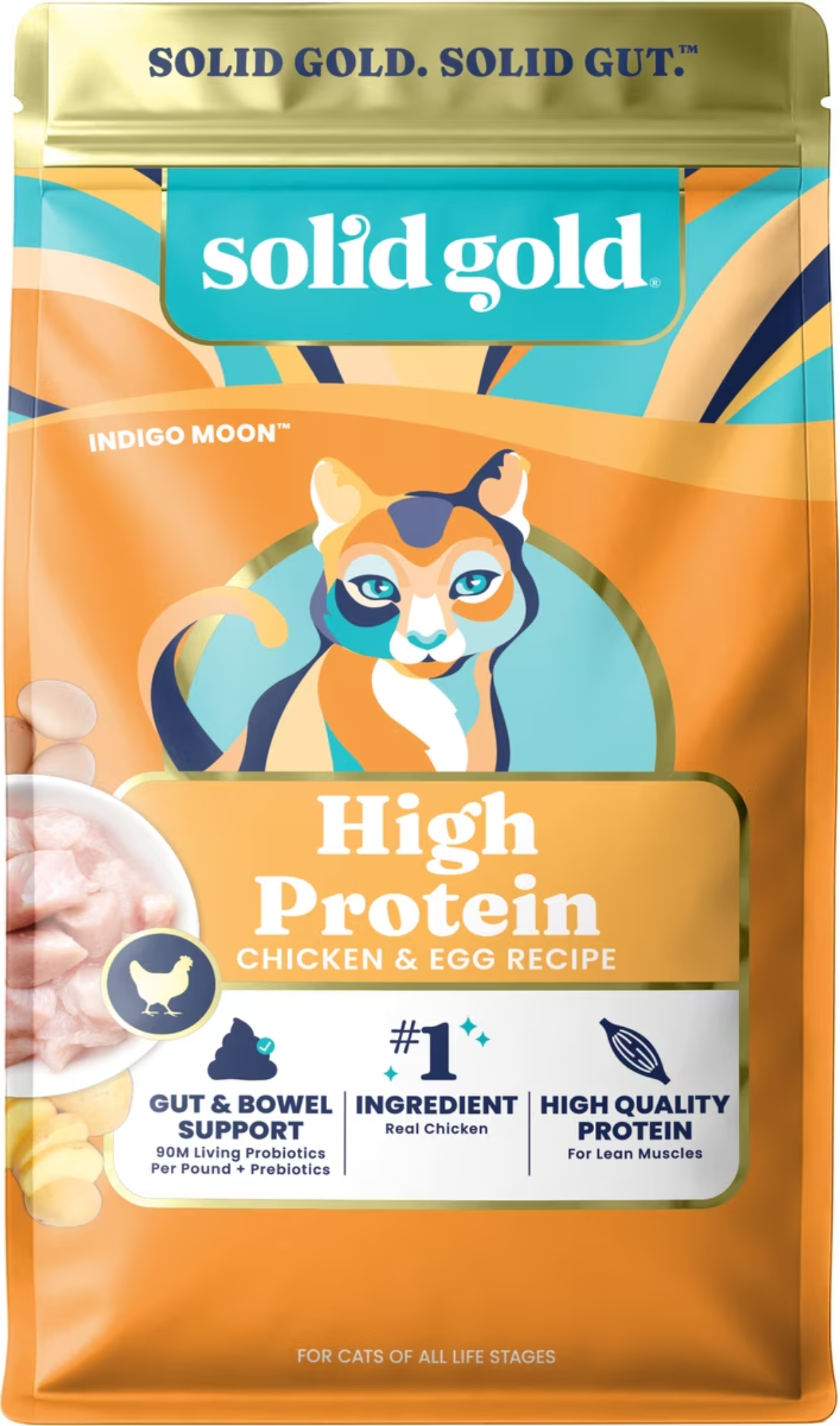
To understand how these scientific requirements translate to real-world commercial cat foods, we can analyze the nutritional composition of a high-tier growth diet, such as Solid Gold Indigo Moon High Protein Real Chicken & Eggs. While some foods are labeled specifically for kittens, premium diets formulated for "All Lifestages" often feature the exact macronutrient densities required to sustain an expecting queen.
Plaintext
                  SOLID GOLD INDIGO MOON NUTRIENT MATRIX
                                    │
     ┌──────────────────────────────┼──────────────────────────────┐
     ▼                              ▼                              ▼
[ CRUDE PROTEIN: 42.0% ]       [ CRUDE FAT: 20.0% ]       [ METABOLIZABLE ENERGY ]
 ├── Sourced from real chicken  ├── Rich in canola/salmon oils ├── 475 kcal per cup
 ├── Builds fetal organ tissue  ├── Supplies vital energy      ├── Maximum volume efficiency
 └── Prevents maternal atrophy  └── Fortified with 0.05% DHA   └── Minimizes abdominal nausea
1. The 42% Crude Protein Framework
The 42.0% minimum crude protein content found in this type of premium formulation represents a massive increase over standard 26% adult maintenance diets. This dense protein matrix provides an abundance of structural amino acids, ensuring that the queen can easily supply the building blocks needed for embryonic development without depleting her own skeletal muscle walls.
2. The 20% Crude Fat and DHA Matrix
With a minimum crude fat content of 20.0%, this formula provides excellent caloric density. Included within this fat profile is a guaranteed minimum of 0.05% Docosahexaenoic Acid (DHA) sourced from salmon oil. This ensures a steady supply of omega-3 fatty acids to optimize fetal brain and eye development during the third trimester.
3. Caloric Density vs. Abdominal Volume Efficiency
This specific formulation boasts a metabolizable energy profile of 3,985 kcal/kg (approximately 475 kcal/cup). This extreme caloric density is a vital asset during the final three weeks of pregnancy. Because the physically enlarged uterus squeezes the queen's stomach, she cannot ingest large volumes of food without experiencing discomfort or regurgitation. A calorie-dense kibble allows her to meet her skyrocketing energy demands while consuming very small physical portions.
Moisture vs. Caloric Density Canned and Dry Food Strategies
When managing the diet of a pregnant queen, caregivers must weigh the benefits of wet canned food against dry kibble. Rather than selecting one format exclusively, the ideal nutritional strategy relies on a thoughtful, combined approach that leverages the distinct benefits of both.
Plaintext
                 THE DIETARY DUAFOCAL ANALYSIS
                              │
     ┌────────────────────────┴────────────────────────┐
     ▼                                                 ▼
[ WET CANNED FOOD: HYDRATION ENGINE ]    [ DRY KIBBLE: CALORIC POWERHOUSE ]
 ├── High Moisture Matrix (75% - 82%)     ├── Dense Energy Matrix (90%+ Dry Matter)
 ├── Eases Abdominal Pressure Nausea      ├── Free-Choice Snacking Availability
 └── Prevents Gestational Constipation    └── Maximum Calorie-to-Volume Efficiency
1. Wet Canned Food: The Hydration Engine
Wet food is an outstanding addition to a pregnant cat's daily routine, primarily due to its high moisture content (typically fluctuating between 75% and 82% water).
-
Managing Abdominal Space and Nausea: During the final weeks of gestation, when the massive uterus compresses the stomach, the queen cannot tolerate large, dense meals. Wet food is soft, easily digestible, and passes smoothly through the gastrointestinal tract, allowing her to absorb nutrients without triggering nausea or uncomfortable abdominal fullness.
-
Prevents Gestational Constipation: The high progesterone levels of pregnancy relax the smooth muscles of the intestines, slowing down digestion. This can lead to severe constipation as water is pulled out of the colon. The high moisture content of wet food keeps the stool soft and moving comfortably through her system.
2. Dry Kibble: The Caloric Powerhouse
While wet food excels at hydration and ease of digestion, dry kibble is unmatched when it comes to sheer caloric efficiency. Because dry food has had its moisture content reduced to around 10%, it is incredibly calorie-dense.
-
Maximum Energy in Minimal Volume: A small handful of high-quality dry growth food delivers a massive dose of fat, protein, and calories. This helps the queen meet her skyrocketing metabolic demands even when her reduced stomach space limits how much she can eat at one time.
-
Perfect for Free-Feeding: Dry food can safely be left out in a clean dish all day without spoiling, making it the perfect choice for a constant, round-the-clock snacking station.
Comprehensive Gestational & Lactation Cross-Reference Matrix
To help you seamlessly manage your cat's health, this comprehensive cross-reference matrix connects each stage of her reproductive journey with her changing nutritional needs, behavioral signs, and key care priorities.
Step-by-Step Security Protocol — Home Feeding Management Framework
Managing a pregnant cat requires structure, consistency, and close tracking. By implementing this step-by-step security protocol, you can avoid common feeding pitfalls and ensure your queen gets the exact amount of energy she needs every day.
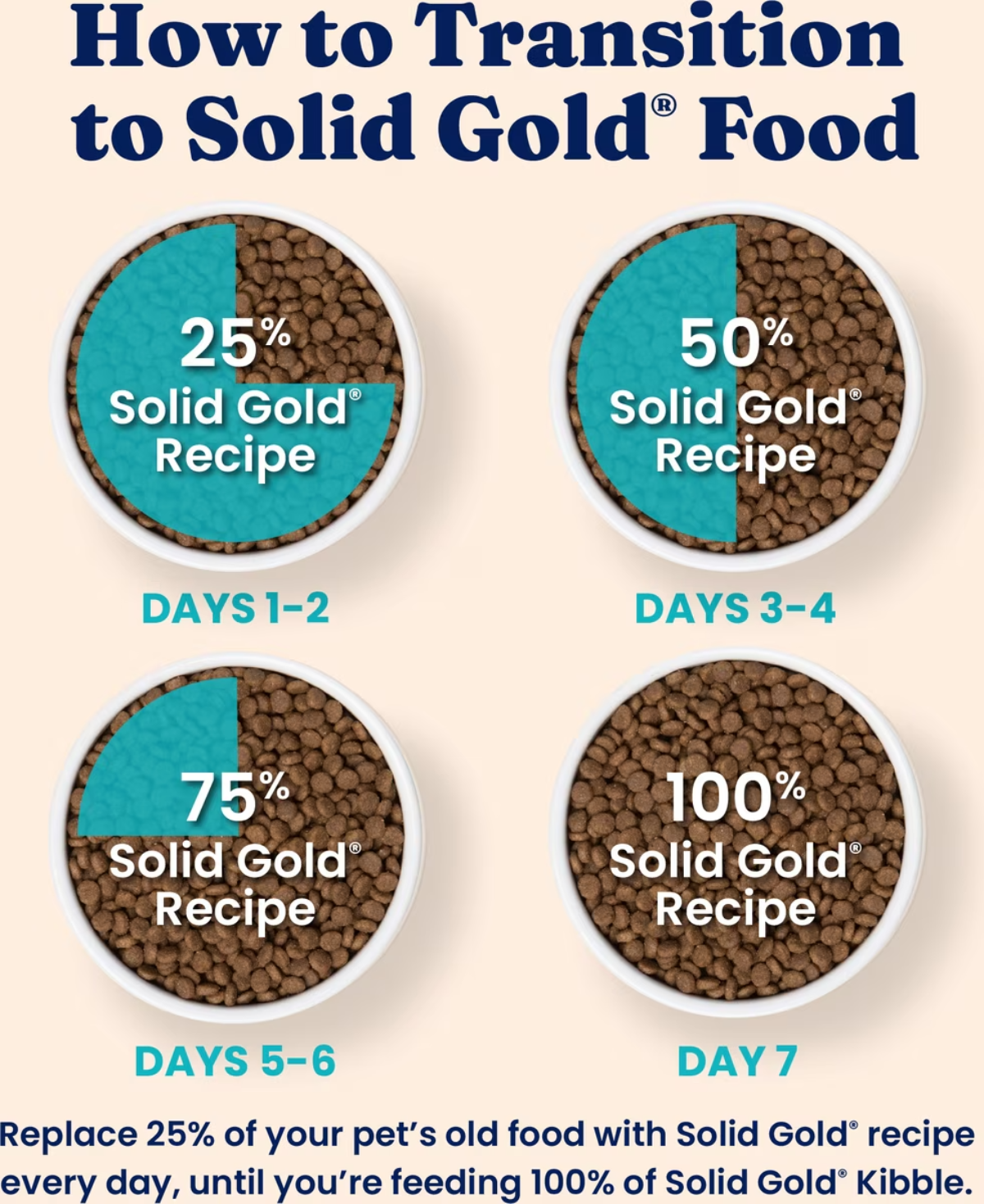
Step 1: Execute a Controlled 7-to-10-Day Dietary Transition
Never switch a pregnant cat's diet abruptly overnight. Hormonal shifts already make her digestive tract sensitive, and a sudden change in food can cause severe diarrhea or vomiting, leading to dangerous dehydration.
To transition her safely onto a premium growth formula, follow this gradual, precision-blended schedule:
1.Initiate the Preliminary Blend:Days 1 to 3.Fill the feeding dish with 75% of her standard adult maintenance food and mix in 25% of the new growth-formulated food. Monitor her stool consistency closely.
2.Achieve the Equilibrium Point:Days 4 to 6.Shift the ratio to a clean 50/50 split, mixing equal parts adult maintenance food and growth formula. Ensure the two foods are well incorporated.
3.Finalize the Inversion Transition:Days 7 to 9.Move the blend to 25% adult maintenance food and 75% growth formula. Watch her enthusiasm and energy levels rise as she accepts the new formula.
4.Establish 100% Growth Formula Support:Day 10 and Onward.The queen’s diet is now comprised entirely of premium growth food. Maintain this exclusive formulation through delivery and until the kittens are completely weaned.
Step 2: Calculate and Apply Gestational Feeding Scales
During gestation, you cannot rely on standard adult weight guidelines. As a queen advances through pregnancy, her portion sizes must increase linearly to keep pace with her growing kittens.
Plaintext
                  GESTATIONAL TAKARAN KALKULATOR (Cups/Day)
┌──────────────────────────┬──────────────────────────┬──────────────────────────┐
│    Queen Mass: 4-6 lbs   │    Queen Mass: 7-9 lbs   │   Queen Mass: 10-12 lbs  │
├──────────────────────────┼──────────────────────────┼──────────────────────────┤
│ • Baseline: 1/4 - 1/2 c  │ • Baseline: 1/2 c        │ • Baseline: 1/2 - 3/4 c  │
│ • Gestation: 1/2 - 1.5 c │ • Gestation: 1.0 - 1.5 c │ • Gestation: 1.0 - 2.25 c│
└──────────────────────────┴──────────────────────────┴──────────────────────────┘
By the final weeks of pregnancy and throughout lactation, the queen will require 2 to 3 times the amount of food listed on a standard adult maintenance chart. Keep her dry food bowl constantly filled so she can eat small meals whenever she feels hungry, and supplement this with several small portions of wet food throughout the day.
Step 3: Set Up a Precise Hydration Management System
A pregnant cat's blood volume increases dramatically during gestation to supply oxygen and nutrients to her growing kittens, making proper hydration essential. This need becomes even more critical during lactation, as breast milk is comprised primarily of water.
       OPTIMAL HYDRATION MANAGEMENT ARCHITECTURE
                                │
     ┌──────────────────────────┼──────────────────────────┐
     ▼                          ▼                          ▼
[ TRADITIONAL BOWLS ]     [ CIRCULATION FOUNTAINS ]   [ MOISTURE ENHANCEMENT ]
 ├── Multiple glass bowls  ├── Moving water streams    ├── Unsalted bone broths
 ├── Placed away from food ├── Encourages drinking     ├── Warm water over dry food
 └── Refreshed twice daily └── Filters out debris      └── Maximizes liquid volume
-
Spread Water Stations Across the Home: Place multiple wide glass or ceramic water bowls throughout your house. Keep them away from her litter box and her primary feeding station, as cats instinctively prefer to drink water that is located away from their food and waste areas.
-
Use Pet Water Fountains: Invest in a circulating pet fountain. The sound and movement of running water appeals to a cat’s natural instincts, encouraging her to drink more compared to standing water in a standard bowl.
-
Add Nutrient-Rich Moisture to Meals: Boost her fluid intake by mixing warm water or pure, unsalted chicken bone broth directly into both her dry kibble and wet canned food.
Creating a Supportive Environment for Delivery
As the pregnancy nears its end, your queen's instincts will drive her to find a safe, secure location to give birth. Preparing your home properly helps minimize her stress and prevents her from selecting an unsafe delivery spot, such as deep inside a dark closet or behind a heavy appliance.
1. Build an Advanced Nesting Box
About two weeks before her expected due date, build and place a dedicated nesting box in a quiet, low-traffic area of your home.
Plaintext
PREGNANT CAT NESTING BOX ARCHITECTURE (Secure Sanctuary)
┌────────────────────────────────────────┐
│                                        │
│     ==============================     │ ──► High 8-inch rear enclosure
│    │                              │    │
│    │   [ Ultra-Soft Liners ]      │    │
│    │   [ Puppy Training Pads ]    │    │
│    │                              │    │
│     ───────────        ───────────     │
└────────────────  ▒▒▒▒  ────────────────┘
                   ▲
                   │
         Low 3-inch front entry step
-
Box Structure: Use a sturdy cardboard box or a large plastic storage bin. Cut a clean opening on one side that is low enough (around 3 to 4 inches) for the heavy, pregnant queen to step through easily, but high enough to prevent newborn kittens from accidentally crawling out.
-
Absorbent, Safe Bedding Layer: Line the bottom of the box with waterproof puppy training pads to absorb fluids during delivery. Layer soft, clean towels or fleece blankets on top for comfort. Avoid using fabrics with loose threads or loops, as tiny kitten claws can easily become tangled, trapping them away from their mother.
2. Implement Environmental Stress Reduction
A stressed or anxious queen releases adrenaline, which can actively stall uterine contractions and delay labor, putting both her and the kittens at risk.
-
Ensure Complete Privacy: Keep the nesting box in a quiet, warm room away from household noise, small children, and other pets.
-
Use Calming Pheromone Diffusers: Plug in a synthetic feline facial pheromone diffuser near her nesting area. These diffusers release comforting chemical markers that mimic a cat's natural pheromones, helping her feel calm, secure, and relaxed in her space.
Conclusion: Honoring the Journey of Feline Motherhood
Bringing a litter of healthy kittens into the world is a beautiful journey that highlights the amazing capabilities of feline biology. However, a successful pregnancy is never a matter of luck. It is the direct result of thoughtful, proactive care and a commitment to meeting your cat's changing nutritional needs.
Your pregnant queen relies entirely on you to sustain her during this intense physical journey. By transitioning her onto a premium, growth-formulated diet early on, balancing her wet and dry food intake, and setting up a quiet, structured nesting space, you provide her with the vital tools she needs to thrive.
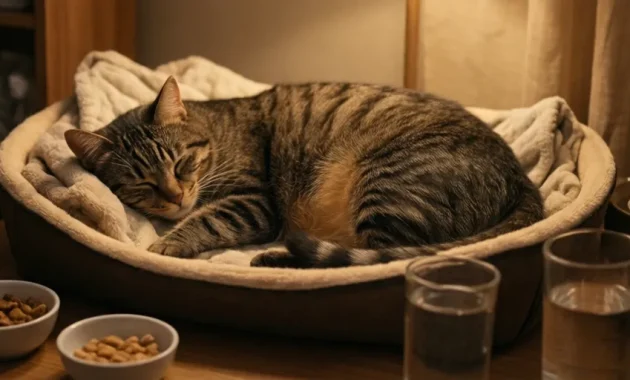
As you watch her rest in her nesting box, listening to her deep, rhythmic purr while her kittens move gently inside her belly, you can find comfort in knowing that you have given her the ultimate foundation for health, strength, and motherhood.
Frequently Asked Questions (FAQ)
1. Can I give my pregnant cat prenatal vitamin supplements?
No, you should never give a pregnant cat over-the-counter vitamin or mineral supplements unless specifically instructed to do so by your veterinarian. Premium, growth-formulated diets are already perfectly balanced with the exact levels of calcium, phosphorus, and vitamins a pregnant cat needs. Adding extra calcium or vitamins to her diet can disrupt this delicate mineral balance, causing severe skeletal issues in the kittens or triggering metabolic crises like eclampsia in the mother.
2. What should I do if my pregnant cat refuses to eat entirely?
If a pregnant cat refuses to eat for more than 24 hours, treat it as a medical emergency and contact your veterinarian immediately. While a brief drop in appetite can occur around week three due to mild morning sickness, or during the final 48 hours before labor begins, a prolonged refusal to eat can trigger Hepatic Lipidosis (Fatty Liver Disease). This dangerous condition occurs when a cat's body rapidly breaks down its own fat stores for energy, quickly overwhelming the liver.
3. Why is my pregnant cat constantly crying and following me around?
This behavior, known as "soliciting comfort," is incredibly common during the final weeks of gestation. As her body changes and delivery approaches, the queen may feel vulnerable and disoriented. She will often look to her primary human caregiver as a source of safety, following you from room to room, meowing softly, and craving extra attention and petting. Reassure her with calm, soothing tones, and guide her gently toward her quiet nesting area.
4. How long after giving birth should my cat continue eating a growth formula?
The mother cat should stay on her premium growth diet throughout the entire lactation period, which typically lasts between 6 and 8 weeks after delivery. Producing milk for a large litter of growing kittens drains an enormous amount of energy, requiring even more calories than the pregnancy itself. Keep her food dish filled with this high-calorie formula until the kittens are completely weaned onto solid food.