Everything You Need to Know About Wet Food for Cats
3 weeks ago
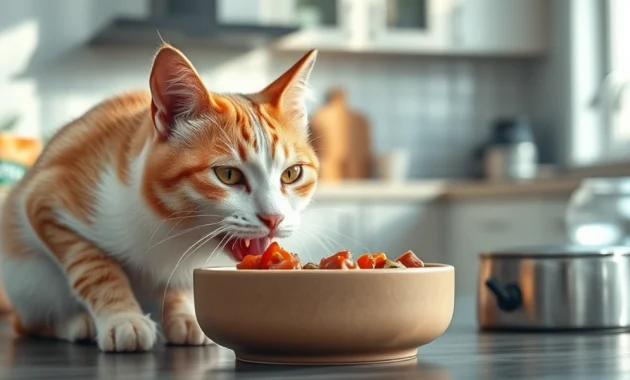
Wet food is a highly popular option among felines, largely due to its rich aroma and appetizing flavor. Typically sold in cans, pouches, or plastic trays, wet food provides specific health and dietary advantages.
Understanding what goes into wet food, how to store it safely, and the best ways to serve it will help ensure your cat reaps all its nutritional benefits while avoiding foodborne bacteria.
Nutritional Content and Characteristics
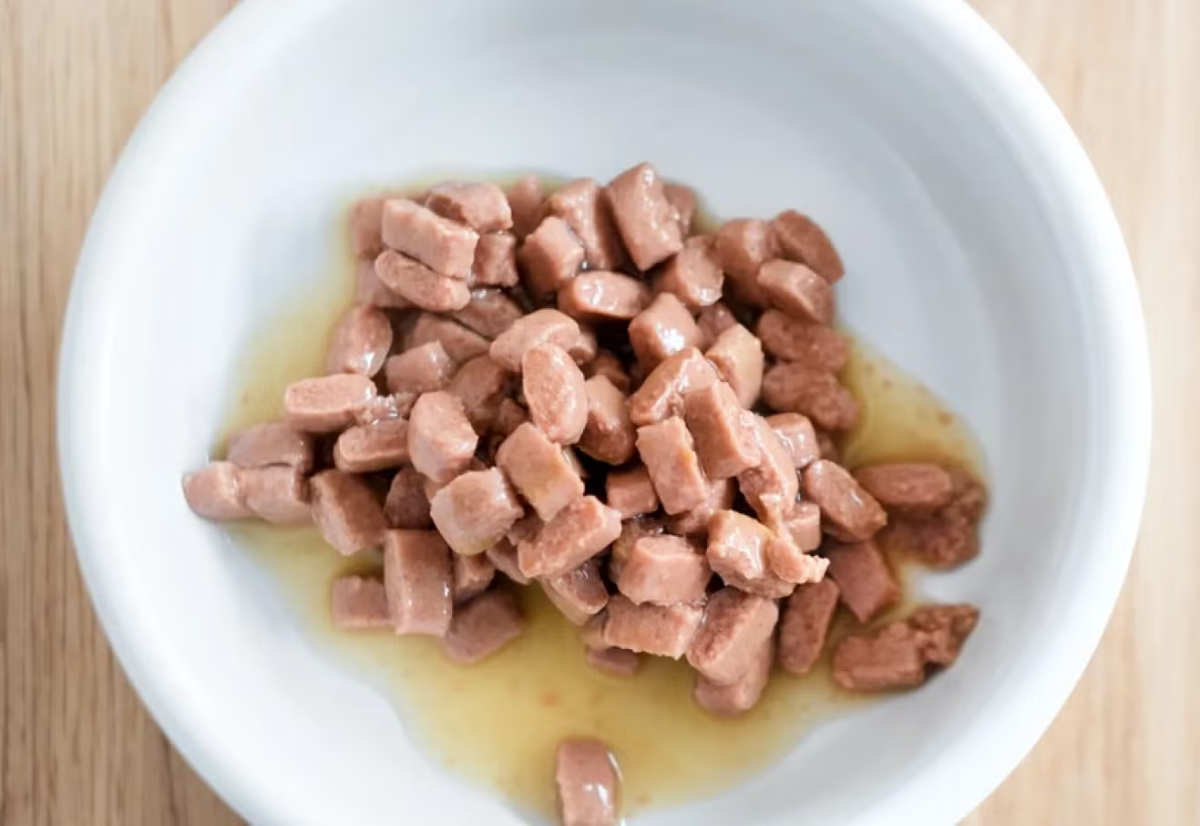
The most significant difference between dry kibble and wet cat food is the moisture content. Wet food is composed of approximately 80% water, giving it a soft, smooth, and easily chewable texture.
Most high-quality wet foods consist of real meat or fish blended with essential vitamins and minerals, providing a complete and balanced meal that closely mimics a cat's natural carnivorous diet.
Strict Rules for Storage and Shelf Life
Wet food is designed for immediate consumption. Because of its high moisture levels, it goes bad quickly once exposed to the air.
Wet Food Handling Timeline:
[ Opened & Served ] ➔ Must be eaten within 1–2 hours (Or discard due to bacteria)
          │
          └── [ If Leftovers Remain ] ➔ Seal & refrigerate immediately ➔ Max 24 hours
-
At Room Temperature: Do not leave open wet food sitting out in a bowl for more than 1 to 2 hours. After this window, the food can easily become contaminated with rapidly multiplying bacteria and must be thrown away.
-
In the Refrigerator: If your cat doesn't finish their meal—whether due to a poor appetite or because you are mixing it with dry kibble—you can store the remaining portions in the fridge. Seal the container tightly and keep it refrigerated for a maximum of 24 hours. If it remains uneaten after one full day, discard it immediately.
-
Unopened Packages: Sealed cans or pouches should be stored in a cool, dry place away from direct sunlight.
Proper Serving Guidelines
Cats are notorious for refusing cold meals, as they prefer their food to be near their natural body temperature. If you are serving leftovers directly from the refrigerator, use these preparation steps:
-
Bring to Room Temperature: Take the food out of the fridge and let it sit on the counter for a short period to chill off before serving.
-
Warm It Up Carefully: Alternatively, you can gently warm the food by microwaving it for a few seconds or by mixing in a small splash of warm water.
-
Sanitize the Bowl: If there are dried leftovers from a previous meal sitting in your cat's bowl, wash the dish completely before adding fresh food. Mixing new wet food with old leftovers that have been sitting out for over 2 hours triggers cross-contamination.
Advantages and Disadvantages of Wet Food
Pros
-
Superior Hydration: The 80% moisture content helps maintain excellent hydration levels. This is highly beneficial for preventative care and managing specific medical conditions like kidney disease or feline lower urinary tract issues.
-
High Palatability: The intense aroma and rich flavor profile are excellent for stimulating the appetite of picky eaters, sick cats, or aging senior felines who may have lost some of their sense of smell.
Cons
-
Perishability: Unlike dry food, which can sit out all day, wet food spoils within a couple of hours, requiring stricter feeding schedules and prompt cleanup.
-
Lack of Dental Benefits: Wet food does not provide the abrasive, crunchy texture that helps scrape away mild plaque buildup on a cat's teeth.
Wet Food Management Summary
| Metric / Scenario | Standard Operating Procedure |
| Average Moisture Level | ~80% Water content |
| Max Time Allowed in Open Bowl | 1 to 2 Hours (Discard if exceeded) |
| Max Time Allowed in Refrigerator | 24 Hours / 1 Day (Must be securely sealed) |
| Best Serving Temperature | Room temperature or slightly warm (Never serve cold) |
Ultimately, incorporating wet food into your cat's diet is a fantastic way to support their overall hydration and overall health. For the best results, many owners opt for a mixed-feeding routine—offering dry kibble for dental maintenance and scheduled portions of wet food for optimal hydration.
FAQ
1. What is wet food for cats?
Wet food is a soft, moisture-rich cat food that typically contains around 80% water. It is usually packaged in cans, pouches, or trays and is made primarily from meat or fish combined with essential vitamins and minerals to provide complete and balanced nutrition.
2. Why do many cats prefer wet food?
Cats are naturally attracted to wet food because of its stronger aroma, richer flavor, and softer texture. The higher moisture content enhances the scent, making it especially appealing to picky eaters, senior cats, and cats recovering from illness.
3. How much water does wet cat food contain?
Most commercial wet cat foods contain approximately 80% moisture, significantly more than dry kibble, which usually contains only 8–10% water.
4. Is wet food nutritionally complete?
Yes. High-quality wet cat foods are formulated with real meat or fish along with vitamins and minerals to meet a cat's nutritional requirements. Always choose products labeled as complete and balanced for your cat's life stage.
5. Why is hydration important for cats?
Cats naturally have a low thirst drive because they evolved from desert-dwelling ancestors. Wet food helps increase daily water intake, supporting kidney function, urinary tract health, and overall hydration.
6. Is wet food beneficial for cats with kidney disease?
Yes. The high moisture content helps increase water consumption, which can support kidney health and hydration. However, cats diagnosed with kidney disease may require a prescription veterinary diet in addition to wet food.
7. Can wet food help prevent urinary tract problems?
Wet food can support urinary health by increasing urine dilution, which may reduce the risk of certain urinary tract conditions. It is commonly recommended for cats prone to urinary issues.
8. Does wet food help picky eaters?
Absolutely. The stronger aroma and richer taste often encourage cats with reduced appetite, senior cats, or selective eaters to consume more food.
9. How long can wet food stay in the bowl?
Wet food should never remain at room temperature for more than 1 to 2 hours. After this period, bacteria multiply rapidly, making the food unsafe to eat.
10. What should I do with leftover wet food?
Immediately seal the remaining food in an airtight container or cover the original can tightly and refrigerate it.
11. How long can refrigerated wet food be stored?
Refrigerated wet food should be used within 24 hours. Any leftovers remaining after one day should be discarded.
12. Can unopened wet food be stored at room temperature?
Yes. Unopened cans and pouches should be kept in a cool, dry place away from direct sunlight until opened.
13. Should refrigerated wet food be served cold?
No. Most cats dislike cold food because it suppresses the aroma. Allow refrigerated food to reach room temperature or warm it slightly before serving.
14. How can I safely warm refrigerated wet food?
You can:
- Let it sit at room temperature for several minutes.
- Microwave it for a few seconds.
- Mix in a small amount of warm water.
Always ensure the food is only slightly warm—not hot.
15. Why should I clean the food bowl before serving fresh wet food?
Old food residue can harbor bacteria. Mixing fresh food with dried leftovers increases the risk of cross-contamination and bacterial growth.
16. What are the biggest advantages of wet food?
Major benefits include:
- Excellent hydration support
- Strong aroma and flavor
- Easy to chew
- High palatability
- Suitable for senior or sick cats
- Often closer to a cat's natural carnivorous diet
17. What are the disadvantages of wet food?
Potential drawbacks include:
- Spoils quickly after opening
- Requires refrigeration after opening
- Cannot be left out all day
- Generally more expensive than dry food
- Provides minimal dental cleaning benefits
18. Does wet food clean a cat's teeth?
No. Wet food lacks the crunchy texture needed to provide even minor plaque removal. Regular dental care remains essential.
19. Is it okay to feed only wet food?
Yes, provided it is complete and balanced. Many healthy cats thrive on an exclusively wet food diet. Portion sizes should be adjusted according to calorie needs.
20. Can I mix wet food with dry kibble?
Yes. Mixed feeding is popular because it combines:
- Hydration benefits from wet food.
- Convenience and mild dental benefits from dry kibble.
21. Is mixed feeding recommended?
For many households, yes. Feeding scheduled wet meals while offering measured portions of dry kibble can provide a practical nutritional balance.
22. Is wet food better for senior cats?
Often yes. Its soft texture makes chewing easier, while its stronger aroma helps stimulate appetite in older cats whose sense of smell may decline.
23. Is wet food suitable for kittens?
Yes. Wet kitten food is easy to chew, digest, and provides hydration while supplying the nutrients needed for healthy growth.
24. Does wet food contain real meat?
Premium wet foods commonly use real chicken, turkey, beef, salmon, tuna, or other animal proteins as primary ingredients, along with essential nutrients.
25. Can bacteria grow quickly in wet food?
Yes. The combination of moisture and room temperature creates an ideal environment for bacterial growth, making proper storage essential.
26. How should unopened wet food be stored?
Store unopened products:
- In a cool location
- Away from humidity
- Away from direct sunlight
- At stable room temperature
27. What serving temperature do cats prefer?
Most cats prefer food served at room temperature or slightly warm because it enhances aroma and mimics the temperature of natural prey.
28. How often should wet food be served?
Most owners divide daily portions into two or more meals, ensuring each serving is fresh and removed promptly if left uneaten.
29. Is wet food more digestible than dry food?
Many cats find wet food easier to chew and digest due to its soft consistency and higher moisture content.
30. What is the best overall feeding strategy?
Many veterinarians and experienced cat owners recommend a mixed-feeding routine:
- Wet food for hydration and appetite support.
- Dry kibble for convenience and some mechanical dental benefits.
- Fresh water available at all times.