The Ultimate Guide to Feline Shedding: Science, Reduction Strategies, and Veterinary Red Flags
2 days ago
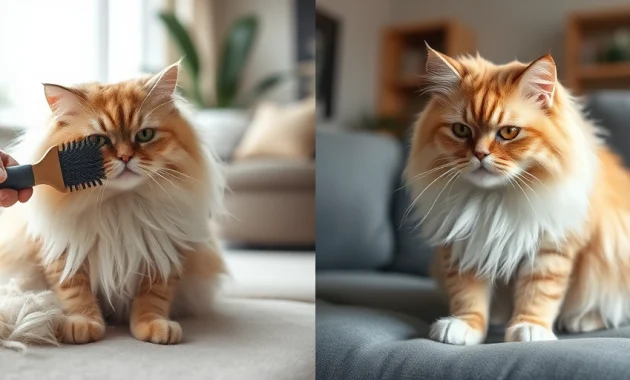
If you live with a cat, chances are your clothing, furniture, carpets, and even your morning cup of coffee are regularly decorated with a light dusting of feline fur. For many cat owners, tumbleweeds of hair drifting across the living room floor seem like an inescapable cost of companionship.
However, while shedding is a completely natural physiological process, feeling overwhelmed by cat hair is not inevitable.
Understanding why cats shed, how environmental factors influence their coat cycles, and how to implement effective grooming routines can drastically reduce the amount of fur floating around your home. More importantly, knowing the distinction between normal seasonal coat maintenance and pathologic shedding can help you spot underlying health issues early.
This comprehensive guide breaks down the biological science of feline hair growth, offers practical strategies for managing shedding, and provides clear guidelines on when a coat change warrants a trip to the vet.
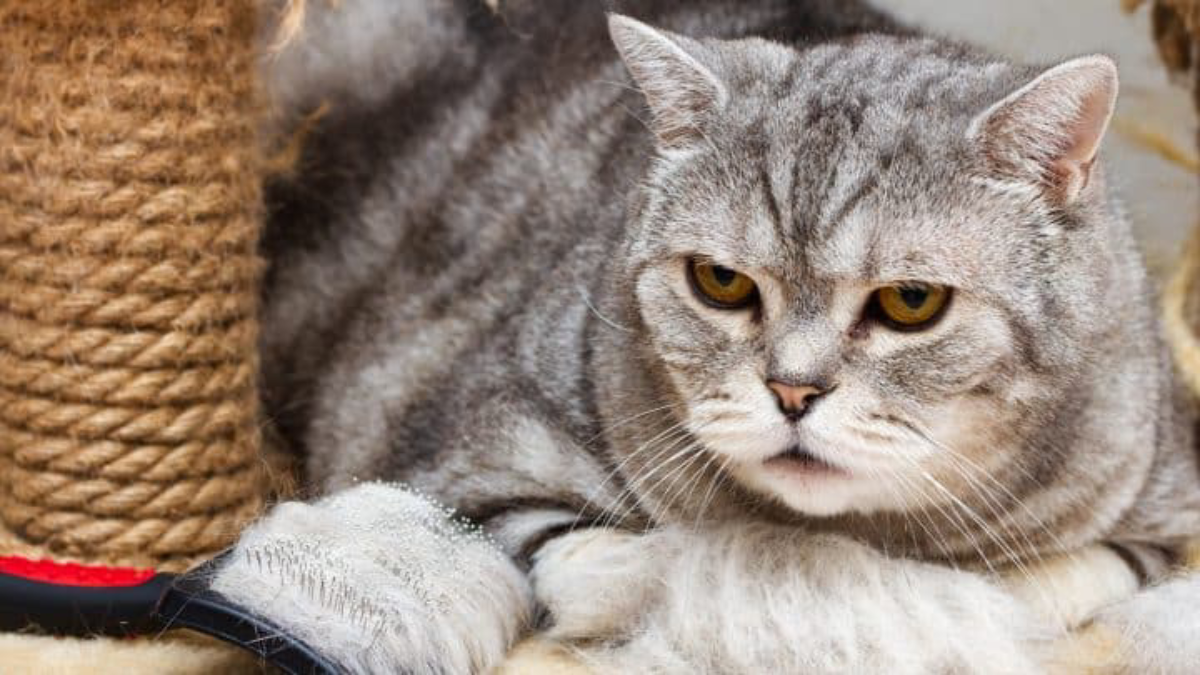
The Physiology of Feline Hair: Why Cats Shed
To control shedding, we must first understand how a cat's hair coat operates on a cellular level.
Phases of the Feline Hair Growth Cycle:
┌─────────────────────────────────────────────────────────────┐
│ 1. ANAGEN PHASE (Active Growth)                             │
│    Hair follicle actively produces the hair shaft.          │
└──────────────────────────────┬──────────────────────────────┘
                               │
                               ▼
┌─────────────────────────────────────────────────────────────┐
│ 2. CATAGEN PHASE (Regression)                               │
│    Hair stops growing; follicle shrinks and detaches.       │
└──────────────────────────────┬──────────────────────────────┘
                               │
                               ▼
┌─────────────────────────────────────────────────────────────┐
│ 3. TELOGEN PHASE (Resting)                                  │
│    Old hair remains anchored while new hair forms underneath.│
└──────────────────────────────┬──────────────────────────────┘
                               │
                               ▼
┌─────────────────────────────────────────────────────────────┐
│ 4. EXOGEN PHASE (Shedding)                                  │
│    Old hair falls out as the new hair shaft emerges.        │
└─────────────────────────────────────────────────────────────┘
1. The Hair Growth Cycle
Every individual hair on your cat’s body goes through four distinct phases:
-
Anagen: The active growth phase, where stem cells in the hair follicle rapidly divide to build the hair shaft.
-
Catagen: The transition phase, where growth stops and the hair follicle detaches from its blood supply.
-
Telogen: The resting phase, where the old hair remains dormant in the follicle.
-
Exogen: The shedding phase, where the old hair is released as a new hair shaft pushes up from underneath.
Shedding occurs during the Exogen phase. When thousands of hair follicles reach this phase simultaneously, you experience what feels like a "fur explosion" in your home.
2. The Purpose of Shedding
Shedding is not an evolutionary flaw; it serves two vital biological purposes:
-
Thermoregulation: Cats shed their thick, insulating undercoat in the spring to prepare for warmer weather, and grow a dense thermal coat in the autumn.
-
Skin and Coat Integrity: Releasing old, brittle hair prevents matted fur and allows natural skin oils (sebum) to coat new hair shafts, maintaining a waterproof, protective barrier against environmental pathogens.
3. Indoor vs. Outdoor Cats: The Light Factor
Why do indoor cats seem to shed constantly all year long, while outdoor cats shed heavily only twice a year?
The answer is photoperiod (daylight exposure). Outdoor cats rely on sunlight cues to regulate their endocrine systems: increasing daylight in spring triggers mass shedding, while decreasing daylight in autumn signals new hair growth.
Indoor cats, however, live under artificial lighting and temperature-controlled environments. Their brains perceive a constant, perpetual "springtime," causing their hair follicles to enter the Exogen phase continuously throughout the year rather than in concentrated seasonal bursts.
Practical Strategies to Minimize Household Cat Hair
While you cannot stop a healthy cat from shedding entirely, you can significantly reduce the amount of loose hair ending up on your furniture and clothes.
Three-Pillar Shedding Reduction Plan:
├── 1. Targeted Grooming   ➔ Coat-appropriate brushing tools & daily routines
├── 2. Internal Nutrition  ➔ Omega-3/6 fatty acids & proper hydration
└── 3. Environmental Care ➔ Stress reduction & home cleaning protocols
1. Coat-Specific Brushing Protocols
Brushing is your primary weapon against shedding. It removes dead fur directly at the source before it can land on your carpets.
| Coat Type | Example Breeds | Recommended Frequency | Best Grooming Tools |
| Short-Haired | Domestic Shorthair, Siamese, Bengal | 1 – 2 times per week | Rubber grooming curry brushes, soft bristle brushes |
| Medium-Haired | Balinese, American Wirehair | 2 – 3 times per week | Undercoat rakes, slicker brushes |
| Long-Haired | Maine Coon, Persian, Ragdoll | Daily | Wide-tooth metal combs, de-matting rakes, slicker brushes |
💡 Grooming Tip: Avoid overusing harsh de-shedding blades (like the Furminator) on cats with thin undercoats. Excessive use can cut or damage healthy guard hairs rather than just removing dead undercoat fur.
2. Nutritional Support: Fatty Acids and Hydration
Hair is composed almost entirely of protein (keratin). A cat’s body uses up to 30% of its daily dietary protein intake solely to maintain its skin and coat.
-
Omega-3 and Omega-6 Fatty Acids: Adding cold-water fish oils (salmon, sardine, or anchovy oil) to your cat's diet strengthens the hair follicle anchor, reduces dry skin, and produces a glossy coat.
-
Hydration: Dehydrated skin causes hair follicles to release prematurely. Enhance fluid intake using pet water fountains or by switching to a moisture-rich wet food diet.
3. Stress Reduction
Cats are sensitive to changes in their environment. When a cat experiences acute or chronic stress—such as moving house, introducing a new pet, or changing daily routines—their body releases cortisol. High cortisol levels push active hair follicles prematurely into the resting (Telogen) phase, leading to sudden, excessive stress-shedding.
To combat stress-related shedding:
-
Maintain predictable feeding and play schedules.
-
Provide elevated perches and quiet hideaways.
-
Ensure a 1:1 ratio of litter boxes per cat, plus one extra.
Pathologic Shedding: When to See a Veterinarian
There is a fine line between normal shedding and pathologic hair loss. If your cat’s shedding pattern changes suddenly or is accompanied by visible skin lesions, it is time to consult a veterinarian.
Warning Signs of Pathologic Hair Loss:
├── Hypotrichosis ➔ Noticeable thinning of the coat exposing bare skin
├── Alopecia     ➔ Distinct bald spots or patches
├── Erythema     ➔ Red, inflamed, scaly, or scabby skin underneath
└── Overgrooming ➔ Excessive licking, biting, or pulling out hair tufts
Common Medical Causes of Excessive Hair Loss
-
Ectoparasites (Fleas & Mites): Flea allergy dermatitis (FAD) is the leading cause of hair loss in cats. A single flea bite can trigger intense itching, causing the cat to lick and chew off their fur.
-
Endocrine Disorders: Conditions like Hyperthyroidism or Cushing's Disease disrupt hormone balances, causing the hair coat to become brittle, thin, and easily pulled out.
-
Nutritional Deficiencies: Diets low in essential fatty acids or digestible protein lead to poor keratin production, resulting in dull, easily shed hair.
-
Ringworm (Dermatophytosis): A contagious fungal infection that causes circular patches of hair loss, scaly skin, and brittle fur.
Conclusion: Living Comfortably with a Shedding Cat
Shedding is a sign of a dynamic, healthy feline body adapting to its environment. By maintaining a consistent, coat-appropriate brushing routine, optimizing your cat’s diet with Omega-3 fatty acids, and keeping environmental stress low, you can keep household fur manageable while supporting your cat’s overall health.
Remember to monitor your cat’s skin during grooming sessions. If you ever spot bald patches, red skin, or sudden changes in coat texture, reach out to your veterinarian for a professional evaluation.
Quick Summary Checklist
| Action Item | Recommended Practice |
| Short-Hair Grooming | Rubber brush 1–2x weekly |
| Long-Hair Grooming | Metal comb + slicker brush daily |
| Dietary Boost | Omega-3 fish oil + wet food for hydration |
| Home Maintenance | HEPA air purifiers + weekly vacuuming |
| Vet Red Flags | Bald spots, red skin, overgrooming, sudden dull coat |
Frequently Asked Questions (FAQ)
1. Is it normal for cats to shed every day?
Yes. All healthy cats shed to some degree throughout the year as part of the natural hair growth cycle. Outdoor cats typically experience heavier seasonal shedding in the spring and fall, while indoor cats often shed continuously because artificial lighting and climate-controlled environments interfere with their natural seasonal coat cycles.
2. Why does my indoor cat seem to shed more than outdoor cats?
Indoor cats are exposed to consistent temperatures and artificial lighting year-round, which disrupts their natural photoperiod (daylight cycle). As a result, their hair follicles remain active throughout the year, causing continuous low-level shedding instead of two major seasonal molts.
3. Which cats shed the most?
Some breeds naturally shed more due to their dense double coats. Heavy shedders include:
- Maine Coon
- Persian
- Norwegian Forest Cat
- Siberian
- Ragdoll
- British Longhair
Short-haired breeds also shed, but their hair is generally less noticeable.
4. Are there cat breeds that barely shed?
No cat is completely non-shedding, but some breeds produce significantly less loose hair than others.
Popular low-shedding breeds include:
- Sphynx
- Cornish Rex
- Devon Rex
- Russian Blue
- Siamese
- Bengal
Even hairless cats require regular skin care despite having little or no fur.
5. How often should I brush my cat?
The ideal grooming schedule depends on coat length:
Short-haired cats
- 1–2 times per week
Medium-haired cats
- 2–3 times per week
Long-haired cats
- Daily brushing
Regular brushing removes loose hair before it falls around your home and helps prevent painful mats.
6. What is the best brush for reducing shedding?
The best brush depends on your cat's coat type.
Short coats
- Rubber grooming brush
- Soft bristle brush
- Grooming glove
Medium coats
- Slicker brush
- Undercoat rake
Long coats
- Wide-tooth metal comb
- Slicker brush
- Dematting comb
Using the correct grooming tool prevents unnecessary coat damage.
7. Can diet affect shedding?
Absolutely.
Healthy skin and hair require:
- High-quality animal protein
- Omega-3 fatty acids
- Omega-6 fatty acids
- Adequate hydration
- Essential vitamins and minerals
Poor nutrition often results in dull fur, excessive shedding, brittle hair, and dry skin.
8. Do Omega-3 supplements help reduce shedding?
Yes.
Omega-3 fatty acids found in salmon oil, sardine oil, and anchovy oil support:
- Stronger hair follicles
- Healthier skin
- Reduced inflammation
- Shinier coats
- Less excessive shedding caused by dry skin
Always use veterinary-approved supplements and follow proper dosage recommendations.
9. Does bathing reduce shedding?
Occasionally.
A proper bath using a cat-safe shampoo can remove large amounts of loose hair before it ends up on your furniture.
However, frequent bathing is unnecessary for most cats and excessive bathing may dry out the skin, potentially increasing shedding.
10. Can stress cause excessive shedding?
Yes.
Stress causes elevated cortisol levels, which can push hair follicles into the shedding phase prematurely.
Common stressors include:
- Moving to a new home
- Introducing another pet
- Loud construction
- Changes in routine
- Veterinary visits
- Boarding
Stress-related shedding is often sudden and noticeable.
11. When should I worry about my cat's shedding?
Normal shedding should not expose bare skin.
Contact your veterinarian if you notice:
- Bald patches
- Red or inflamed skin
- Scabs
- Excessive scratching
- Constant licking or chewing
- Rapid coat thinning
- Sudden dramatic increase in hair loss
These symptoms often indicate an underlying medical problem.
12. What medical conditions can cause abnormal hair loss?
Several health conditions may cause excessive shedding or alopecia, including:
- Flea allergy dermatitis
- Ringworm
- Skin mites
- Food allergies
- Environmental allergies
- Hyperthyroidism
- Hormonal disorders
- Nutritional deficiencies
- Stress-related overgrooming
A veterinary examination is necessary to determine the underlying cause.
13. Why is my cat constantly grooming?
Cats normally spend between 30% and 50% of their waking hours grooming.
However, excessive grooming that creates bald spots may indicate:
- Anxiety
- Skin irritation
- Fleas
- Allergies
- Pain
- Psychological stress
Persistent overgrooming should always be evaluated by a veterinarian.
14. Will shaving my cat stop shedding?
No.
Shaving does not stop the hair growth cycle.
In many cases, shaving can:
- Damage coat quality
- Reduce natural insulation
- Increase sunburn risk
- Interfere with temperature regulation
Shaving should only be performed when medically necessary or recommended by a veterinarian or professional groomer.
15. How can I reduce cat hair around my house?
A comprehensive approach works best:
- Brush your cat regularly.
- Feed a high-quality diet rich in animal protein.
- Supplement Omega-3 fatty acids if recommended.
- Vacuum with a HEPA-filter vacuum.
- Use washable furniture covers.
- Install HEPA air purifiers.
- Wash bedding frequently.
- Keep stress levels low.
Consistent grooming removes far more hair than cleaning alone.