
What to Do If Your Dog Gets Kicked Out of Doggy Day Care: Causes, Behavioral Remediation, and Alternative Care Protocols
1 week ago

Receiving a phone call from a doggy day care manager explaining that your beloved canine companion is no longer welcome is a stressful experience for any dog parent. It is easy to feel embarrassed, frustrated, or anxious about what this rejection means for your dog's personality and future behavior.
However, dismissal from a day care facility is not a reflection of your dog's worth, nor does it mean they are a "bad dog."
Canine day care is an intense, high-arousal environment that places significant demands on a dog's social battery and nervous system. What works for one highly social, outgoing dog may cause severe stress or behavioral outbursts in another.
This guide explores why dogs get dismissed from day care, how to assess if returning is appropriate, and how to set up effective home remediation plans or alternative care routines.
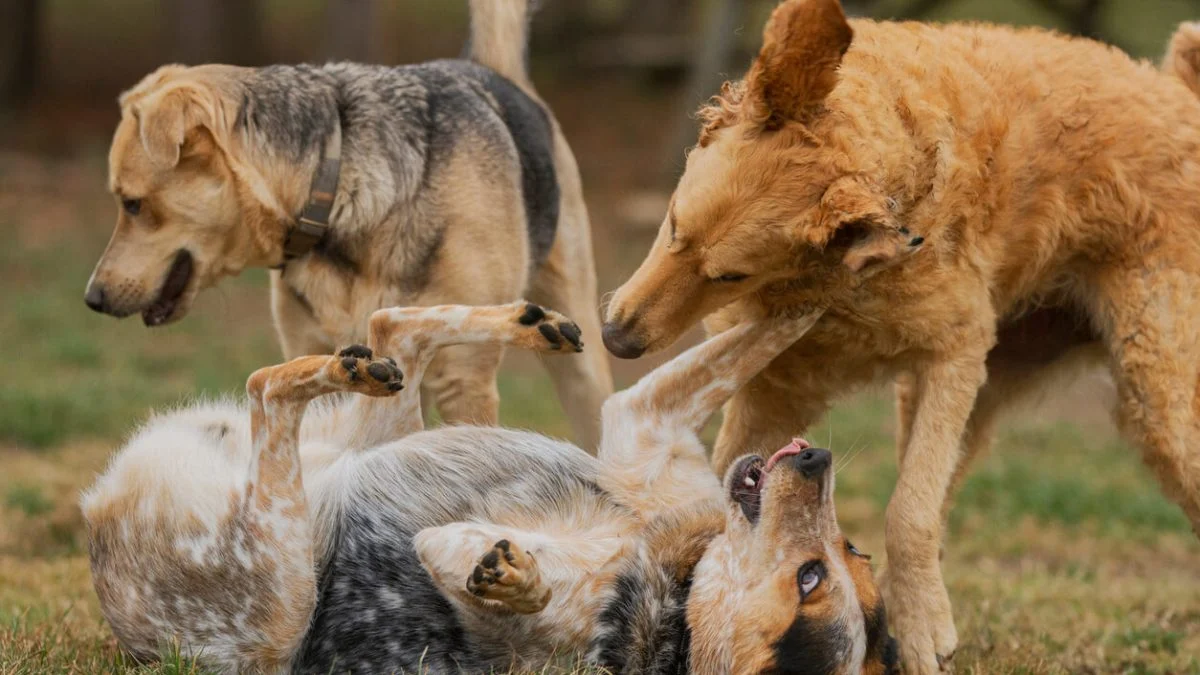
Deconstructing the Day Care Environment
To understand why a dog might struggle at day care, you first need to look closely at the environment itself. A typical commercial day care facility is fundamentally different from any natural setting a dog encounters in daily life.
Commercial Day Care Stress Matrix:
├── High Pack Density      ➔ 10 to 30+ dogs sharing a single play area
├── High Auditory Noise     ➔ Constant barking creates a stressful sound environment
├── Artificial Surfaces     ➔ Rubberized mats and concrete reflect heat, scent, and noise
└── Low Spatial Escape      ➔ Limited private spaces to retreat when tired or overwhelmed
1. High Pack Density and Sensory Overload
In a standard commercial facility, anywhere from 10 to more than 30 dogs share a single indoor play yard or outdoor enclosure. This layout creates an environment filled with strong scents, loud sounds, and constant movement.
For many dogs, the continuous sound of barking enclosed by concrete walls, combined with the smell of dozens of other animals, keeps their nervous system in a state of high alert.
2. Forced Socialization vs. Selective Association
In nature, wild canids do not interact with dozens of unfamiliar individuals every day. Dogs naturally select their social circles, forming close bonds with family members while remaining neutral or cautious around strangers.
Commercial day care forces dogs into prolonged contact with unfamiliar peers, which can drain their social battery and trigger defensive behavior.
3. The Dynamics of Constant Motion
Unlike a normal day at home—where an adult cat or dog sleeps between 12 and 14 hours a day—day care play yards keep animals in motion for hours at a time.
Without structured rest periods in quiet spaces, dogs quickly become overtired. Just like exhausted toddlers, overstimulated dogs lose their emotional control, leading to excessive barking, mouthy play, or sudden shifts in mood.
The Six Primary Reasons Dogs Are Dismissed
When a facility dismisses a dog, the decision is usually based on safety, stress levels, or overall group dynamics. Here are the six primary reasons behind day care dismissals:
Primary Causes for Day Care Dismissal:
├── 1. Separation Anxiety      ➔ Pacing, vocalizing, and escape attempts at entry gates
├── 2. Excessive Barking        ➔ Constant noise signaling stress or overstimulation
├── 3. Play Style Mismatch     ➔ Rough, physical play that scares or overwhelms peers
├── 4. Low Social Battery      ➔ Preferring solitude; hiding, resting, or avoiding interaction
├── 5. Social & Skill Gaps     ➔ Missing play cues, poor impulse control, ignoring commands
└── 6. Poor Facility Fit       ➔ Overwhelmed by high pack sizes or indoor-only layouts
1. Separation Anxiety and Attachment Distress
Separation anxiety is one of the most common issues dogs face today. While owners often hope day care will distract a dog who struggles being home alone, the entrance and drop-off areas can actually trigger high anxiety.
-
Behavioral Triggers: Dogs with separation distress often panic when their owner leaves. They may pace near the exit gates, whine continuously, or attempt to climb fences to follow their human.
-
Operational Impact: A dog focused entirely on escaping or finding their owner cannot settle or enjoy group play. Staff members must spend disproportionate time comforting or managing the anxious dog, taking attention away from monitoring the rest of the group.
2. Excessive Barking and Overarousal
Barking is a natural way for dogs to communicate, but continuous, non-stop vocalization points to deeper stress or overarousal.
Vocalization Motivation Spectrum:
├── Demand Barking   ➔ Seeking attention or access to a specific playmate
├── Alarm Barking    ➔ Reacting defensively to sudden noises, movements, or staff actions
└── Stress Release   ➔ A physical coping mechanism to release built-up nervous tension
-
Behavioral Triggers: In a day care setting, constant barking usually stems from overarousal or frustration (such as being separated from a favorite playmate by a gate).
-
Operational Impact: Persistent high-pitched barking raises stress levels across the entire yard. It can agitate other dogs, spark group reactivity, and make it difficult for staff to give clear verbal cues.
3. Mismatched Play Styles and Physical Intensity
Every dog has a distinct play style, shaped by their breed background, early socialization, and personality. Problems arise when contrasting play styles are grouped together without proper matching.
Play Style Dynamics:
┌───────────────────────────────┬───────────────────────────────┐
│     High-Impact Styles        │     Low-Impact Styles         │
├───────────────────────────────┼───────────────────────────────┤
│ • Body-Slamming / Wrestling   │ • Chase Games with Space      │
│ • Mouthy Neck-Grabbing        │ • Soft Pawing & Bowing        │
│ • High-Speed Herding Chases   │ • Parallel Sniffing & Resting │
└───────────────────────────────┴───────────────────────────────┘
-
Behavioral Triggers: A young Boxer or Labrador may enjoy rough wrestling and body-slamming. However, if paired with a Herding breed that prefers space or a sensitive Companion breed that likes gentle play, that high-impact style can be terrifying.
-
Operational Impact: Even if a rough-playing dog has zero aggressive intent, their physical intensity can provoke a defensive bite from a frightened playmate. Facilities must remove dogs whose play style creates ongoing safety risks for others.
4. Low Social Battery and Preference for Solitude
It is a common myth that all dogs are social butterflies who want to play with peers forever. In reality, canine social tolerance naturally changes as dogs mature from adolescence into adulthood.
Canine Social Tolerance Spectrum:
├── Dog Social     ➔ Loves almost all dogs; tolerant of rude behaviors (Typical in Puppies)
├── Dog Tolerant   ➔ Accepts most dogs; polite, but has clear personal boundaries (Typical in Adults)
├── Dog Selective  ➔ Enjoys a select group of familiar friends; dislikes strangers
└── Dog Aggressive ➔ Proactively seeks distance; low tolerance for outside dogs
-
Behavioral Triggers: Dogs with a low social battery or a "Dog Selective" profile often retreat to corners, sleep under benches, or move away whenever another dog approaches.
-
Operational Impact: If forced to remain in a crowded yard, a dog who wants solitude may eventually use warning signs—such as lip curling, growling, or air snapping—to protect their personal space.
5. Lack of Impulse Control and Missed Social Cues
Polite canine play relies on clear communication, mutual consent, and frequent breaks. Some dogs simply lack the social practice needed to read subtle body language.
Canine Communication Signal Hierarchy:
[Subtle Space Cues] ──► Turning Head Away / Yawning / Freeze
                               │
                               ▼
[Direct Distance Signals] ──► Hard Stare / Lip Curl / Low Growl
                               │
                               ▼
[Correction / Enforcement] ──► Air Snap / Defensive Muzzle-Punch
-
Behavioral Triggers: A dog with weak social skills may ignore another dog's subtle "give me space" signals (like a head turn, lip lick, or stiff posture). They may also struggle with basic staff commands like "leave it" or "come."
-
Operational Impact: When a dog ignores a peer's polite warnings, the uncomfortable dog is forced to escalate to a stronger correction (like a growl or snap). This dynamic can quickly turn a play interaction into a fight.
6. Facility Layout and Environmental Fit
Sometimes, a dismissal has nothing to do with the dog's behavior and everything to do with the facility's physical design and operating style.
-
High-Volume vs. Small-Group Facilities: A facility that runs large groups of 25+ dogs in a single room will overwhelm sensitive, quiet, or easily startled dogs.
-
Indoor vs. Outdoor Layouts: Dogs used to running on grass may struggle in indoor-only facilities with rubber flooring, leading to potty accidents or high frustration. Switching to a smaller facility with private yards often resolves these issues instantly.
Evaluating Reintroduction vs. Alternative Care
Once the initial shock of a dismissal wears off, you face a key choice: Should you work to reintroduce your dog to day care, or is it time to pivot to a different care model?
Decision Matrix: Reintroduction vs. Pivot:
Is the issue related to basic training or minor overarousal?
 ├── YES ➔ Proceed to Section A: Behavior Remediation & Reintroduction Protocol
 └── NO  ➔ Is the issue related to fear, low social tolerance, or severe stress?
            └── YES ➔ Proceed to Section B: Alternative Care & At-Home Enrichment
Section A: The Systematic Reintroduction Protocol
If your dog genuinely enjoys playing with other dogs but simply needs better impulse control or gradual exposure, follow this structured retraining plan before applying to a new facility.
Step 1: Partner with a Certified Positive-Reinforcement Trainer
Avoid trainers who use punitive tools like prong collars or electronic shock collars to address day care behaviors. Suppressing stress signals with corrections often causes a dog to skip warning signs (like growling) and jump straight to biting when overwhelmed.
Instead, work with a certified positive-reinforcement trainer (such as an IAABC-CDBC or CPDT-KA credentialed professional) who specializes in canine body language and play dynamics.
Step 2: Outside-the-Fence Exposure Training
To help your dog build emotional control around groups of dogs without sensory overload, practice this controlled exercise outside a local dog park:
Section B: Pivoting to Alternative Care Models
If your dog finds large group environments inherently stressful, forcing them back into day care will only increase their anxiety. Instead, consider these effective care alternatives:
Alternative Care Options:
├── 1. Professional In-Home Dog Walkers ➔ Solo "sniffari" walks tailored to your dog's pace
├── 2. Individual Home Sitters         ➔ One-on-one care in a quiet, low-stress home environment
├── 3. Half-Day Day Care Programs      ➔ Short, structured visits that avoid social fatigue
└── 4. Small-Group Micro-Day Cares     ➔ Carefully matched groups of 3 to 5 well-mannered dogs
-
Professional Dog Walkers (Solo Walks): A professional walker visits your home mid-day to take your dog on a dedicated 30- to 60-minute walk. This provides mental stimulation and physical exercise without the stress of group play.
-
In-Home Dog Sitters: Platforms like Rover, as well as private local sitting agencies, offer sitters who care for a single dog at a time in their own home. This setting provides a calm atmosphere with personalized human attention.
-
Half-Day Programs: If your dog does well in short bursts but grows irritable as fatigue sets in, ask facilities about half-day options (2 to 4 hours). Leaving before exhaustion sets in keeps experiences positive.
-
Neighbourhood Playdates: Pair your dog with one or two familiar, well-matched dogs for playdates in a secure, private yard.
Home Enrichment and Daily Routine Design
When transitioning away from day care, you need to replace that physical outlets with structured mental and physical activities at home. Mental stimulation burns excess energy efficiently while helping calm your dog's nervous system.
The Daily Canine Wellness Plan:
┌─────────────────────────────────────────────────────────┐
│ Morning: Decompression Walk (30-45 mins on a long line) │
├─────────────────────────────────────────────────────────┤
│ Mid-Day: Enrichment Puzzle or Frozen Lick Mat           │
├─────────────────────────────────────────────────────────┤
│ Evening: Short Trick Training Session (10-15 mins)      │
└─────────────────────────────────────────────────────────┘
1. Decompression Walks ("Sniffaris")
Instead of forcing a fast heel on a short leash, take your dog on a decompression walk using a 10- to 15-foot leash anchored to a comfortable harness in a quiet park or green space.
Allowing your dog to explore, sniff, and set their own pace engages their olfactory system, which lowers their heart rate and reduces stress.
2. Food-Based Enrichment Activities
Ditch standard food bowls and serve meals using interactive puzzles and sensory toys:
-
Lick Mats: Spread wet food, plain Greek yogurt, or canned pumpkin across a textured silicone mat and freeze it. Licking releases endorphins that naturally soothe and calm your dog.
-
KONG Stuffer Protocols: Pack rubber KONG toys with soaked kibble, ground turkey, and blueberries, then freeze them solid. Extracting the food keeps your dog's brain engaged for 30 to 45 minutes.
-
Snuffle Mats: Hide dry kibble or small treats inside dense fabric folds, encouraging your dog to use their natural foraging instincts.
Enrichment Recipe Ideas:
├── The Calming Lick Mat ➔ Plain Greek Yogurt + Canned Pumpkin + Crushed Freeze-Dried Liver
└── The Ultimate KONG    ➔ Soaked Kibble + Pureed Applesauce + Bone Broth (Frozen)
3. Positive Reinforcement Trick Training
Dedicate 10 minutes each day to teaching fun, low-stress tricks like "Spin," "Touch" (target training), or "Find It" (scent work games). Short, positive training sessions build your bond, improve focus, and work your dog's mind without physical strain.
Conclusion: Reframing the Day Care Experience
A dismissal from doggy day care is not a failure—it is simply valuable feedback about your dog's unique needs, personality, and boundaries.
Not every human thrives in a loud, crowded night club, and not every dog thrives in a high-density play yard. Recognizing that your dog prefers a quiet lifestyle, individual walks, or a small circle of close dog friends is an important part of good stewardship.
By honoring your dog's preferences, focusing on low-stress enrichment, and selecting care options that match their social tolerance, you can create a daily routine that keeps them happy, safe, and confident for years to come.
FAQ
1. Why would a dog get kicked out of doggy day care?
Dogs are usually removed from day care because their behavior creates safety concerns or they struggle to cope with the environment. Common reasons include excessive barking, rough play, separation anxiety, inability to read canine social cues, poor impulse control, resource guarding, or becoming overwhelmed by large groups of unfamiliar dogs. In many cases, the issue is not aggression but stress or overstimulation.
2. Does getting expelled from doggy day care mean my dog is aggressive?
No. Being asked to leave a doggy day care does not automatically mean your dog is aggressive.
Many dogs simply find large, noisy groups emotionally exhausting. Some dogs are naturally selective about their canine friendships and prefer interacting with only a few familiar dogs. Others become anxious or overstimulated after several hours of continuous activity.
A behavioral assessment from a qualified trainer can help determine whether the issue is fear, frustration, excitement, or true aggression.
3. Can a dog return to day care after being dismissed?
Yes, depending on the reason for the dismissal.
Many dogs successfully return after:
- Completing behavior modification training
- Improving impulse control
- Learning better social skills
- Reducing separation anxiety
- Attending smaller play groups
- Participating in supervised introductions
Some facilities even offer behavior assessment programs before allowing re-entry.
4. Is doggy day care suitable for every dog?
No.
Despite its popularity, doggy day care is not ideal for every dog.
Dogs that may struggle include:
- Dogs with anxiety
- Senior dogs
- Fearful dogs
- Highly reactive dogs
- Dogs recovering from injuries
- Dogs with low social tolerance
- Dogs that become overstimulated easily
Many of these dogs are happier with individual walks, one-on-one play sessions, or home-based enrichment.
5. What are the signs that my dog is overwhelmed at day care?
Common signs include:
- Constant barking
- Hiding behind furniture
- Pacing
- Excessive panting
- Refusing to interact
- Lip licking
- Yawning repeatedly
- Tail tucked
- Attempting to escape
- Snapping when approached
- Ignoring handlers
These behaviors indicate emotional stress rather than enjoyment.
6. How can I improve my dog's social skills?
Social skills improve gradually through controlled experiences.
Helpful methods include:
- Positive reinforcement training
- Small playgroups
- Parallel walking with calm dogs
- Controlled introductions
- Rewarding calm behavior
- Professional behavioral coaching
Avoid flooding your dog with large groups of unfamiliar dogs all at once.
7. What is a dog's social battery?
A dog's social battery refers to how much social interaction they can comfortably tolerate before becoming mentally exhausted.
Some dogs can play with other dogs all day.
Others become tired after only 20–30 minutes and need quiet time to recharge.
Recognizing your dog's limits helps prevent stress-related behavior problems.
8. Can separation anxiety cause problems at day care?
Absolutely.
Dogs with separation anxiety often struggle immediately after their owner leaves.
They may:
- Cry continuously
- Bark excessively
- Pace near doors
- Refuse to play
- Attempt to escape
- Ignore other dogs
Since these dogs remain emotionally focused on finding their owner, they rarely settle into group activities.
9. What alternatives are available if my dog cannot attend day care?
Excellent alternatives include:
- Professional dog walkers
- In-home pet sitters
- Half-day daycare programs
- Small-group daycare
- Neighborhood playdates
- Private enrichment sessions
- Nose work activities
- Puzzle feeders
- Sniff walks ("Sniffaris")
Many dogs actually thrive in these lower-stress environments.
10. What is a decompression walk?
A decompression walk is a slow-paced walk where the dog is encouraged to sniff, explore, and move freely on a long leash.
Unlike obedience-focused walks, decompression walks prioritize mental stimulation and stress reduction.
Sniffing naturally lowers a dog's heart rate and provides excellent enrichment.
11. Can mental enrichment replace doggy day care?
For many dogs, yes.
Mental exercise often tires a dog more effectively than physical exercise.
Examples include:
- Frozen KONG toys
- Snuffle mats
- Puzzle feeders
- Scent games
- Trick training
- Lick mats
- Hide-and-seek games
Combining these activities with daily walks creates a balanced routine.
12. Should I hire a professional dog trainer after my dog is dismissed?
If the dismissal involved repeated behavioral issues, consulting a certified positive reinforcement trainer is highly recommended.
A professional can:
- Identify the root cause
- Evaluate body language
- Develop a customized training plan
- Improve confidence
- Teach appropriate social behaviors
Avoid trainers who rely primarily on punishment-based methods, as they may suppress warning signals without addressing the underlying emotional state.
13. How do I know if my dog actually enjoys playing with other dogs?
Dogs that genuinely enjoy social play typically display:
- Relaxed body language
- Play bows
- Self-handicapping
- Taking breaks
- Loose, wiggly movements
- Returning voluntarily to play
Dogs that avoid interaction, constantly hide, or appear tense may not enjoy group play despite appearing "friendly."
14. What should I ask before enrolling my dog in a new daycare?
Important questions include:
- How many dogs are grouped together?
- Are dogs separated by size and play style?
- How often do dogs receive rest breaks?
- What are the staff-to-dog ratios?
- How are behavioral problems handled?
- Are temperament evaluations required?
- Are trainers on staff?
- What emergency procedures are in place?
Choosing the right facility greatly improves your dog's experience.
15. Can dogs become happier after leaving day care?
Yes.
Many owners discover that their dogs become calmer, more relaxed, and more confident after switching to individualized exercise and enrichment instead of large-group daycare.
Every dog has different social needs, and respecting those preferences often leads to better long-term behavioral health.