
Are Candles Bad for Dogs? The Complete Guide to Candle Safety, Air Quality, and Pet-Safe Aromatherapy
6 days ago
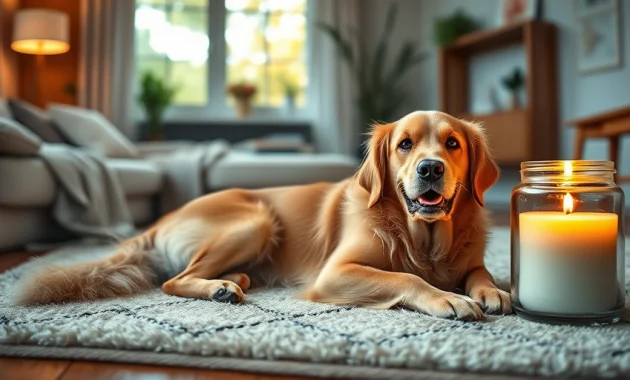
A cozy home often includes the warm glow and soothing scent of a burning candle. Whether you rely on candles to relax after a long workday, mask household odors, or create a welcoming atmosphere during cold months, they are a staple in millions of households.
However, if you share your living space with a canine companion, lighting a candle is not as simple as striking a match.
Dogs experience the world primarily through smell. A dog’s olfactory system is up to 100,000 times more sensitive than a human's, meaning that a scent you find subtle can feel overwhelming to your pet. Beyond strong smells, the combustion process of certain waxes, synthetic fragrances, and wicks releases microscopic soot and volatile organic compounds (VOCs) directly into the air your dog breathes.
This comprehensive guide breaks down the science of canine respiratory health, identifies safe versus toxic candle ingredients, highlights high-risk dog breeds, and shares practical safety guidelines to protect your dog.

The Canine Respiratory System and Indoor Air Quality
To understand why candles pose a unique risk to dogs, we must look at how canine biology interacts with indoor air pollutants.
Canine Olfactory & Respiratory Exposure Pathway:
┌─────────────────────────────────────────────────────────────┐
│                 Combustion & Fragrance Emission             │
│        (VOCs, Soot Particles, Essential Oil Molecules)      │
└──────────────────────────────┬──────────────────────────────┘
                               │
                               ▼
┌─────────────────────────────────────────────────────────────┐
│                 Canine Inhalation & Scent Detection         │
│          (300 Million Olfactory Receptors in Nasal Cavity)  │
└──────────────────────────────┬──────────────────────────────┘
                               │
            ┌──────────────────┴──────────────────┐
            ▼                                     ▼
┌───────────────────────┐             ┌───────────────────────┐
│ Healthy Upper Airway  │             │ Sensitive / At-Risk   │
│ - Minor Olfactory Stress│           │ - Bronchial Spasms    │
│ - Efficient Mucus     │             │ - Respiratory Distress│
│   Clearance           │             │ - Airway Inflammation │
└───────────────────────┘             └───────────────────────┘
1. The Power of the Canine Nose
While humans possess roughly 5 million olfactory receptors, dogs boast up to 300 million. Additionally, the region of a dog's brain dedicated to analyzing smells is proportionally 40 times larger than ours.
When you light a heavily scented candle, the fragrance compounds fill the room. While a human might describe the room as "smelling gently like vanilla," a dog processes every individual chemical component at an intense concentration.
2. Particulate Matter and Volatile Organic Compounds (VOCs)
Burning a candle is a chemical combustion reaction. As the wick burns and wax melts, several emissions enter the air:
-
Particulate Matter (PM2.5): Microscopic soot particles suspended in the air. When inhaled deep into the lungs, these tiny particles can cause local tissue irritation and respiratory inflammation.
-
Volatile Organic Compounds (VOCs): Gaseous chemicals emitted from heated waxes, dyes, and synthetic perfumes (e.g., formaldehyde, benzene, and toluene).
Because dogs spend most of their time close to the floor—where heavier soot particles and settleable gases collect—they often face higher concentrations of indoor air pollutants than standing humans.
Safe vs. Unsafe Candle Ingredients: An Ingredient Breakdown
Not all candles are created equal. The health impact of a candle depends almost entirely on the materials used to construct its wax base, wick, and scent profile.
Candle Safety Profile:
├── SAFE WAXES    ➔ Pure Soy, Beeswax, Pure Coconut, Vegetable Wax
├── SAFE WICKS    ➔ Unbleached 100% Cotton, Natural Wood Wicks
├── DANGEROUS WAX ➔ Paraffin Wax (Petroleum Byproduct)
└── TOXIC OILS    ➔ Tea Tree, Eucalyptus, Pine, Peppermint, Cinnamon
1. The Wax Base: Choosing Clean Burners
| Wax Type | Risk Level | Characteristics & Canine Impact |
| Pure Soy Wax | LOW | Derived from soybeans. Burns clean, produces minimal soot, and contains no petroleum toxins. |
| Beeswax | LOW | All-natural byproduct of honeybees. Burns slowly and cleanly; naturally neutralizes airborne dust. |
| Coconut Wax | LOW | Highly sustainable, non-toxic, and produces negligible soot emissions when burned. |
| Paraffin Wax | 🚨 HIGH | Derived from petroleum sludge. Releases toluene and benzene—known carcinogens and lung irritants. |
2. Wick Safety and Structural Materials
-
Unbleached Cotton Wicks: Safe and non-toxic. They burn cleanly without adding heavy metal particles to the air.
-
Wooden Wicks: Generally safe, provided they are untreated with chemical accelerants.
-
Lead-Core Wicks: 🚨 DANGEROUS. Although banned in the United States since 2003, some imported or uncertified craft candles still contain lead-core wicks designed to keep the wick standing straight. Burning lead-core wicks releases airborne lead particles, posing severe neurological risks to pets.
3. Fragrance Chemistry: Synthetic vs. Essential Oils
Aromatherapy Risk Gradient for Dogs:
[Pet-Safe Scents] ────────────────────────────► [Severely Toxic Oils]
(Lavender, Vanilla, Chamomile, Cedarwood)       (Tea Tree, Eucalyptus, Pine, Peppermint)
The scent used in a candle carries the highest risk for canine respiratory irritation or toxic reaction:
-
High-Risk Essential Oils to Avoid:
-
Tea Tree (Melaleuca): Highly toxic to dogs; causes lethargy, tremors, and skin irritation.
-
Eucalyptus & Peppermint: Contain high levels of phenol compounds that irritate bronchial passages and trigger asthma attacks.
-
Pine, Cinnamon, & Citrus: Contain concentrated terpenes that stress the liver and inflame nasal mucosa.
-
-
Safer Fragrance Options (In Low Concentrations):
-
Lavender, Vanilla, Roman Chamomile, Cedarwood, Frankincense, and Copaiba.
-
Identifying Vulnerable Dogs and Clinical Distress Signs
While healthy adult dogs may tolerate a low-emission candle in a well-ventilated space, certain vulnerable dogs should never be exposed to candle smoke or fragrances.
Vulnerable Canine Profiles:
├── Brachycephalic Breeds ➔ Pugs, French Bulldogs, Boxers, Boston Terriers
├── Pre-Existing Disease  ➔ Canine Asthma, Chronic Bronchitis, Allergies
└── Vulnerable Stages     ➔ Young Puppies, Senior Dogs with Cardiac Issues
1. High-Risk Canine Populations
-
Brachycephalic Breeds: Dogs with shortened nasal passages (Pugs, Bulldogs, Boxers, Shih Tzus) already suffer from restricted airflow. Inhaling minor irritants or soot particles can cause acute airway swelling and respiratory distress.
-
Dogs with Pre-Existing Respiratory Issues: Pups diagnosed with canine asthma, chronic bronchitis, or seasonal respiratory allergies should live in an environment free of added airborne scents or combustion byproducts.
2. Clinical Signs Your Candle Is Bothering Your Dog
Keep a close eye on your dog's behavior whenever a candle is burning. Extinguish the flame immediately if you observe any of the following symptoms:
Physical Hazards and Pet-Safe Alternatives
Beyond airborne toxins, lit candles present physical dangers like accidental burn injuries, house fires, and wax ingestion.
Physical Safety Protocol:
┌─────────────────────────────────────────────────────────────┐
│                 Open Flame Physical Hazards                 │
│         (Tail Swiping, Curled Whiskers, Tipped Vases)        │
└──────────────────────────────┬──────────────────────────────┘
                               │
                               ▼
┌─────────────────────────────────────────────────────────────┐
│                      Safer Alternatives                     │
│  - Electric Wax Warmers (Pet-Safe Wax)                      │
│  - Flameless LED Battery Candles                            │
│  - Air Purifiers with HEPA + Activated Carbon Filters       │
└─────────────────────────────────────────────────────────────┘
1. Preventing Physical Trauma and Ingestion
-
Keep Out of Reach: Place candles on sturdy, elevated surfaces far above tail-wagging height. A dog's tail can easily knock over a glass candle jar or sweep through an open flame.
-
Ingestion Emergencies: If your dog eats candle wax, check the ingredient label immediately. While pure soy or beeswax usually passes through the digestive tract with mild stomach upset, swallowed paraffin, dyes, or synthetic oils can cause intestinal blockages or chemical toxicity. Contact your veterinarian or the Pet Poison Helpline (855-764-7661) right away.
2. Dog-Friendly Candle Alternatives
If you want to maintain a fresh-smelling home without risking your dog's health, consider these safer substitutes:
-
Flameless LED Candles: Offer the warm visual ambiance of flickering light without open flames, smoke, or VOC emissions.
-
Electric Wax Warmers: Use pet-safe, unscented soy melt wax heated by an electric bulb to eliminate open flames and combustion soot entirely.
-
HEPA & Carbon Air Purifiers: Instead of masking pet odors with heavy perfumes, use an air purifier equipped with an Activated Carbon Filter to remove airborne odors and a True HEPA filter to capture dander and dust.
Conclusion: Balancing Ambience and Canine Safety
You don't necessarily have to banish all candles to keep your dog safe, but you must burn them thoughtfully.
By choosing 100% natural waxes (like pure soy or beeswax), opting for cotton wicks, avoiding toxic essential oils, maintaining good ventilation, and keeping flames well out of reach, you can enjoy a cozy home while protecting your dog's lungs and health.
Quick Reference: Canine Candle Safety Matrix
| Feature / Material | Safety Status | Biological Risk Level | Recommended Action |
| Soy / Beeswax + Cotton Wick | SAFE | Minimal soot and VOC emission | Use in well-ventilated rooms away from dogs. |
| Paraffin Wax | ❌ UNSAFE | High; releases benzene & petroleum soot | Replace with plant-based waxes. |
| Tea Tree / Pine / Peppermint Oils | 🚨 TOXIC | High; causes airway spasms & toxicity | Avoid completely around pets. |
| Brachycephalic (Flat-Faced) Dogs | 🚨 HIGH RISK | High risk of acute respiratory distress | Avoid all burning candles; use LED alternatives. |
| Flameless LED Candles | 100% SAFE | Zero risk of smoke, toxicity, or fire | Best choice for households with active dogs. |
Frequently Asked Questions (FAQ)
1. Are scented candles safe for dogs?
Not all scented candles are safe for dogs. The safety depends on the type of wax, wick, and fragrance used. Candles made from 100% soy wax, beeswax, or coconut wax with cotton wicks are generally safer because they produce less soot and fewer harmful emissions. However, candles containing paraffin wax, synthetic fragrances, or toxic essential oils can irritate a dog's respiratory system and should be avoided.
2. Why are dogs more sensitive to candle scents than humans?
Dogs have an extraordinary sense of smell, with up to 300 million olfactory receptors compared to about 5 million in humans. Their brains also dedicate significantly more processing power to interpreting scents. As a result, fragrances that smell pleasant and mild to people may be overwhelming or irritating for dogs, especially when burned for extended periods in enclosed spaces.
3. Is paraffin wax dangerous for dogs?
Yes. Paraffin wax is considered one of the least pet-friendly candle materials because it is a petroleum byproduct. When burned, it may release volatile organic compounds (VOCs) such as benzene and toluene, along with fine soot particles that can irritate the lungs and airways of both humans and pets. Choosing plant-based waxes like soy or beeswax is a much safer alternative.
4. Which candle wax is safest for dogs?
The safest candle waxes include:
- Pure soy wax
- Beeswax
- Coconut wax
- Natural vegetable wax blends
These waxes burn cleaner, produce minimal soot, and release fewer airborne pollutants compared to paraffin candles.
5. What candle fragrances should never be used around dogs?
Several essential oils and fragrances can be harmful to dogs, especially when concentrated or burned in candles. These include:
- Tea Tree (Melaleuca)
- Eucalyptus
- Peppermint
- Pine
- Cinnamon
- Wintergreen
- Clove
- Citrus oils (orange, lemon, lime, grapefruit)
These oils may cause respiratory irritation, neurological symptoms, skin irritation, or digestive problems depending on the level of exposure.
6. Are essential oil candles safe for dogs?
Not always. Even natural essential oils can be harmful to dogs. While certain oils such as lavender, vanilla, Roman chamomile, frankincense, cedarwood, and copaiba are generally considered lower risk when used in very low concentrations and with proper ventilation, no scented candle is completely risk-free. If your dog has respiratory disease or sensitivity, fragrance-free options are the safest choice.
7. Which dogs are most vulnerable to candle smoke?
Some dogs are significantly more sensitive to airborne irritants than others, including:
- Pugs
- French Bulldogs
- English Bulldogs
- Boston Terriers
- Boxers
- Shih Tzus
- Senior dogs
- Puppies
- Dogs with asthma
- Dogs with chronic bronchitis
- Dogs with seasonal allergies
- Dogs with heart disease
These dogs may develop breathing difficulties even with relatively low levels of indoor smoke or fragrance.
8. What symptoms indicate that a candle is bothering my dog?
Watch for the following warning signs:
- Frequent sneezing
- Coughing
- Watery eyes
- Runny nose
- Excessive panting
- Wheezing
- Labored breathing
- Restlessness
- Rubbing the face
- Skin redness
- Loss of appetite
- Vomiting
- Lethargy
If symptoms continue after extinguishing the candle, contact your veterinarian promptly.
9. Can candle smoke damage a dog's lungs?
Yes. Repeated exposure to smoke, soot, and VOCs may irritate the respiratory tract and contribute to chronic inflammation over time. Dogs with existing respiratory disease are especially susceptible to developing worsening symptoms after repeated exposure to indoor air pollutants.
10. What should I do if my dog eats candle wax?
The response depends on the ingredients.
If your dog consumes pure soy wax or beeswax, mild digestive upset is the most common outcome, although large amounts can still create intestinal blockages.
If the candle contains paraffin wax, artificial dyes, essential oils, or fragrance chemicals, contact your veterinarian immediately. The packaging or ingredient list will help determine the appropriate treatment.
11. Can dogs get sick from inhaling candle smoke even if they never touch the candle?
Yes. Dogs do not need direct contact with the candle to experience adverse effects. Simply breathing airborne soot particles, fragrance chemicals, or VOCs can trigger coughing, eye irritation, nasal inflammation, or respiratory distress, particularly in poorly ventilated rooms.
12. How can I safely burn candles around my dog?
Follow these safety practices:
- Choose 100% soy, beeswax, or coconut wax candles.
- Use cotton or untreated wooden wicks.
- Avoid toxic essential oils.
- Burn candles only in well-ventilated rooms.
- Limit burn time.
- Never leave candles unattended.
- Place candles well out of your dog's reach.
- Extinguish candles immediately if your dog shows signs of discomfort.
13. What are the safest alternatives to traditional candles?
Pet-friendly alternatives include:
- Flameless LED candles
- Electric wax warmers using fragrance-free soy melts
- HEPA air purifiers with activated carbon filters
- Proper home ventilation
- Baking soda odor absorbers
- Pet-safe air purification systems
These options provide ambiance or odor control without smoke or combustion.
14. Can puppies be exposed to scented candles?
Puppies have developing respiratory and immune systems, making them more sensitive to airborne pollutants than healthy adult dogs. It is best to avoid burning scented candles around puppies whenever possible and instead use flameless lighting or natural ventilation.
15. How do I know if a candle is truly pet-safe?
Look for products that clearly state:
- 100% Soy Wax, Beeswax, or Coconut Wax
- Cotton Wick
- Lead-Free Wick
- No Paraffin
- No Phthalates
- No Artificial Dyes
- No Toxic Essential Oils
- Clean Burning
- Low VOC Formula
When in doubt, fragrance-free candles remain the safest choice for households with dogs.