
The Ultimate Veterinary and Behavioral Guide to Canine Phytotoxins: Understanding Dangerous Fruits, Vegetables, and Kitchen Hazards
1 month ago · Updated 1 month ago
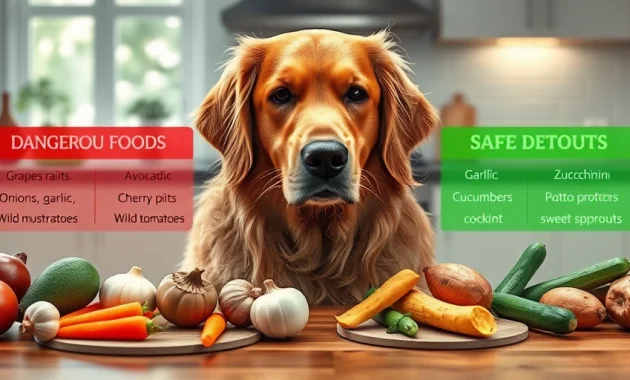
As domestic dogs (Canis lupus familiaris) live closely with our families, they share not just our living spaces, but often our interest in food. While canine companions are classified as omnivores—meaning their bodies can process and utilize nutrients from both animal and plant sources—their metabolic, enzymatic, and cellular biology operates under very different rules than human physiology.
What serves as a nutrient-dense superfood or a healthy snack for a human can act as a catastrophic poison within a dog’s bloodstream. Because dogs are highly driven by scent and a natural scavenging instinct, they will readily consume toxic fruits, vegetables, or food scraps without any awareness of the danger.
For the modern pet owner, protecting a dog’s long-term health requires a detailed understanding of canine toxicology and preventative nutrition. This guide provides a comprehensive look at dangerous fruits and vegetables. It breaks down the chemical compounds that cause toxicity, explores the underlying damage they do to organs, and offers clear, actionable strategies to keep your home safe.
The High-Risk Phytotoxins (Pathophysiology and Systemic Damage)
Certain fruits and plants contain highly reactive chemical compounds that are completely harmless to humans but trigger devastating organ failure or systemic collapse in dogs. These foods must be completely eliminated from a dog’s diet, as even tiny amounts can prove life-threatening.
                      [Canine Phytotoxic Hazards]
                                   │
         ┌─────────────────────────┼─────────────────────────┐
         ▼                         ▼                         ▼
[Vitis Vinifera Toxicoses]    [Allium-Induced Anemia]    [Cyanogenic Glycosides]
Grapes and raisins cause     Onions and garlic destroy  Cherry pits arrest cellular
Acute Kidney Injury (AKI).   erythrocyte membranes.     oxygen transport mechanisms.
1. Grapes, Raisins, and Sultanas (Vitis vinifera)
For decades, the exact reason why grapes and raisins poison dogs remained one of the biggest mysteries in veterinary medicine. Recent clinical breakthroughs have identified tartaric acid and its potassium salt (potassium bitartrate) as the primary toxic agents.
Humans easily process tartaric acid, but dogs lack the specific metabolic pathways needed to break it down and eliminate it safely.
[Tartaric Acid Ingestion] ──► [Proximal Renal Tubular Necrosis] ──► [Acute Kidney Injury (AKI)]
When a dog digests a grape or raisin, the absorbed tartaric acid builds up rapidly in the kidneys, causing acute damage to the renal proximal tubules. As these vital filtering cells die off, the kidneys lose their ability to process waste, filter blood, and regulate fluids.
-
Clinical Progression: Within 6 to 12 hours of eating the fruit, a dog will typically begin vomiting, show a total loss of appetite, and develop diarrhea. As the condition worsens over the next 24 to 72 hours, the kidneys can shut down completely, leading to a dangerous drops in urine output (anuria).
-
The Idiosyncratic Variance: Grape toxicity is highly unpredictable. Some dogs can eat small amounts without showing immediate signs of illness, while a single raisin can cause fatal kidney failure in a sensitive dog, regardless of its body weight. Because there is no known safe minimum dose, all grape and raisin ingestions must be treated as strict medical emergencies.
2. The Allium Family (Onions, Garlic, Leeks, Shallots, and Chives)
Whether fresh, cooked, dehydrated, or ground into a fine powder, every member of the Allium genus is highly toxic to dogs. These plants contain a complex mix of organosulfur compounds, primarily n-propyl disulfide and various thiosulfates.
[N-Propyl Disulfide] ──► [Oxidative Stress on Erythrocytes] ──► [Heinz Body Formation] ──► [Hemolytic Anemia]
When a dog digests these compounds, the molecules are absorbed directly into the bloodstream, where they cause severe oxidative damage to the outer walls of red blood cells (erythrocytes).
The canine body cannot easily neutralize these oxidants. As a result, the hemoglobin inside the red blood cells clumps together, forming structural defects known as Heinz bodies.
The dog's spleen identifies these damaged red blood cells as defective and destroys them prematurely. This widespread destruction triggers Heinz body hemolytic anemia.
-
Clinical Presentation: The signs of onion or garlic poisoning rarely show up immediately. It typically takes 3 to 5 days for a dog to develop noticeable symptoms, which include extreme lethargy, pale or yellowing gums (jaundice), a rapid heart rate, heavy breathing, and dark, reddish-brown urine (hemoglobinuria).
-
Breed Specific Vulnerabilities: While all dogs are vulnerable, certain Japanese breeds—including the Akita, Shiba Inu, and Jindo—possess a unique inherited blood chemistry. Their red blood cells contain higher baseline levels of potassium and reduced glutathione, making them exceptionally sensitive to oxidative stress and prone to severe hemolytic crises from even trace amounts of garlic or onion.
3. Cherries and Prunus Species (The Mechanics of Cyanide Poisoning)
The sweet, fleshy part of a ripe cherry is technically non-toxic to dogs, but the rest of the fruit presents a severe hazard. The pit, stem, and leaves of the cherry plant are rich in a compound called amygdalin, which is a cyanogenic glycoside.
[Amygdalin Ingestion via Crushed Pits] ──► [Hydrolysis into Hydrogen Cyanide] ──► [Inhibition of Cytochrome c Oxidase]
If a dog chews and crushes a cherry pit, the amygdalin mixes with digestive enzymes and breaks down into hydrogen cyanide. Once absorbed, cyanide binds tightly to an enzyme inside the cell’s mitochondria called cytochrome c oxidase.
This action locks the cell's power plants, completely blocking the body's tissues from absorbing oxygen from the bloodstream.
-
Systemic Suffocation: Even though the blood is fully loaded with oxygen, the cells cannot use it. This leads to a terrifying form of internal chemical suffocation.
-
Symptoms: Within minutes of ingestion, a dog will show signs of cyanide poisoning: widely dilated pupils, severe difficulty breathing, bright cherry-red gums, a weak, rapid pulse, muscle tremors, convulsions, and sudden collapse.
Structural Toxins, Localized Damage, and Intestinal Obstructions
Not all plant-based dangers involve immediate organ failure or cellular damage. Many common fruits and vegetables contain compounds that irritate the stomach and intestines, disturb the nervous system, or present physical blockages within a dog's digestive tract.
                    [Structural Plant Vulnerabilities]
                                    │
         ┌──────────────────────────┴──────────────────────────┐
         ▼                                                     ▼
[Solanine Glycoalkaloids]                             [Fungoid Mycotoxicoses]
Green tomatoes, stems, and vines contain             Wild or uncultivated mushrooms introduce
solanine, inducing severe neuro-gastroenteritis.     cyclopeptides, causing acute hepatic necrosis.
1. Solanaceae Family (Tomatoes and Potatoes)
The Solanaceae family includes household staples like tomatoes and potatoes. While a fully ripe, red tomato or a plain, thoroughly cooked potato is generally safe for dogs to eat in moderation, the green portions of these plants are highly hazardous.
Unripe green tomatoes, tomato vines, potato skins, and green potato sprouts contain a bitter-tasting defense chemical called solanine, which is a toxic glycoalkaloid.
-
Gastrointestinal and Neurological Impact: Solanine acts as a strong acetylcholinesterase inhibitor, disrupting the normal transmission of nerve signals throughout the body. When ingested, it irritates the delicate lining of the stomach and intestines while depressing the central nervous system.
-
Symptoms: A dog suffering from solanine poisoning will show signs of severe neuro-gastroenteritis, including heavy drooling, a total loss of appetite, intense vomiting, watery diarrhea, profound weakness, dilated pupils, and a slowed heart rate. Caregivers must be especially vigilant if they grow tomato plants or store raw potatoes in accessible areas around the home.
2. Lauraceae Family (Avocados)
The avocado craze has made this fruit a staple in many kitchens, but it presents a unique dual threat to domestic dogs. Avocados contain an oil-soluble, fungicidal compound known as persin, which is found in the leaves, bark, skin, and central pit of the fruit.
-
The Chemical Threat: While persin is highly lethal to birds, horses, and goats—often causing fatal heart muscle damage—dogs are generally more resilient. In canines, eating large amounts of avocado skin or flesh typically causes moderate stomach irritation, leading to vomiting and diarrhea. However, the high fat content in avocados poses a secondary medical risk: overloading a dog's digestive system with fats can trigger acute pancreatitis, a painful and potentially life-threatening inflammation of the pancreas.
-
The Mechanical Threat: Beyond chemical toxicity, the large, smooth, and solid pit of an avocado represents a serious physical hazard. Because dogs often swallow items whole, the pit can easily become lodged in the esophagus, stomach, or small intestine, creating a complete mechanical blockage that requires emergency surgery to clear.
3. Mycological Toxins (Wild and Uncultivated Mushrooms)
Mushrooms purchased from a commercial grocery store are generally safe for dogs to eat, but wild mushrooms growing in backyard lawns, damp forests, or local parks are highly unpredictable.
Out of the tens of thousands of mushroom species worldwide, a select few contain lethal toxins like amatoxins, phallotoxins, muscarine, or psilocybin.
[Amatoxin Ingestion] ──► [Inhibition of RNA Polymerase II] ──► [Acute Hepatic Necrosis] ──► [Liver Failure]
The most dangerous wild mushrooms, such as Amanita phalloides (commonly known as the Death Cap), contain amatoxins. These compounds cannot be destroyed by cooking, freezing, or drying.
Once swallowed, amatoxins quickly inhibit an enzyme essential for cellular life: RNA polymerase II. Without this enzyme, cells cannot synthesize proteins, causing rapid cellular death throughout the liver.
-
The Delayed Onset: Amatoxin poisoning is particularly insidious because symptoms are often delayed. For the first 6 to 24 hours after eating the mushroom, the dog may appear completely normal.
-
Clinical Phase: Suddenly, severe gastrointestinal distress strikes, marked by violent vomiting and bloody diarrhea. While the dog might seem to recover temporarily over the next day, the underlying liver damage continues to worsen. Within 3 to 7 days, acute liver failure sets in, leading to jaundice, internal bleeding, neurological issues, seizures, and death. Because distinguishing safe wild mushrooms from toxic ones requires expert identification, any ingestion of a wild mushroom must be treated as an immediate clinical emergency.
Toxicological Threat Matrix
| Plant Specimen | Primary Toxic Agent | Target Organ / System | Critical Diagnostic Signs |
| Grapes & Raisins | Tartaric Acid | Renal Tubules (Kidneys) | Persistent vomiting, severe lethargy, intense thirst, decreased urine output. |
| Onions & Garlic | N-propyl disulfide | Erythrocytes (Red Blood Cells) | Pale or yellowing gums, dark reddish urine, rapid panting, weakness. |
| Cherry Pits & Stems | Amygdalin (Cyanide) | Cellular Respiration | Bright cherry-red mucous membranes, dilated pupils, breathing distress, sudden collapse. |
| Green Tomatoes & Vines | Solanine | Gastrointestinal & CNS | Heavy drooling, severe vomiting, abdominal pain, muscle weakness, slow heart rate. |
| Wild Mushrooms | Amatoxins / Muscarine | Hepatic (Liver) | Delayed onset vomiting, bloody diarrhea, jaundice, uncoordinated movement, seizures. |
Safe, Nutritional Fruits and Vegetables for Canine Enrichment
While it is crucial to avoid toxic plants, many fruits and vegetables can serve as safe, low-calorie treats that add valuable vitamins, minerals, and dietary fiber to a dog's routine. When prepared correctly, these whole foods offer an excellent alternative to processed commercial treats.
                      [Safe Botanical Supplements]
                                   │
         ┌─────────────────────────┼─────────────────────────┐
         ▼                         ▼                         ▼
 [Cucurbitaceae Family]         [Root Vegetables]          [Beta-Carotene Sources]
 Cucumbers provide calorie-     Carrots offer mechanical   Sweet potatoes must be fully
 lean hydration.                dental cleaning benefits.  cooked to prevent stomach upset.
1. Cucumbers and Zucchini (Cucurbitaceae Family)
Cucumbers and zucchini make fantastic, highly efficient snacks for dogs, especially those prone to weight gain or working through a weight-management plan.
-
Hydration Boost: Cucumbers are composed of roughly 96% water, making them an excellent choice for a refreshing, hydrating snack during hot summer days or after intense exercise.
-
Weight Management: These vegetables are exceptionally low in calories, fats, and carbohydrates, allowing you to reward your dog frequently without unbalancing their daily caloric intake. They provide a satisfying, crunchy texture that dogs love, along with small amounts of Vitamin K, Vitamin C, and magnesium to support overall health.
2. Carrots (Daucus carota)
Carrots are an affordable, nutrient-dense root vegetable that can benefit both a dog's nutrition and their dental hygiene.
-
Mechanical Dental Hygiene: Feeding your dog raw, whole carrot sticks provides a safe, satisfying crunch that helps naturally scrape away soft plaque and food debris from the surfaces of their teeth.
-
Nutritional Value: Carrots are packed with Beta-Carotene, a powerful antioxidant that the canine liver converts into Vitamin A, which is essential for maintaining healthy vision, immune function, and skin health. They are also a rich source of soluble dietary fiber, which helps regulate digestion and promotes firm, healthy stools.
3. Sweet Potatoes (Ipomoea batatas)
Sweet potatoes are a highly digestible, energy-rich root vegetable that features prominently in premium commercial dog foods.
-
The Raw Restriction: Dogs must never be fed raw sweet potatoes. Raw tubers are tough, fibrous, and contain compounds that are incredibly difficult for a dog's short digestive tract to break down, often leading to severe stomach upset or physical intestinal blockages.
-
The Cooked Alternative: When thoroughly steamed, baked, or boiled without any added salt, butter, oils, or spices, sweet potatoes transform into a highly nutritious treat. They are an exceptional source of dietary fiber, Vitamin B6, Vitamin C, potassium, and manganese, making them a perfect soothing food option for dogs recovering from mild digestive issues.
Proactive Home Management and Prevention Protocols
Keeping your dog safe from kitchen toxins requires a combination of smart home engineering, clear family habits, and consistent behavioral training. By setting up reliable safeguards, you can prevent accidental poisonings before they happen.
                    [Proactive Preventive Systems]
                                  │
         ┌────────────────────────┼────────────────────────┐
         ▼                        ▼                        ▼
 [Physical Separation]     [Family Alignments]       [Behavioral Countermeasures]
 Store produce in locked   Establish a firm, absolute  Train an automatic "Leave It"
 pantries or high bins.    "No Table Scraps" policy.  command for dropped food.
1. Secure Storage Infrastructure
The simplest way to prevent toxic ingestions is to keep dangerous foods completely out of your dog's reach.
-
Elevated Produce Stations: Never leave bowls of fresh fruit—especially grapes, tomatoes, or avocados—sitting on low dining tables or kitchen counters. Many medium and large-breed dogs are skilled "counter surfers" who can easily snatch food when your back is turned.
-
Secured Pantries and Garbage Bins: Store onions, garlic, and raw potatoes inside upper kitchen cabinets, a latched pantry, or secure crisper drawers inside the refrigerator. Additionally, ensure your kitchen trash can uses a heavy, locking lid, as dogs are frequently drawn to the intense smells of discarded onion skins, avocado pits, or moldy produce scraps.
2. Managing the Family and Social Dynamic
Accidental poisonings often occur because family members or houseguests aren't aware of which common foods are hazardous to pets.
-
The "No Table Scraps" Policy: Establish a clear rule for everyone in the household: never feed the dog directly from the dining table or kitchen prep areas. If you want to reward your dog with safe fruits like carrots or cucumbers, place the treat directly into their food bowl during their normal feeding times. This simple boundary breaks the habit of begging and ensures you can track exactly what your dog is eating.
-
Educating Visitors: When hosting social gatherings, holiday meals, or dinner parties, remind your guests not to slip the dog any food. Inform them specifically about hidden dangers, such as the garlic and onion powders used in savory dishes, gravies, and chip dips, which can easily make a dog sick.
3. Training Behavioral Safeguards
No matter how careful you are, food will occasionally fall to the floor. Building a strong foundation of obedience training is your best last line of defense when an accident happens right in front of you.
[Food Drops on Floor] ──► [Immediate "Leave It" Command] ──► [Dog Disengages and Sits] ──► [High-Value Safe Reward]
-
The "Leave It" Command: Spend time consistently practicing a reliable "Leave It" cue. A well-trained dog should immediately step away from a dropped piece of food and look up at you for guidance, rather than rushing to swallow it.
-
The Emergency "Drop It" Protocol: If your dog does manage to pick up a hazardous item like a cherry pit or an onion slice, a solid "Drop It" command can save their life. Always reward their cooperation with an incredibly high-value, safe pet treat, reinforcing the habit that giving up a found scrap leads to an even better reward.
Clinical Urgency and Action Protocol
| Scenario / Observation | Suspected Hazard | Immediate In-Home Response |
| A dog swallows any quantity of grapes, raisins, or sultanas. | Acute Kidney Injury (AKI) Risk | Urgent Veterinary Intervention: Contact an emergency veterinary clinic immediately. Do not attempt to induce vomiting at home using hydrogen peroxide unless directly instructed by a vet, as it can cause severe stomach lining irritation. |
| A dog ingests cooked or raw onions, garlic, or dishes containing onion powder. | Heinz Body Hemolytic Anemia Risk | Call your veterinarian to assess the amount eaten relative to your dog's body weight. Monitor the dog closely over the next 3 to 5 days for pale gums, lethargy, or dark-colored urine. |
| A dog swallows a whole avocado pit or wild mushroom in the yard. | Intestinal Obstruction or Hepatic Necrosis Risk | Transport the dog to an emergency veterinary hospital immediately. If possible, safely collect a sample of the wild mushroom in a paper bag to help the veterinary team identify the specific toxin. |
FAQ
1. What fruits and vegetables are toxic to dogs?
Several common fruits and vegetables can be dangerous or even fatal to dogs. The most notable include grapes, raisins, sultanas, onions, garlic, leeks, shallots, chives, cherry pits, avocado pits, green tomatoes, tomato vines, green potato sprouts, and many species of wild mushrooms.
2. Why are grapes and raisins dangerous for dogs?
Grapes and raisins contain tartaric acid and potassium bitartrate, compounds that can cause acute kidney injury (AKI) in dogs. Even a single grape or raisin may trigger severe kidney damage in sensitive individuals, making every ingestion a veterinary emergency.
3. What are the first signs of grape poisoning in dogs?
Early symptoms typically appear within 6 to 12 hours and include vomiting, diarrhea, loss of appetite, lethargy, and abdominal discomfort. As kidney damage progresses, dogs may develop excessive thirst, decreased urine production, weakness, and eventually kidney failure.
4. Can a small amount of garlic or onion hurt a dog?
Yes. Garlic, onions, shallots, leeks, and chives contain organosulfur compounds that damage red blood cells. Toxicity depends on the amount consumed, but even relatively small quantities may be harmful, especially in sensitive breeds or repeated exposures.
5. Why do onions and garlic cause anemia in dogs?
These plants contain n-propyl disulfide and other thiosulfates that create oxidative damage within red blood cells. This leads to Heinz body formation and premature destruction of erythrocytes, resulting in hemolytic anemia.
6. Which dog breeds are more sensitive to onion and garlic poisoning?
Japanese breeds such as the Akita, Shiba Inu, and Jindo are particularly susceptible because their red blood cells are naturally more vulnerable to oxidative damage.
7. Are cherry fruits safe for dogs?
The flesh of a ripe cherry is generally considered non-toxic in small amounts, but the pits, stems, and leaves contain amygdalin, which can release hydrogen cyanide if chewed or crushed. Cherry pits also pose a serious choking and intestinal obstruction risk.
8. Why are avocadoes risky for dogs?
Avocados contain persin, which may cause vomiting and diarrhea in dogs when consumed in large quantities. Their high fat content can also contribute to pancreatitis, while the large pit presents a significant choking and intestinal blockage hazard.
9. Are tomatoes safe for dogs?
Fully ripe red tomatoes are generally safe in moderation. However, green tomatoes, tomato vines, stems, and leaves contain solanine, which can cause gastrointestinal irritation and neurological symptoms if consumed.
10. Can dogs eat potatoes?
Cooked potatoes served plain are generally safe in moderation. Raw potatoes, green potatoes, potato sprouts, and green potato skins contain higher concentrations of solanine and should never be fed to dogs.
11. Why are wild mushrooms dangerous for dogs?
Wild mushrooms may contain highly toxic compounds such as amatoxins, muscarine, or other poisonous substances capable of causing liver failure, neurological disorders, kidney damage, or death. Because identifying toxic species is extremely difficult, any wild mushroom ingestion should be treated as an emergency.
12. What symptoms indicate mushroom poisoning in dogs?
Symptoms may include vomiting, bloody diarrhea, drooling, weakness, tremors, seizures, jaundice, disorientation, collapse, or liver failure. Some toxic mushrooms cause delayed symptoms that appear several hours after ingestion.
13. Are cucumbers safe for dogs?
Yes. Cucumbers are an excellent low-calorie snack containing approximately 96% water. They help support hydration while providing a crunchy treat suitable for overweight or calorie-restricted dogs.
14. Can dogs safely eat carrots?
Yes. Carrots are highly nutritious and provide beta-carotene, dietary fiber, vitamins, and a satisfying crunch that may help remove soft plaque from teeth during chewing.
15. Are sweet potatoes good for dogs?
Yes, when thoroughly cooked without butter, salt, oil, or seasoning. Cooked sweet potatoes provide dietary fiber, potassium, vitamin C, vitamin B6, and other nutrients. Raw sweet potatoes should be avoided because they are difficult to digest.
16. What should I do if my dog eats grapes, raisins, onions, garlic, or wild mushrooms?
Contact your veterinarian or the nearest emergency veterinary hospital immediately. Do not wait for symptoms to appear because early treatment greatly improves the chances of recovery.
17. Should I induce vomiting if my dog eats toxic food?
Do not induce vomiting unless specifically instructed by a veterinarian or a veterinary poison expert. Some substances or situations make inducing vomiting dangerous and could worsen the condition.
18. How can I prevent accidental poisoning at home?
Store toxic produce in secure cabinets or refrigerators, keep garbage bins tightly closed, educate family members about unsafe foods, avoid feeding table scraps, and train reliable "Leave It" and "Drop It" commands.
19. Can dogs eat fruits and vegetables every day?
Yes, but only dog-safe options and in moderation. Fruits and vegetables should complement a complete, balanced canine diet rather than replace nutritionally complete dog food.
20. What are the healthiest fruits and vegetables for dogs?
Some excellent choices include cucumbers, carrots, cooked sweet potatoes, blueberries, apples without seeds, pumpkin, green beans, watermelon without seeds or rind, and zucchini. Always introduce new foods gradually and feed them in moderation.