The Commercial Cat Food Deep-Dive: A Masterclass on Friskies, Pet Nutrition Economics, and Feline Physiology
2 months ago
The commercial cat food landscape is a multi-billion-dollar matrix divided sharply by marketing narratives, pricing tiers, and biological realities. For decades, household brands like Friskies (engineered by Nestlé Purina) have dominated global grocery aisles, offering highly palatable, cost-effective nutrition that keeps millions of companion animals alive and reproducing. Yet, when viewed under a veterinary and nutritional lens, high-carbohydrate commercial diets represent a profound departure from the evolutionary diet of the domestic feline.
To truly evaluate a brand like Friskies, pet owners must look past bright packaging and animated commercials. This guide provides an exhaustive, human-grade, scientific analysis of Friskies cat food. We will explore its ingredient architecture, its balance of macronutrients, its specific product lines, and how it directly affects a cat's long-term health.
The Evolutionary Blueprint – Understanding the Obligate Carnivore
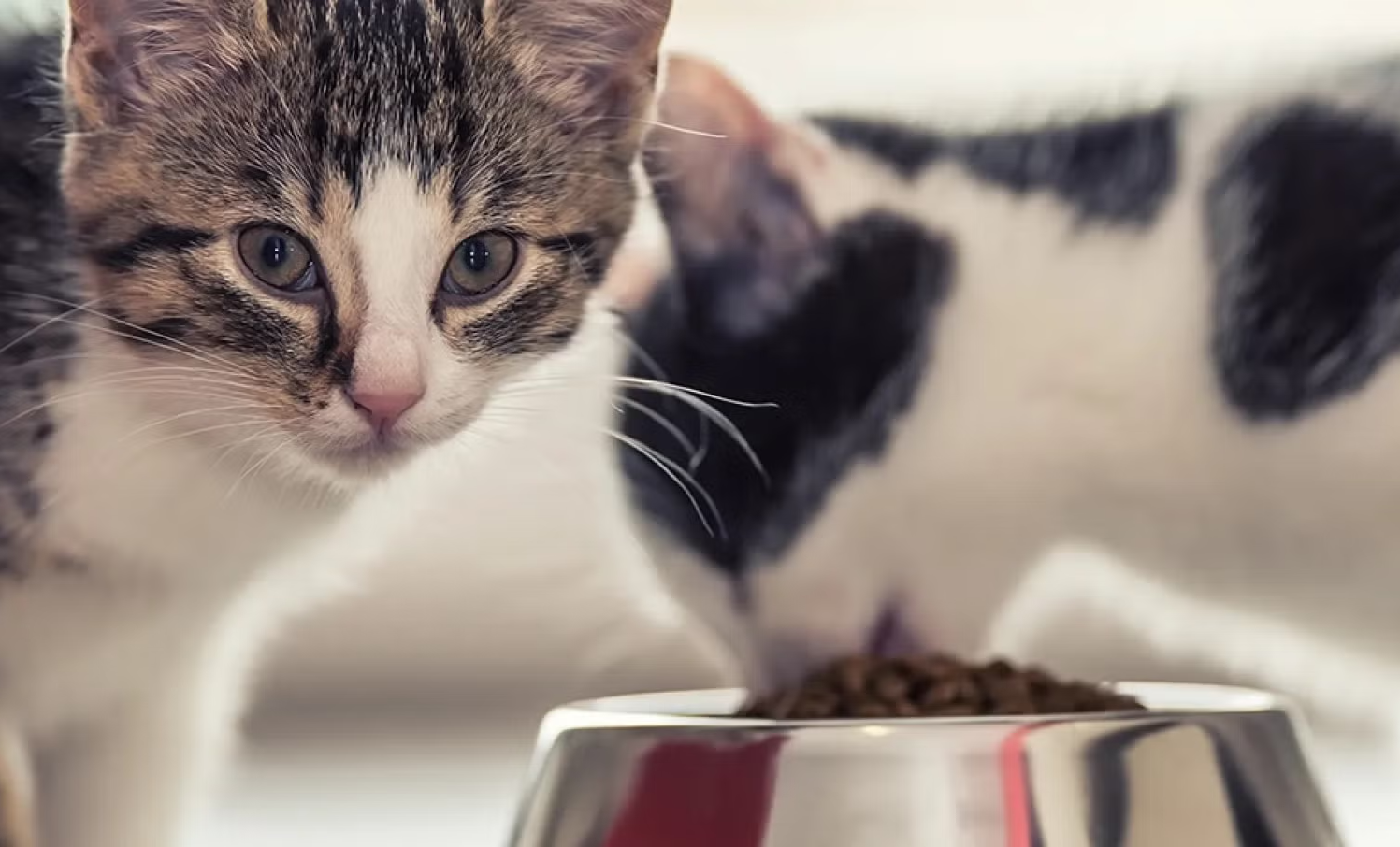
To understand why commercial pet foods are formulated the way they are—and where they fall short—we must first establish the physiological rules governing the domestic cat (Felis catus). Cats are not small dogs, nor are they omnivorous scavengers. They are obligate carnivores, an evolutionary designation meaning their bodies are strictly hardwired to process animal tissues.
                  [ THE OBLIGATE CARNIVORE PROFILE ]
                                   │
         +-------------------------+-------------------------+
         |                                                   |
 [ Metabolic Constraints ]                         [ Anatomical Adaptations ]
 - Zero dietary carbohydrate requirement.         - Short, highly acidic GI tract.
 - Constant hepatic gluconeogenesis.               - Minimal salivary amylase production.
1. Metabolic Constraints
Unlike humans or dogs, cats cannot downregulate their hepatic enzymes when fed a low-protein, high-carbohydrate diet. Their livers continuously break down protein via a process called gluconeogenesis to maintain stable blood glucose levels. If a cat’s diet lacks sufficient animal protein, its body will literally catabolize its own skeletal muscle tissue to meet its baseline survival needs.
2. Anatomical Limitations
The feline digestive tract is remarkably short, built to rapidly process highly digestible, moisture-rich animal proteins and fats before harmful bacteria can multiply.
-
No Salivary Amylase: Cats do not produce amylase in their saliva, meaning the chemical breakdown of carbohydrates cannot begin in the mouth.
-
Low Glucokinase Activity: In the liver, the enzyme glucokinase—which processes glucose from carbohydrates—exhibits minimal activity. Instead, cats rely almost entirely on the hexokinase pathway to manage glucose levels.
-
Zero Carbohydrate Target: In the wild, a feral cat's natural diet consists of small rodents, birds, and insects. This ancestral intake translates to roughly 50–60% protein, 30–40% fat, and less than 5% carbohydrates on a dry matter basis.
Deconstructing Friskies – The Mass-Market Formulation Strategy
Friskies operates within the economical maintenance tier of pet food. To sell product at a highly accessible price point while still meeting the legal requirements for a "complete and balanced" diet, manufacturers must substitute expensive whole animal skeletal muscle with more affordable agricultural ingredients.
                    [ INGREDIENT ARCHITECTURE MATRIX ]
                                    │
       +----------------------------+----------------------------+
       |                                                         |
 [ The Cereal Matrix (NFE) ]                           [ Split Protein Sourcing ]
 - Ground yellow corn, wheat, soy.                    - Meat & bone meal, poultry by-products.
 - Provides structural kibble bind.                    - Hits legal amino acid thresholds.
1. The Cereal Matrix (Nitrogen-Free Extract)
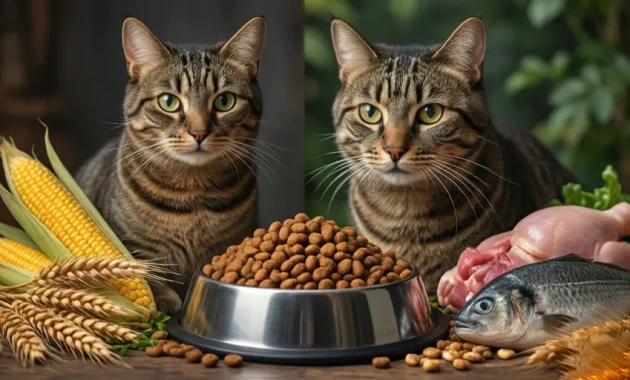
The primary ingredients in standard dry Friskies varieties—such as Seafood Sensations or Meaty Grills—frequently feature ground yellow corn, corn gluten meal, wheat flour, and soybean meal at the top of the panel.
In dry pet food production, these starches are essential. The extrusion process requires a minimum carbohydrate load to act as a binder, creating a dough that can expand and snap into shelf-stable, crunchy kibble shapes. While these ingredients successfully keep production costs down, they alter the natural macronutrient balance, pushing carbohydrate levels significantly higher than a cat's natural dietary target.
2. Split Protein Sourcing
To meet the minimum protein standards set by the Association of American Feed Control Officials (AAFCO) without driving up costs, mass-market formulations use a combination of plant proteins and animal rendering by-products:
-
Corn Gluten Meal & Soybean Meal: These concentrated plant extracts boost the overall crude protein percentage on the label. However, plant proteins lack the complete, highly bioavailable amino acid profiles found in animal meat.
-
Poultry By-Product Meal: Made from clean, rendered parts of slaughtered poultry carcasses—including necks, feet, and undeveloped eggs—this ingredient provides a highly concentrated source of protein and ash.
-
Meat and Bone Meal: Rendered from mammalian tissues, this ingredient provides a reliable source of protein while supplying essential minerals like calcium and phosphorus through its inherent bone content.
Product Line Mapping and Physiological Targets
The Friskies catalog is divided into specialized formulas designed to appeal to different feline lifestyles, life stages, and palate preferences.
[Friskies Catalog] ──► Kitten Discoveries ──► Indoor Delights ──► Surfin' & Turfin' ──► Party Mix
1. Friskies Kitten Discoveries
Formulated specifically for the intense nutritional demands of growth and reproduction, this variety features a smaller kibble size to accommodate a kitten's smaller jaw structure.
-
Nutritional Support: It is enriched with specialized fat and protein sources, alongside a synthetic milk substitute, to deliver the extra calcium and phosphorus required for rapid bone mineralization and skeletal tissue development.
2. Friskies Indoor Delights
Tailored for adult cats living exclusively indoors, this line addresses the reduced energy expenditure common in house pets.
-
Fiber Optimization: It incorporates increased levels of insoluble plant fibers (such as cellulose or rice hulls). This elevated fiber matrix creates a bulkier stool that helps sweep swallowed fur through the gastrointestinal tract, safely reducing the formation of obstructive hairballs.
3. Friskies Surfin' & Turfin' Favourites / Seafood Sensations
These varieties focus heavily on maximizing palatability for adult cats. They combine distinct poultry, red meat, and marine flavors into a single bag, using varied kibble shapes and rich aromatic coatings to entice picky eaters and stimulate appetite.
The Chemistry of Cat Treats – Friskies Party Mix
Treats play an important role in behavioral reinforcement and human-animal bonding, but their high concentration of sensory enhancers requires careful management.
                     [ TREATMENT REGULATOR MAP ]
                                   │
         +-------------------------+-------------------------+
         |                                                   |
 [ Scent & Flavor Coating ]                        [ Caloric Density Risks ]
 - Animal fats and digests applied                - High energy density per piece.
   to the exterior of kibble.                      - Can lead to nutritional imbalances.
1. The Chemistry of Palatability
Brands like Friskies make their treats highly appealing by spraying a specialized coating of animal fats and liquid digests onto the outside of the kibble after extrusion. This coating mimics the natural smell of raw meat or prey, encouraging cats to eat even when they aren't hungry.
2. Strict Feeding Guidelines
Because these treats are highly concentrated and lack a fully balanced vitamin and mineral profile, they should never make up more than 10% of a cat’s total daily caloric intake. Overfeeding treats can quickly lead to obesity or nutrient deficiencies.
-
Cats 2–4 kg (4.4–8.8 lbs): Absolute maximum of 15 grams per day.
-
Cats 4–6 kg (8.8–13.2 lbs): Limit to 15–20 grams per day.
-
Cats Over 6 kg (13.2+ lbs): Hard cap at 20 grams per day.
Long-Term Clinical Considerations for Dry Maintenance Diets
While economical dry foods provide complete baseline nutrition, feeding an exclusive dry kibble diet over many years can introduce specific physiological risks that owners need to monitor.
$$\text{Exclusive Dry Kibble Diet} \longrightarrow \text{Chronic Mild Dehydration} \longrightarrow \text{Elevated Urine Specific Gravity} \longrightarrow \text{FLUTD / Struvite Crystals}$$
1. The Hydration Deficit and Feline Lower Urinary Tract Disease (FLUTD)
Feline ancestors evolved in desert environments, drawing almost all their hydration directly from the moisture-rich bodies of their prey, which typically consist of 70–75% water. Because of this, cats have a low intrinsic thirst drive; they do not instinctively drink enough water from a bowl to make up for a dry diet.
When a cat eats an exclusive dry food diet containing less than 10% moisture, its body compensates by concentrating its urine. This chronic state of mild dehydration leads to an elevated urine specific gravity. The highly concentrated urine becomes a breeding ground for microscopic minerals, which can crystalize into struvite or calcium oxalate stones, potentially causing life-threatening urinary tract blockages.
2. Metabolic Efficiency and Weight Management
The high carbohydrate content found in value-tier dry foods can impact a cat's metabolism over time. Because the feline liver is not built to handle sudden influxes of glucose, excess dietary carbohydrates are quickly converted and stored as adipose tissue (fat cells). This puts sedentary indoor cats at a much higher risk for developing feline obesity and insulin resistance, which can eventually progress to type-II diabetes.
The Art of a Safe Dietary Transition
The digestive system of a cat relies on a delicate balance of metabolic enzymes and beneficial gut bacteria. Making sudden changes to their diet can shock this system, leading to acute stomach upset, vomiting, or diarrhea.
[Days 1-2: 25% New / 75% Old] ──► [Days 3-4: 50% New / 50% Old] ──► [Days 5-6: 75% New / 25% Old] ──► [Day 7: 100% New]
To transition your cat safely, follow a strict 7-day stepping protocol to let their gastrointestinal tract adapt smoothly to a new food:
-
Days 1–2: Mix 25% of the new food with 75% of the old food.
-
Days 3–4: Provide an even 50% / 50% blend of both foods.
-
Days 5–6: Shift to 75% of the new food and 25% of the old food.
-
Day 7: The transition is complete; you can now feed 100% of the new food.
Chapter 7: Maximizing Health on a Mass-Market Budget
Feeding a value-tier brand like Friskies does not mean compromising your cat's health. Pet owners can easily optimize their cat's well-being by implementing a few simple, strategic feeding adjustments:
                            [ BUDGET OPTIMIZATION MATRIX ]
                                          │
       +--------------------------------──+───--------------------------------+
       |                                                                      |
 [ Hybrid Feeding Model ]                                            [ Active Hydration Zones ]
 - Combine affordable dry kibble with                                - Install water fountains and add
   daily portions of canned wet food.                                  extra water directly to bowls.
1. The Hybrid Feeding Model
The most effective way to improve your cat's diet on a budget is to combine affordable dry kibble with daily portions of canned wet food. Even entry-level wet foods naturally provide the high moisture content your cat needs, helping to flush the kidneys and support a healthy urinary tract.
2. Active Hydration Support
Encourage your cat to drink more water by placing multiple water bowls throughout your home, away from their food and litter box. Installing an un-stagnant recirculating pet water fountain can significantly increase their water intake, as cats are instinctively drawn to moving water. You can also mix a small amount of warm water directly into their dry or wet food to create an easy, hydration-boosting gravy.
Summary Assessment
Friskies remains an accessible, reliable, and highly palatable tool for baseline pet maintenance. By understanding its nutritional profile and actively supporting your cat's hydration and portion control, you can comfortably balance cost-effective feeding with a long, vibrant life for your companion animal.
FAQ – Friskies Cat Food Review: Complete Nutrition, Ingredients, Benefits, and Risks
1. What is Friskies cat food?
Friskies is a mass-market cat food brand manufactured by Nestlé Purina. It offers a wide range of dry foods, wet foods, and treats designed to provide complete and balanced nutrition for cats across different life stages and lifestyles.
2. Is Friskies a complete and balanced cat food?
Yes. Most Friskies formulas are formulated to meet AAFCO nutritional standards, meaning they provide the minimum required nutrients for maintenance, growth, or specific life stages depending on the product.
3. Why is Friskies considered a budget-friendly cat food?
Friskies uses economical ingredients such as corn, wheat, soybean meal, poultry by-product meal, and meat and bone meal. These ingredients help reduce manufacturing costs while still meeting nutritional requirements.
4. Are cats obligate carnivores?
Yes. Cats are obligate carnivores, meaning their bodies are biologically adapted to obtain most of their nutrients from animal tissues rather than plant-based ingredients.
5. Does Friskies contain carbohydrates?
Yes. Most dry Friskies recipes contain carbohydrates from ingredients such as corn, wheat, and soy. These ingredients help create kibble structure during the extrusion process.
6. Why do some cat owners criticize high-carbohydrate diets?
Cats have no biological requirement for dietary carbohydrates. Excessive carbohydrate consumption may contribute to weight gain, obesity, and metabolic issues in less active cats.
7. What are the primary protein sources in Friskies dry food?
Common protein sources include poultry by-product meal, meat and bone meal, corn gluten meal, soybean meal, and various animal-derived ingredients.
8. Is plant protein equivalent to animal protein for cats?
Not entirely. Animal proteins generally provide a more complete amino acid profile and higher biological value compared to plant-based proteins.
9. What is poultry by-product meal?
Poultry by-product meal is a rendered ingredient made from clean poultry parts such as necks, feet, organs, and undeveloped eggs. It provides concentrated protein and minerals.
10. What is meat and bone meal?
Meat and bone meal is a rendered animal ingredient containing protein, calcium, phosphorus, and other nutrients derived from mammalian tissues and bones.
11. Is Friskies suitable for kittens?
Yes. Friskies Kitten Discoveries is specifically formulated to support growth, bone development, and the increased nutritional demands of kittens.
12. What makes Friskies Kitten Discoveries different?
It contains smaller kibble pieces, enhanced protein levels, and additional nutrients that support rapid growth and skeletal development.
13. What is Friskies Indoor Delights designed for?
Indoor Delights is formulated for indoor cats and includes additional fiber to help control hairballs and support digestive health.
14. How does fiber help indoor cats?
Fiber promotes healthy digestion and helps move swallowed hair through the gastrointestinal tract, reducing hairball formation.
15. What is Friskies Seafood Sensations?
Seafood Sensations is a highly palatable dry cat food formula featuring multiple seafood-inspired flavors and aromas designed to encourage eating.
16. Why are Friskies products highly palatable?
Many Friskies products use flavor coatings, animal fats, and digest sprays that enhance aroma and taste, making the food more appealing to cats.
17. Are Friskies Party Mix treats safe?
Yes, when fed in moderation according to feeding guidelines.
18. How many Friskies treats can a cat safely eat daily?
Treats should not exceed 10% of total daily caloric intake. Specific amounts depend on the cat's body weight and overall diet.
19. Can Friskies treats replace regular cat food?
No. Treats are not nutritionally complete and should only be used as occasional rewards.
20. Does dry Friskies provide enough moisture?
No. Like most dry foods, it contains less than 10% moisture, which is significantly lower than a cat's natural prey diet.
21. Why is hydration important for cats?
Adequate hydration supports kidney function, urinary tract health, and proper metabolic processes.
22. Can a dry-food-only diet increase urinary risks?
Long-term exclusive dry food feeding may contribute to concentrated urine, increasing the risk of urinary crystals and urinary tract issues in some cats.
23. What is FLUTD?
FLUTD stands for Feline Lower Urinary Tract Disease, a group of conditions affecting the bladder and urethra.
24. How can owners reduce urinary risks while feeding Friskies?
Providing wet food, encouraging water consumption, using water fountains, and maintaining proper hydration can help reduce risk.
25. Can Friskies contribute to obesity?
Overfeeding any calorie-dense food can contribute to obesity. Portion control is essential, especially for indoor and less active cats.
26. Is Friskies suitable for senior cats?
Friskies can be fed to many senior cats, but seniors with specific medical conditions may benefit from specialized veterinary diets.
27. What is the best way to switch to Friskies?
Use a gradual 7-day transition process to avoid digestive upset and allow the gut microbiome to adapt.
28. What happens if a diet change is too sudden?
Rapid dietary changes may cause vomiting, diarrhea, bloating, reduced appetite, or digestive discomfort.
29. Can Friskies be part of a healthy feeding plan?
Yes. Many owners successfully use Friskies as part of a balanced feeding strategy that includes hydration support and portion management.
30. What is the best budget-friendly strategy when feeding Friskies?
A hybrid feeding model that combines Friskies dry food with wet food and increased water intake can improve overall nutrition and hydration while remaining affordable.