The Ultimate 4-Week Kitten Weaning Guide: What to Feed a 1-Month-Old Kitten for Explosive Growth, Brain Development, and Immunity
2 months ago
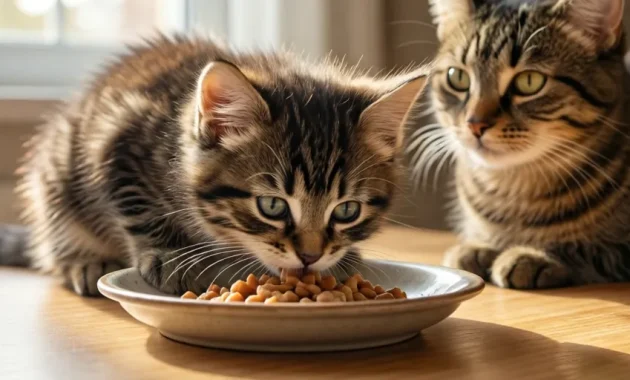
Imagine waking up to a chorus of high-pitched, tiny meows from a litter of four-week-old kittens. For the past twenty-one days, your life—and the mother cat’s life—has revolved around a rigid routine of nursing, sleeping, and maternal grooming. The kittens have spent their entire existence sustained by one of nature's most perfect fluids: queen’s milk (milk from the mother cat).
But today, something changes. You notice a tiny, adventurous explorer step out of the nesting box, crawl toward the mother’s food dish, and clumsily sniff at her wet food.
                  THE METABOLIC TRANSITION POINT (WEEK 4)
  ┌────────────────────────────────────────────────────────────────────────┐
  │ 0 - 3 WEEKS OLD:   ──► 100% Dependency on Queen's Milk / Liquid Diet  │
  ├────────────────────────────────────────────────────────────────────────┤
  │ 4 WEEKS (1 MONTH): ──► The Gastrointestinal Shift / Weaning Begins     │
  ├────────────────────────────────────────────────────────────────────────┤
  │ 7 - 8 WEEKS OLD:   ──► 100% Solid Food / Complete Nutritional Autonomy │
  └────────────────────────────────────────────────────────────────────────┘
Welcome to the critical weaning window. At exactly one month of age, a kitten stands at a profound metabolic and developmental crossroads. They are transitioning from an animal that absorbs passive immunity through their mother's colostrum to an independent, active predator that must extract complex nutrients from solid protein structures.
As a dedicated cat owner, this period can feel overwhelming. If you make a mistake with their diet right now, you risk triggering severe digestive issues like osmotic diarrhea, which can quickly lead to fatal dehidrasi in a tiny kitten.
This comprehensive, vet-reviewed guide is designed to remove the guesswork. We will break down the complex biology of the weaning process, look at the precise macronutrient profiles required by a one-month-old kitten, map out a step-by-step food transition schedule, and give you practical tips to help your kitten grow into a healthy, thriving adult cat.
Evolutionary Biology What Happens Inside a 4-Week-Old Kitten’s Body?
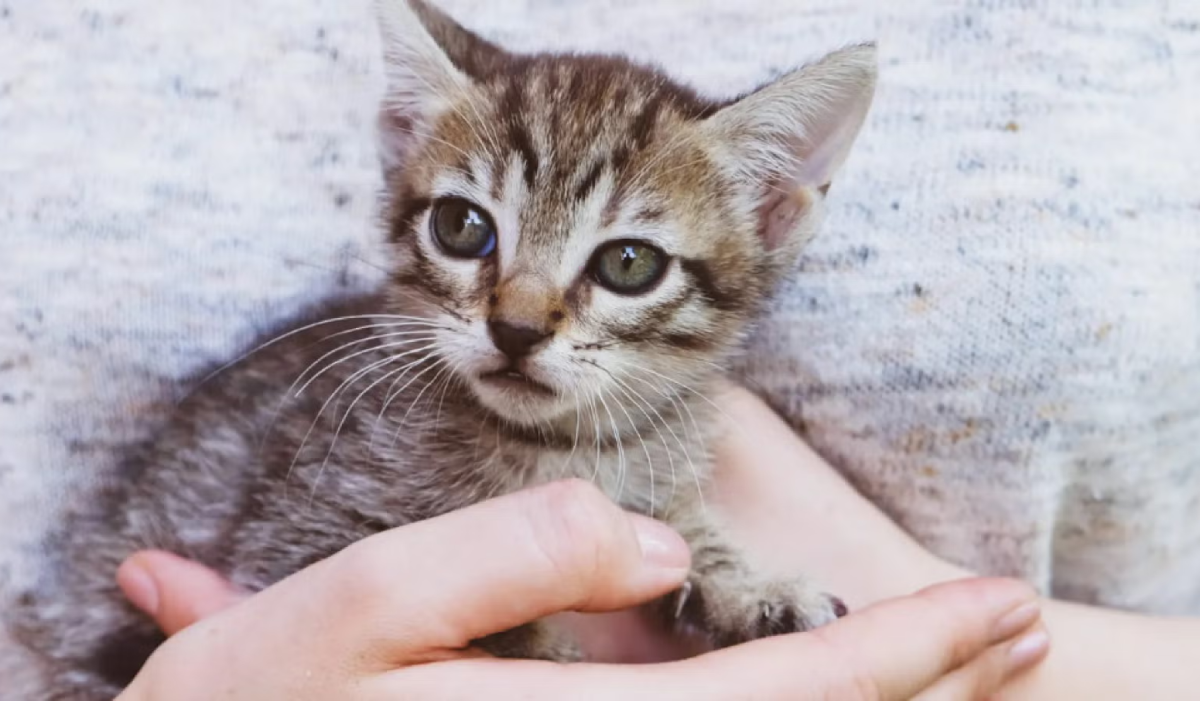
To understand why a one-month-old kitten requires a unique diet, we need to examine the intense physiological changes happening inside their tiny body. A kitten grows at an incredibly fast rate during their first two months of life, often doubling their birth weight in the first seven to ten days alone. By week four, their physical and biological systems are working overtime.
                    THE FOUR-WEEK PHYSIOLOGICAL EXPLOSION

     [ The 4-Week-Old Kitten Brain ]
                 │
                 ├───────────────────────────────────────┐
                 ▼                                       ▼
       Anatomical Upgrades                    Enzymatic Transformations
    ───────────────────────────────────     ────────────────────────────────────────
    • Emergence of deciduous teeth          • Lactase production plummets
    • Vision and hearing sharpen            • Amylase remains very low
    • Exploring outside the nest box        • Protease and lipase production climbs
1. The Emergence of Deciduous (Baby) Teeth
During the first three weeks of life, a kitten's mouth is completely toothless, perfectly designed to clamp onto the mother's teat without causing pain. At around day 25 to 28, the first tiny, needle-sharp deciduous incisors and canines begin to push through the gums.
The appearance of these teeth is a clear evolutionary signal that the kitten’s body is getting ready to tear, rip, and process solid animal tissue. However, because they lack fully developed molars at this stage, they cannot chew hard, dry kibble. Their food must match the physical limits of these tiny baby teeth.
2. The Enzymatic Shift in the Digestive System
Inside the stomach and intestines, a quiet chemical revolution is taking place. From birth through week three, the kitten’s pancreas and intestinal walls produce massive amounts of lactase, the digestive enzyme responsible for breaking down the sugars found in milk (laktosa).
By week4, lactase production drops sharply, while production of protease and lipase (the enzymes that digest animal proteins and fats) begins to steadily climb.
                   ENZYME ACTIVITY DRIFT DURING WEANING

  [ HIGH ] ──► Lactase Enzyme (Milk Processing Capacity) ──► Drops at Week 4

  [ LOW  ] ──► Protease/Lipase (Protein & Fat Digestion) ──► Skyrockets at Week 4
This means that keeping a one-month-old kitten on a milk-only diet will eventually leave them malnourished. At the same time, giving them milk from another species, like a bowl of cow's milk, can cause severe digestive issues because their falling lactase levels cannot handle the heavy lactose content.
3. Sensory and Motor Skill Development
By the fourth week, a kitten’s eyes—which first blinked open around day 10 to 14—are finally able to focus clearly on their surroundings. Their auditory canals are fully open, and their nervous system has matured enough to support coordinated movement, standing, and playing.
This sensory awakening sparks a deep curiosity. When you see a one-month-old kitten sniffing their mother’s food dish, they are using their developing senses to learn what safe, solid food smells like.
The Core Elements Essential Nutrients for Growing Kittens
Choosing food for a one-month-old kitten is not about finding the prettiest packaging or the most budget-friendly bag. It is about matching the biological needs of an obligate carnivore going through a rapid growth spurt.
                    THE FOUNDATIONAL NUTRIENT PROFILE
 ┌────────────────────────────────────────────────────────────────────────┐
 │ 1. HIGH-DENSITY PROTEIN ──► Minimum 30% to 45% Dry Matter Basis.       │
 ├────────────────────────────────────────────────────────────────────────┤
 │ 2. FAT & CALORIC DENSITY──► Essential for high metabolic energy needs. │
 ├────────────────────────────────────────────────────────────────────────┤
 │ 3. DOCOSAHAEXANOIC ACID ──► Crucial for brain and retinal development.  │
 ├────────────────────────────────────────────────────────────────────────┐
 │ 4. VITAMIN C & E        ──► Antioxidant shield for the immunity gap.  │
 ├────────────────────────────────────────────────────────────────────────┐
 │ 5. INULIN PREBIOTICS    ──► Promotes gut health and smooth digestion.   │
 └────────────────────────────────────────────────────────────────────────┘
Let's dive into the core nutrients that must be present in any food formulated for this transitional growth phase:
1. High-Density Animal Protein
Because a kitten's body is rapidly building muscle, organs, skin, and fur, their protein requirements are significantly higher than those of an adult cat. A premium kitten food should feature a minimum crude protein level of 30% to 45% on a dry-matter basis, derived from highly digestible animal sources like chicken, turkey, salmon, or beef.
Kittens require large amounts of essential amino acids like taurine for heart and eye development, and arginine to safely clear metabolic waste products from their bloodstream.
2. Fat and High Caloric Density
A kitten's energy needs per pound of body weight are nearly double those of an adult cat. Their tiny stomachs cannot hold large volumes of food, so the meals they do eat must be packed with calories.
Fats provide an efficient, concentrated source of energy (9 calories per gram, compared to only 4 calories per gram for proteins and carbohydrates). Look for high-quality animal fats like chicken fat or salmon oil, which supply the essential fatty acids needed to build healthy cell membranes.
3. DHA (Docosahexaenoic Acid) for Brain and Eye Health
DHA is a specific omega-3 polyunsaturated fatty acid found in abundance in cold-water fish oils. In the final stages of pregnancy and the early weeks of nursing, kittens get DHA directly from their mother.
Once weaning begins at one month, their diet must supply this nutrient to keep their brain and eye development on track.
                       THE BIOLOGICAL PATHWAY OF DHA
  [ Dietary DHA Ingestion (Salmon Oil) ] ──► Bloodstream Absorption
                                                      │
                                                      ▼
                                       Crosses Blood-Brain Barrier
                                                      │
         ┌────────────────────────────────────────────┴────────────────────────────────────────────┐
         ▼                                                                                         ▼
  [ Cortical Neuron Synaptogenesis ]                                                    [ Retinal Photoreceptor Matrix ]
  Supports sharp cognitive skills & training                                             Supports sharp vision in low light
Clinical studies demonstrate that kittens raised on diets enriched with DHA show better trainability, sharper cognitive skills, and superior vision in low-light environments.
4. The Antioxidant Shield (Vitamin C and Vitamin E)
As kittens transition away from mother's milk, they experience what veterinarians call the immunity gap. The temporary antibodies they received from nursing (passive immunity) are fading, but their own immune system hasn't fully matured yet.
                          THE FELINE IMMUNITY GAP

  [ HIGH ] ──► Passive Maternal Antibodies (Protective Immunity) ──► Fades at Week 4

  [ LOW  ] ──► Kitten's Self-Produced Antibodies (Active Immunity)──► Building Slowly

  [ CRISIS ZONE ] ───────────────────────────────────────────────► Weeks 4 to 8
  (Dietary Antioxidants like Vitamins C & E are required to fill this defensive gap)
To protect them during this vulnerable window, their food should be enriched with strong antioxidants like Vitamin C and Vitamin E. These vitamins help neutralize free radicals and strengthen the body's natural defenses against common illnesses.
6. Dietary Fibers and Prebiotics (Inulin)
A one-month-old kitten's gut microbiome is highly sensitive and easily disrupted. Introducing new foods can upset this delicate balance, leading to gas, bloating, or diarrhea.
Including gentle prebiotics like inulin (often sourced from chicory root) provides targeted nourishment for beneficial gut bacteria such as Bifidobacterium and Lactobacillus. This helps keep their digestion smooth, ensures maximum nutrient absorption, and keeps their stool firm.
The Ultimate Food Comparison Matrix—What Works and What Fails
To help you make the right choice at the pet store, let's compare different feeding options across several vital parameters:
Step-by-Step 4-Week Weaning Blueprint
Weaning is a gradual process that requires patience. You cannot rush a kitten off milk and onto solid food overnight. Here is a proven, four-week schedule designed to make the transition smooth and stress-free for both the mother cat and her kittens:
                       THE STEP-BY-STEP WEANING SCHEDULE
                                        │
         ┌──────────────────────────────┼──────────────────────────────┐
         ▼                              ▼                              ▼
    [ WEEK 4 ]                     [ WEEK 5 ]                     [ WEEK 6 ]
   The Discovery Phase           The Solid Shift               The Structural Step
  • 90% Milk / 10% Slurry       • 60% Milk / 40% Wet Food     • 30% Milk / 70% Soft Kibble
  • Lap training from a saucer  • Thick mousse textures       • Minimal nursing sessions
Week 4: The Discovery Phase (90% Mother’s Milk, 10% Slurry)
-
The Goal: Introduce your kitten to the concept of eating from a flat dish instead of nursing.
-
Action Plan: Mix a high-quality wet kitten mousse with warm Kitten Milk Replacer (KMR) on a flat saucer until it forms a thin, easily lappable liquid.
-
Pro Tip: Gently dip your clean fingertip into the mixture and touch it to the kitten’s nose or lips. Once they lick it off, they will smell the food, understand it is safe to eat, and begin lapping from the dish on their own. Allow them to nurse from their mother for the rest of the day.
Week 5: The Solid Shift (60% Mother’s Milk, 40% Wet Food Mixture)
-
The Goal: Increase the thickness of the food and reduce their reliance on nursing.
-
Action Plan: Gradually reduce the amount of KMR or warm water you mix into the food. Offer this thicker, pudding-like wet food mixture 3 to 4 times a day in a shallow dish.
-
Behavioral Note: At this stage, kittens will likely walk through the food dish, getting it all over their paws and bellies. This is completely normal behavior. Be sure to gently wipe them down with a warm, damp cloth after meals to keep their skin clean and prevent the mother from over-grooming them.
Week 6: The Structural Step (30% Mother’s Milk, 70% Softened Kibble)
-
The Goal: Transition the kitten's digestion toward solid food structures.
-
Action Plan: Start introducing high-quality dry kitten kibble by soaking it in warm water or KMR for 15 to 20 minutes until it becomes soft and spongy. Mix this softened kibble with their favorite wet food.
-
Maternal Dynamics: The mother cat will naturally begin pushing the kittens away when they try to nurse during this week, as their sharp baby teeth can cause her discomfort. This natural boundary helps speed up the weaning process.
                     MATERNAL WEANING DYNAMICS (WEEK 6)
  [ Kitten Sharp Baby Teeth Emerge ] ──► [ Discomfort during nursing sessions ]
                                                   │
                                                   ▼
                                 [ Mother pushes kittens away naturally ]
                                                   │
                                                   ▼
                               [ Kittens look to the food dish for comfort ]
Week 7 & 8: Complete Autonomy (0% Mother’s Milk, 100% Solid Food)
-
The Goal: Achieve complete nutritional independence.
-
Action Plan: By week seven or eight, your kitten should be eating a dedicated diet of wet kitten food and dry kitten kibble. You can gradually stop soaking the kibble, allowing them to crunch on it directly from the bag. Ensure they have access to a shallow bowl of fresh, clean water at all times.
Step-by-Step Instructions for Making a Kitten Slurry
If you choose to use dry kibble during the weaning process, making a proper slurry is essential for your kitten's safety and digestion. Follow these simple steps:
                         HOW TO MAKE KITTEN SLURRY

  [ Step 1: Measure ]  ──► Place 1/2 cup of premium kitten kibble into a clean bowl.
                             │
                             ▼
  [ Step 2: Hydrate ]  ──► Add 1 cup of boiling water or warm KMR over the kibble.
                             │
                             ▼
  [ Step 3: Steeping ] ──► Let it sit for 15 minutes until the kibble puffs up.
                             │
                             ▼
  [ Step 4: Mash ]     ──► Fork-mash into a completely smooth, lukewarm porridge.
-
Measure the Base: Place 1/2 cup of high-quality, protein-rich kitten dry food into a clean bowl.
-
Add Hot Liquid: Pour 1 cup of boiling water or warm Kitten Milk Replacer (KMR) over the kibble. The liquid must be warm enough to break down the hard structure of the food.
-
Let it Steep: Allow the mixture to sit undisturbed for 15 minutes. The kibble will absorb the liquid, expanding and softening.
-
Mash into a Smooth Paste: Use a clean fork to mash the softened kibble until it forms a smooth porridge. Check the temperature with your wrist to ensure it is lukewarm before serving. Never serve hot food to a kitten, as it can easily scald their delicate mouth.
In-Home Sanitation and Feeding Etiquette
Setting up a clean, quiet environment for your kitten to eat is just as important as the food you put in their bowl. Here are the core guidelines for managing your kitten's feeding area:
Kitten Feeding Station Protocols
  [ Guideline 1: Placement ] ──► Keep feeding dishes far away from the litter box area.
                                  │
                                  ▼
  [ Guideline 2: Material ]  ──► Use non-porous ceramic or stainless steel bowls.
                                  │
                                  ▼
  [ Guideline 3: Hygiene ]   ──► Throw away uneaten wet food after 20-30 minutes.
1. Keep the Feeding Station Away from the Litter Box
Never place your kitten’s food and water bowls near their litter box. Kucing are incredibly clean animals by nature and have a strong instinct to avoid eating near the areas where they eliminate waste. Separating these zones keeps your kitten comfortable and prevents them from avoiding their food dish.
2. Choose Non-Porous Bowl Materials
Always use flat saucers or shallow bowls made from stainless steel or ceramic. Avoid using cheap plastic dishes; plastic scratches easily, and those tiny crevices can trap bacteria, old fats, and saliva. Over time, this bacterial buildup can cause a painful skin condition known as feline acne on your kitten’s chin.
                       BOWL MATERIAL HYGIENE RISK
  [ Cheap Plastic Dishes ] ──► Develops microscratches ──► Traps bacteria ──► Feline Acne
  [ Stainless Steel/Ceramic]──► Smooth surface         ──► Easy to clean ──► Safe & Sanitary
3. Practice Strict Food Safety
A one-month-old kitten’s digestive tract lacks the strong immune defenses of an adult cat, making them highly susceptible to foodborne bacteria like Salmonella or E. coli.
Never leave wet food or wet kibble slurry out at room temperature for more than 20 to 30 minutes. If your kitten doesn't finish their meal within that window, throw the leftovers away, wash the bowl thoroughly with hot water and mild soap, and start fresh at the next scheduled feeding time.
Clinical Warning Signs—When to Call the Vet Immediately
During the weaning transition, you must keep a close eye on each kitten's health. Because of their tiny body size, a minor issue can quickly turn into a serious medical emergency.
                    THE WEANING EMERGENCY RADAR
 ┌────────────────────────────────────────────────────────────────────────┐
 │ • WATERY DIARRHEA    ──► Causes dangerous dehidrasi within 12-24 hours.│
 ├────────────────────────────────────────────────────────────────────────┐
 │ • LETHARGY & APATHY  ──► A sign of low blood sugar (hypoglycemia).    │
 ├────────────────────────────────────────────────────────────────────────┐
 │ • VOMITING           ──► Signals a blockage or severe food intolerance.│
 ├────────────────────────────────────────────────────────────────────────┐
 │ • REFUSING TO EAT    ──► Skipping meals for 12+ hours damages the liver.│
 └────────────────────────────────────────────────────────────────────────┘
If you notice any of the following warning signs, contact your veterinarian immediately:
-
Watery or Discolored Diarrhea: If a kitten's stool is watery, yellow, or contains traces of blood, they need immediate veterinary care. Diarrhea can deplete a tiny kitten's fluid reserves within 12 to 24 hours, leading to dangerous dehidrasi.
-
Lethargy and Weakness: If a kitten seems unusually floppy, sleeps constantly, or does not respond to your touch, they may be suffering from a dangerous drop in blood sugar (hypoglycemia). This is a life-threatening emergency that requires immediate medical treatment.
-
Frequent Vomiting: While a little drool or an occasional spit-up can happen as a kitten learns how to swallow solid food, repeated vomiting signals a serious issue, such as an intestinal blockage or a severe food intolerance.
-
Refusing Food for More Than 12 Hours: A growing one-month-old kitten cannot afford to skip meals. If a kitten refuses to eat for more than 12 hours, they can quickly develop hepatic lipidosis (fatty liver disease), a critical metabolic condition that requires veterinary stabilization.
Conclusion: Supporting Your Kitten with Care and Quality Nutrition
Helping a one-month-old kitten transition through the weaning phase is a deeply rewarding experience that sets the foundation for their long-term health. By understanding that this period is about supporting a delicate digestive shift rather than just changing their food, you can give your kitten the best start in life.
                    THE LIFELONG WELLNESS EQUATION
  [ Balanced Kitten Food ] ──► Builds strong immunity, sharp eyesight, and a long life.
Invest in high-quality, protein-dense foods formulated specifically for kittens, follow a steady and gradual transition schedule, and keep their feeding area clean and sanitary. These simple, mindful steps will help your tiny companion grow into a strong, vibrant, and energetic adult cat who will bring joy to your home for years to come.
FAQ
1. What should a 1-month-old kitten eat?
A 1-month-old kitten should eat a combination of mother's milk (or kitten milk replacer if orphaned) and a soft kitten food slurry made from wet kitten food or softened kitten kibble. The diet should be rich in protein, fat, DHA, vitamins, and essential amino acids.
2. Can a 4-week-old kitten eat dry food?
Not directly. Dry kitten kibble should be soaked in warm water or kitten milk replacer until it becomes soft and easy to chew. Hard kibble can be difficult for a kitten's developing teeth and digestive system.
3. How often should a 1-month-old kitten eat?
Most 4-week-old kittens should eat 4–6 small meals per day in addition to nursing from their mother. Frequent meals help support their rapid growth and high energy requirements.
4. Can a 1-month-old kitten drink cow's milk?
No. Cow's milk contains high levels of lactose that many kittens cannot digest properly during the weaning stage. This can cause diarrhea, stomach upset, and dehydration. Use kitten milk replacer (KMR) if supplemental milk is needed.
5. When do kittens start weaning?
Most kittens begin weaning at around 4 weeks of age. The process usually continues until they are 7–8 weeks old, when they can eat solid food independently.
6. What is the best food for a 4-week-old kitten?
High-quality wet kitten food, kitten mousse, or softened kitten kibble formulated specifically for growth and development are the best choices. Look for foods rich in animal protein, healthy fats, DHA, taurine, and essential vitamins.
7. How do I make kitten food slurry?
Mix wet kitten food or softened kitten kibble with warm kitten milk replacer or water until it forms a smooth, soupy consistency. The mixture should be easy for the kitten to lick from a shallow dish.
8. Is it normal for kittens to still nurse at 4 weeks old?
Yes. At 4 weeks, kittens are typically in the early stages of weaning and still rely heavily on their mother's milk. Solid food is introduced gradually while nursing continues.
9. How much should a 1-month-old kitten weigh?
Most healthy 4-week-old kittens weigh approximately 350–500 grams (12–18 ounces), although weight varies by breed and individual growth rate.
10. What nutrients are most important for a growing kitten?
Protein, fat, taurine, arginine, DHA, calcium, phosphorus, vitamins A, D, and E are critical for healthy muscle development, bone growth, brain function, vision, and immunity.
11. Why is my kitten refusing solid food?
Some kittens need time to learn how to eat from a dish. Try offering a thinner slurry, warming the food slightly, or placing a small amount on your finger and letting the kitten lick it. If a kitten refuses food for more than 12 hours, contact a veterinarian.
12. How much water should a 1-month-old kitten drink?
Kittens should always have access to fresh water, but much of their hydration still comes from mother's milk and wet food during the weaning phase.
13. What are signs that a kitten is not adjusting well to weaning?
Warning signs include:
- Persistent diarrhea
- Vomiting
- Refusing food
- Weight loss
- Weakness or lethargy
- Dehydration
These symptoms require prompt veterinary attention.
14. When can kittens eat only solid food?
Most kittens can transition to a fully solid kitten diet between 7 and 8 weeks of age, although some may continue comfort nursing for a short time afterward.
15. Can I feed adult cat food to a 1-month-old kitten?
No. Adult cat food does not contain the calorie density and nutrient levels needed for proper growth. Always choose food labeled specifically for kittens or for all life stages.