
Can Dogs Eat Oranges? The Comprehensive Veterinary Guide to Citrus Nutrition, Metabolic Limits, and Canine Gastroenterology
2 months ago

As a dedicated dog owner or pet nutrition enthusiast, you are likely highly familiar with the intense, hopeful gaze your canine companion gives you whenever you sit down to enjoy a fresh snack. Among the many vibrant, aromatic treats we enjoy during the warmer months, fresh citrus fruits like oranges are particularly skilled at catching a dog's attention. The sharp, sweet scent of a freshly peeled orange fills the room instantly, and before you know it, your dog is sitting at your feet, waiting for a piece to fall.
This scenario leads directly to an essential set of questions for anyone interested in canine nutrition: Can dogs eat oranges safely? Are oranges actually healthy for a dog's unique metabolic system? Exactly how much orange can a dog consume before healthy hydration turns into digestive distress? Are there specific canine medical conditions that make citrus fruits completely off-limits?
While a quick internet search might give you a simple, one-word answer, the reality of companion animal clinical nutrition is far more nuanced. To truly understand how citrus fruits affect dogs, we have to look closely at canine digestive physiology. We must examine how their systems process natural sugars, analyze the impact of high acid concentrations on their stomach lining, and establish clear guidelines for safely preparing and serving these fruits.
This comprehensive, human-crafted masterclass is designed to answer all your questions about dogs and oranges. We will examine the biochemical differences between human and canine digestion, map out the health benefits and risks of citrus fruits, identify specific medical conditions that make oranges dangerous, and provide a clear, step-by-step framework for introducing this fruit safely without causing digestive upset.
THE CANINE CITRUS METABOLIC DECISION TREE
                  [Dog Shows Interest in an Orange]
                                  │
         ┌────────────────────────┴────────────────────────┐
         ▼                                                 ▼
[Specialized Medical Profile]                    [Healthy Clinical Profile]
 ├── Diagnosed Diabetes Melitus                   ├── Peel Skin & Remove All Seeds
 ├── Overweight / Obesitas State                  ├── Limit to 1–2 Segments Max
 └── Sensitive Small Bowel History                └── Treat Strictly as an Extra
         │                                                 │
         ▼                                                 ▼
(ABSOLUTE RED LIGHT)                              (RESTRICTED GREEN LIGHT)
Evolutionary Biology Human vs. Canine Digestive Architecture
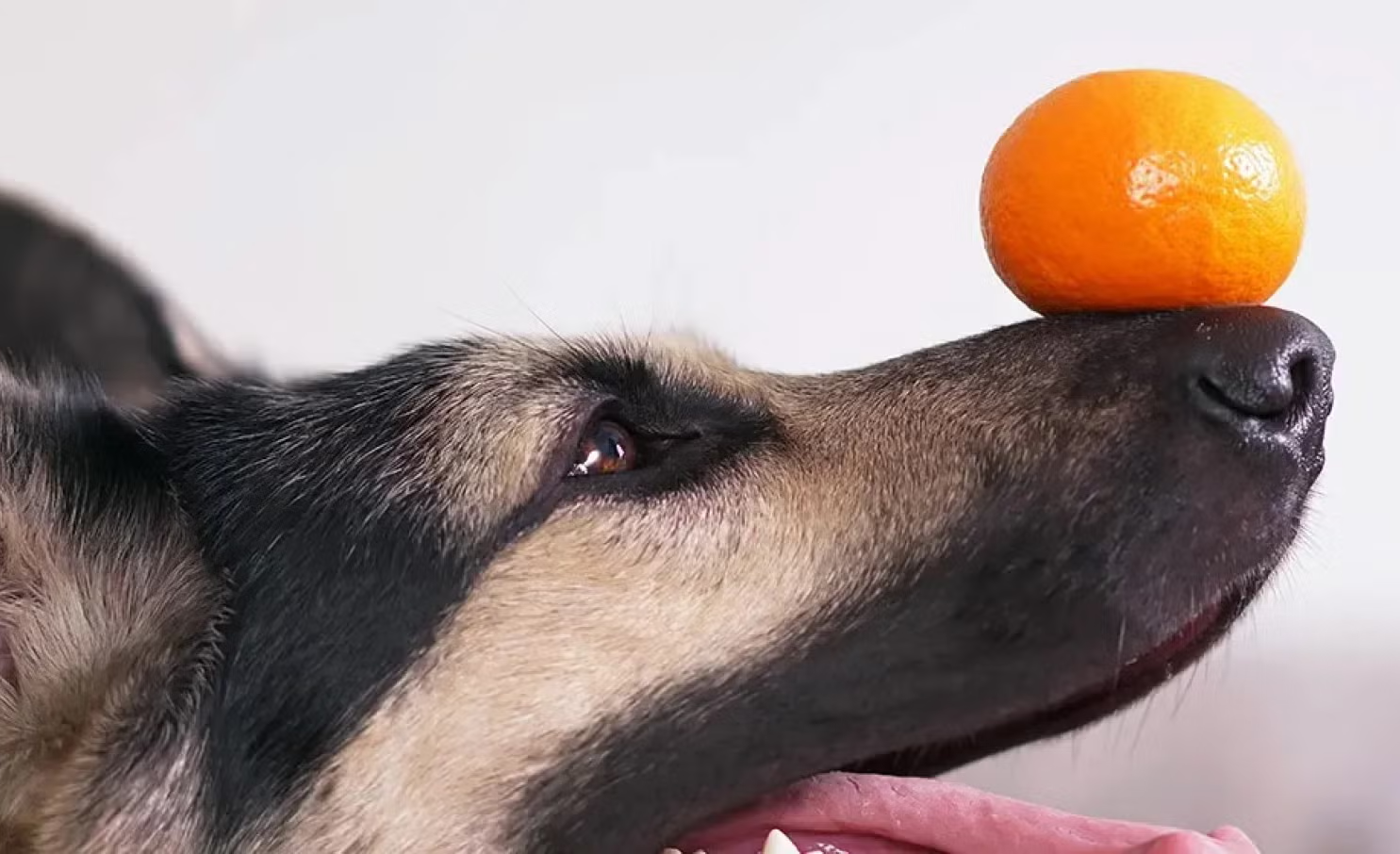
To understand why a fruit as healthy as an orange affects dogs differently than humans, we must look at how their digestive systems evolved. Humans are natural omnivores, built to process a wide variety of plant fibers, complex carbohydrates, and starchy sugars over millions of years. Dogs (Canis lupus familiaris), on the other hand, are classified biologically as facultative carnivores or flexible omnivores.
                     DIGESTIVE ARCHITECTURE COMPARISON
                                     │
       ┌─────────────────────────────┴─────────────────────────────┐
       ▼                                                           ▼
[ THE CANINE PIPELINE ]                                     [ THE HUMAN PIPELINE ]
 ├── Primary Focus: Animal Tissue Assets                     ├── Primary Focus: Diverse Plant Profiles
 ├── Highly acidic gastric wash (pH 1-2)                      ├── Moderately acidic stomach (pH 4-5)
 ├── Extremely short intestinal length                       ├── Extremely long intestinal loops
 └── Endogenous Vitamin C synthesis                          └── Strictly dependent on dietary intake
1. The Endogenous Vitamin C Synthesis Factor
The most significant nutritional difference between humans and dogs regarding citrus fruits centers on Vitamin C (ascorbic acid). For humans, Vitamin C is an essential nutrient; our bodies cannot produce it naturally, so we must get it from foods like oranges to prevent diseases like scurvy.
Dogs do not have this limitation. A dog's liver synthesizes its own daily supply of Vitamin C automatically from basic food molecules. Under normal, stress-free conditions, a healthy dog has no physiological need to absorb Vitamin C from external food sources.
While giving your dog an orange adds an extra dose of antioxidants to their system, it does not fill a critical nutritional gap the way it does for a human.
2. Intestinal Length and Sugar Transport Systems
Because the ancestral canine diet consisted primarily of animal tissue, a dog’s intestinal tract is short and streamlined compared to a human's. Their digestive system is optimized to break down proteins and animal fats quickly and efficiently.
While dogs can process carbohydrates and simple plant sugars, their intestinal transport systems are easily overwhelmed by large amounts of raw fruit. When a dog consumes too much sugar or fiber at once, the excess undigested material travels directly into the colon, where it can cause osmotic diarrhea, painful gas, and abdominal cramping.
The Core Nutritional Profile What Happens When a Dog Eats an Orange?
When a dog eats a small piece of an orange, their body processes a complex mix of water, simple sugars, organic acids, and micro-nutrients. Let’s look at how these individual components impact your dog's internal biology.
                  INSIDE THE ORANGE NUTRIENT MATRIX
┌──────────────────────────────────────┐    ┌──────────────────────────────────────┐
│        The Positive Factors          │    │         The Risk Factors             │
├──────────────────────────────────────┤    ├──────────────────────────────────────┤
│ • High natural water volume (86%)    │    │ • High concentration of Fructose     │
│ • Rich array of active Antioxidants  │    │ • Intense levels of Citric Acid      │
│ • Soluble Dietary Fiber structures   │    │ • Complex Essential Oils in peel     │
└──────────────────────────────────────┘    └──────────────────────────────────────┘
1. Hydration and Moisture Levels
Oranges have an incredibly high water content, with a typical ripe fruit consisting of roughly 86% moisture. This high water volume makes a small piece of orange a highly refreshing treat on hot summer days, helping to support cellular hydration and encourage fluid movement through the kidneys.
2. Antioxidants and Cell Protection
Oranges are packed with potent antioxidants, including flavonoids, carotenoids, and ascorbic acid. When absorbed into a dog's bloodstream, these compounds help neutralize free radicals—unstable molecules that cause cellular damage over time. This extra antioxidant support can help reduce systemic inflammation, support immune function, and protect long-term joint health.
3. Soluble Fiber and Gut Motility
The fleshy pulp of an orange contains significant amounts of soluble fiber, particularly pectin. In small, controlled amounts, soluble fiber absorbs excess water within the digestive tract, supporting healthy bowel movements and providing a food source for beneficial gut bacteria. However, if a dog consumes too much fiber at once, this beneficial effect reverses, leading to rapid bowel evacuation and loose stools.
Clinical Caveats When Are Oranges Expressly Forbidden?
While a bite of orange is perfectly safe for a healthy adult dog, certain medical conditions make citrus fruits highly dangerous. If your dog has been diagnosed with any of the following health issues, keep oranges entirely off their menu.
                  THE METABOLIC DANGER SPOTS
                                │
     ┌──────────────────────────┼──────────────────────────┐
     ▼                          ▼                          ▼
[ Insulin Disruption ]    [ Caloric Aggression ]    [ Mucosal Inflammation ]
 Rapid fructose spikes     Excess sugars compromise  Citric acid irritates
 compromises diabetes      weight loss protocols     sensitive stomach lining
1. Diagnosed Diabetes Mellitus
Dogs with diabetes mellitus have lost the ability to regulate their blood glucose levels effectively due to insulin deficiencies. Oranges contain high amounts of natural sugars, primarily fructose, which enter the bloodstream quickly after digestion.
Giving an orange to a diabetic dog can cause a sharp, dangerous spike in blood glucose levels, disrupting their daily insulin routine and making their condition much harder to manage.
2. Canine Obesity and Weight Management
Canine obesity is a serious medical issue that places immense stress on a dog's joints, heart, and metabolic organs. When an animal is on a strict weight loss plan, every calorie counts.
Because oranges are relatively high in calories and simple sugars compared to other treats, they can easily stall a dog's weight loss progress.
-
The Veterinary Alternative: If you want to give an overweight dog a fresh, crunchy fruit snack, choose strawberries, blueberries, or fresh green beans instead. These options provide the same satisfying crunch and fresh taste with far less sugar and fewer calories.
3. Chronically Sensitive Gastrointestinal Tracts
Some dogs are prone to chronic digestive issues, such as inflammatory bowel disease (IBD), acid reflux, or a naturally sensitive stomach. The high concentration of citric acid in oranges can easily irritate the delicate mucosal lining of their stomach and upper intestines.
For these sensitive dogs, even a single piece of orange can trigger a painful bout of acute gastritis, leading to vomiting, loss of appetite, and bloody diarrhea.
Anatomical Dangers The Hidden Risks of Skins, Piths, and Seeds
When evaluating whether oranges are safe for dogs, you have to look at the entire fruit. While the soft flesh is non-toxic, the surrounding structural parts of the orange carry serious health risks.
               THE STRUCTURAL HAZARDS OF AN ORANGE
┌──────────────────────────────────────┐    ┌──────────────────────────────────────┐
│       The Outer Peel & Pith          │    │          The Internal Seeds          │
├──────────────────────────────────────┤    ├──────────────────────────────────────┤
│ • Dense, indigestible cellulose fiber│    │ • Serious choking hazard for small dogs│
│ • Loaded with irritating essential oils│  │ • Risk of physical intestinal blockage│
│ • Harbors toxic chemical pesticides  │    │ • Contains trace cyanogenic glycosides│
└──────────────────────────────────────┘    └──────────────────────────────────────┘
1. The Outer Peel and the White Pith
The thick, orange outer peel and the bitter white pith underneath are highly dangerous for dogs and must always be completely removed.
-
Indigestible Cellulose Structures: A dog's digestive tract lacks the specific enzymes needed to break down the dense cellulose matrices found in orange peels. If a dog swallows a piece of peel, it travels through their system completely unchanged, acting as a physical hazard that can easily become wedged in the narrow passages of the small intestine, causing a life-threatening intestinal blockage that requires immediate emergency surgery.
-
Irritating Essential Oils: Orange peels are packed with natural essential oils and chemical compounds like limonene. While these oils give oranges their pleasant scent, they are highly irritating to a dog's stomach lining, causing severe nausea, heavy drooling, and violent vomiting if ingested.
-
Chemical Pesticide Residues: The outer skin of commercially grown citrus fruits is often treated with chemical pesticides, synthetic fungicides, and waxes to prevent spoilage during shipping. These chemicals are difficult to wash away completely and can be toxic to dogs if consumed.
2. The Internal Orange Seeds
Orange seeds should always be meticulously removed before offering a piece of fruit to your dog. For toy and small breed dogs, these hard seeds present a serious choking hazard.
Furthermore, like many fruit seeds, orange seeds contain trace amounts of cyanogenic glycosides—chemical compounds that release small amounts of toxic hydrogen cyanide when chewed and broken down by stomach acids. While a few seeds are unlikely to cause severe poisoning, regular exposure can lead to low-grade toxicity over time.
Commercial Alternatives The Extreme Danger of Juices and Concentrates
Many pet owners wonder if it's safe to share a splash of orange juice or a citrus-flavored treat with their dog. From a veterinary standpoint, commercial orange juices and citrus flavorings are completely unsafe and should never be given to dogs.
                  THE JUICE CONCENTRATION DANGER
┌──────────────────────────────┐              ┌──────────────────────────────┐
│     Whole Orange Segment     │              │    Processed Orange Juice    │
├──────────────────────────────┤              ├──────────────────────────────┤
│ • Natural, balanced sugars   │      VS      │ • Massive concentration of sugar│
│ • Intact dietary fibers      │              │ • Zero beneficial plant fiber │
│ • Slow, steady digestion     │              │ • Intense, highly acidic splash│
└──────────────────────────────┘              └──────────────────────────────┘
When fruit is processed into juice, all the beneficial structural fiber is stripped away, leaving behind a highly concentrated liquid that is packed with sugar and intensely acidic. Pouring this concentrated acid and sugar into a dog's stomach is a recipe for immediate digestive trouble, frequently causing acute vomiting and severe diarrhea.
Even worse, commercial juices and citrus snacks often contain artificial preservatives, dyes, and chemical sweeteners like Xylitol. Xylitol is incredibly toxic to dogs; even a tiny amount can trigger a rapid, massive release of insulin, causing life-threatening hypoglycemia (a dangerous drop in blood sugar) and acute, fatal liver failure within hours.
The Clinical Portfolio Serving Size and the 10% Treat Rule
To enjoy sharing an occasional piece of orange with your dog safely, you must follow strict portion control guidelines based on their specific body size.
                     MAXIMUM SAFE TREAT LIMITS
  [ Toy Breeds: 2 to 5 kg ]       ──► One tiny piece of pulp (size of a fingernail)
                                         │
                                         ▼
  [ Medium Breeds: 11 to 25 kg ]  ──► One half of a standard orange segment
                                         │
                                         ▼
  [ Large Breeds: > 26 kg ]       ──► One to two full orange segments max
The Golden Rule of Treat Calorie Allocation
In professional veterinary nutrition, all extra treats, fruits, and snacks must be kept within a strict boundary:
The remaining 90% of your dog's daily calories must come from a premium, scientifically formulated, and nutritionally balanced dog food. This ensures your pet gets all the essential vitamins, minerals, and proteins they need to stay healthy, preventing nutritional deficiencies and helping to maintain a healthy body weight over time.
Developmental Nutrition Can Puppies Eat Oranges?
When it comes to young, growing puppies, the guidelines for feeding oranges become much stricter. A puppy's digestive tract, liver function, and immune system are still developing and are highly sensitive to sudden dietary changes.
                 PUPPY DIGESTIVE SENSITIVITY PROFILE
┌──────────────────────────────┐              ┌──────────────────────────────┐
│     Healthy Adult Dog        │              │     Developing Puppy         │
├──────────────────────────────┤              ├──────────────────────────────┤
│ • Stable gut microbiome      │      VS      │ • Changing, fragile gut flora│
│ • Robust stomach lining      │              │ • Highly sensitive intestines│
│ • Experienced immune response│              │ • High risk of quick upsets  │
└──────────────────────────────┘              └──────────────────────────────┘
Because a puppy's stomach lining is so delicate, the sudden introduction of highly acidic citric fruits can easily disrupt their fragile gut flora, leading to immediate vomiting and severe diarrhea. Persistent diarrhea is particularly dangerous for small puppies, as it can cause them to dehydrate rapidly and lose essential electrolytes.
If you choose to give a growing puppy a taste of orange, wait until they are at least six months old, keep the piece incredibly small (no larger than a small blueberry), and monitor their behavior and stool quality closely for the next 24 hours.
Technical Breakdown Canine Fruit Nutrition Matrix
This comprehensive reference matrix compares various common fruits, highlighting their specific digestive impacts, clinical safety profiles, and proper serving methods for dogs.
Post-Ingestion Monitoring Reading Your Dog's Response
Whenever you introduce a new food like an orange into your dog's diet, you must monitor them closely for any signs of an adverse reaction. Use this practical diagnostic matrix to evaluate how well your dog's digestive system is tolerating the treat:
Frequently Asked Questions (FAQ)
1. What should I do if my dog accidentally eats an entire orange, including the skin?
If your dog swallows a whole orange or consumes a significant piece of the thick outer peel, contact your veterinarian or an emergency animal hospital immediately.
The dense, tough skin cannot be broken down by your dog's stomach acids and presents a severe risk of causing a physical blockage in their intestines. Do not attempt to force your dog to vomit at home using home remedies like hydrogen peroxide without explicit instructions from a veterinary professional, as the rough peel can easily become stuck in the esophagus on the way back up, causing severe breathing distress.
2. Can dogs eat other citrus fruits like lemons, limes, or grapefruits?
No. You should keep lemons, limes, and grapefruits completely away from your dog.
                  CITRUS TOXICITY SPECTRUM
┌──────────────────────────────┐              ┌──────────────────────────────┐
│     Sweet Oranges (Milder)   │              │  Lemons, Limes, Grapefruits  │
├──────────────────────────────┤              ├──────────────────────────────┤
│ • Moderate citric acid levels│      VS      │ • Intensely high acid levels │
│ • Low psoralen concentrations│              │ • Packed with toxic psoralens│
│ • Safe in strict moderation  │              │ • Can trigger severe poisoning│
└──────────────────────────────┘              └──────────────────────────────┘
These specific citrus fruits contain significantly higher levels of citric acid than sweet oranges, along with toxic chemical compounds called psoralens. Ingesting even small amounts of lemon or lime flesh or skin can trigger severe gastrointestinal upset, profound lethargy, loss of physical coordination, and central nervous system depression.
3. Why does my dog lick their lips and shake their head when I offer them a bite of an orange?
This behavior is a natural physical reaction to the intense, unfamiliar scent and sharp taste of citrus acids. A dog's sense of smell is roughly 10,000 to 100,000 times more powerful than a human's. The strong essential oils and sharp acids in a fresh orange can feel incredibly intense and overwhelming to a dog's sensitive nose and mouth, causing them to back away, lick their lips, or sneeze to clear the scent from their nasal passages. If your dog shows these signs, respect their choice and avoid offering them citrus fruits in the future.
4. Is the white stringy stuff on the orange segment dangerous for my dog?
The thin, white stringy material found on the outside of an orange segment is called the albedo or internal pith. While a few tiny, thin strands are not dangerous or toxic to a healthy dog, you should still peel away as much of the thick white pith as possible before sharing a piece of fruit. The pith is incredibly bitter, difficult to digest, and can cause mild stomach discomfort if your dog swallows too much of it at once.
Final Clinical Summary: Safety First
Sharing an occasional piece of fruit with your dog can be a wonderful way to bond, but their health and safety must always come first. While the sweet, juicy flesh of an orange is completely non-toxic to a healthy adult dog, it should only ever be given as an occasional treat—never as a major part of their daily diet.
By taking the time to completely remove the indigestible skin, bitter white pith, and hard seeds, and by keeping the portion sizes small and controlled based on your dog's size, you can safely let your canine companion enjoy a refreshing taste of summer without putting their sensitive digestive system at risk.